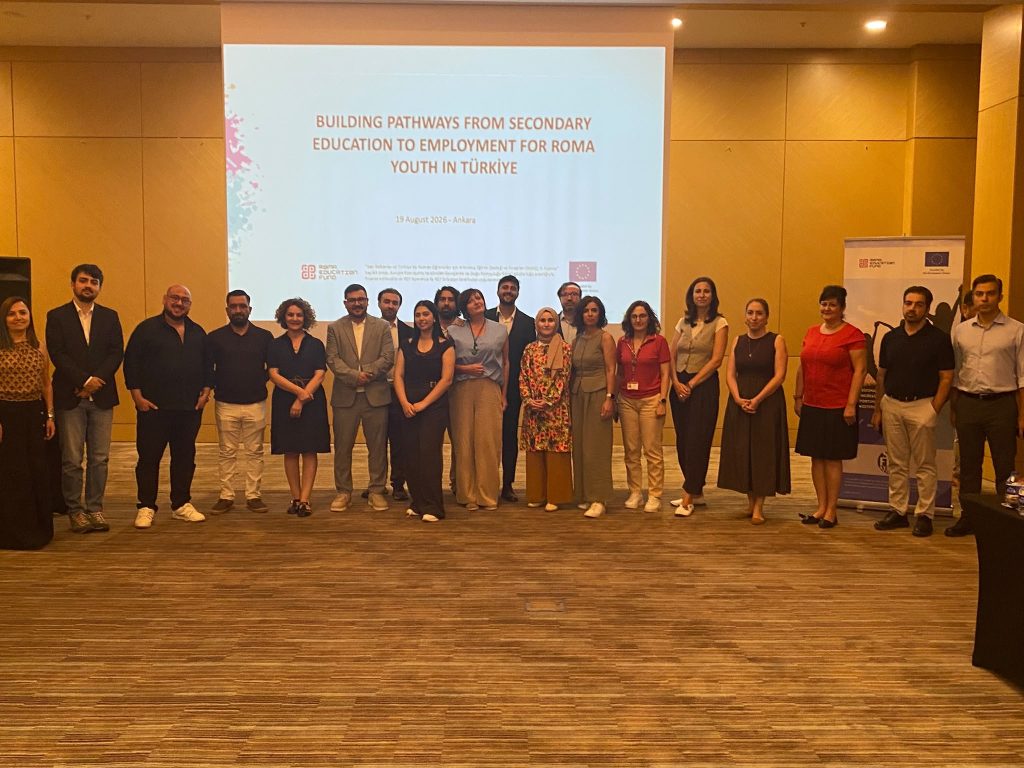
REF Türkiye Policy Roundtable | Turning Education into Economic Opportunity for Roma Youth
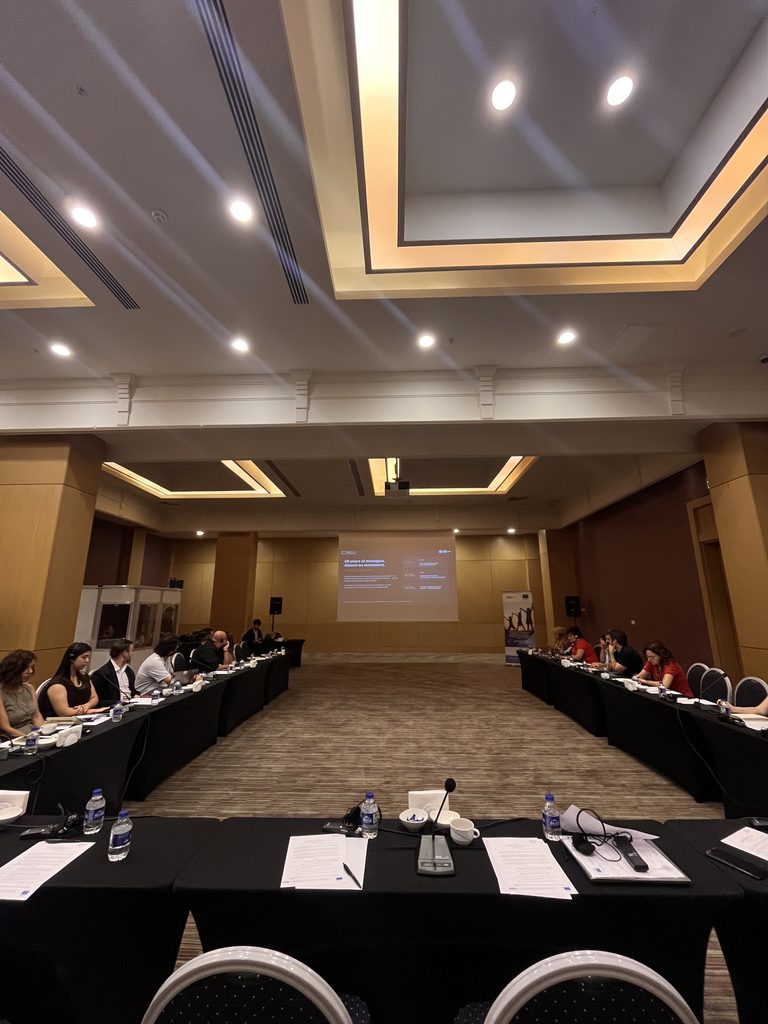
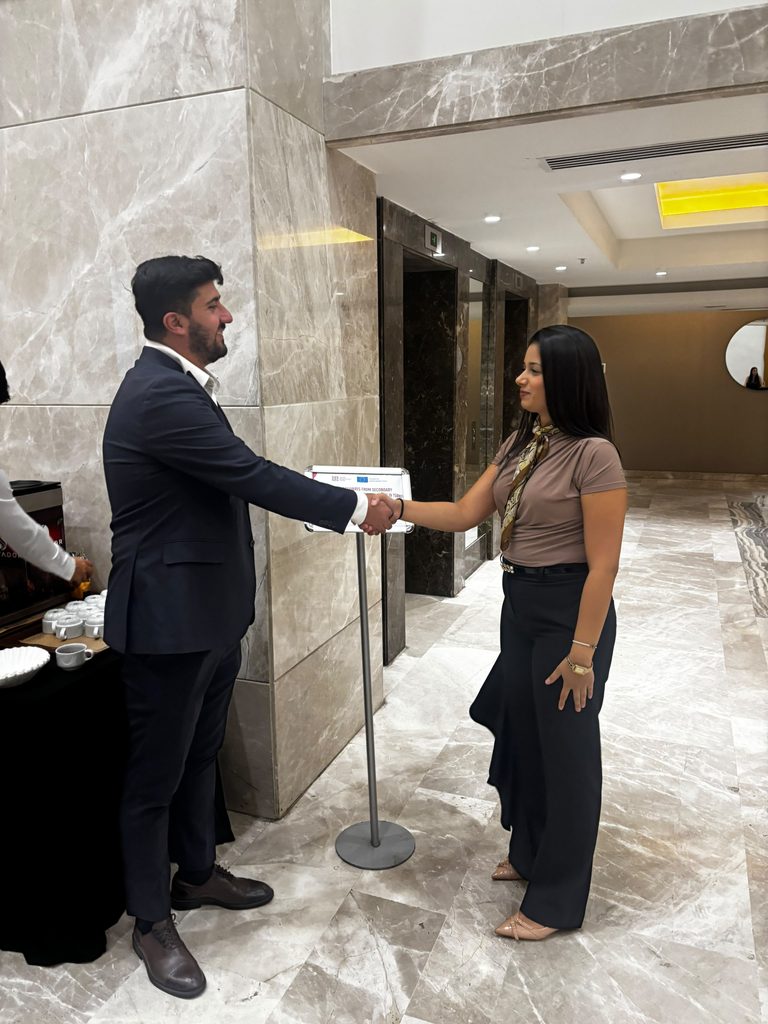
On 19 August 2026, in Ankara, the Roma Education Fund (REF) brought together representatives of public institutions, international organisations, employers and Roma civil society for the REF Türkiye National Policy Roundtable, organised as part of the regional advocacy process under the RARE II project.
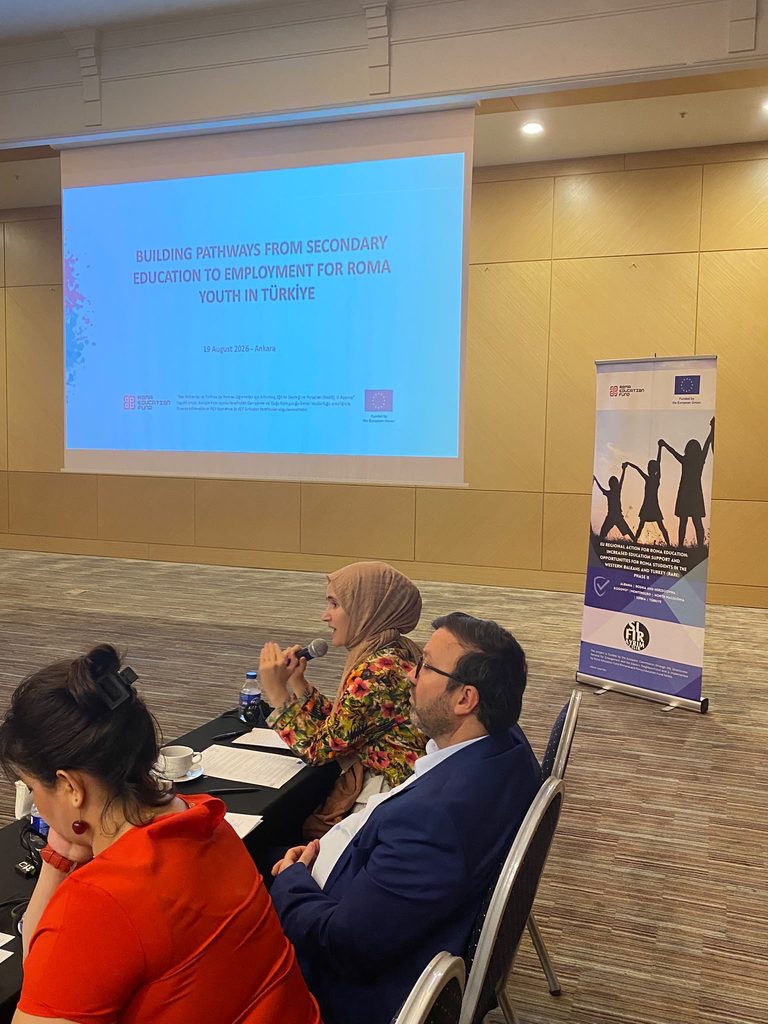
The event brought together Ahsen Yıldırım, from the Directorate-General for Basic Education within the Ministry of National Education; Melahat Güray, from the EU Delegation to Türkiye; Aslı Çoban, from the Turkish Employment Agency; and Burçak Kılınç, from the Council of Europe Ankara Office.
The starting point was simple: access to education is not enough if young Roma cannot turn education into skills, qualifications and sustainable employment.
Building on the regional policy dialogue held in Podgorica, Montenegro, on 28 April 2026, participants discussed findings and recommendations from REF’s Bridging Education and Employment Policy Report and explored how these can inform education, skills and employment policies in Türkiye.
Marijana Rakić, REF Serbia Public Affairs Senior Officer, opened the event by highlighting the importance of turning dialogue and evidence into concrete policy actions that can create stronger education-to-employment pathways for Roma youth.
„Across Europe, and particularly in the context of Roma inclusion, we increasingly recognize that improving access to education is only one part of the solution. What matters equally is whether young Roma are able to successfully move through the education system, complete secondary education, access vocational or higher education, and ultimately make a sustainable transition into decent employment,” said Marijana Rakić.
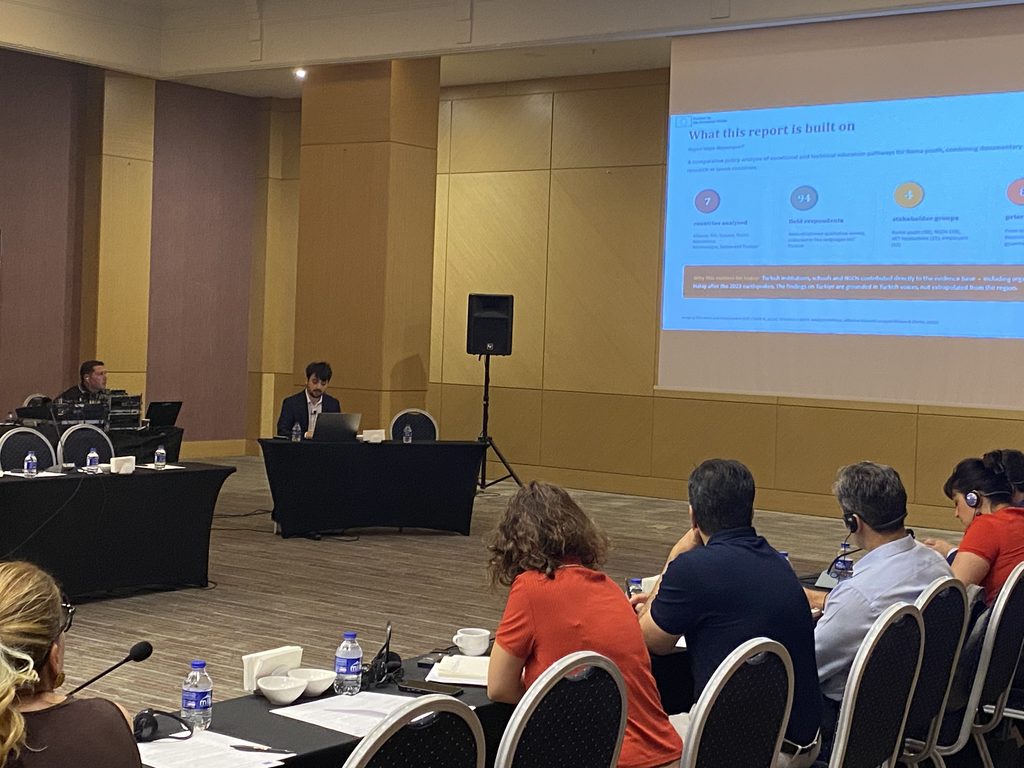
The event continued with a presentation of the key findings and priority recommendations from REF’s Bridging Education and Employment Policy Report, presented by our colleague Ider Ștefan, Coordinator of the Research and Development Division of the REF Network.
„The evidence shows that the challenge is not one single barrier. Roma young people can face obstacles at every stage of the journey from education to employment, from completing secondary education and continuing into vocational or higher education, to gaining relevant skills and accessing the labour market. If these barriers are interconnected, the solutions must be interconnected too. Education, skills development and employment policies need to work together,” said Ider Ștefan,
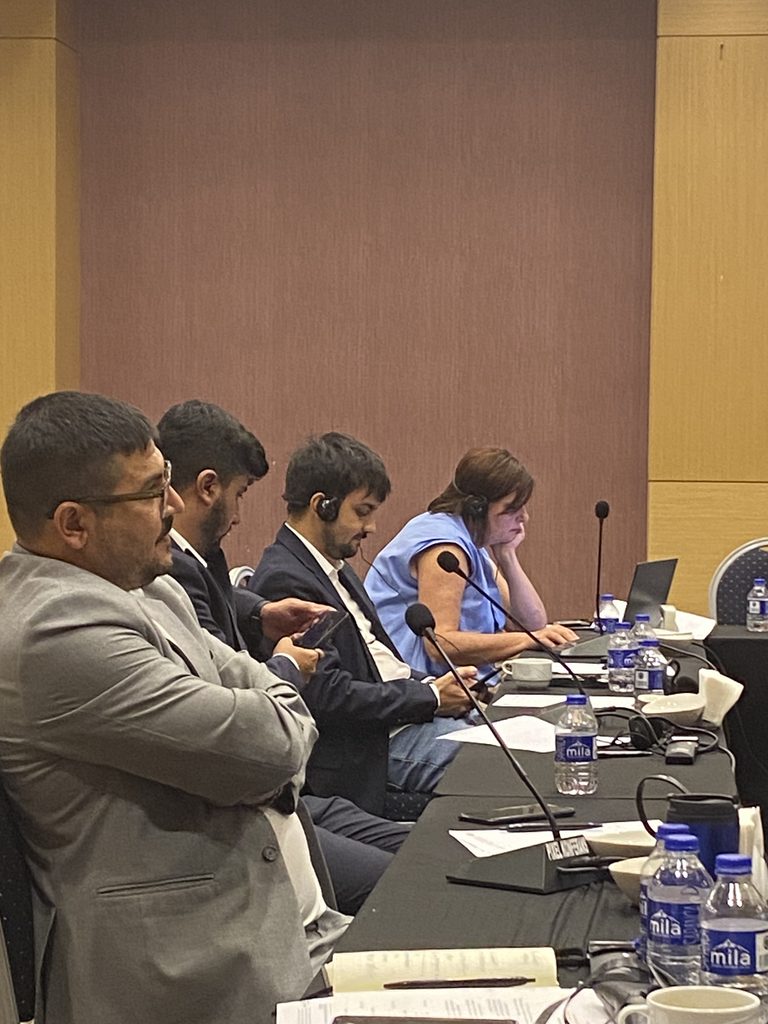
The policy dialogue focused on how these barriers can be addressed through stronger coordination between education, vocational training, employment services and employers, as well as clearer institutional responsibilities for supporting young people throughout the education-to-employment pathway.
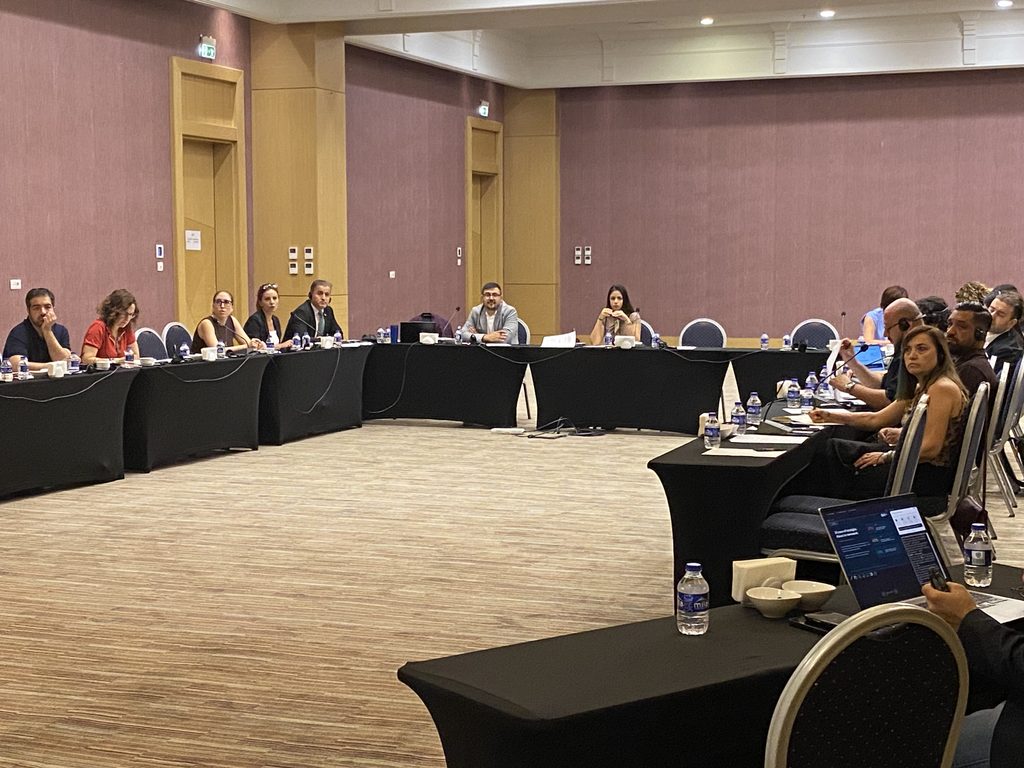
Participants also discussed institutional responsibilities for implementing the recommendations of the Policy Report and opportunities for closer cooperation between government institutions, municipalities, employers, international organisations and Roma civil society. The dialogue emphasized the importance of moving from policy recommendations towards concrete and coordinated actions that can be integrated into national education and employment policies and strategies.
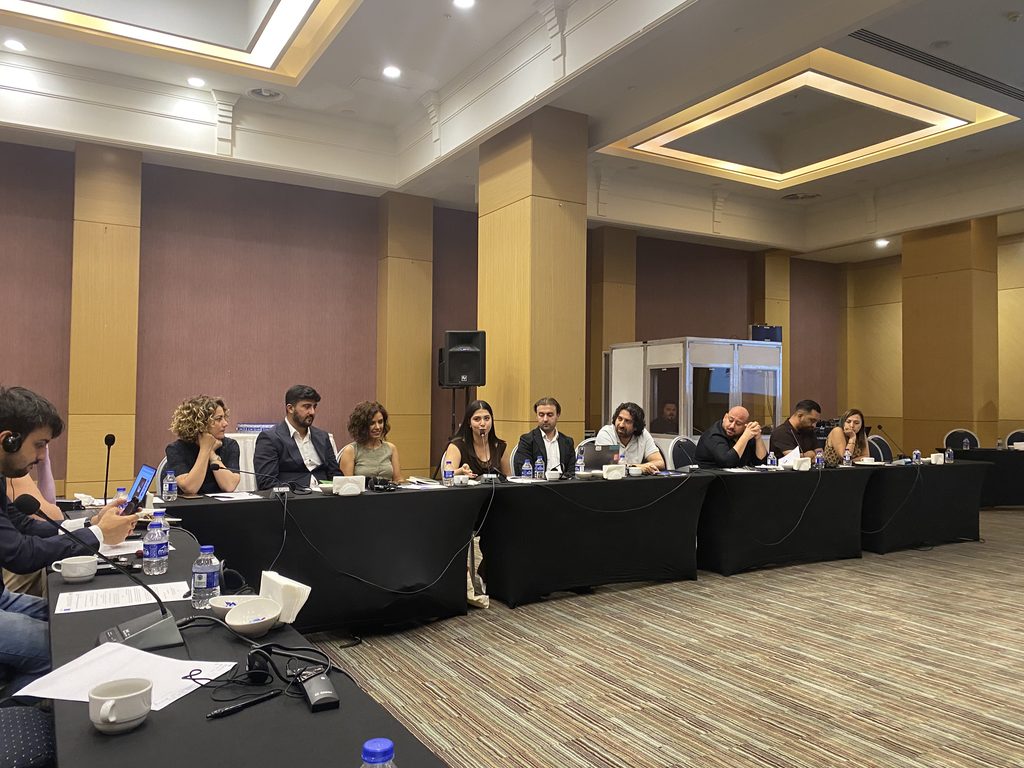
Following the policy dialogue, the working session “From Project Results to Future Policy and Programming” brought together representatives of the Roma Youth Association and the Zero Discrimination Association, as well as REF colleagues and a RARE II project beneficiary.
The session examined the achievements and lessons learned from the Early Childhood Development (ECD), Secondary Education (SEC) and Tertiary Education (TER) projects, focusing on approaches that have demonstrated potential to be institutionalized or scaled up and on how project experience can inform future policy development and programme design in Türkiye.
Gulcen, a beneficiary of both the secondary and tertiary components of the project, also highlighted the importance of supporting Roma women and girls, sharing her aspiration to become a teacher and a role model for Roma girls. This year, she began working with Roma children at a Roma civil society organization, taking an important step towards realizing this ambition. Her journey shows how support can create opportunities not only for young people themselves, but also for them to inspire and support others in their communities.
REF teams work across education, skills and employment to design solutions that address the barriers preventing Roma young people from reaching their full potential. By combining evidence, labour-market realities and direct knowledge of Roma communities, REF develops approaches that can inform public policy, strengthen institutional responses and create more effective pathways from education to economic participation.
This work also responds to a wider economic challenge. Across Europe, demographic change and labour and skills shortages are increasing the need to invest in human capital, while Roma talent remains significantly underused. Strengthening the transition from education to employment means creating opportunities for Roma young people to develop relevant skills, enter sustainable employment, earn incomes and contribute to the economies and communities in which they live.
The Ankara roundtable is part of REF’s wider effort to connect education, skills and employment and to turn experience from implementation into solutions that public institutions, employers and civil society can take forward and scale. The project “EU Regional Action for Roma Education: Increased Education Support and Opportunities for Roma Students in the Western Balkans and Turkey (RARE), phase II” is funded by the European Commission through the Directorate-General for Enlargement and the Eastern Neighbourhood and is implemented by REF Romania and REF Serbia.