Roma Youth Leadership Bootcamp | Five Days of Learning, Friendship and Confidence in a New Generation
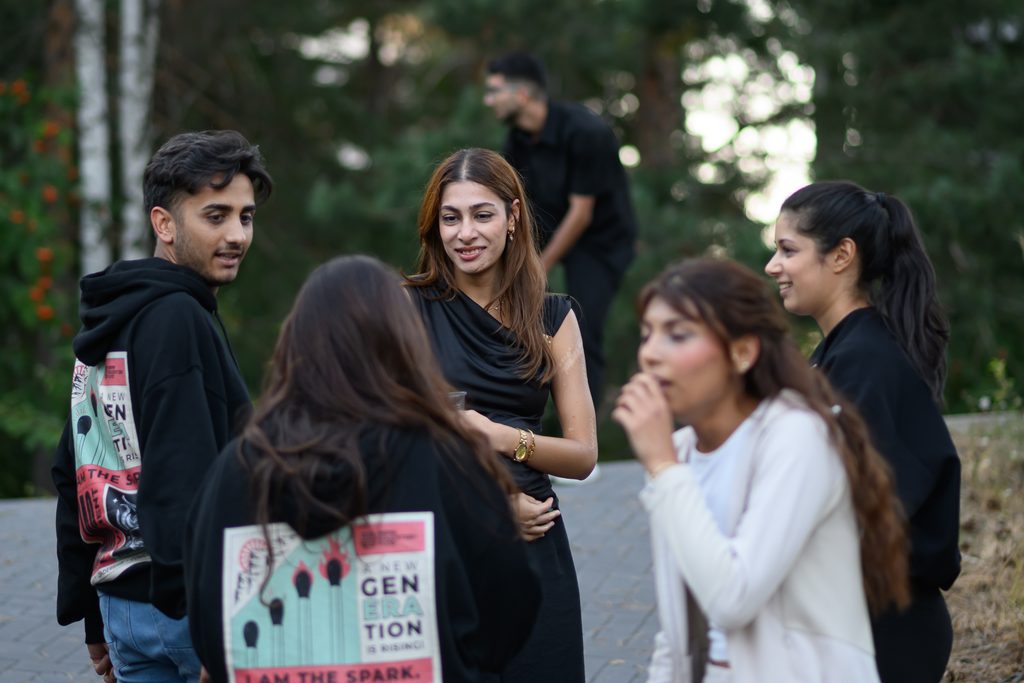
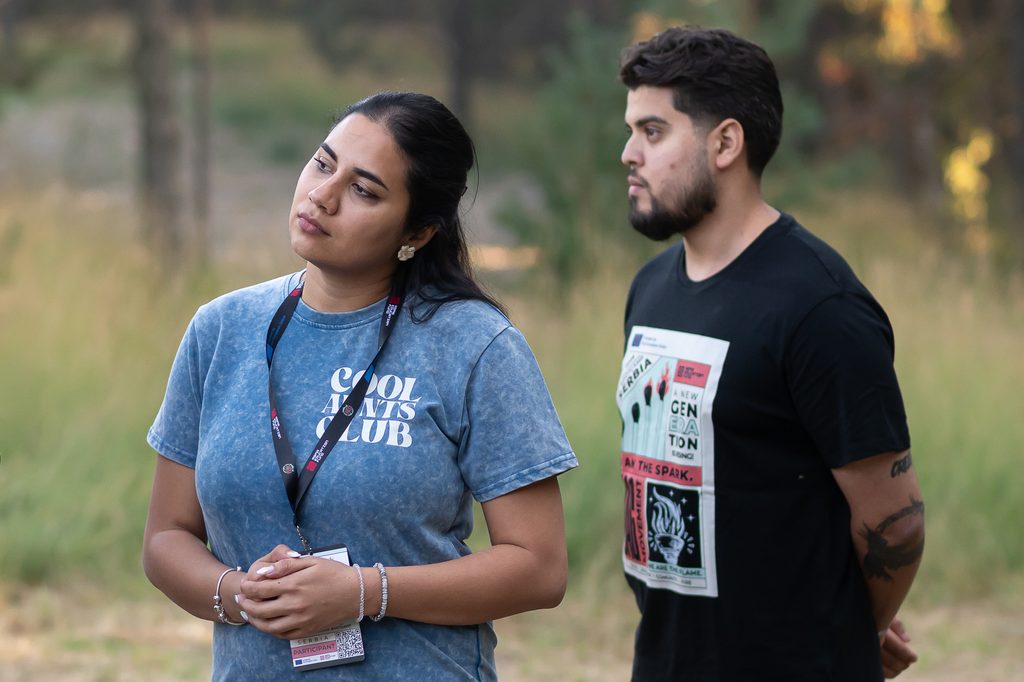
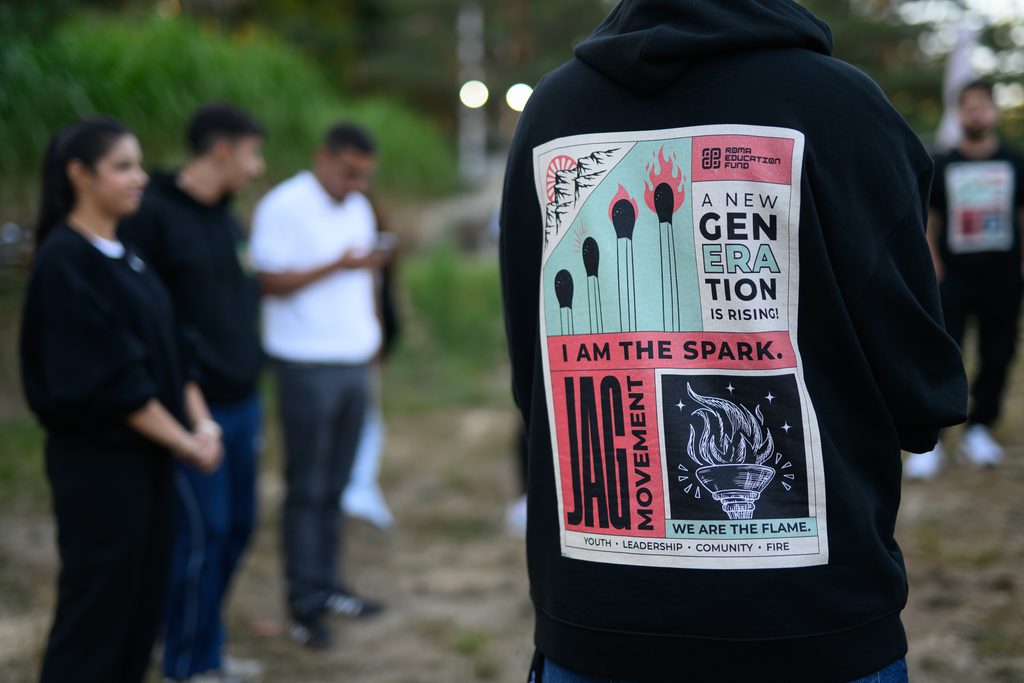
“I am the spark. We are the flame.”
30 August – 3 September 2026 | Divčibare, Serbia
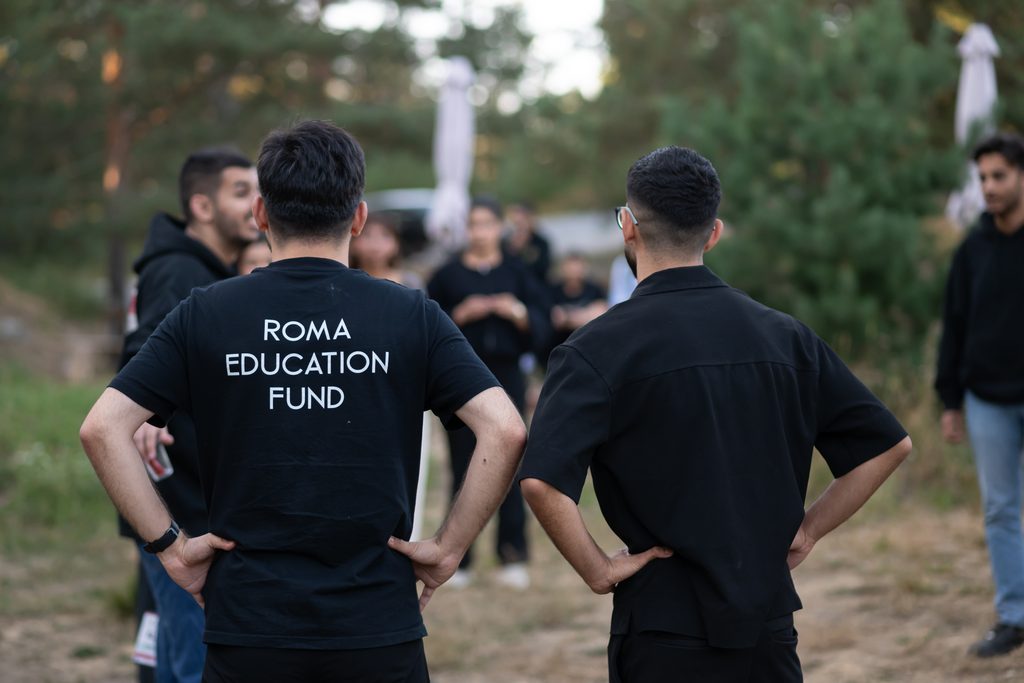
From 30 August to 3 September 2026, the Roma Education Fund (REF) brought together young Roma from across the Western Balkans and Türkiye in Serbia for the RARE Roma Youth Leadership Bootcamp, five days dedicated to learning, dialogue, reflection, personal development and building connections across countries. The Bootcamp was organized within the project “EU Regional Action for Roma Education: Increased Education Support and Opportunities for Roma Students in Western Balkans and Turkey (RARE) Phase II”, funded by the European Commission’s Directorate-General for Enlargement and Eastern Neighbourhood (DG ENEST) and implemented by REF Romania and REF Serbia.
Through RARE Phase II, REF works to expand educational opportunities for Roma pupils and students while investing in the confidence, skills and leadership potential of a new generation of young Roma. The Bootcamp translated this ambition into practice, creating a space where participants could strengthen their individual capacities, learn from one another and explore how they can contribute to their communities and to wider society.
Held in Divčibare, Serbia, the Bootcamp was designed as a space where young people could meet, exchange experiences and explore their potential as future leaders within their communities. At its heart was a fundamental question: How can we transform our individual experiences and energy into a collective force capable of contributing to the lives and futures of our communities?
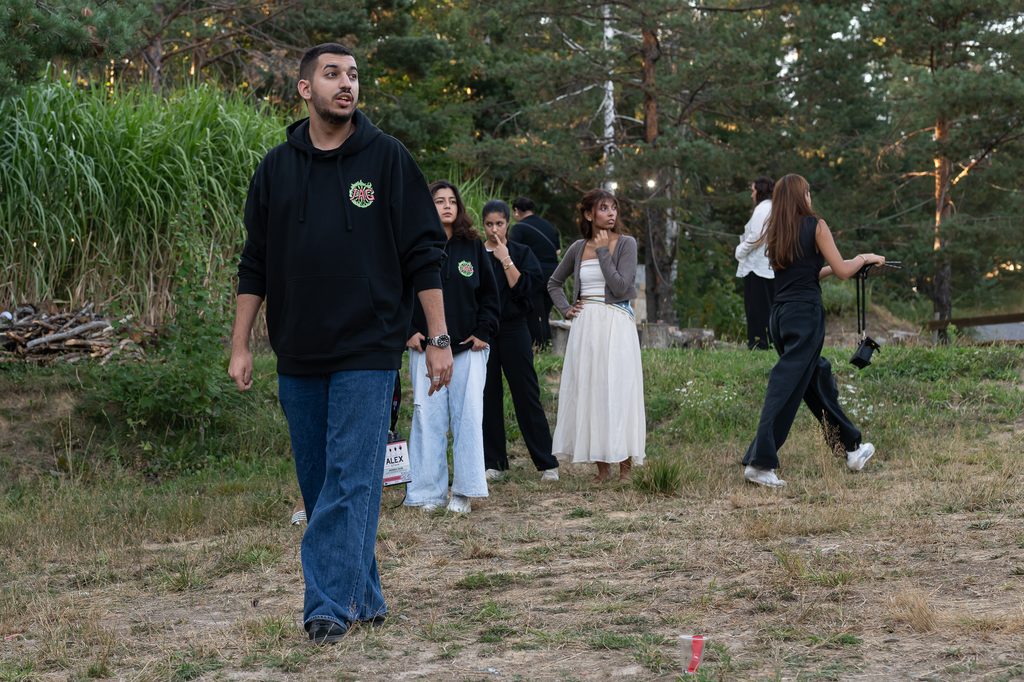
Designed for young Roma from the Western Balkans and Türkiye, the program placed leadership, participation and Roma identity at its center. The agenda combined discussions on democracy, negotiation, gender equality and youth movement-building with practical exercises, team challenges, interactive activities and moments of reflection.
Rather than treating leadership as a position or title, REF approached it as something developed through experience, relationships and action. Participants explored how decisions are made collectively, how different perspectives can be heard and respected, how disagreements can be navigated, and how responsibility can be shared within a group.
“Leadership was approached as a practice that is learned in relation to others. Taking initiative means understanding the context, developing an idea and helping others contribute to it. In this sense, the simulations and group challenges included in the program created opportunities for cooperation, negotiation and reflection on our own reactions. The emphasis was placed on the connection between personal development and responsibility towards the community.” – Alex Stan, Youth Network Coordinator, REF
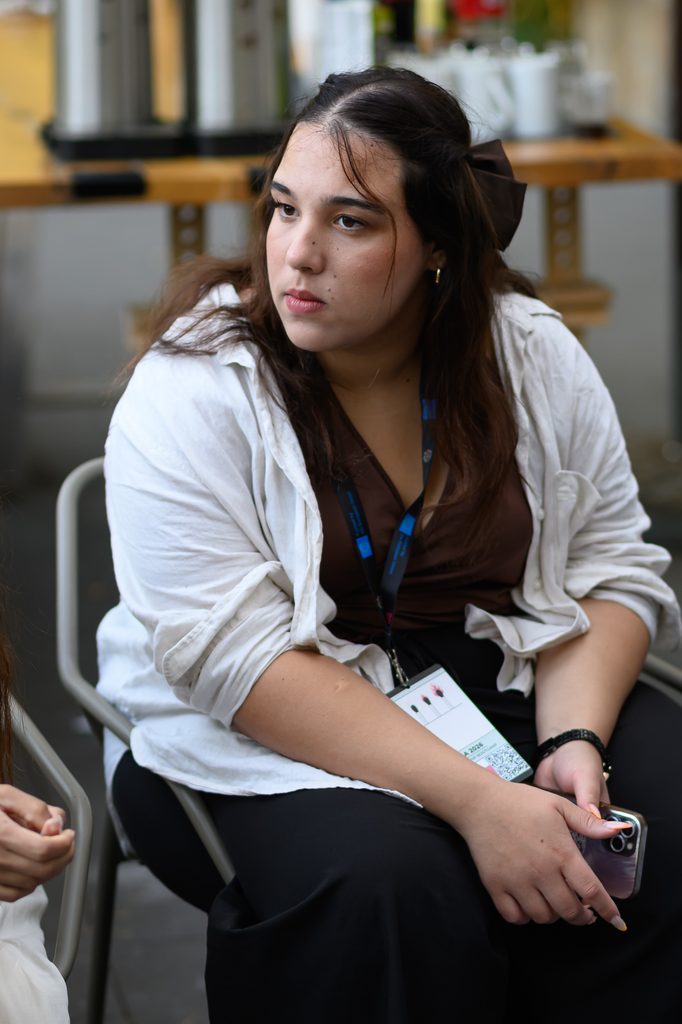
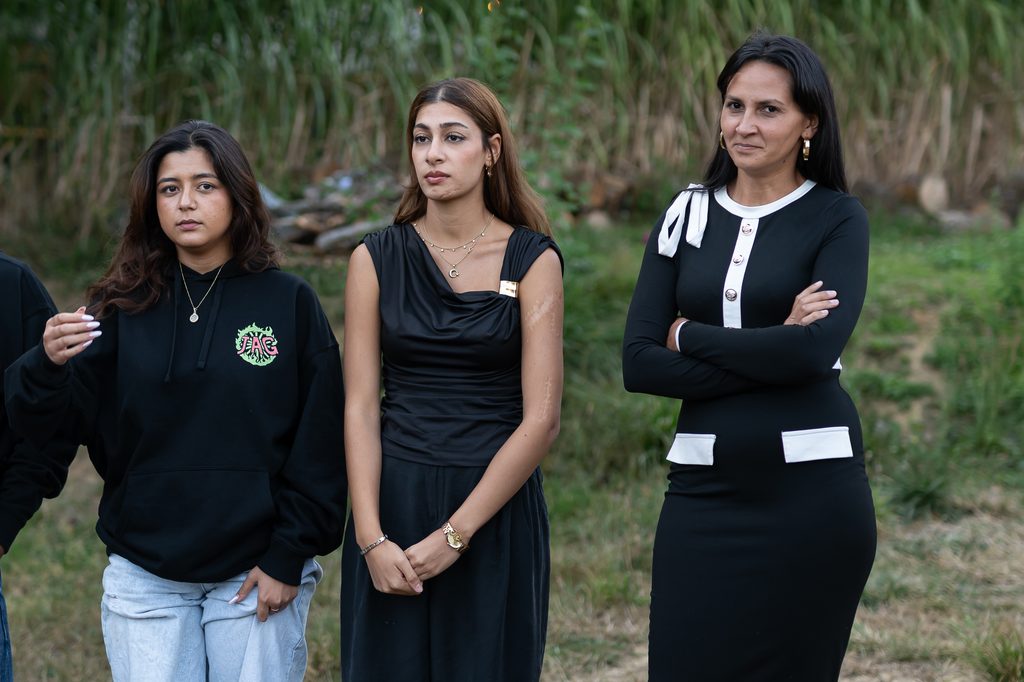
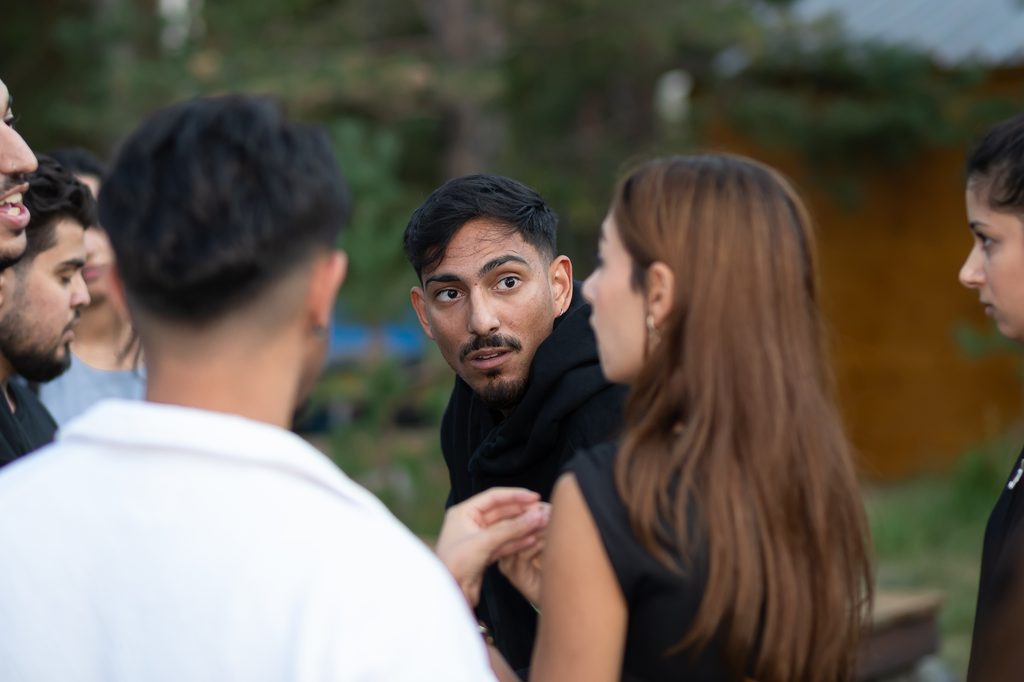
The bootcamp began by creating space for participants to get to know one another and share their personal stories and experiences. From the outset, these conversations fostered an atmosphere of openness and trust, allowing participants to recognize both the differences and the common ground in their journeys.
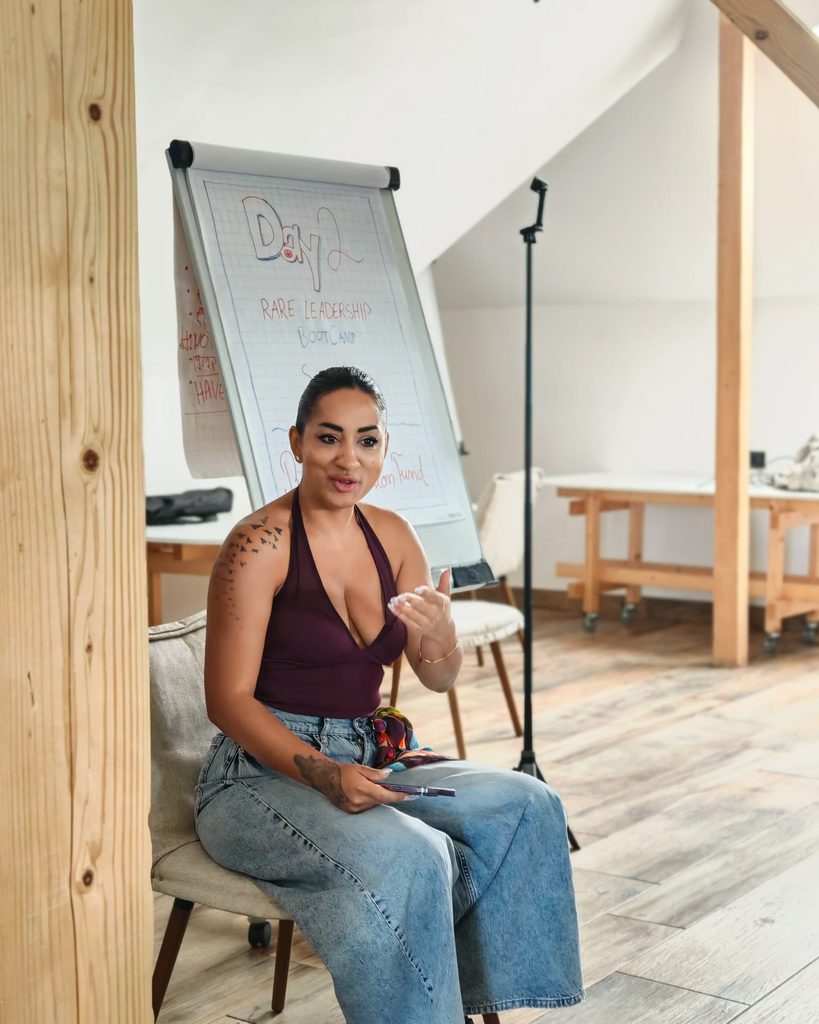
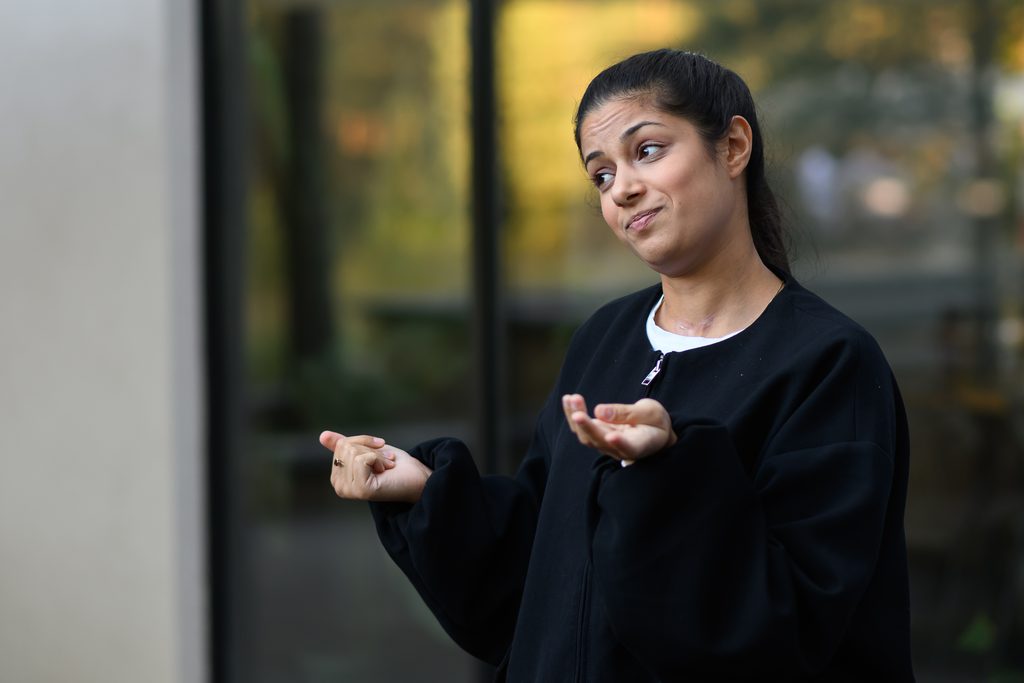
One of the first sessions featured Zejna, a Roma singer from Serbia, who shared her personal journey, the challenges she had encountered along the way and the lessons she had drawn from them. Through her story, she encouraged participants to believe in themselves, approach challenges as opportunities for growth and remain persistent even when the path ahead is difficult. Her message was simple and powerful: be brave, stay true to yourself and do not give up when confronted with obstacles.
Her contribution reinforced one of the central ideas of the Bootcamp: finding your voice is not only about speaking up. It is also about understanding who you are, recognizing your strengths and having the confidence to make your perspective heard.
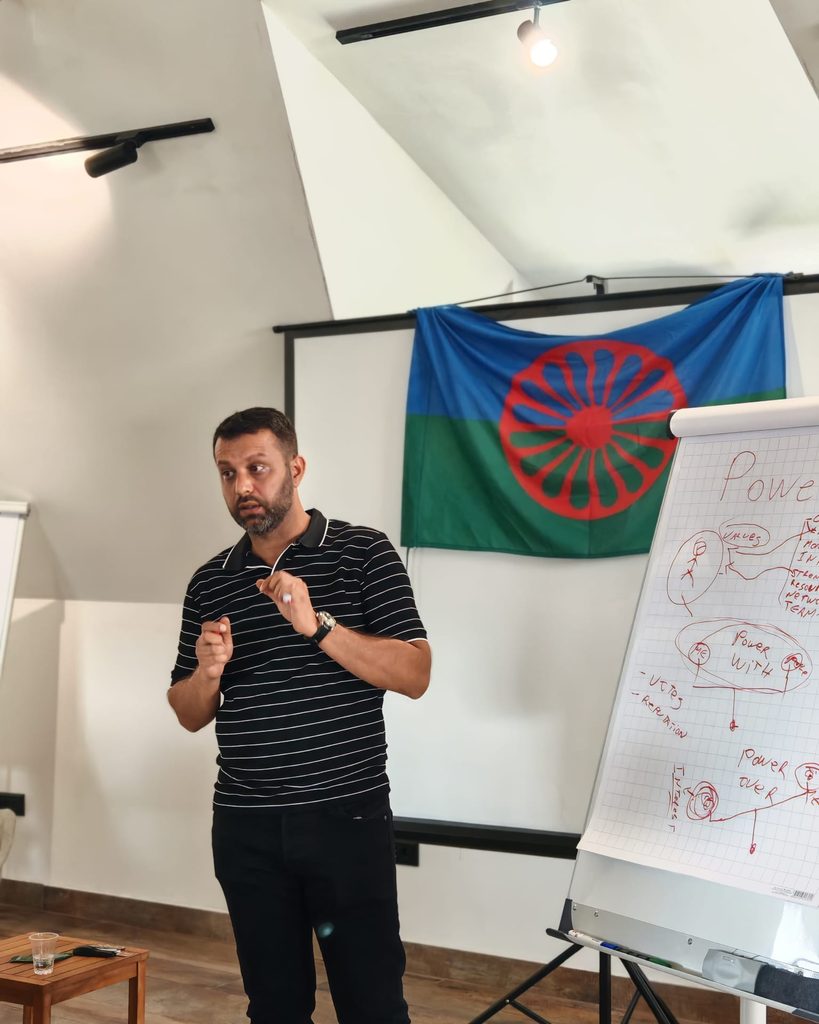
Another key part of the program focused on democracy, civic activism and the future of the Roma movement. During sessions with Akif Kariman from the Roma for Democracy Foundation, participants explored the political participation of young Roma, the challenges facing Roma communities and the opportunities available to young people who want to contribute to social change. The discussions encouraged them to reflect on their own role in democratic processes and on how young Roma can move from observing social and political developments to actively shaping them.
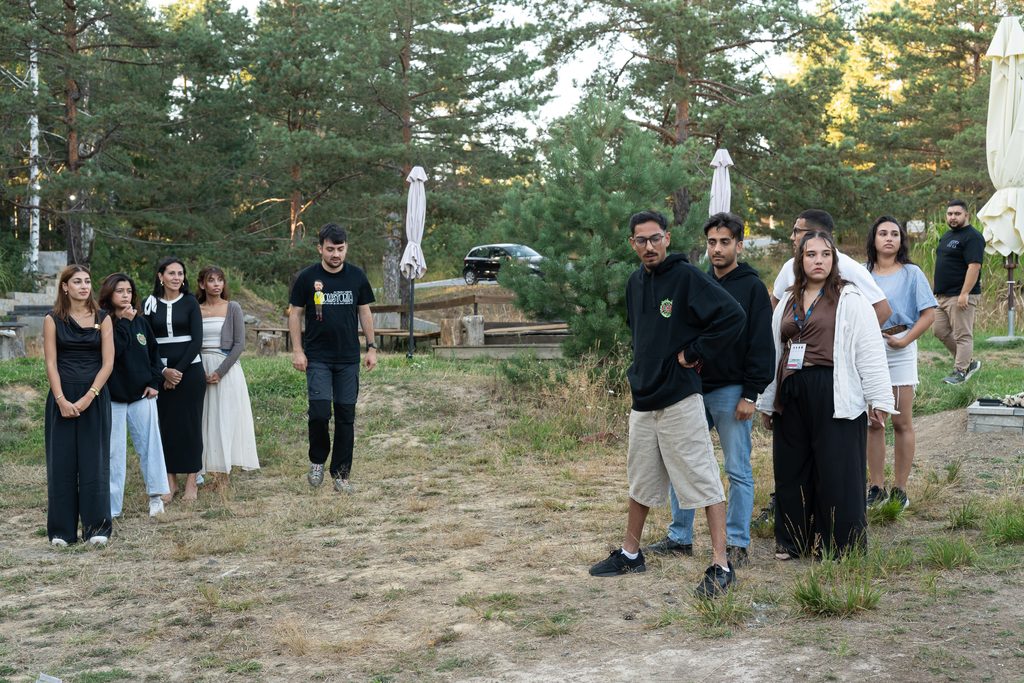
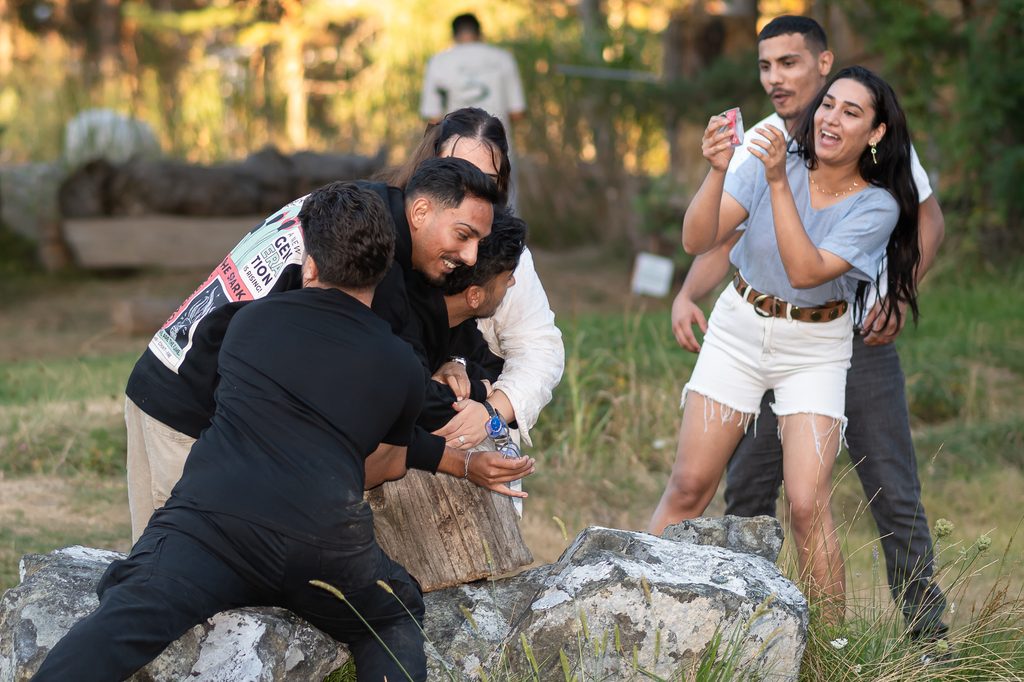
The “Hunt the Flag” activity, facilitated by Marijana Rakić, Senior Public Affairs Officer at REF Serbia, translated many of these ideas into an interactive challenge combining teamwork, strategy, competition and creativity. Participants experienced first-hand that leadership involves much more than making decisions: it requires communication, trust, cooperation, adaptability and the ability to recognize and mobilize the strengths of others.
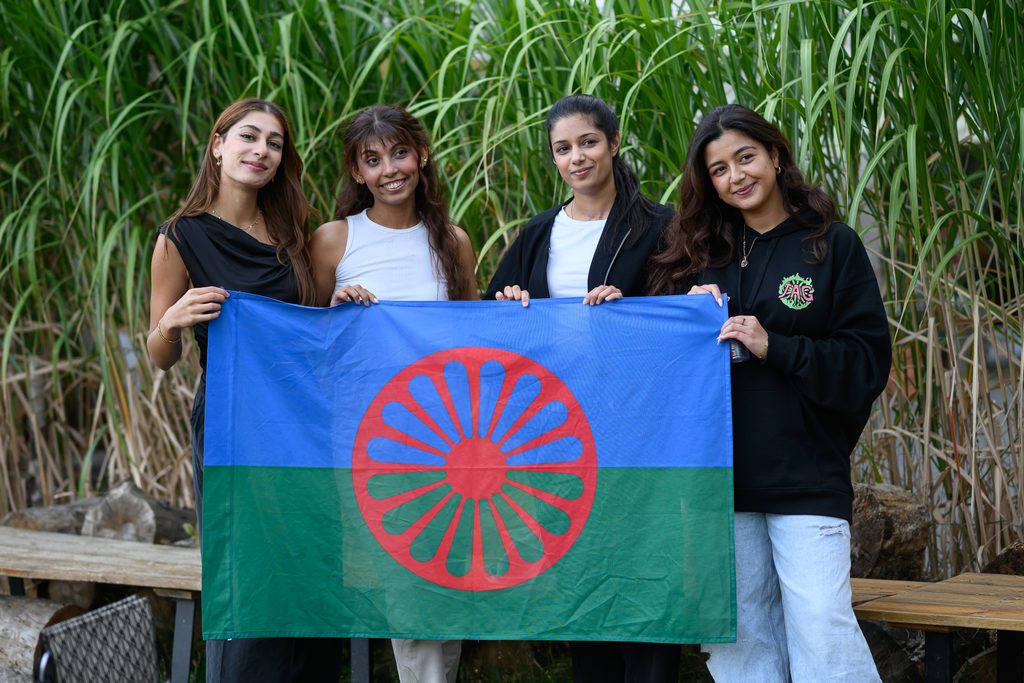
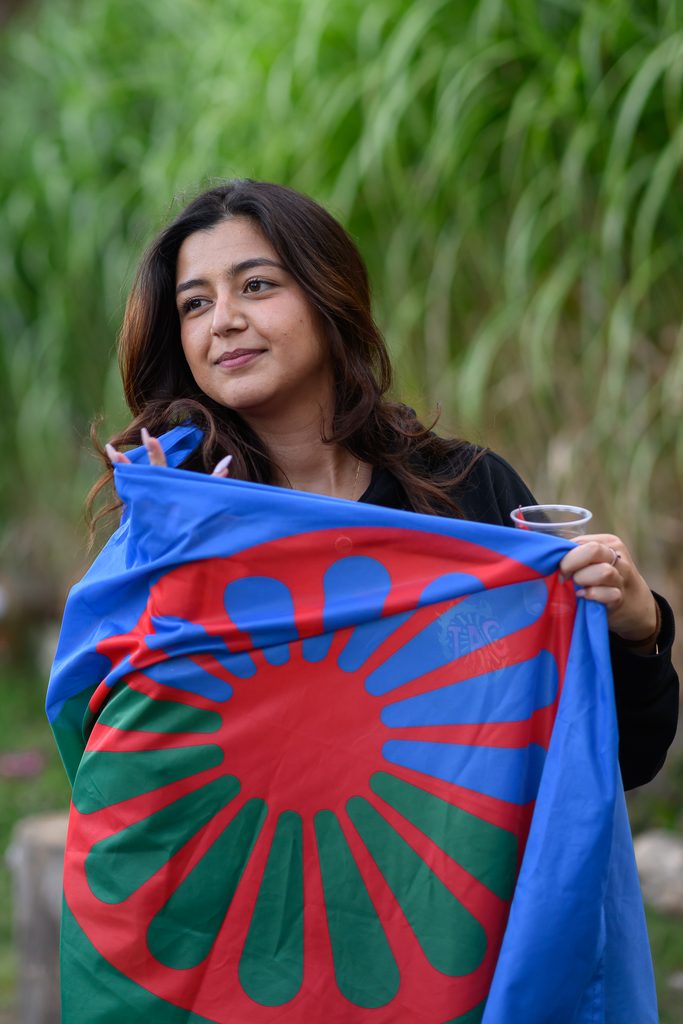
The program also created space to explore resilience and the importance of Roma identity. Through workshops led by Nađa Greku from the European Roma Institute for Arts and Culture (ERIAC) Serbia, participants discussed the value of maintaining a strong connection to their identity and discovered the stories and work of prominent Roma artists.
The sessions invited them to consider how culture and identity can become sources of confidence and resilience, while strengthening a sense of belonging to a wider community. These discussions highlighted an important connection between identity and leadership: knowing where you come from can strengthen the confidence to decide where you want to go and what kind of change you want to contribute to.
“This generation feels different. They are increasingly self-assured, emotionally aware, ambitious, curious and courageous. They bring tremendous vigour and an eagerness to learn, question, connect and build something better together. What struck me most was not only their individual potential, but the strength that emerges when they see themselves as part of a wider community of young Roma leaders.” – Nađa Greku, ERIAC Serbia.
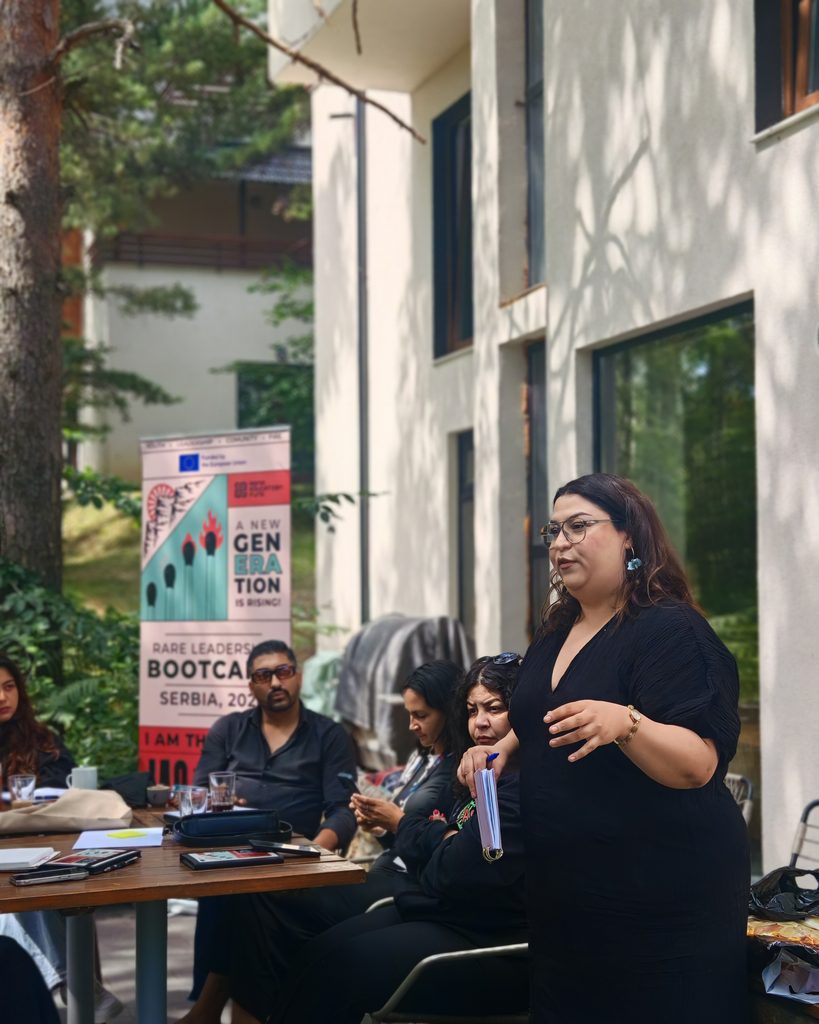
Another important element of the Bootcamp was the opportunity to meet people whose educational and professional journeys could serve as tangible examples of what is possible. During a role-model session, participants met Branislav Nikolić, a professor at the Technical School in Bečej, an alumnus of the Roma Education Fund and a former mentor within a REF program. Branislav shared his personal and professional journey, including the challenges he encountered and the lessons he learned along the way. His experience offered participants practical perspectives on education, professional development and the importance of recognizing and making the most of opportunities. For young people at the beginning of their own professional journeys, such encounters can turn abstract ideas about ambition, perseverance and success into experiences they can relate to.
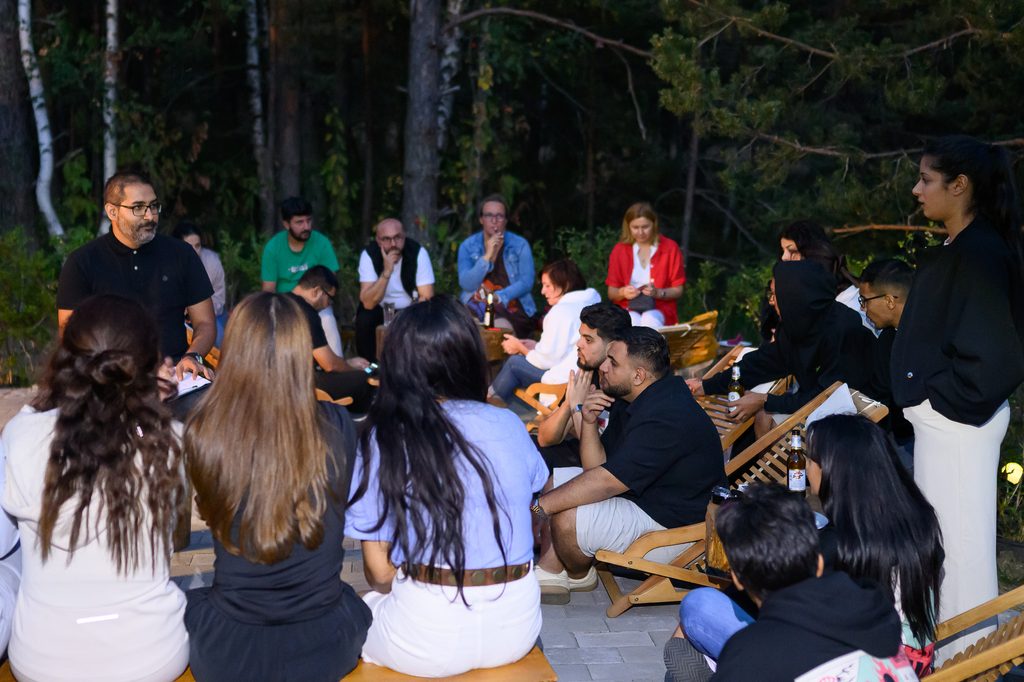
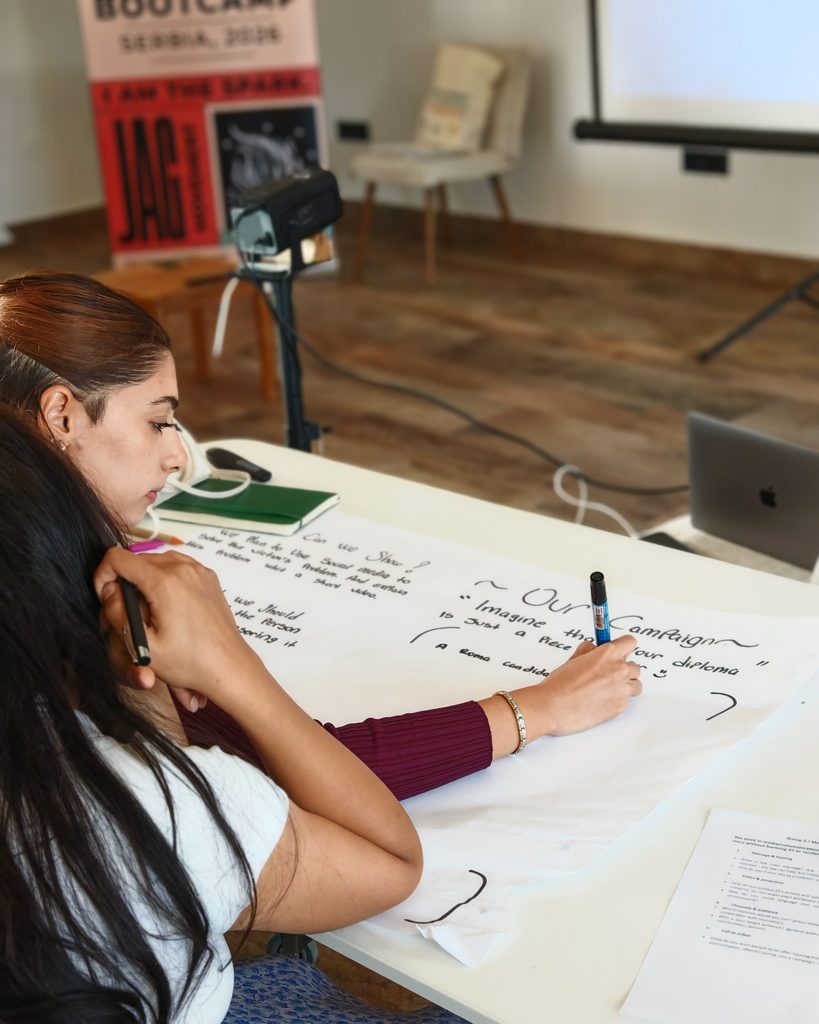
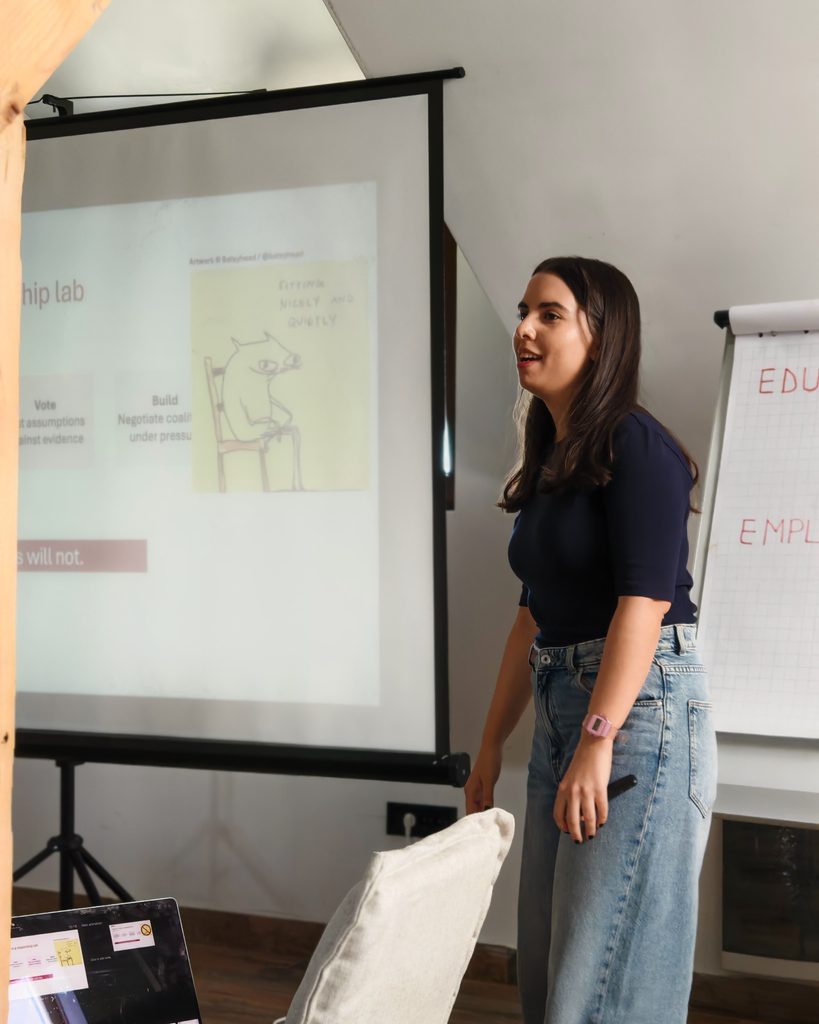
Leadership took centre stage again in a simulation facilitated by Adriana Mandache, an alumna of the Roma Education Fund’s Roma Leadership Program. The activity challenged participants to take initiative, navigate different perspectives and work collectively towards common objectives.
“The bootcamp was a powerful reminder that leadership does not begin with a title, a formal mandate, or someone else’s permission. For me, the idea of ‘leadership without permission’ captured much of what the experience was about: encouraging young people to recognize the influence they already have and to see themselves as active contributors to change, rather than waiting until they are given authority or invited into decision-making spaces.” – Adriana Mandache, REF Romania expert in digital.
Throughout the Bootcamp, Adriana observed participants challenging assumptions, bringing their own experiences into conversations, negotiating different perspectives and thinking seriously about the future they want to help create for Roma communities.
“Preparing and facilitating the Future of Roma Leadership 2040 session reinforced this even further for me. Leadership emerged not as having all the answers, but as the willingness to take initiative, build alliances, question existing systems, and act with others toward a shared goal.”
One of the key lessons emerging from the session was that meaningful change can begin when young people stop asking whether they are “allowed” to lead and start recognizing that their voices, choices and actions already matter.
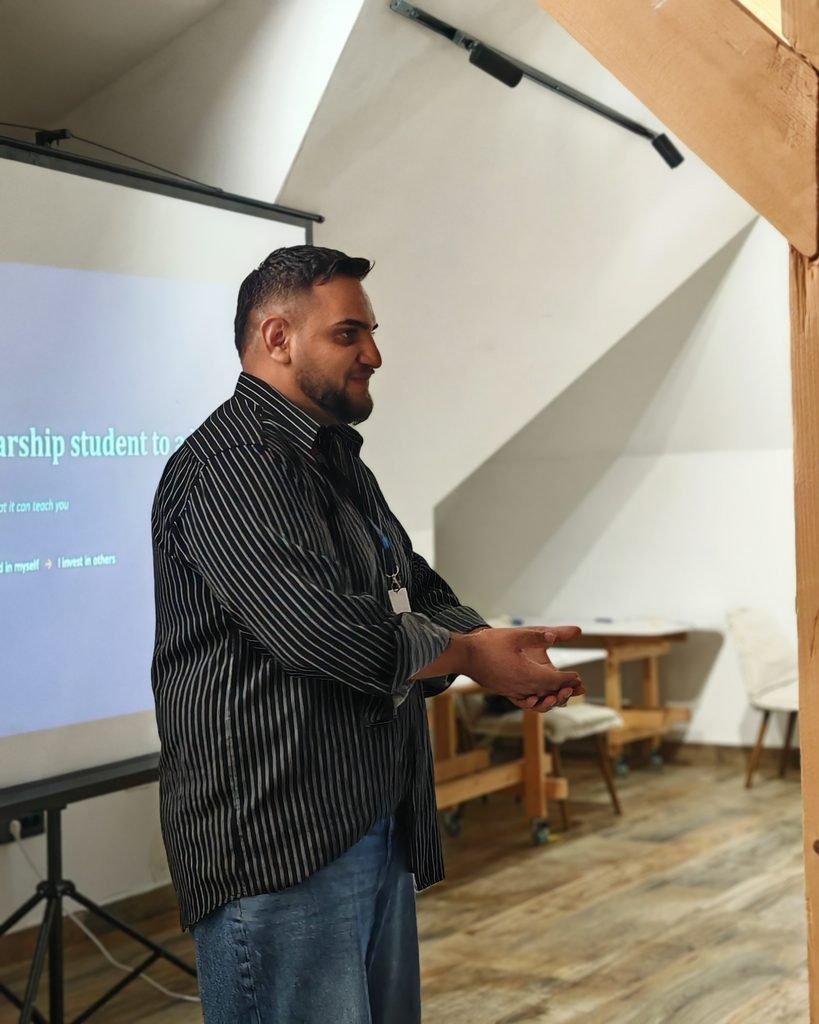
The program within the bootcamp also addressed gender equality and the social perceptions and stereotypes that continue to shape opportunities and relationships. Workshops facilitated by Marko Stanković and Branko Kašerić, representatives of the Commissioner for the Protection of Equality in Serbia, encouraged participants to question assumptions, examine inequalities from different perspectives and consider how they can respond to them both individually and collectively.
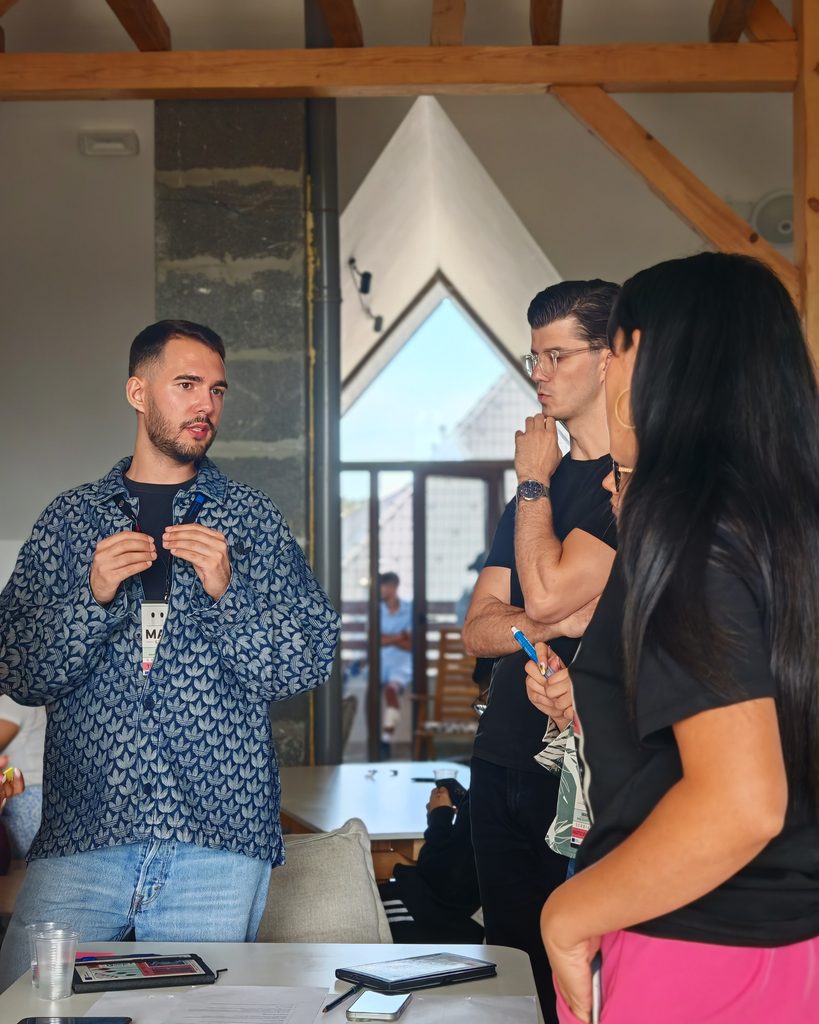
Participants also had the opportunity to meet Franko Veliu, an alumnus from Albania who participated in the first phase of the project EU Regional Action for Roma Education: Increased Education Support and Opportunities for Roma Students in Western Balkans and Turkey (RARE) Phase II”. Franko shared his educational and professional journey with the new generation of participants, speaking openly about his experiences, challenges and achievements.
His return to the program in a new role illustrated another important dimension of long-term investment in young people: those who benefit from educational and development opportunities can, in turn, become role models, mentors and sources of inspiration for those who follow.
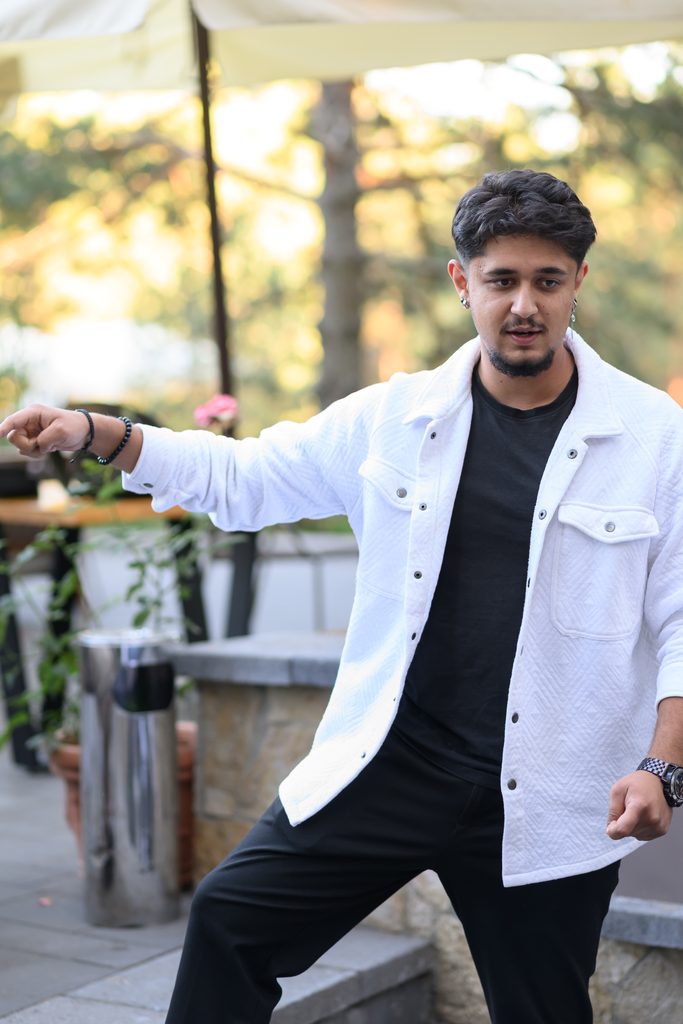
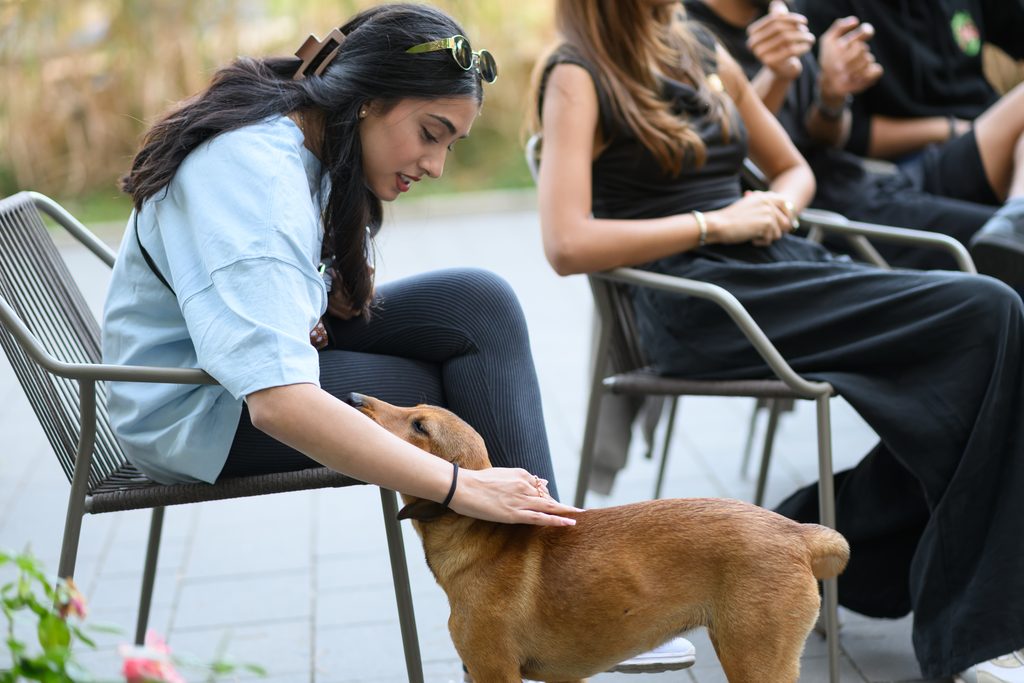
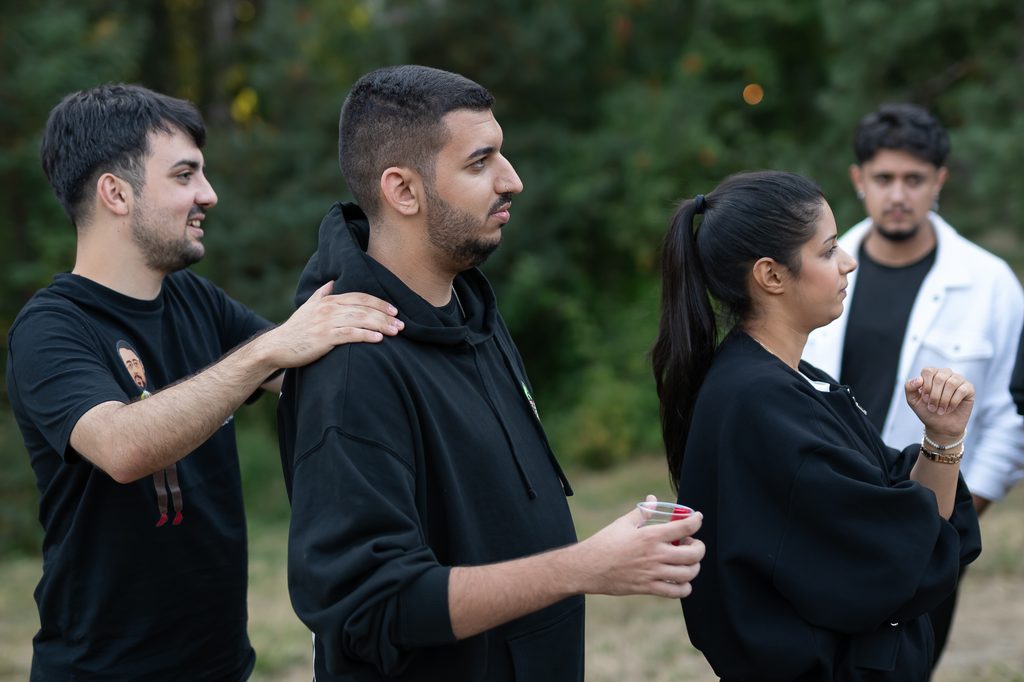
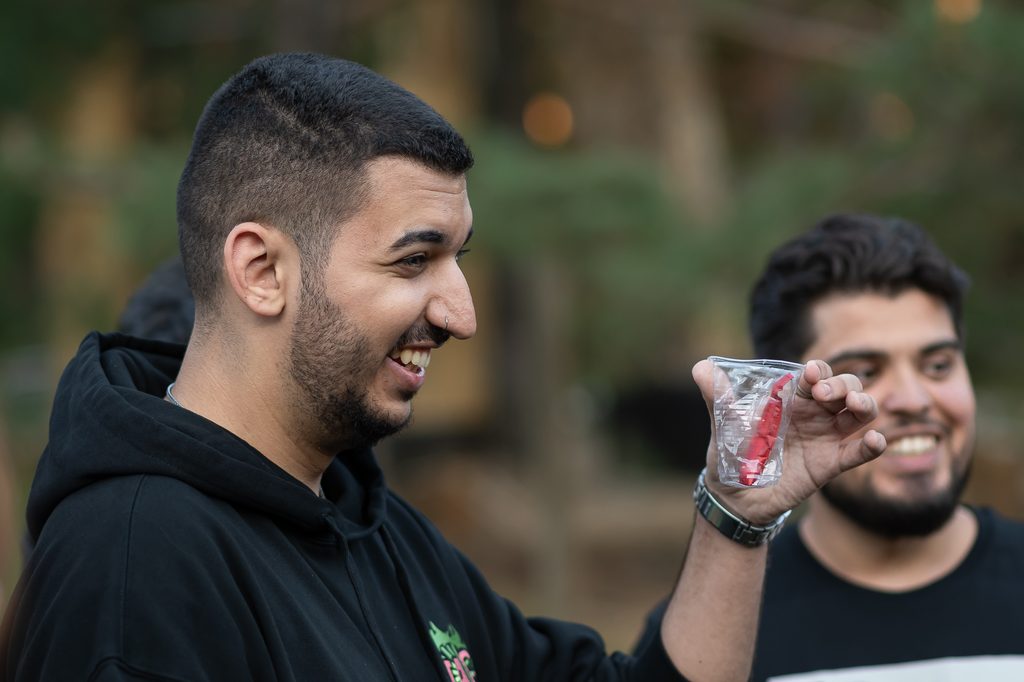
While the sessions formed the core of the program, the Bootcamp experience extended well beyond formal learning. Outdoor games, recreational activities and evenings meetings gave participants time to relax, connect and get to know one another outside the workshop environment.
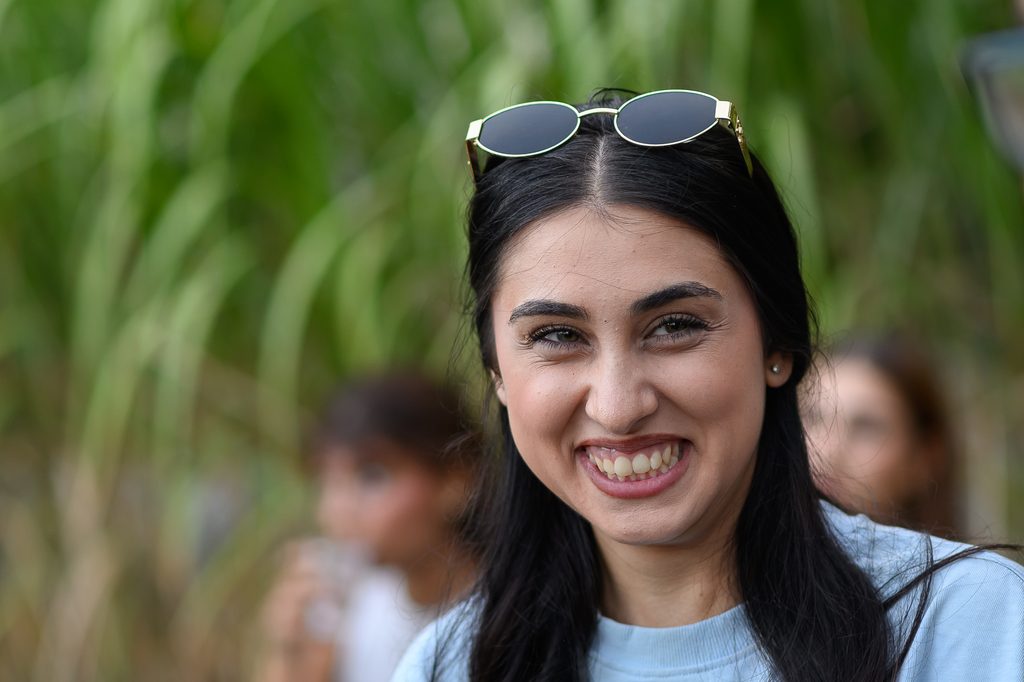
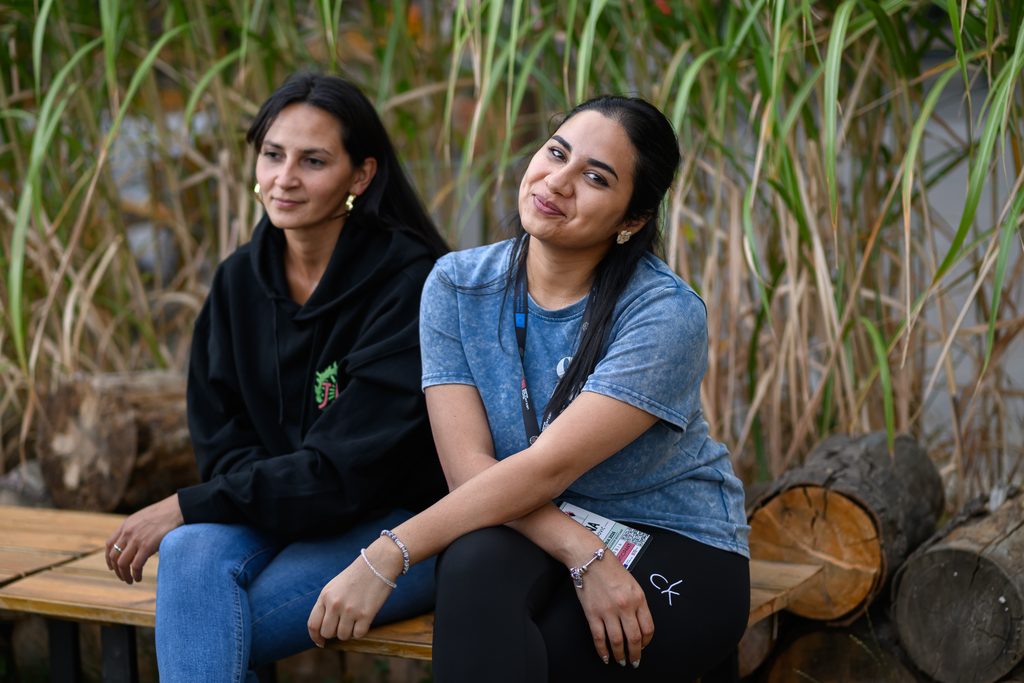
These informal moments became an important part of the experience. Friendships were formed, stories were shared and connections developed between young people from different countries and backgrounds who nevertheless discovered many common experiences, challenges and aspirations.
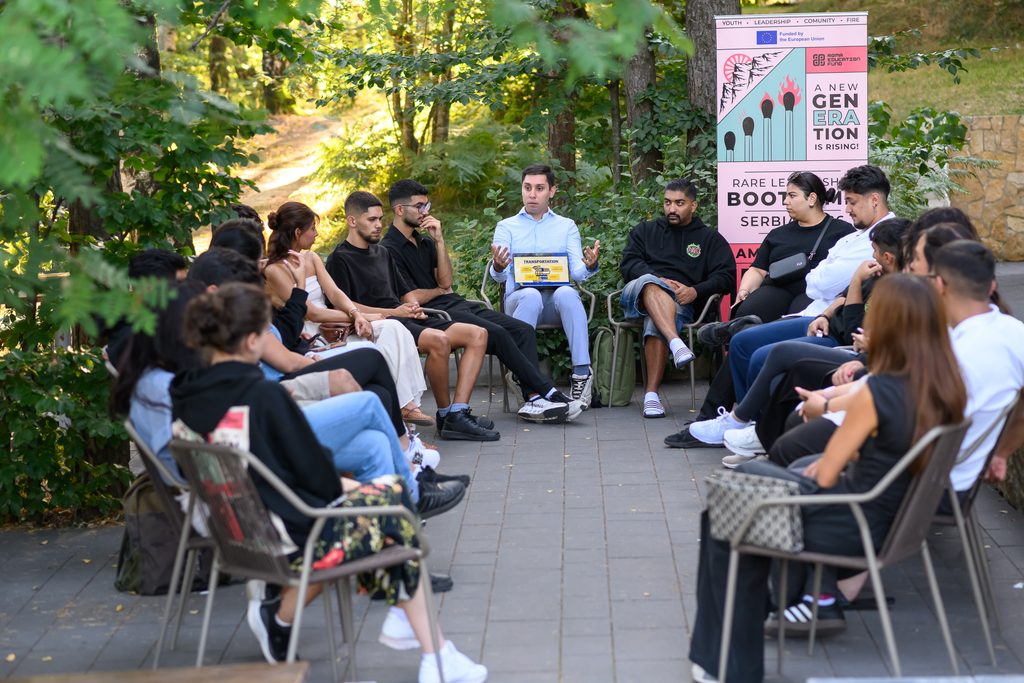
“I’m very happy to be here at this camp and to have met so many interesting people with whom I’ve exchanged a lot of information and gained valuable knowledge. Many thanks to everyone for making this experience possible.”- Dženan Bobarić, Roma mediator, EUROROM organisation, Tuzla, Bosnia and Herzegovina
For Dragana Krstić, a student at the Faculty of Medicine in Novi Sad, Serbia, the Bootcamp was an opportunity to meet other young Roma, exchange experiences and draw inspiration from the achievements of her peers.
“REF supported me with a scholarship that meant a great deal to me, as it helped me purchase textbooks and other things I needed at the time. I applied to this camp because I wanted to meet as many young Roma people from our community as possible, as well as young people from around the world. I can honestly say that I had a wonderful and enjoyable time here. I met many young people from our community, and I was truly impressed and inspired by their achievements. The camp was a wonderful experience, and we learned a great deal through the different sessions. Whenever I have the opportunity, I will be very happy to take part again” – Dragana Krstić.
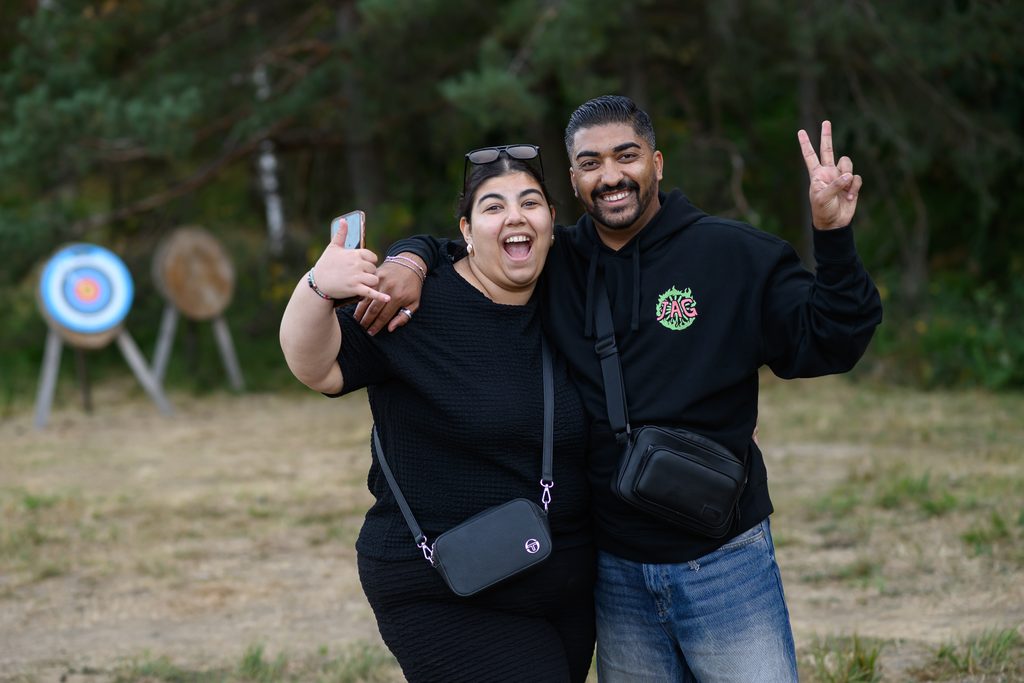
On the final day, participants reflected on what they had learned, shared their impressions and brought an intense five-day experience to a close. But the purpose of the Bootcamp was never intended to end in Divčibare. The relationships built during those five days, and the ideas developed through the sessions, will become starting points for future collaborations, local initiatives and new forms of youth participation. For that potential to translate into meaningful action, young people need continued opportunities to participate, experiment, take responsibility and learn, including from challenges and setbacks. Leadership development is a continuous process.
I am the spark. We are the flame.
A new generation of Roma leaders is growing.