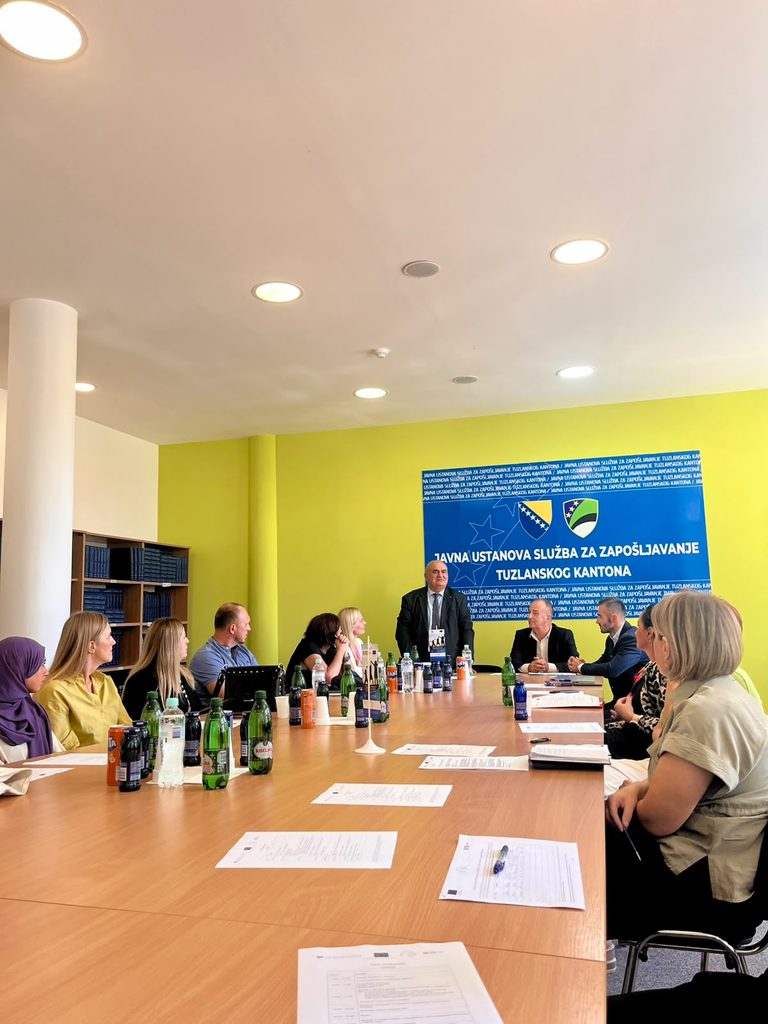
Employment Forum in Tuzla: Connecting Education, Skills and Employment Opportunities
On 18 September 2026, the Roma Education Fund (REF), in cooperation with its partner organisation, the Roma Association “Euro Rom” from Tuzla, Bosnia and Herzegovina, organised an Employment Forum focused on connecting education, acquired skills and employment opportunities for Roma women and men.
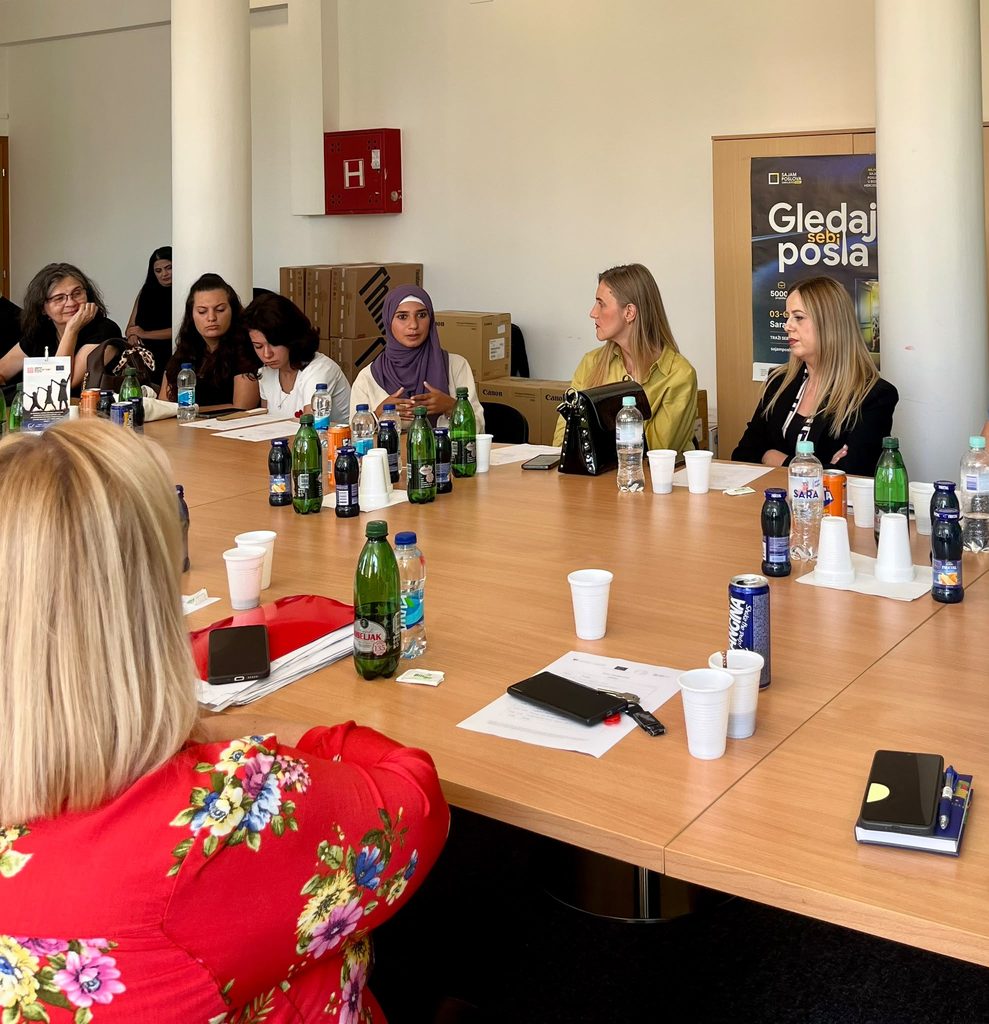
The Forum was held at the premises of the Public Institution Employment Service of Tuzla Canton in Tuzla and brought together representatives of institutions, public employment services, civil society organisations and the private sector. The aim of the event was to engage in an open dialogue on existing opportunities, as well as the barriers faced by young Roma women and men when entering the labour market.
The opening remarks were delivered by Senad Muhamedbegović, Deputy Director of the Employment Service of Tuzla Canton; Emir Spahalić, representing the Federal Employment Agency; Nedžad Jusić, representing the Roma Association “Euro Rom” Tuzla; and Marijana Rakić, representing the Roma Education Fund.
During the first session, the findings of the Policy Analysis Report “Bridging Education with Employment” were presented. Marijana Rakić highlighted the key factors contributing to school dropout, as well as the challenges contributing to unemployment among Roma women and men in Bosnia and Herzegovina.
”For REF, education is the foundation, but employment is one of the key steps towards economic independence and long-term inclusion. That is why it is important for the education system, institutions, employers, civil society organisations and the Roma community itself to engage in dialogue with one another” said Marijana Rakić, Senior Public Affairs Officer at REF Serbia.
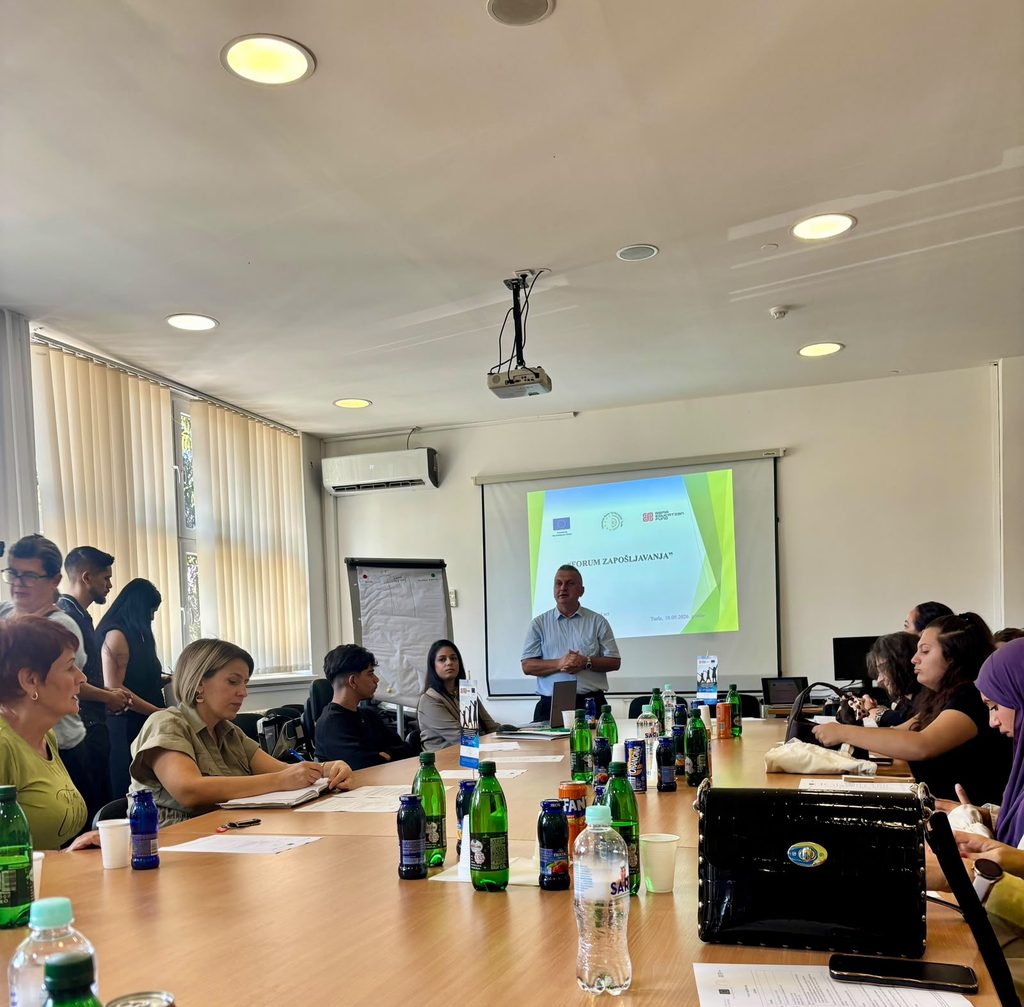
Following this, Larisa Čorbić, Project Manager of the SEC-BIH-03 project “Supporting Roma Secondary School Students through Scholarships, Mentoring and Tutoring in Tuzla Canton”, presented the results of the work of the Roma Association “Euro Rom”. This included data on the number of secondary school and university graduates supported during the period from 2024 to 2026, as well as information on their current status in the labour market.
Particular attention during the Forum was devoted to a discussion on the opportunities and barriers faced by young Roma women and men when seeking employment.
Participants discussed the importance of access to information about job opportunities, support programmes and employment measures, as well as the need to bring existing opportunities closer to young people who are at the beginning of their professional careers. It was emphasised that connecting young people with institutions, employers and organisations providing support can contribute to better access to information and greater use of available opportunities.
The discussion also addressed the challenges that arise during the transition from education to the world of work. For young people who complete secondary or higher education, it is important to establish a stronger link between their educational qualifications and labour market needs, as well as to provide opportunities to gain practical experience and develop the skills sought by employers.
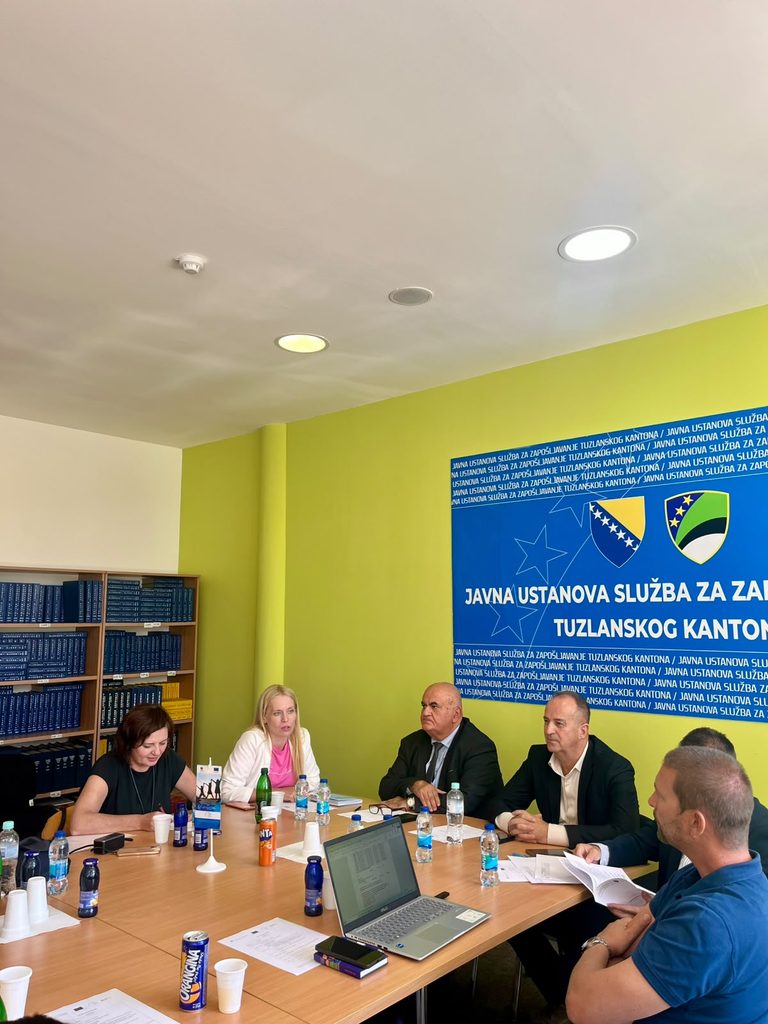
Marina Savković, our Team leader for Skills and Employment emphasized ”What we clearly heard today is that the barriers young Roma face in the labour market are not only a matter of education and access to opportunities, but also of employers’ attitudes and expectations. According to a survey of employers in Bosnia and Herzegovina, only one in ten employers is willing to hire a member of the Roma national minority. Positive examples and the experiences of young Roma show that change is possible, but achieving it requires greater involvement from employers, stronger support from institutions and civil society, and joint programmes that connect young people with concrete employment opportunities.“
Participants agreed that improving the position of Roma women and men in the labour market requires continuous efforts to provide information, empower young people, connect them with employers and strengthen institutional support. Particular importance lies in creating opportunities for young people to present their education, skills and potential directly to representatives of the private sector.
The closing discussion provided an opportunity for participants to exchange questions, experiences and proposals for strengthening cooperation and developing future activities aimed at better connecting education and employment opportunities for Roma women and men.
The Employment Forum was organised within the framework of the SEC-BIH-03 project “Supporting Roma Secondary School Students through Scholarships, Mentoring and Tutoring in Tuzla Canton”, implemented as part of the regional project “Regional Action for Roma Education: Increased Educational Support and Opportunities for Roma Students in the Western Balkans and Türkiye (RARE)”, Phase 2, with financial support from DG ENEST.