From Curiosity to Competence: Roma Students Explore Robotics in Shuto Orizari
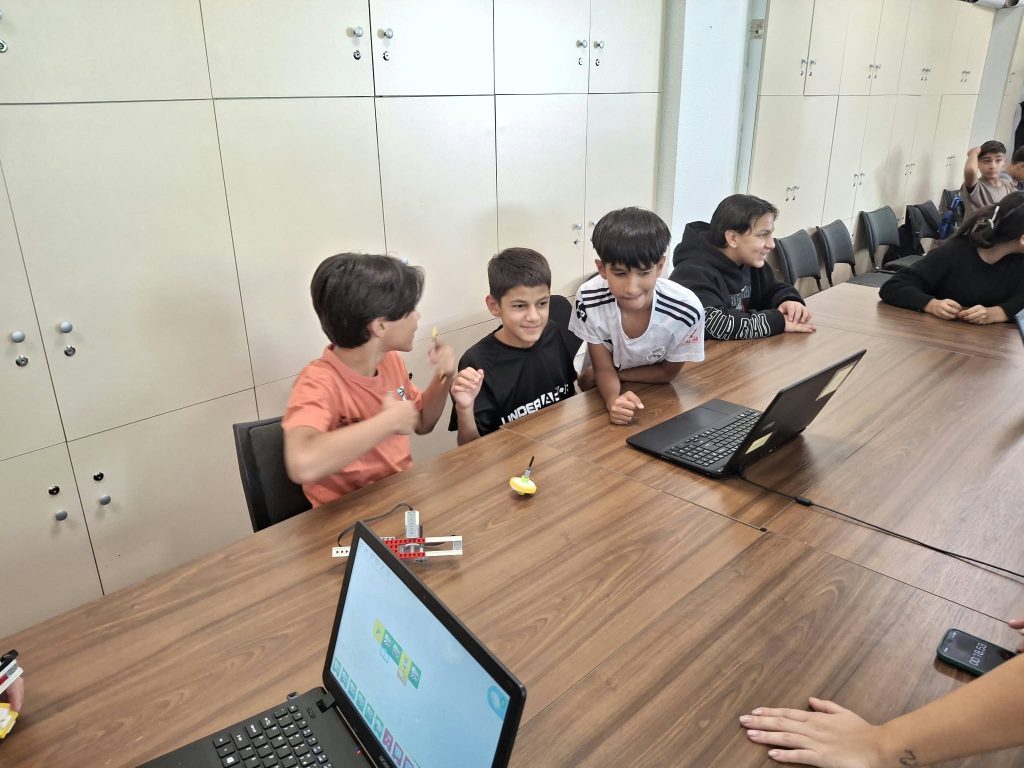
What changes when children move from reading about technology to building, testing, and understanding it themselves? For 45 Roma students from Brakja Ramiz and Hamid School in Shuto Orizari, the answer came through their first hands-on experience with STEM and robotics, organized by the Roma Education Fund North Macedonia.
Computers, LEGO structures, basic programming, and engineering challenges became opportunities to explore how technology works. Instead of learning exclusively from textbooks, students could experiment, make adjustments, solve problems, and discover what they were capable of achieving.
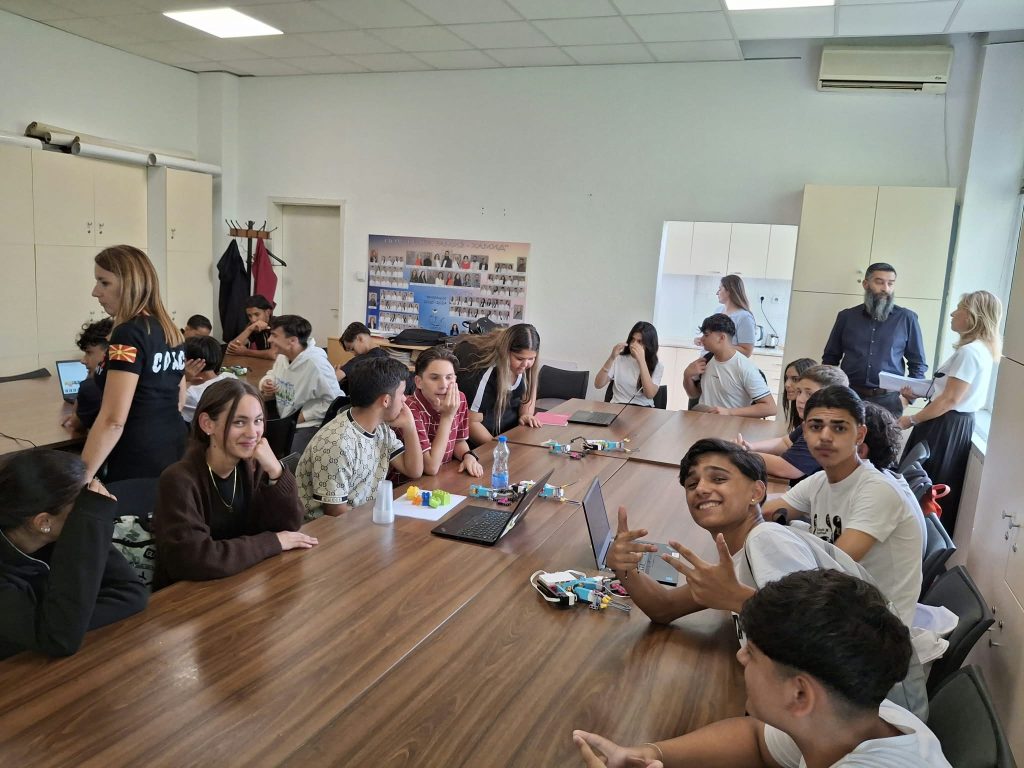
For many participants, it was their first opportunity to engage directly with these technologies. The session demonstrated an important principle behind REF’s educational approach: learning becomes more meaningful when children can apply knowledge, experiment, and develop competencies through practice. Working together to build and test models, students connected mathematics, informatics, and technology with practical challenges. They also practiced collaboration, problem-solving, creativity, and critical thinking. These are competencies that extend beyond a single STEM activity. They form part of the foundation young people need to progress through education, adapt to technological change, and eventually access new professional opportunities.
The experience also reinforced the importance of creating learning environments where children feel comfortable asking questions, experimenting, and making mistakes.
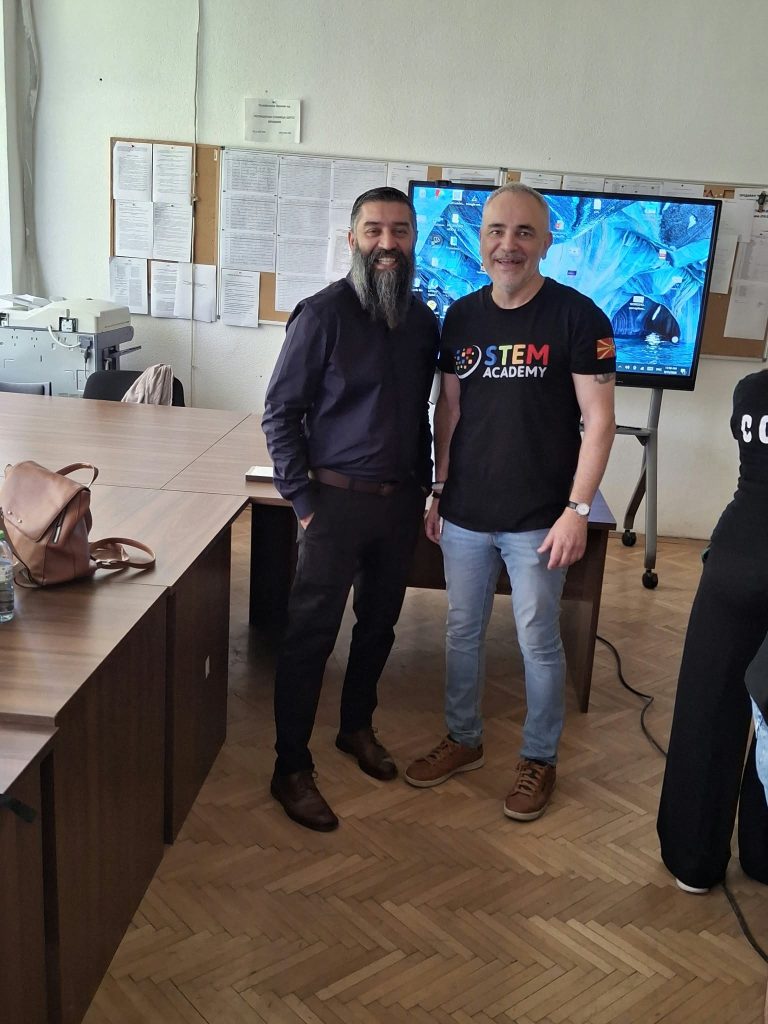
“STEM education must become a priority in national and local education policies. Every child, regardless of their background, deserves the opportunity to explore science and technology through hands-on learning. When children are given these opportunities, they gain confidence, become more engaged in learning, and begin to see new possibilities for their future.” – Redjepali Chupi, REF Roma Human Capital team leader.
Listening to students, improving Education
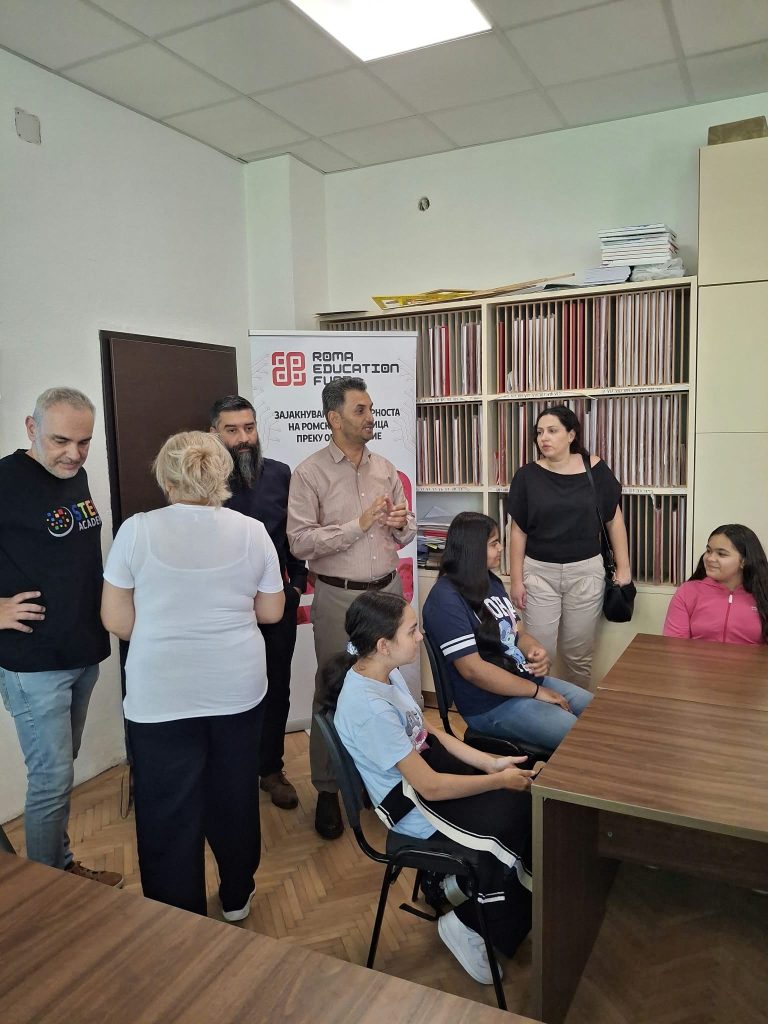
Following the session, REF interviewed five participating students to understand their experiences and gather recommendations for future activities. Their feedback was clear. They particularly enjoyed working with computers, building LEGO structures, and completing practical tasks together. They appreciated the opportunity to learn without the pressure of making mistakes and to collaborate with classmates with whom they rarely interacted. Importantly, the students also had concrete suggestions: organize similar sessions more frequently, involve additional grade levels, and consider holding future activities directly at Brakja Ramiz and Hamid School to make participation easier.
REF is working towards moving beyond occasional STEM activities in Shuto Orizari by investing in the training and professional development of local Roma educators, university graduates, and teachers who will deliver regular STEM and robotics education. This approach will strengthen children’s competencies, create professional opportunities for Roma educators, and establish a sustainable, community-based learning model.