Unlocking Roma Talent for the Green Economy
Roma Education Fund Slovakia (REF) has launched at the beginning of April 2026 the GreenTech Teaching Champions, a four-year initiative designed to connect vocational education with emerging labour market opportunities and strengthen the participation of Roma young people in Slovakia’s green economy. Supported by the Villum Foundation, the project has a budget of approximately €1.13 million
Beginning in the Prešov region before expanding to Košice and Banská Bystrica, the project addresses a persistent challenge: the gap between what young people learn in school and the skills required by employers. For young Roma, particularly girls and women, bridging this gap could open new pathways into technical education, employment and entrepreneurship.
“It is crucial for us that the curriculum about Green Energy reflects Roma realities and places them at the centre of its attention. It means teaching about the future while reflecting on the Roma present. I cannot express how exciting it is to imagine Roma as major contributors to building a sustainable future. To imagine Roma women as leaders of this change… goosebumps.” – Vladimir Horvath, Project director
Europe’s transition towards renewable energy and greener technologies is creating demand for workers equipped to install, operate and maintain increasingly sophisticated energy systems. GreenTech Teaching Champions responds by strengthening the competencies of teachers in electrotechnical and industrial vocational education and training (VET) schools, focusing on renewable energy, green technologies and the Internet of Things (IoT).
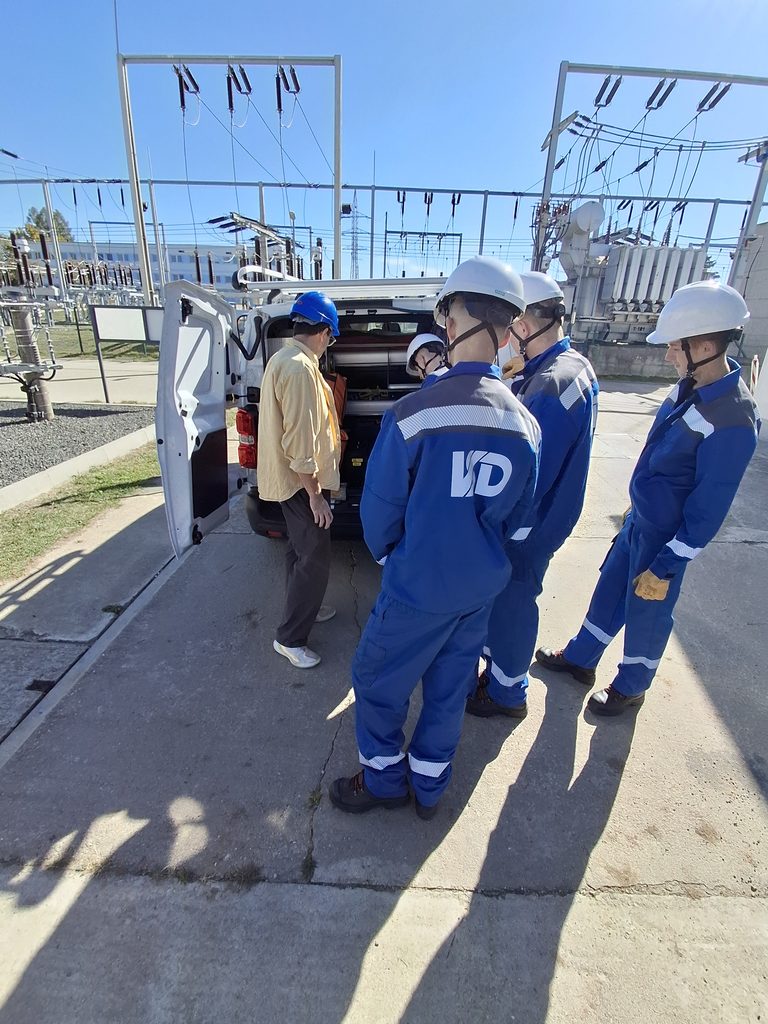
To ensure that the training reflects actual labour market needs, the project is conducting interviews with companies operating across different industries. Preliminary findings point to growing demand for renewable energy skills and highlight opportunities for closer cooperation between vocational schools and employers. Rather than responding to the requirements of individual companies, the project aims to develop technical competencies that will remain relevant as industries transition towards greener energy solutions.
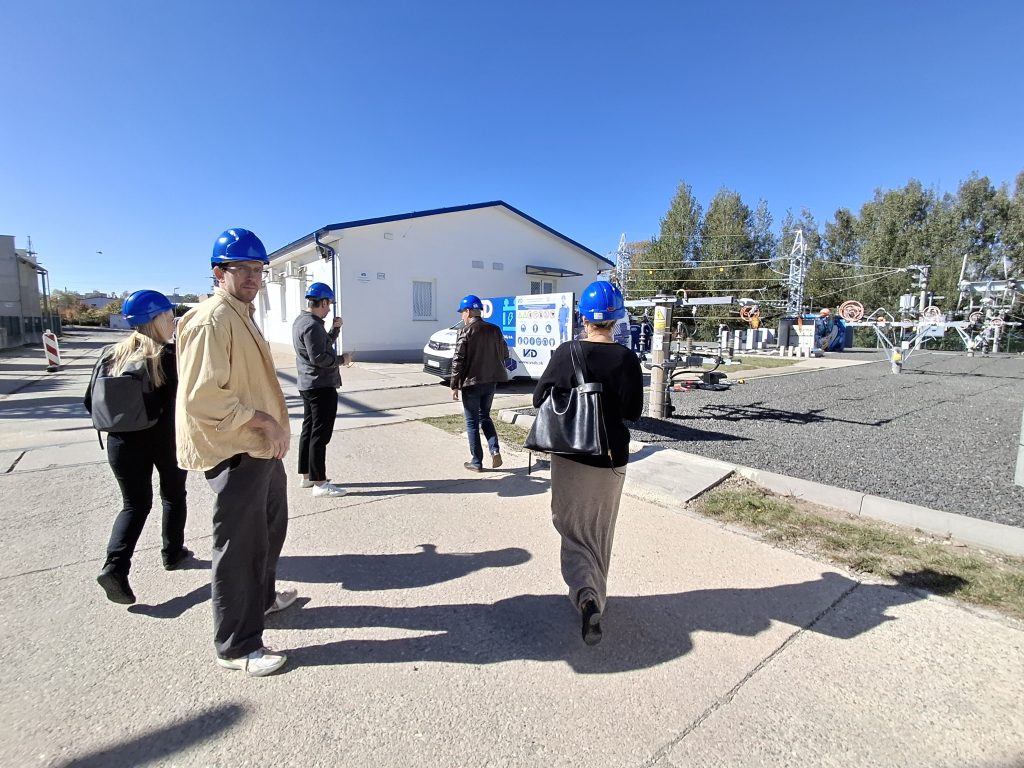
The project has entered its pilot preparation stage, with five vocational schools from Prešov, Bardejov, Poprad and Snina joining the initiative. Each school has nominated two teachers to participate in the training programme. The participating institutions bring complementary expertise, technical facilities and employer partnerships. The REF Slovak team has recently established a Green Energy laboratory, providing a practical environment for future training and an opportunity to encourage more Roma girls to explore technical education and green careers.
Developing an inclusive Green Tech curriculum
A multidisciplinary expert team has been established to develop the project’s Green Tech curriculum. It brings together academics from the Slovak University of Technology in Bratislava, the University of Prešov and the Technical University of Košice, alongside experienced vocational education professionals. The curriculum will combine technical knowledge with inclusive teaching practices, ensuring that inclusion is embedded throughout the learning process rather than treated as a separate subject. This approach recognises that preparing students for emerging industries requires more than updated technical content. It also requires teaching methods and learning environments that enable students from different backgrounds to develop their potential.
Beyond strengthening vocational education, GreenTech Teaching Champions aims to encourage more Roma young people, particularly girls and women, to pursue careers in renewable energy and emerging technologies. Dedicated activities promoting these educational and professional pathways are planned to begin in spring or early summer 2027.
By bringing together vocational schools, universities, employers and inclusion specialists, GreenTech Teaching Champions is laying the groundwork for an educational approach that connects technical skills with real economic opportunities.
For Roma Education Fund, the objective extends beyond preparing young people for new jobs: it is to enable Roma communities to participate in, contribute to and benefit from Europe’s transition towards a more sustainable economy.