Across Borders, Roma Youth Build a Grassroots Model for Inclusion
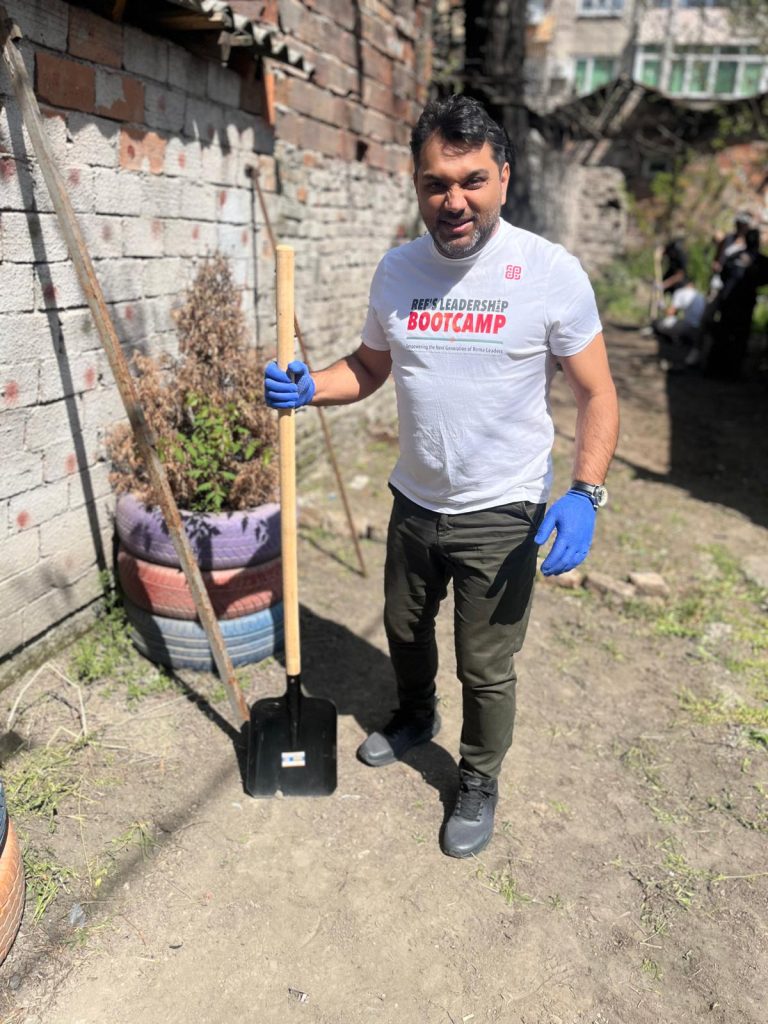
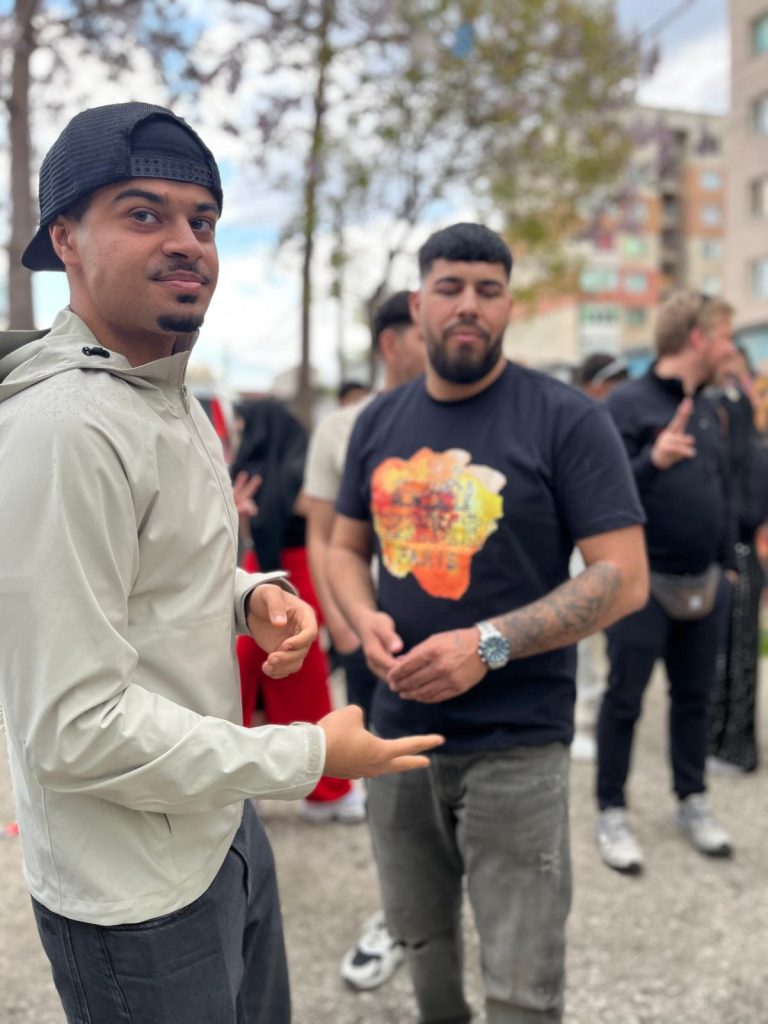
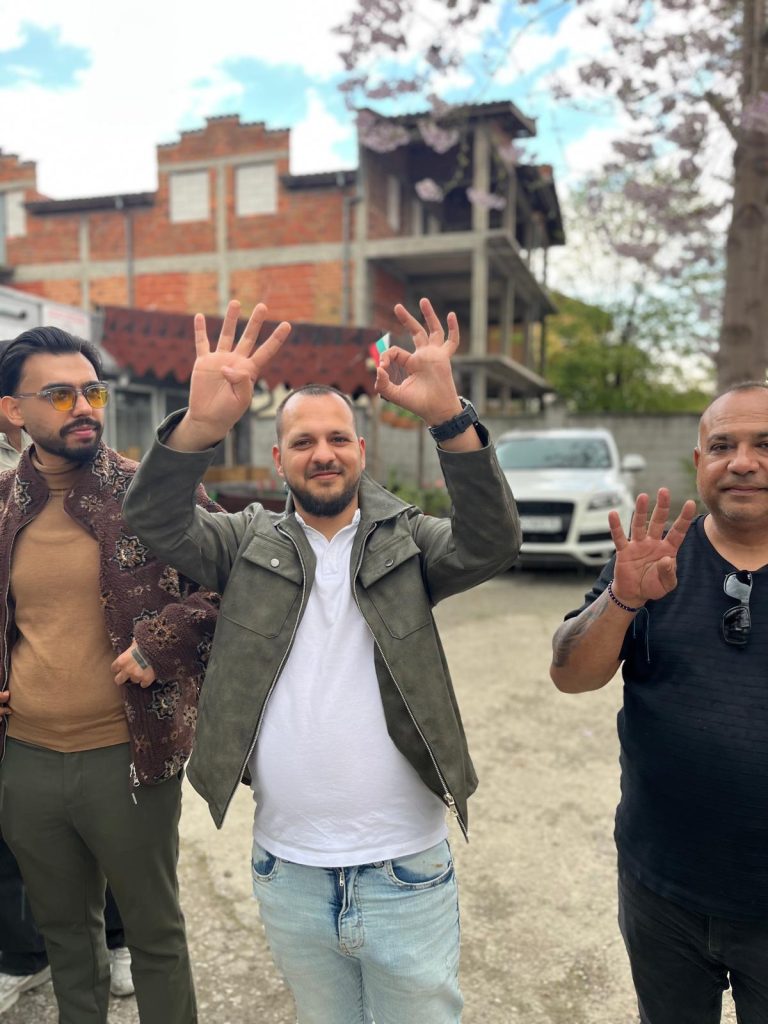
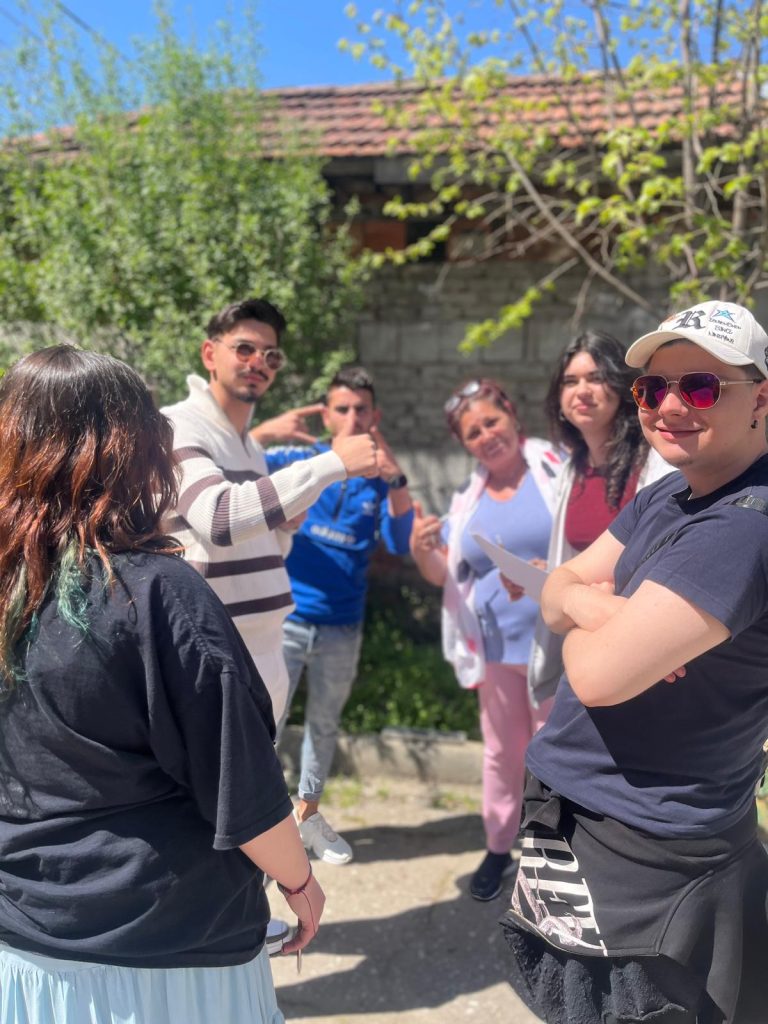
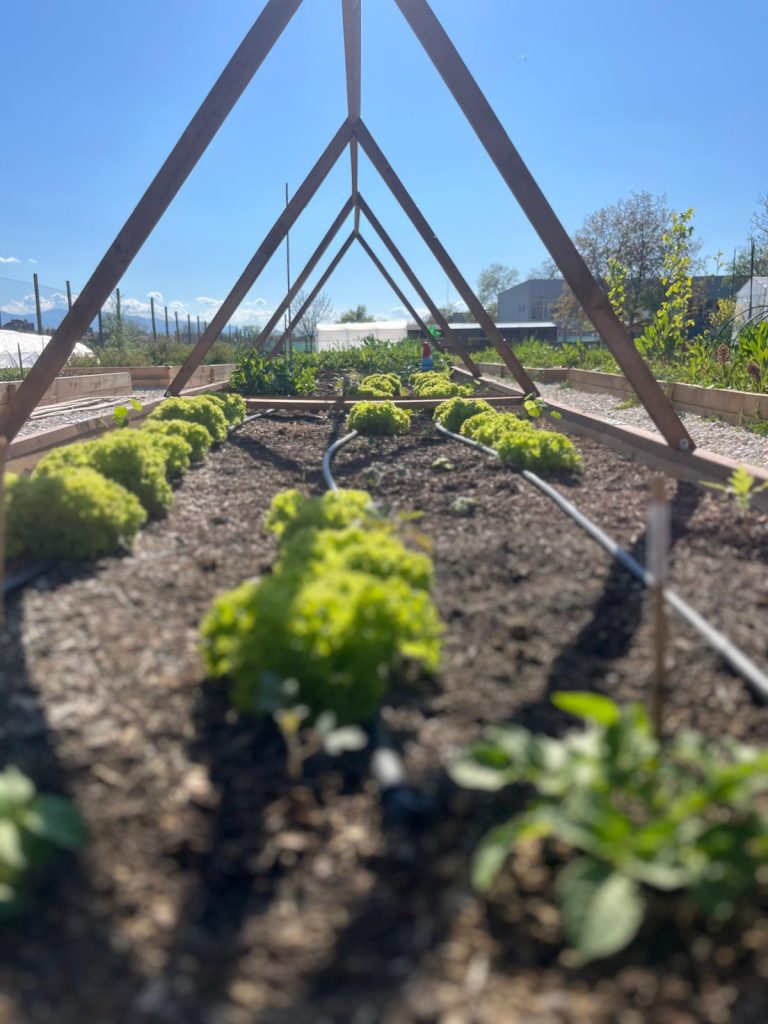
In Plovdiv, young people from Romania, Bulgaria, and Germany are working together to design and build an urban garden in Stolipinovo, one of the largest Romani neighbourhoods in Europe. The initiative, funded by Erasmus+ and the city of Dortmund, brings together ecological action and youth empowerment, with a clear objective: to move young Roma from participants in projects to designers of change in their own communities.
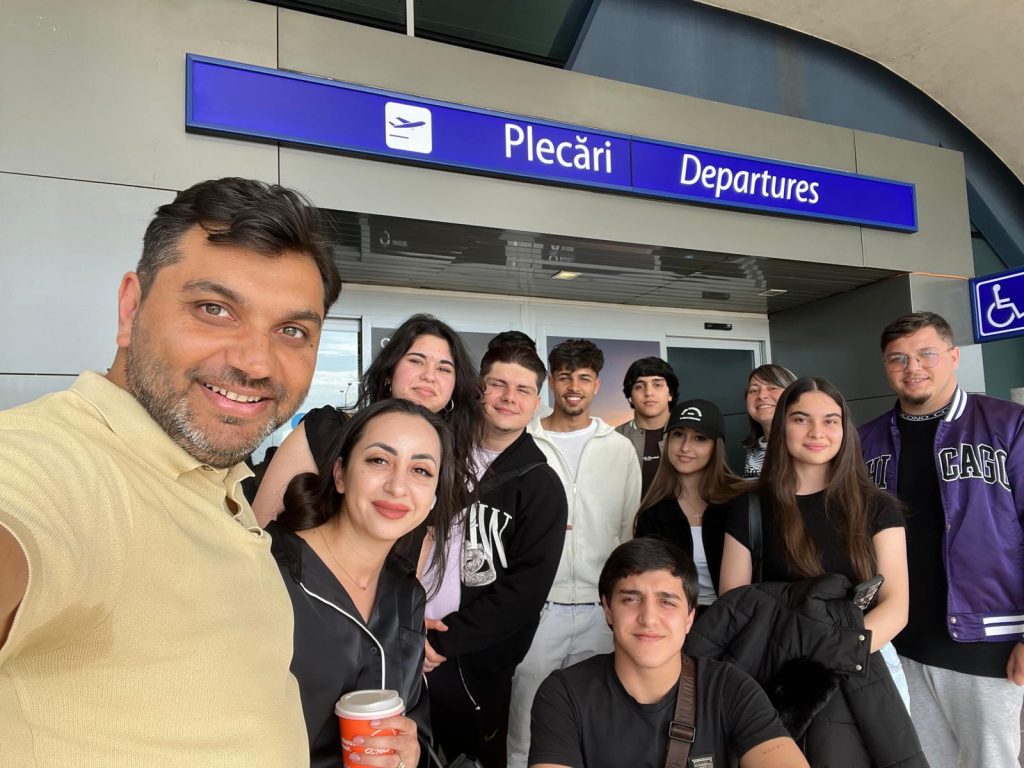
The approach reflects a broader shift in how inclusion is understood. Across Europe, policies have focused on improving access to education and employment. But access alone has not translated into sustained participation or long-term outcomes. This initiative tests a different premise, one that places agency at the centre.
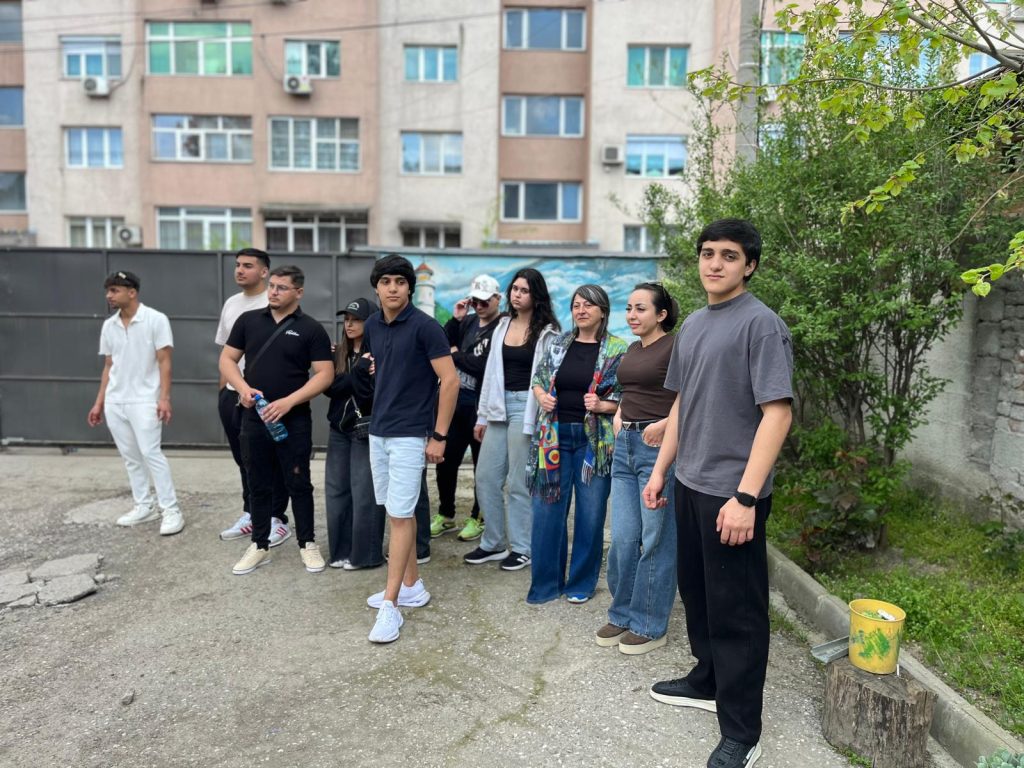
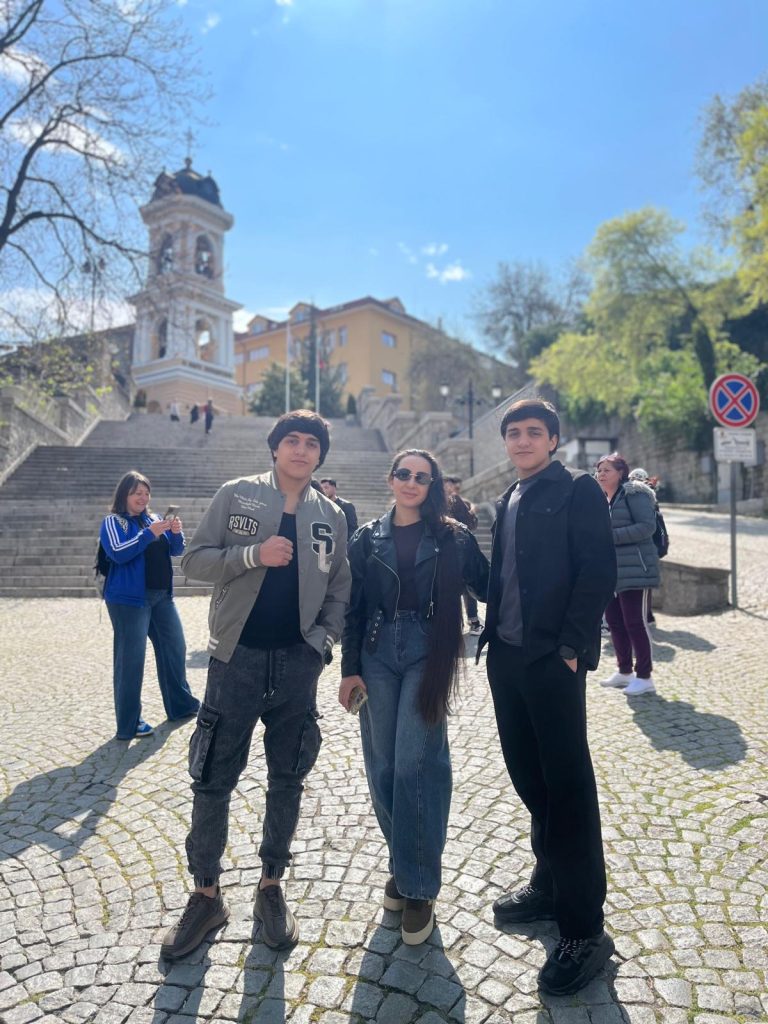
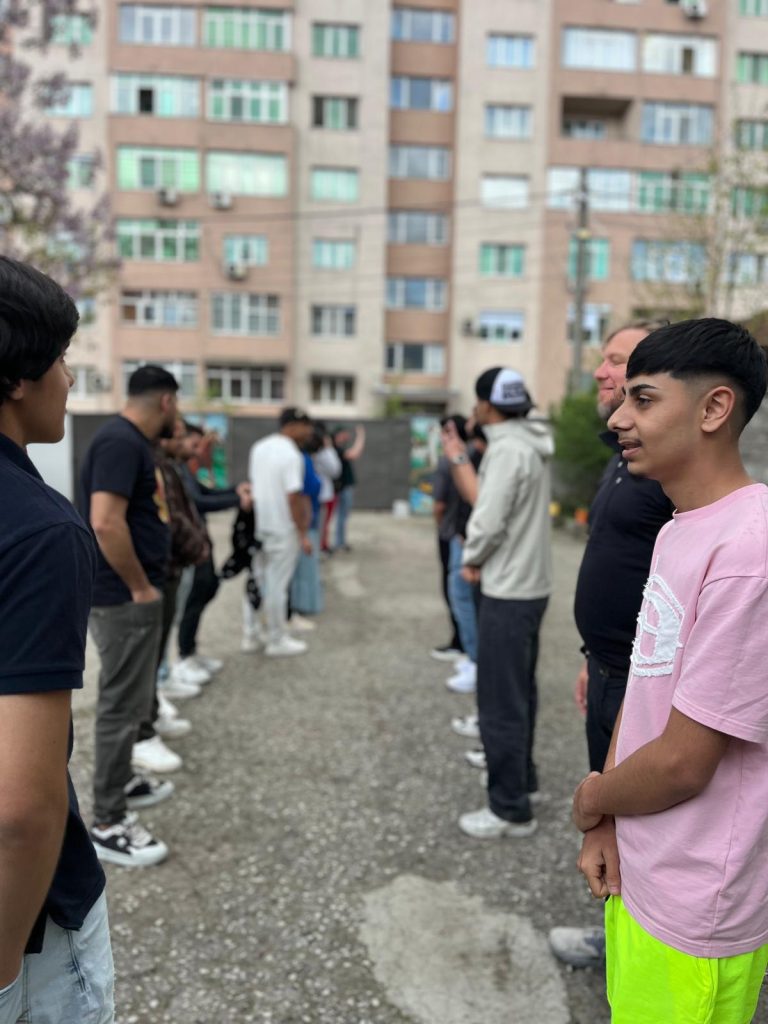
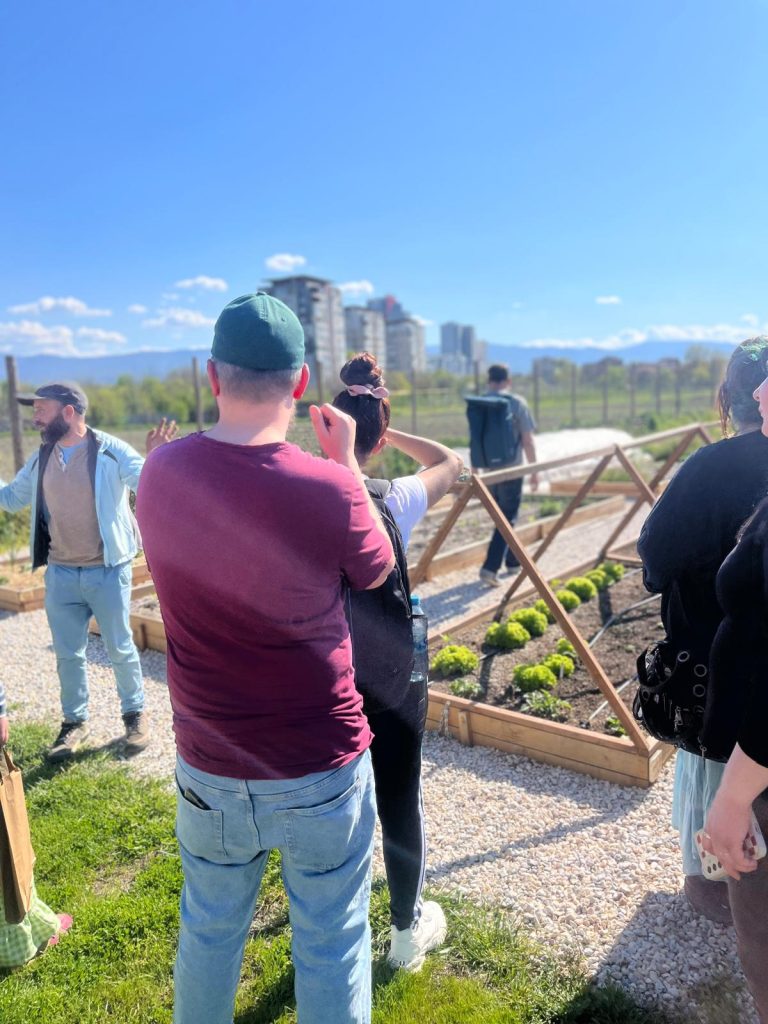
The project began with immersion. Participants explored Plovdiv’s urban environment, including community gardens that have transformed underused spaces into shared assets. These examples served as practical models for what local, small-scale interventions can achieve when ownership sits with the community.
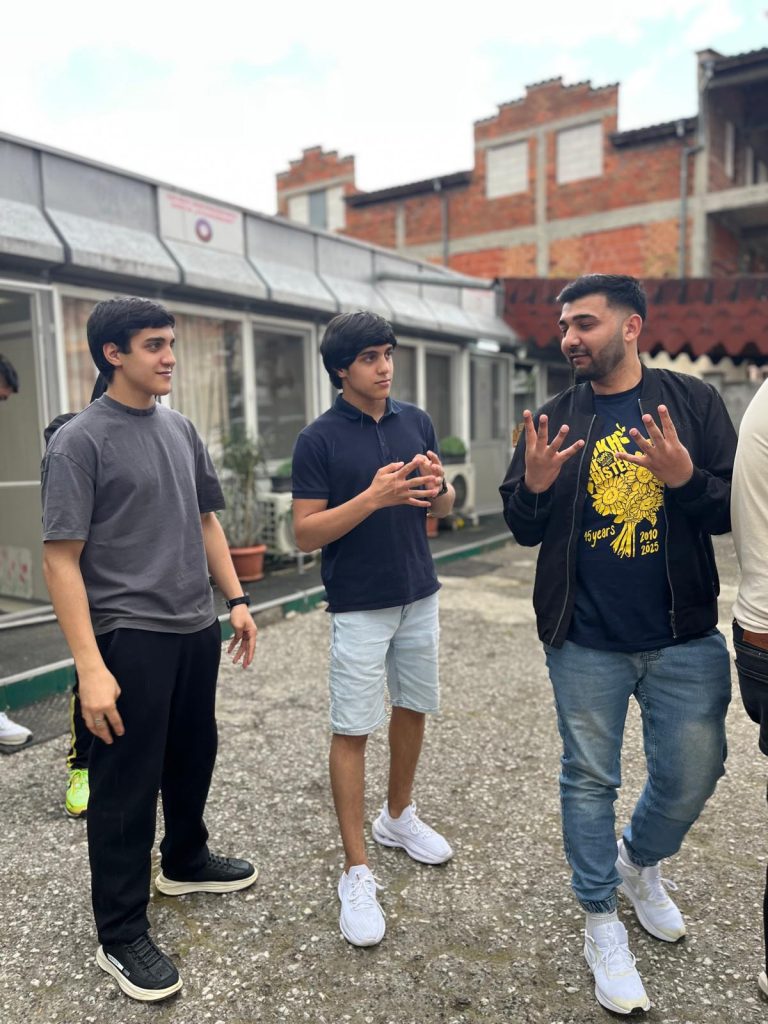
The focus then moved to Stolipinovo. Local youth workers presented ongoing efforts around environmental responsibility and community engagement, grounding the project in lived realities rather than abstract design.
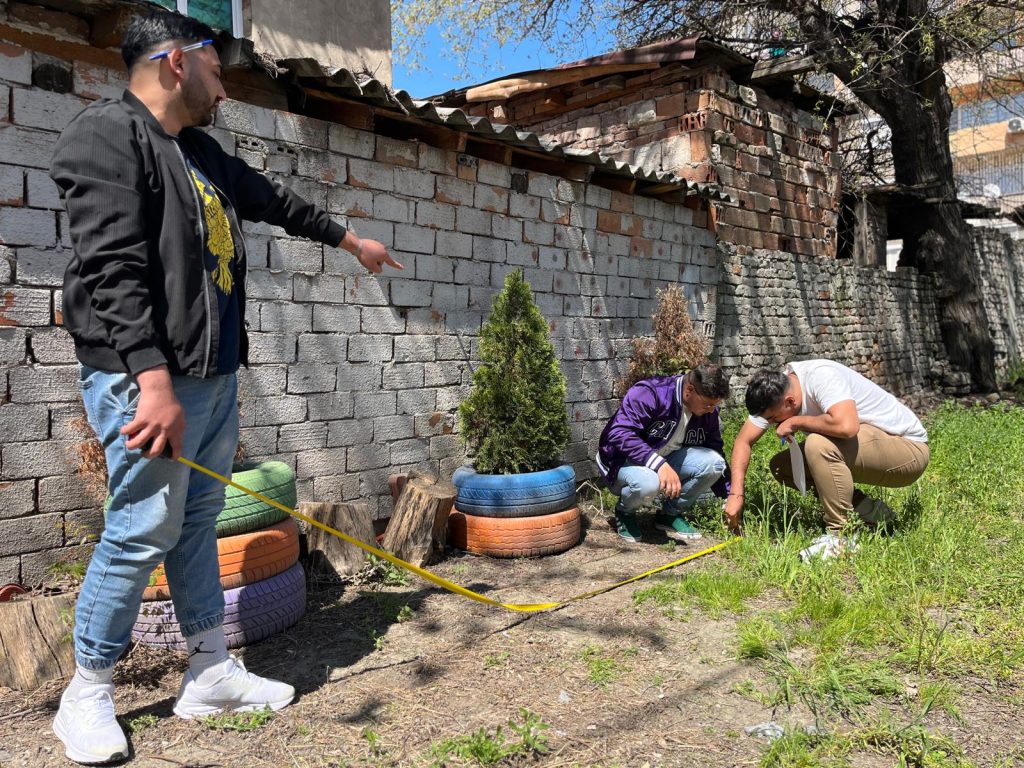
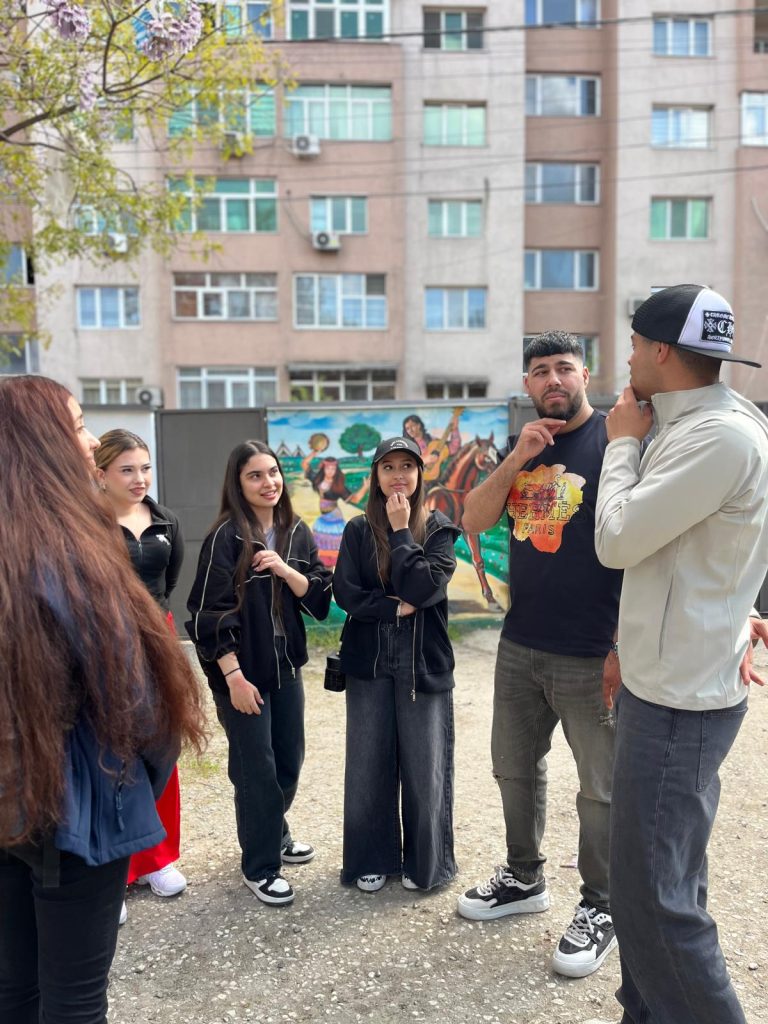
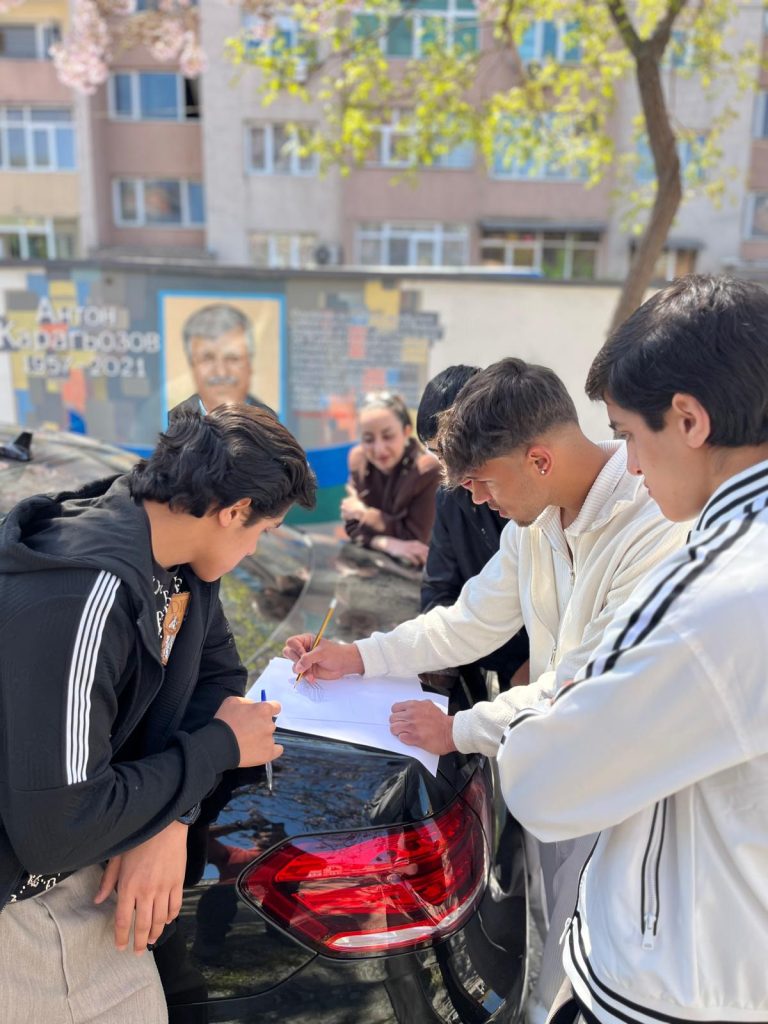
From there, the work became concrete. Together, the group began designing an urban garden that will be built within the community. The process integrates urban gardening, upcycling, and solidarity-based agriculture with local knowledge and cultural identity. It is both a learning space and a public space, designed to serve the community while building skills among those creating it.
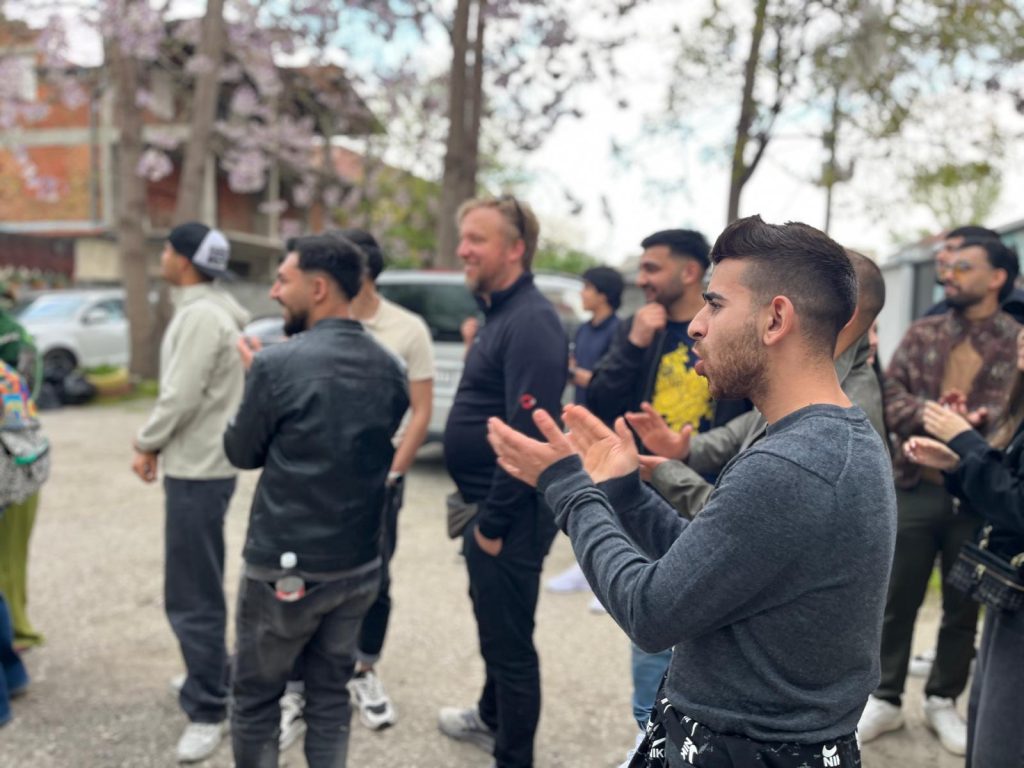
For Roma youth, the significance is structural. Opportunities to lead, design, and implement are limited within existing systems. This initiative creates a framework where young people take responsibility, make decisions, and see direct results of their work, strengthening both competence and confidence.
„The goal of the project is to empower members of the Roma community near Plovdiv to develop their own space where they can interact with one another as well as with visitors. In this way, they will imprint their sense of identity on the place where they live, inviting outsiders to come closer, get to know them, and spend time together.
The project is also very rewarding because it brings together young people from different countries, regions and spaces to share their vision of what such a space should look like, and then to collaborate to build something special for this community, a place that is both inviting and enjoyable to be in, as well as productive and sustainable. The final goal of the project is for young people to replicate the experience they’ve had here and try to initiate similar projects back home in their own countries and communities.”
Alexandru Zamfir, project manager REF
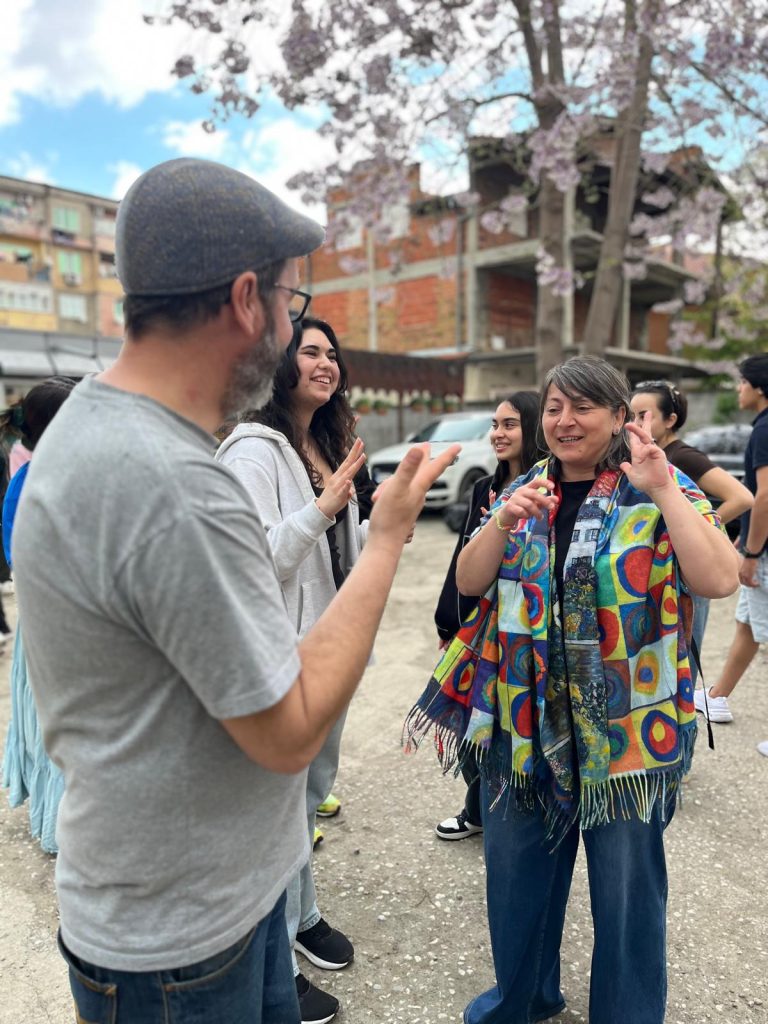
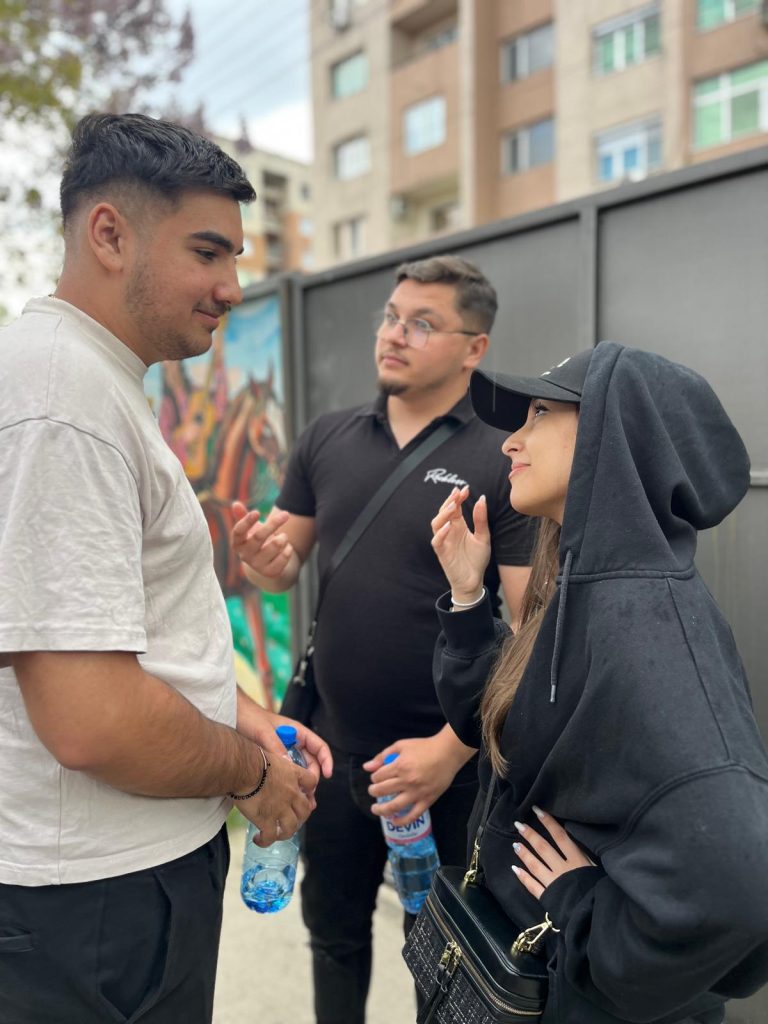
The cross-border dimension adds another layer. By bringing together participants from different countries, the project fosters collaboration beyond national contexts and challenges persistent stereotypes. These exchanges are not symbolic, they create networks that can support future initiatives and scaling.
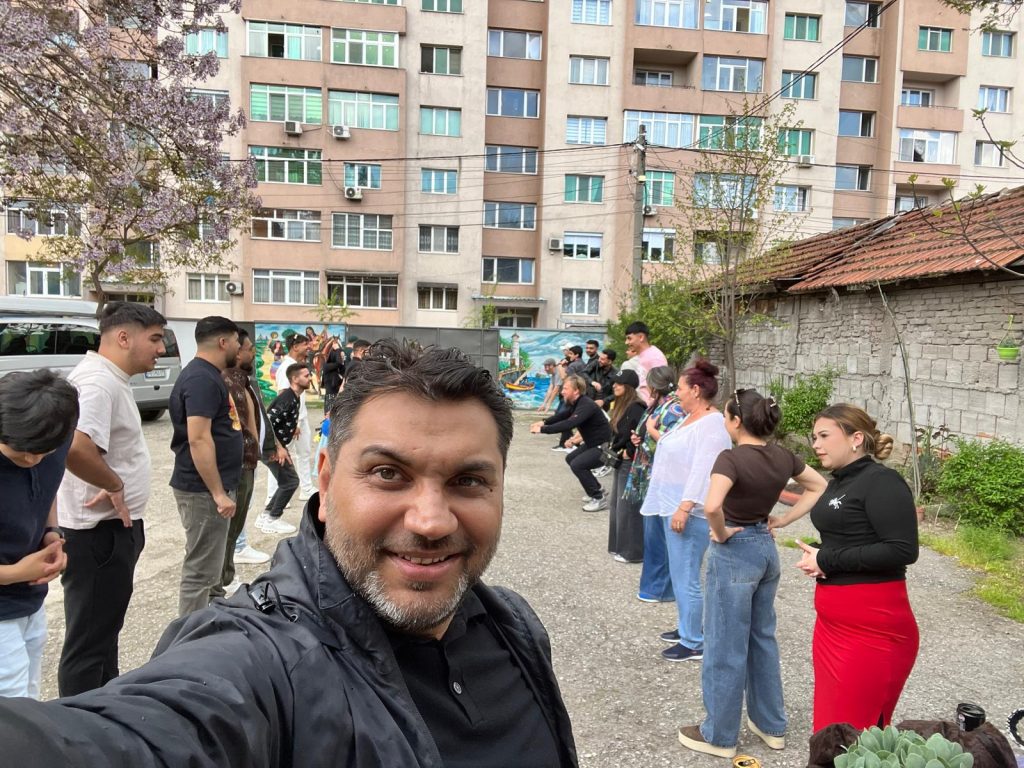
The long-term objective is not the garden itself, but what follows. Participants return to their communities with practical skills and a different understanding of their role, equipped to act as multipliers, initiate similar actions, and contribute to local development processes.
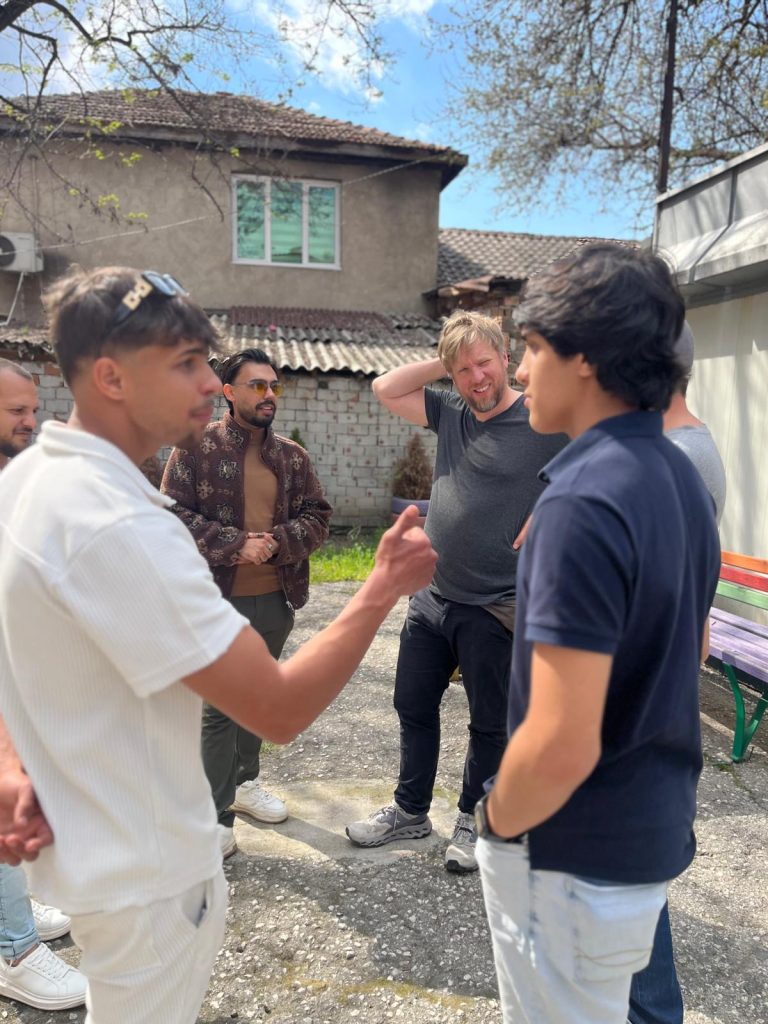
„We quickly became friends with the colleagues from Bulgaria and Germany. Even though we come from different countries, we discovered that we have many things in common, and that brought us closer very quickly. The Romani language was a true connection between us, because it helped us communicate more easily and made us feel that we belong to the same community, even though each of us comes from a different part of Europe.
During these days, we visited the city and the Roma community where we will work, and the experience was very interesting and valuable. We understood better the reality of the place and the needs of the people here.
The idea of cooperating with other young people is very important, because together we can come up with better solutions and learn from one another. I believe that these urban gardens will have a positive impact both in the short term, by improving the space and involving the community, and in the long term, by developing responsibility and stronger connections between people.” –
Sorina-Maria Urdoi, participant
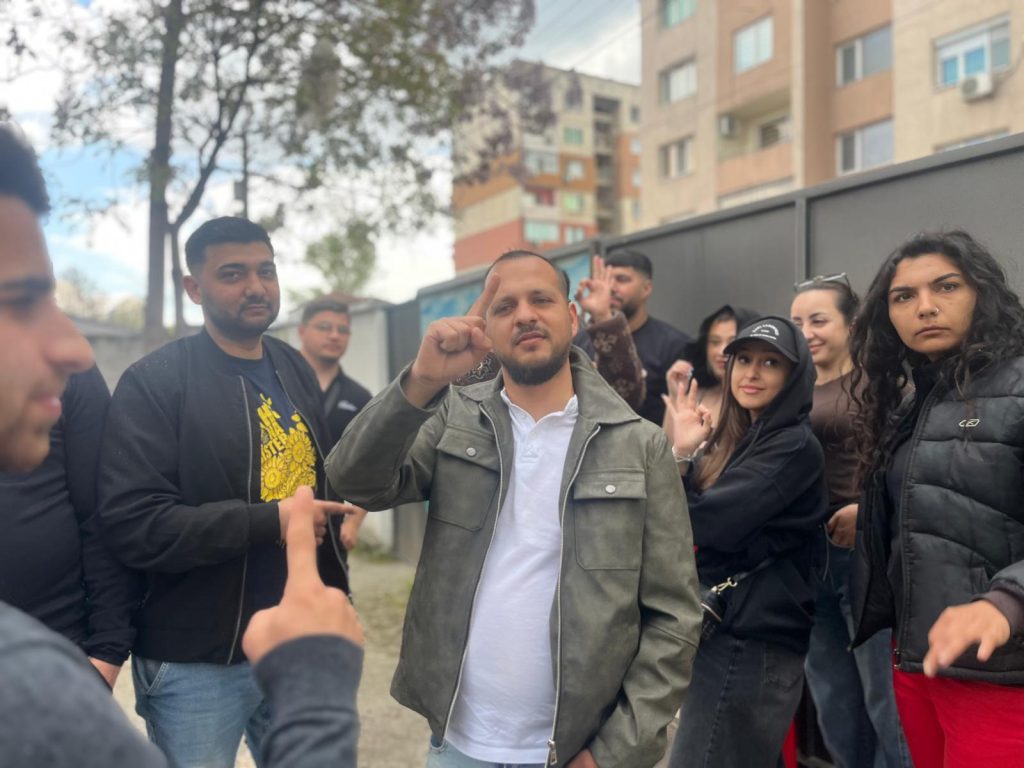
If the project proves anything, it is this: inclusion works differently when it moves beyond access and starts with agency. When young people are trusted to design, decide, and deliver, outcomes are no longer temporary, they begin to sustain themselves.
Implemented by GrünBau Dortmund in partnership with the Stolipinovo Youth Club and Roma Education Fund Romania, the project is still in its early stages. But its direction is already defined: change is more sustainable when it is designed from within.