Advancing Education-to-Employment Pathways for Roma Youth in the Western Balkans and Türkiye
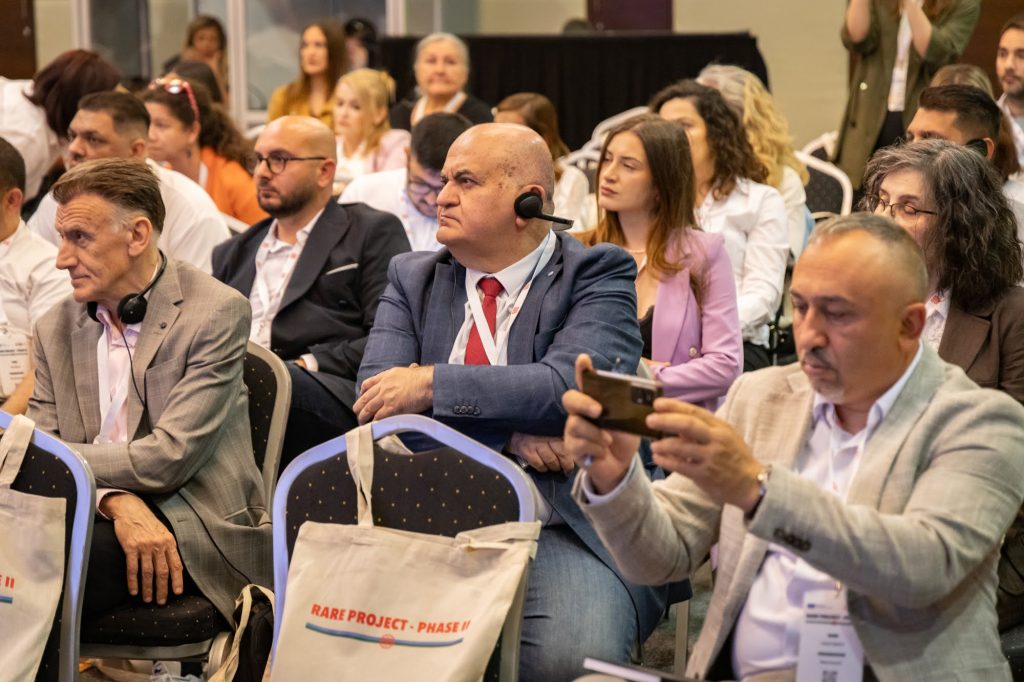
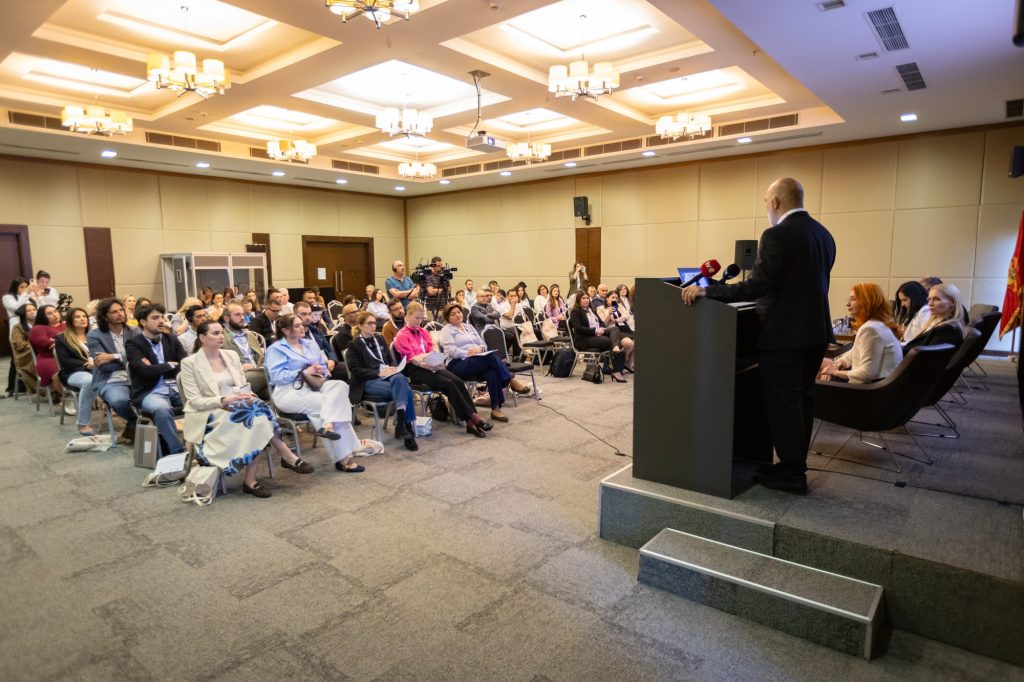
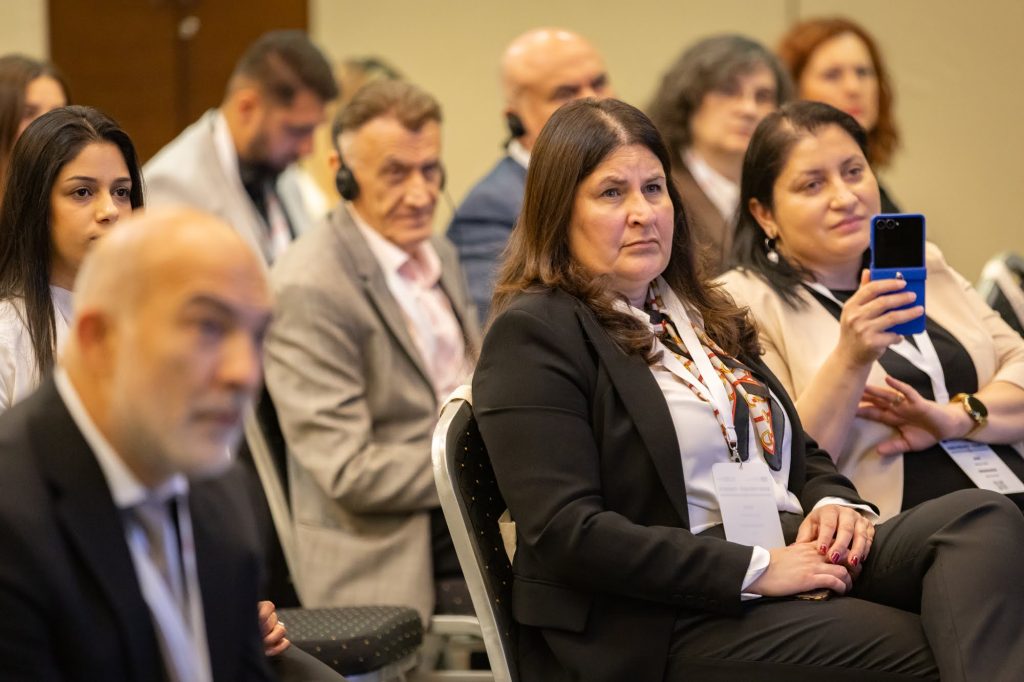
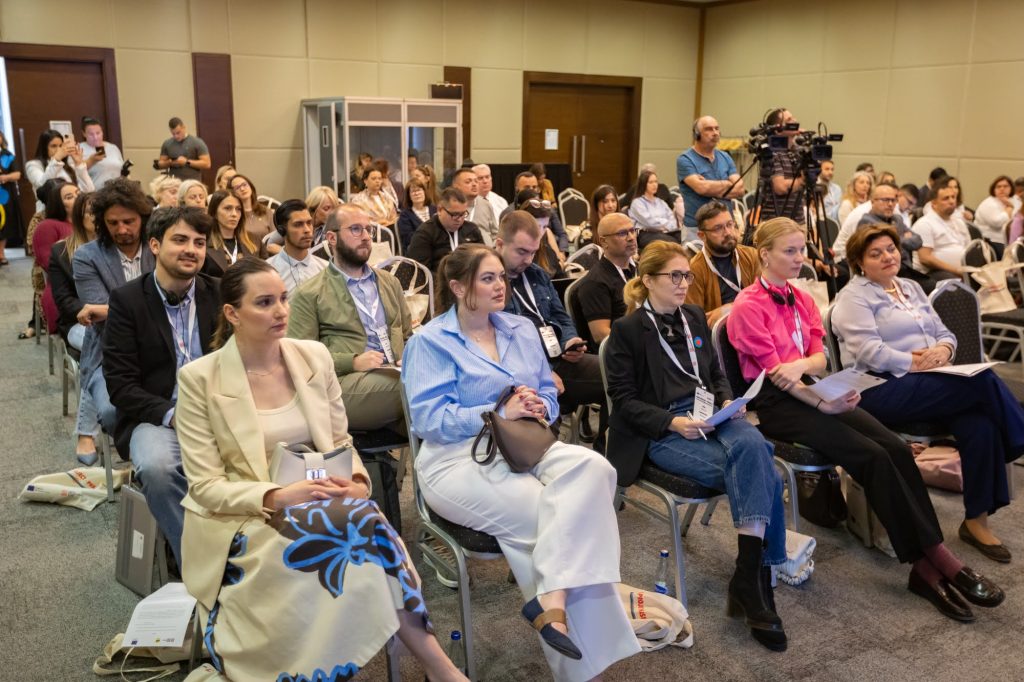
Podgorica, 28 April 2026 – Europe is running out of time to ensure its education systems translate into real employment outcomes and one of its youngest populations, Roma youth, continues to be left behind. At a regional event hosted by the Roma Education Fund (REF), in partnership with HELP – Hilfe zur Selbsthilfe, policymakers, experts, and practitioners gathered in Podgorica to confront a growing paradox: while labour shortages are intensifying across the Western Balkans and Türkiye, Roma youth remain largely excluded from both quality education outcomes and formal employment.
The conference and the accompanying Regional Policy Report were developed by REF within the framework of the EU Regional Action for Roma Education (RARE) Phase II, funded by the European Commission Directorate-General for Enlargement and the Eastern Neighbourhood.
The discussion comes at a critical moment for Europe’s labour markets and reflects a broader systemic challenge, how to move from access to education toward outcomes that lead to economic participation. This shift is at the core of REF’s current strategy, which focuses on building direct and sustainable pathways between education systems and the labour market.
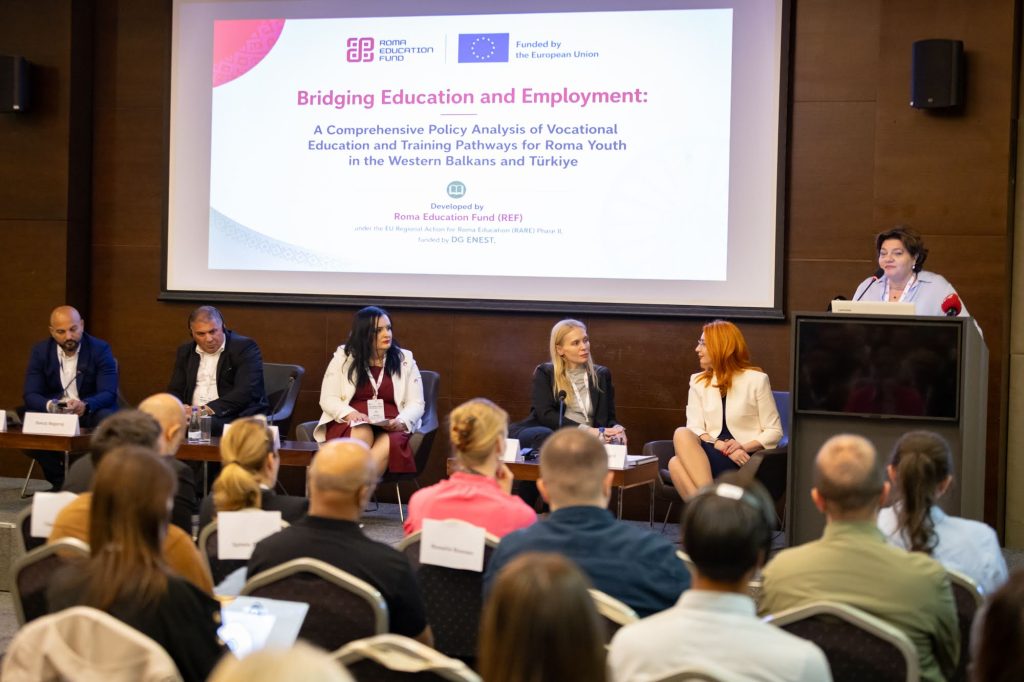
The event marked the launch of the policy report “Bridging Education and Employment,” developed by the Roma Education Fund under the EU-funded Regional Action for Roma Education: Increased Education Support and Opportunities for Roma Students in the Western Balkans and Türkiye (RARE), Phase II. The report assesses the effectiveness of vocational education and labour market integration policies across seven countries, compares national approaches, analyses the key barriers and enabling factors shaping Roma youth transitions, and maps existing systems to inform actionable, evidence-based recommendations. The analysis also incorporates a gender lens, highlighting disparities in participation, outcomes, and access to opportunities for Roma girls and young women.
Opening the event, Ciprian Necula, Executive President of REF, set the strategic direction for this transition:
“If education is not connected to social and economic realities, it cannot deliver outcomes. Too often, education systems prepare people for opportunities that do not exist. If we want real impact, investments in education must be aligned with labour market demand and future needs. At the Roma Education Fund, we aim to design interventions based on real conditions and develop models that can be taken forward by governments and scaled within public systems. Because a person without education and without a job is unlikely to participate meaningfully in society, strengthening the link between education and employment is not only an economic priority, but a democratic one.”
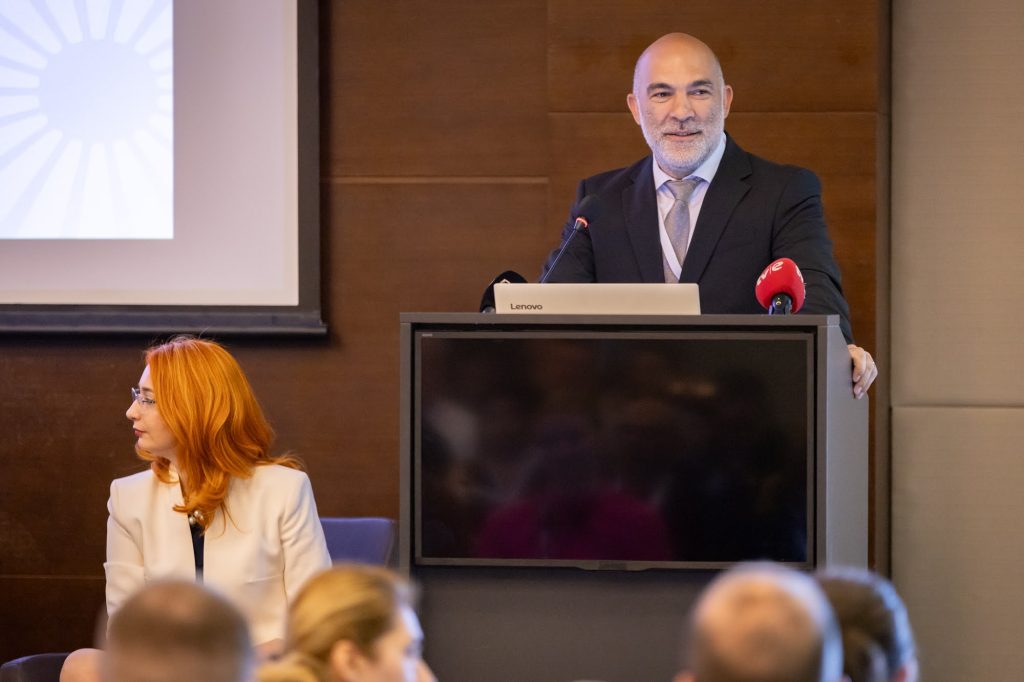
He was followed by Symela Tsakiri, Team Leader at the European Commission’s Directorate-General for Enlargement and Eastern Neighbourhood (DG ENEST), who highlighted the role of EU support in advancing inclusive education and employment pathways across the region:
“The study we are presenting today clearly shows the need to move from informal to formal employment and to boost entrepreneurship. There is untapped potential within the Roma population that we must cultivate.”
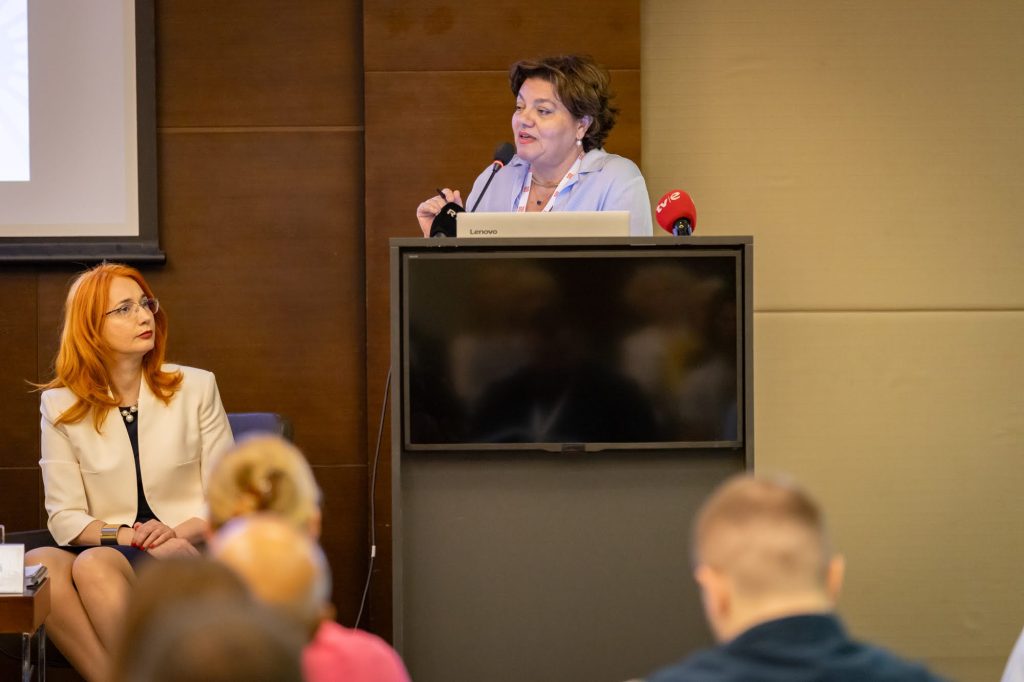
A central theme throughout the discussions was the role of vocational education and training (VET). While VET systems are widely established, they often fail to translate into employment, particularly for Roma youth, pointing to a disconnect between education systems and labour market demand.
The discussion continued with Panel I: Policy Leadership for the Future of Work, moderated by Claudia Craiu, Public Affairs Director at REF:
“Building a pipeline from education to employment is essential, and this is at the core of REF’s Skills and Employment strategy. But for this to work, it must become systemic, embedded into public systems and delivered at scale. This requires a closer partnership between policymakers and organisations like REF, which are already testing and implementing models that work.”
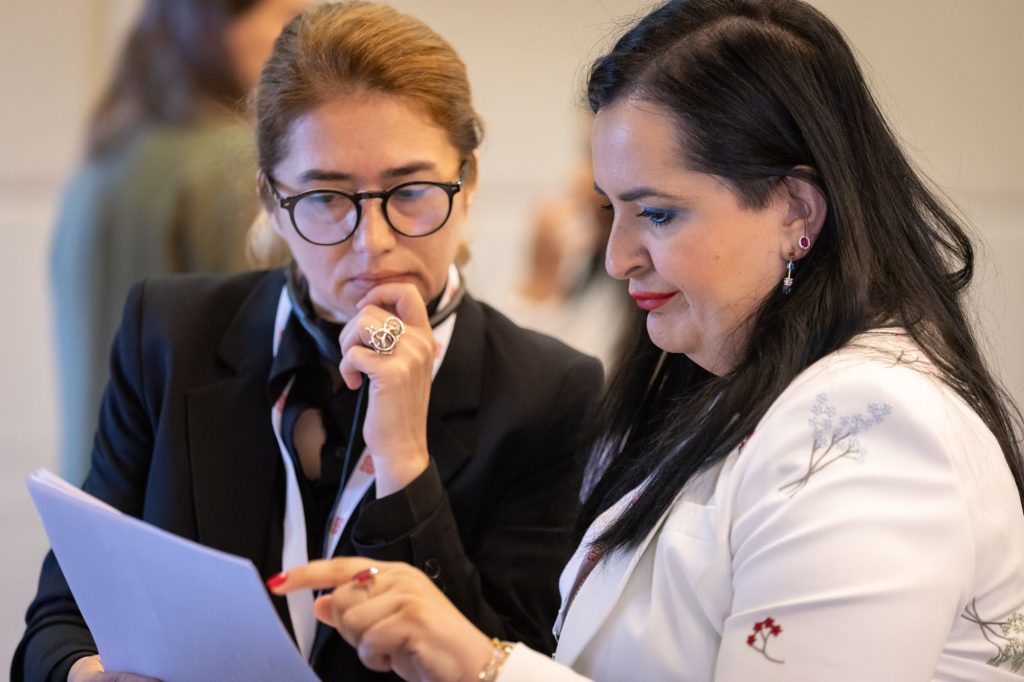
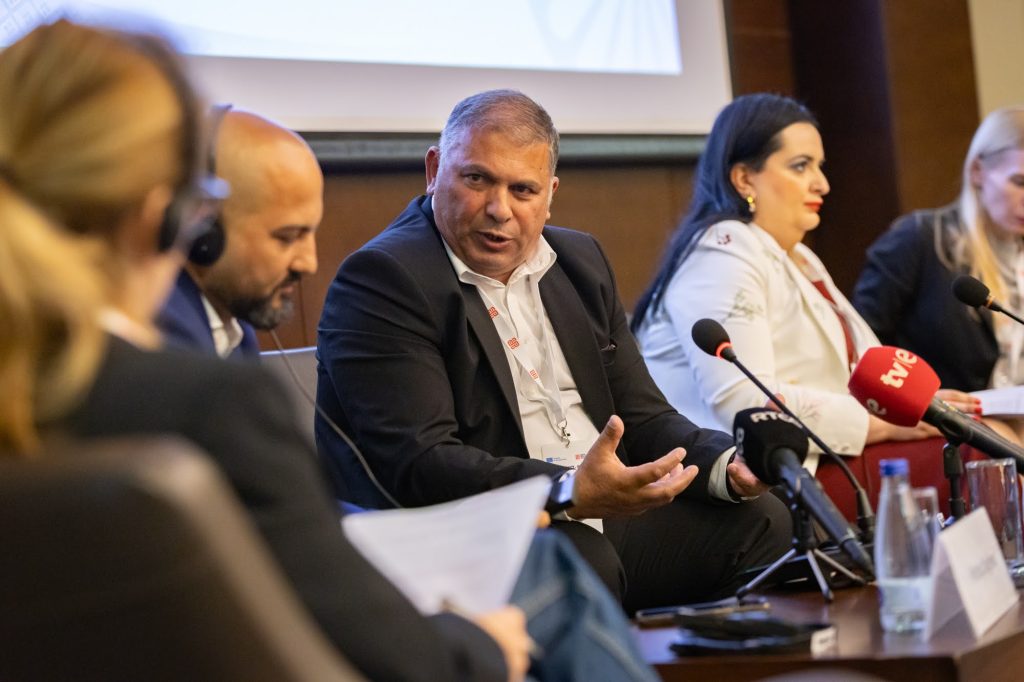
The panel brought together government, policy, and practitioner perspectives. Naida Nišić, Montenegro’s Minister of Labour, Employment and Social Dialogue, highlighted the challenge of translating policy commitments into tangible labour market outcomes, while Sokolj Beganaj, National Contact Point for Roma Issues, brought forward the realities of how these gaps are experienced at the community level.
“Montenegro faces a clear imbalance between labour demand and supply, while a significant part of the Roma and Egyptian population remains outside the labour market. This shows that the issue is not only access to jobs, but whether education systems are equipping people with the skills needed to participate. If education does not provide these skills, then this is where we must act. Human potential is the most valuable resource any country has, and our priority is to ensure that this potential is effectively supported and integrated into the labour market” – Naida Nišić, Montenegro’s Minister of Labour, Employment and Social Dialogue.
From the private sector perspective, Dr. Petrică Dulgheru, Executive Director of the Roma Entrepreneurship Development Initiative (REDI), highlighted the structural barriers facing Roma entrepreneurs. The discussion was grounded in evidence by Prof. Dr. Georgeta Pânișoară, habilitated doctor in Educational Sciences and professor at the Faculty of Psychology, University of Bucharest, Romania, and lead author of the report. With extensive experience in research, training, and international academic engagement, her work focuses on learning psychology, motivation, and the mechanisms that support resilience and performance. Her contribution brings together academic expertise and applied policy insight, offering a deeper understanding of the challenges shaping education-to-employment transitions, particularly for Roma youth.
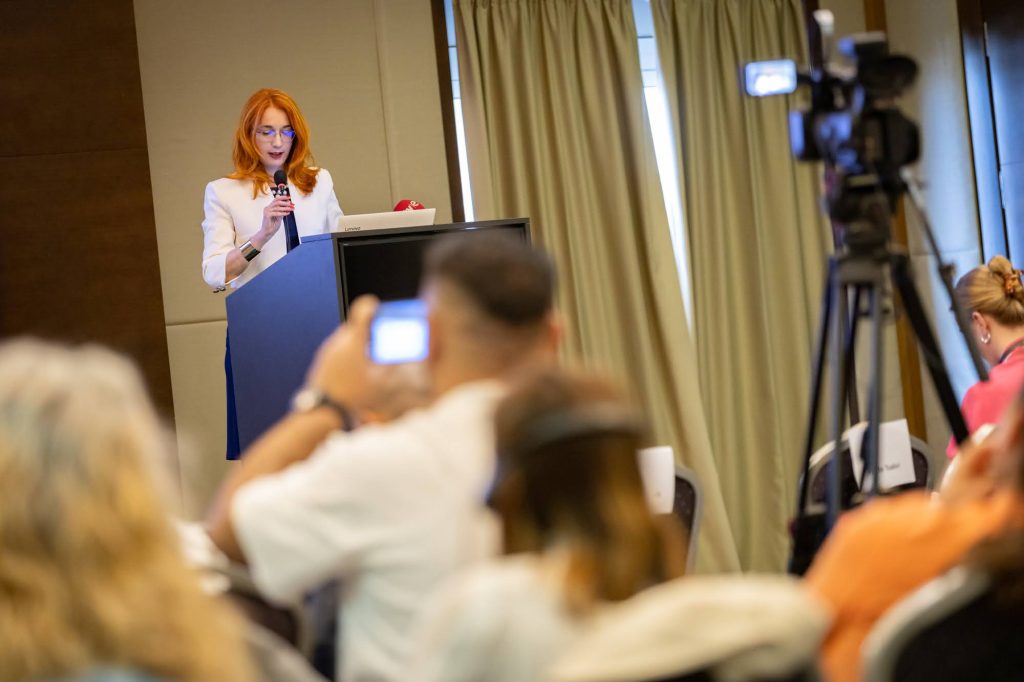
Bringing a solutions-oriented perspective, Dr. Marina Savković, Team Leader for Skills and Employment within the REF Network, highlighted what works in practice when education pathways are directly linked to employment outcomes.


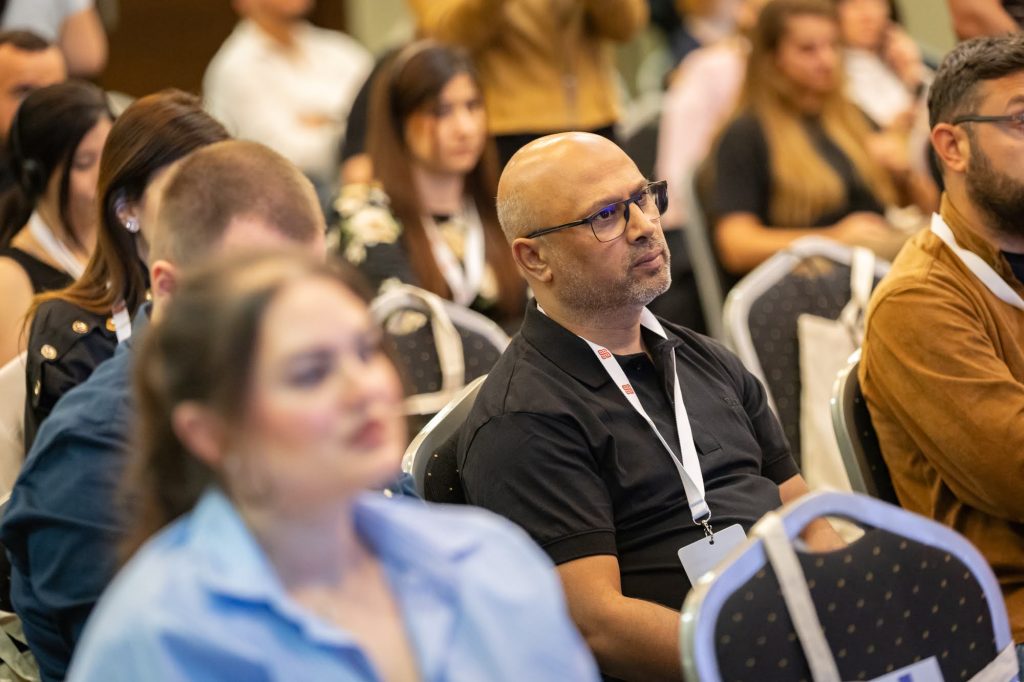
Across interventions, a common message emerged: policy ambition is not the constraint, system coordination and execution are.
The event continued with Panel II: From Evidence to Action – Scaling Good Practices, moderated by Marina Savković. The session brought together practitioners working directly on education and employment pathways for Roma communities, including Barbara Jovanovic (REDI Serbia), Dijana Anđelić (HELP Montenegro), Dijana Vujačić (Economics High School “Mirko Vešović”), Baran Çağlar Çetinkaya (Zero Discrimination Association, Türkiye), and Nardi Ahmetović (NGO “Carep”).
The discussion focused on concrete examples of what works, from vocational training and mentoring to employer-linked programmes, and on the conditions required to scale these models. A central theme was the need to move from isolated projects to system-level solutions through stronger institutional ownership, coordination, and long-term investment.
Evidence presented at the event pointed to integrated models, combining financial support, mentoring, and direct employer engagement, as the most effective approach, yet still the exception rather than the rule.
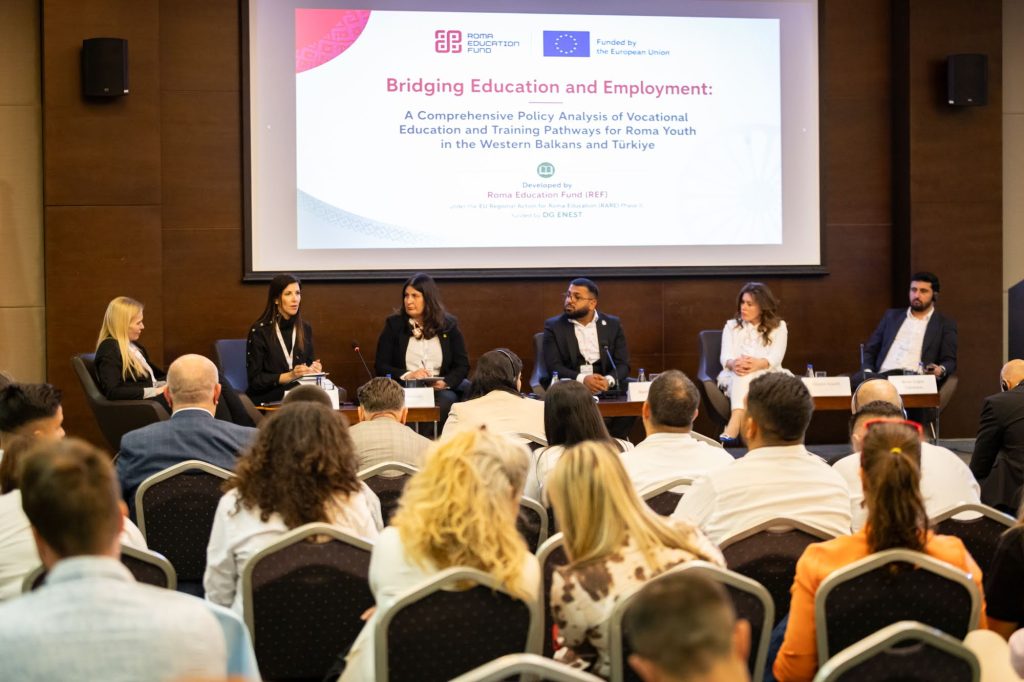
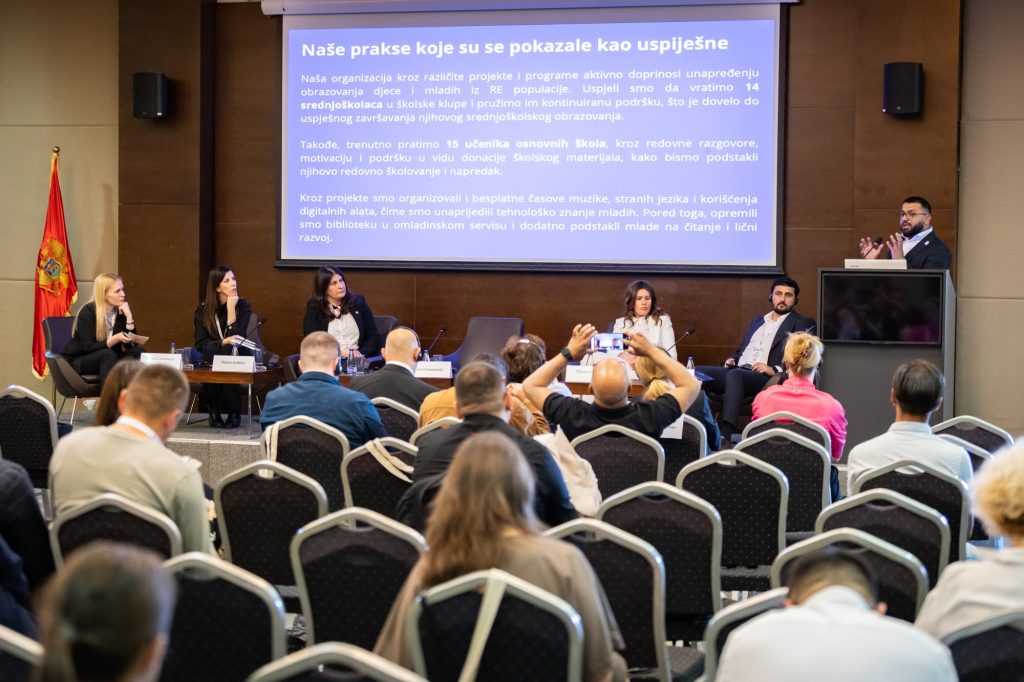
The report’s findings confirm this gap. While policy frameworks are largely aligned with EU priorities, implementation remains weak. Coordination between education, labour, and social systems is fragmented, and successful interventions often remain small-scale or dependent on external funding.
The day concluded with a substantive discussion with secondary and tertiary students participating in the Regional Action for Roma Education: Increased Education Support and Opportunities for Roma Students in the Western Balkans and Türkiye (RARE), Phase II, in Montenegro, bringing forward first-hand perspectives on the needs and daily challenges they face.



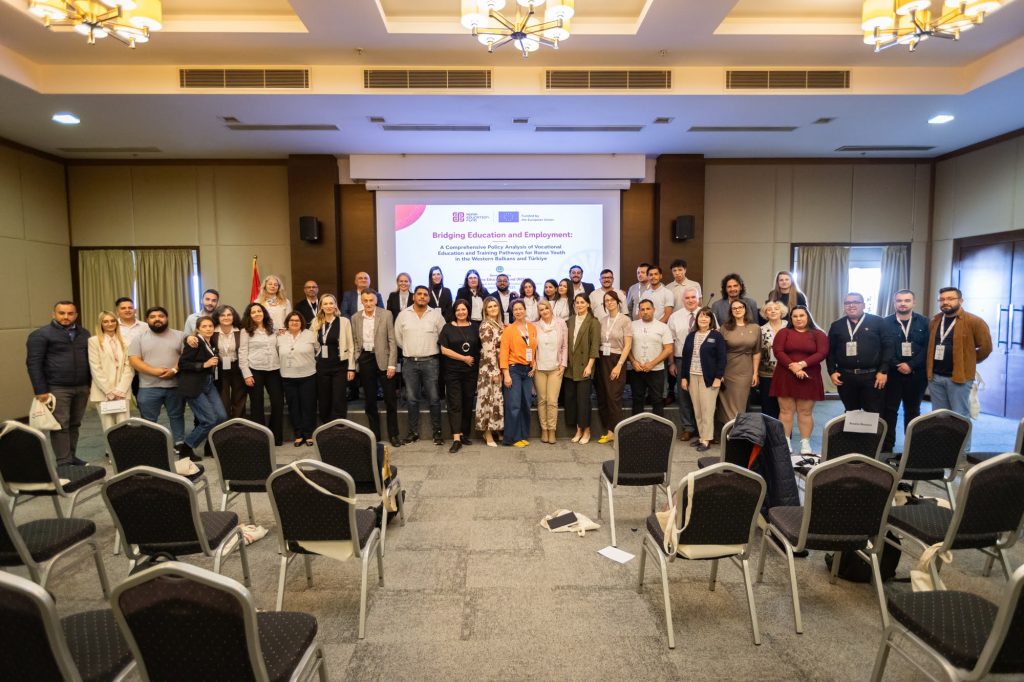
For more than two decades, REF has supported Roma students across the region. Today, its strategy places increasing emphasis on connecting education outcomes with labour market participation through models that link skills development directly to employment opportunities and that are designed to be replicated and scaled within public systems.
As Europe looks to strengthen its competitiveness and resilience, the question is no longer whether inclusion is necessary, but whether systems are capable of delivering it. Because the cost of failure is not only social, it is economic.
The full report, “Bridging Education and Employment,” developed under the Regional Action for Roma Education: Increased Education Support and Opportunities for Roma Students in the Western Balkans and Türkiye (RARE), Phase II, can be downloaded HERE.
“I believe the launch of this report is only the first step in a broader process of systemic change. The report presented in Montenegro will be actively disseminated to relevant stakeholders and public institutions across the other six project countries, with the aim of fostering evidence-based dialogue and improving public policies for Roma communities. We hope that its recommendations will be integrated into national strategies, strengthening support mechanisms for Roma youth transitioning from education to the labour market. In the coming period, we will continue to promote regional cooperation, the exchange of good practices, and the engagement of key actors to turn these findings into concrete and sustainable actions” – Monica Calin, project manager the Regional Action for Roma Education: Increased Education Support and Opportunities for Roma Students in the Western Balkans and Türkiye (RARE), phase II project.