Rebuilding Hope: How Ukrainian Adolescents Process Displacement, Stress, and Resilience
Posted on May 12, 2026 by admin3
In educational and developmental psychology, young people’s ability to adapt to major change is deeply connected to how they perceive, represent, and process new realities. For children and adolescents who have experienced forced displacement, emotionally integrating the transition becomes a critical step in their educational and social journey. In the aftermath of a destabilizing event, the way young people internalize hardship often determines their ability to persevere.
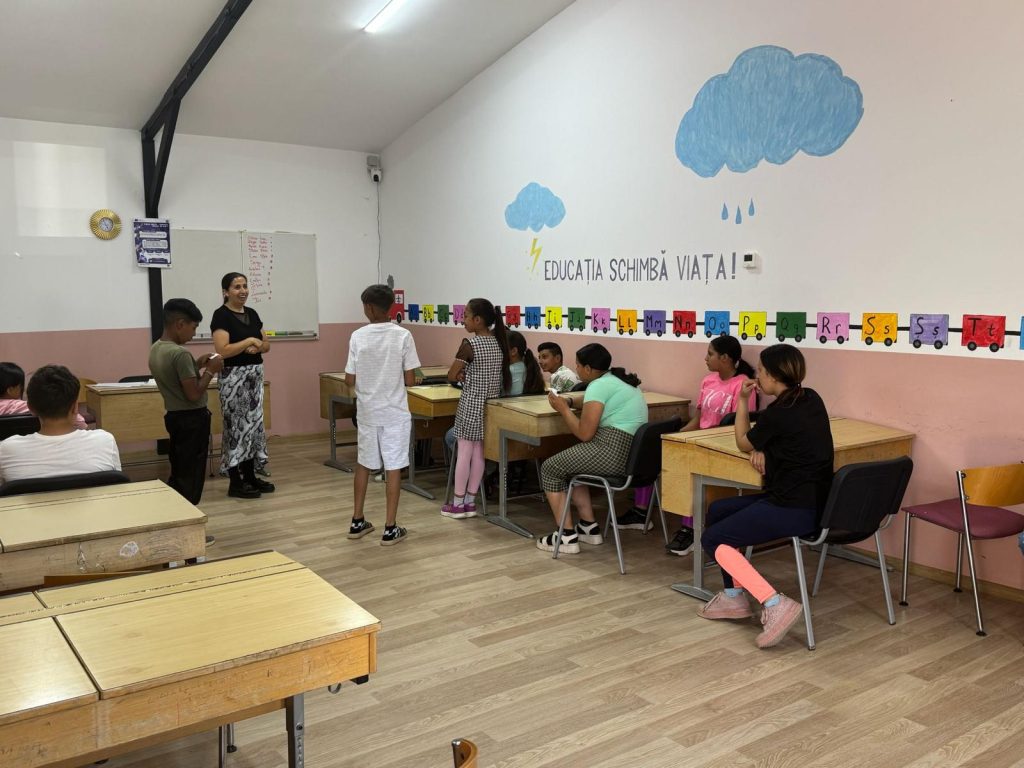
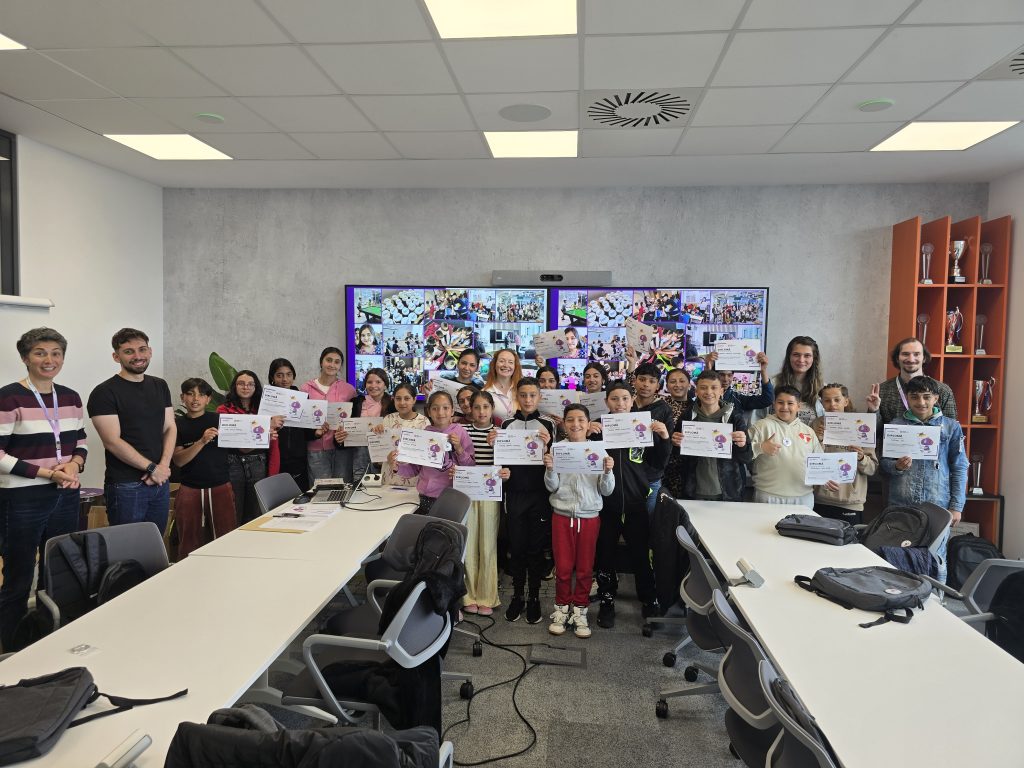
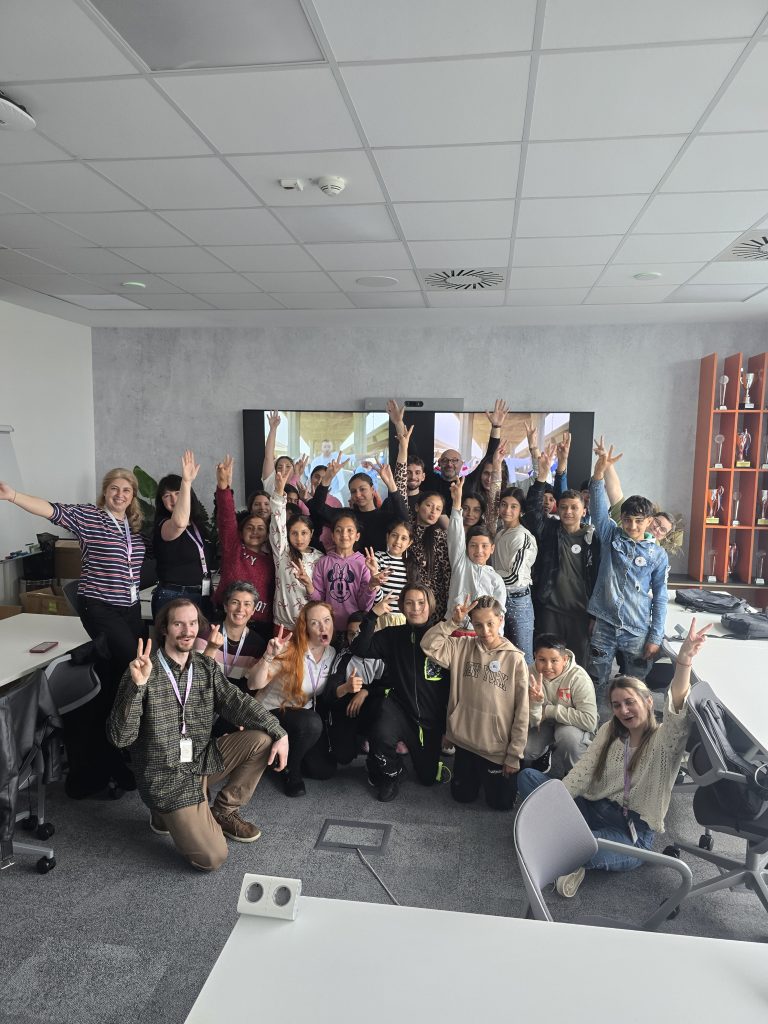
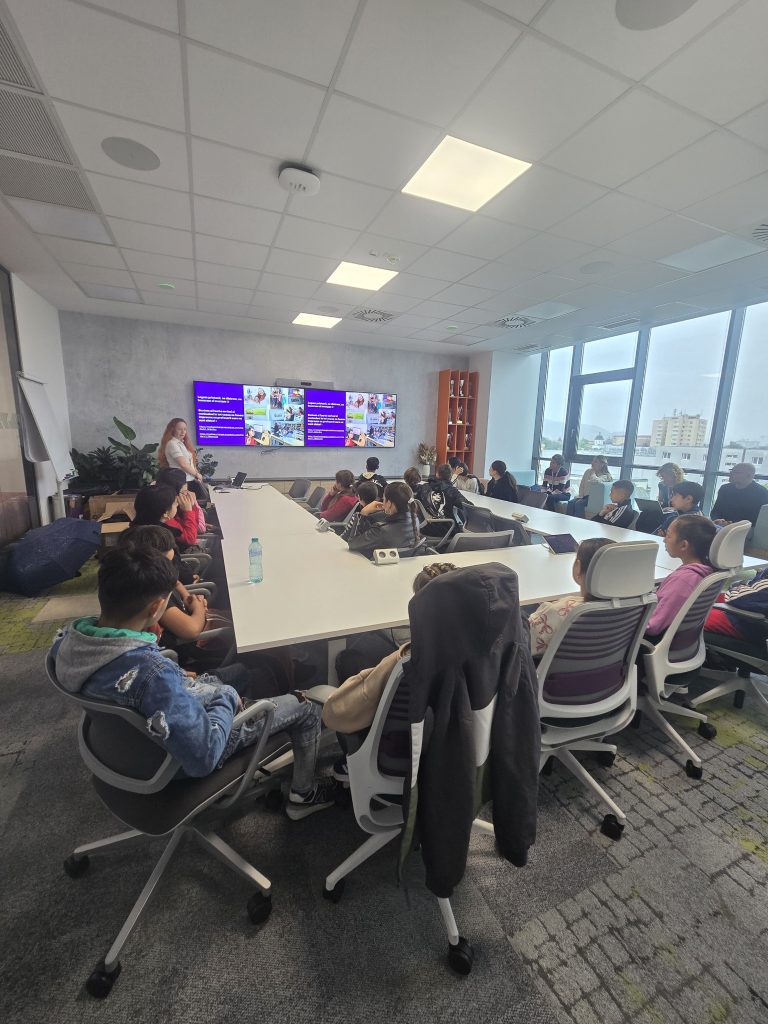
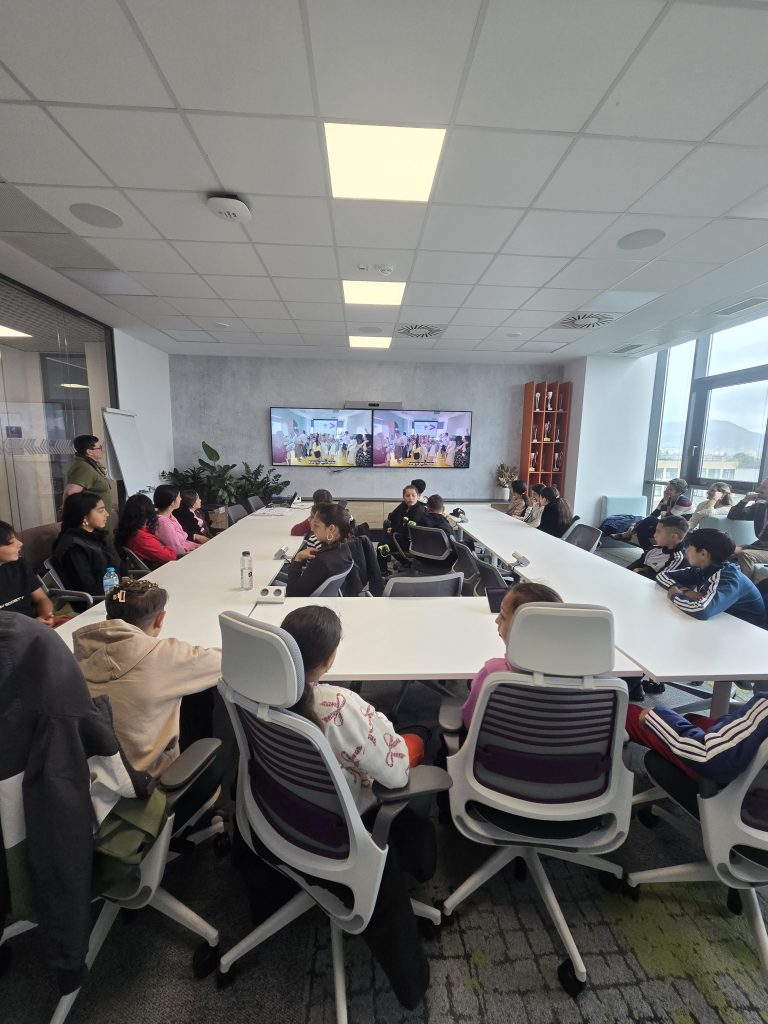
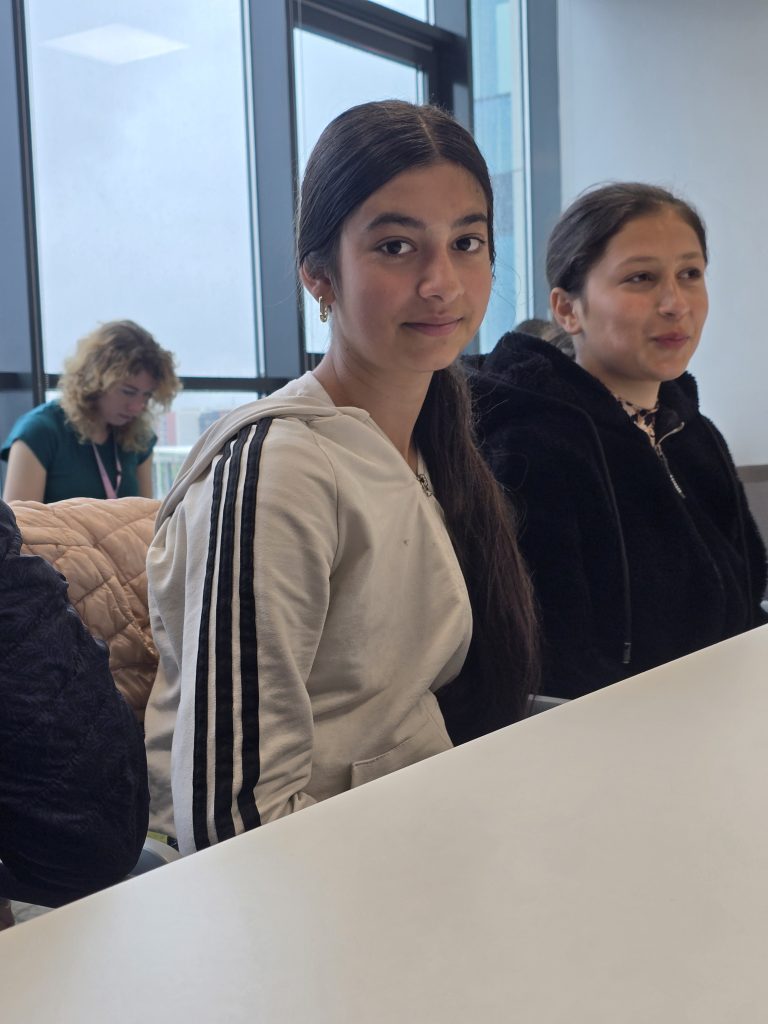
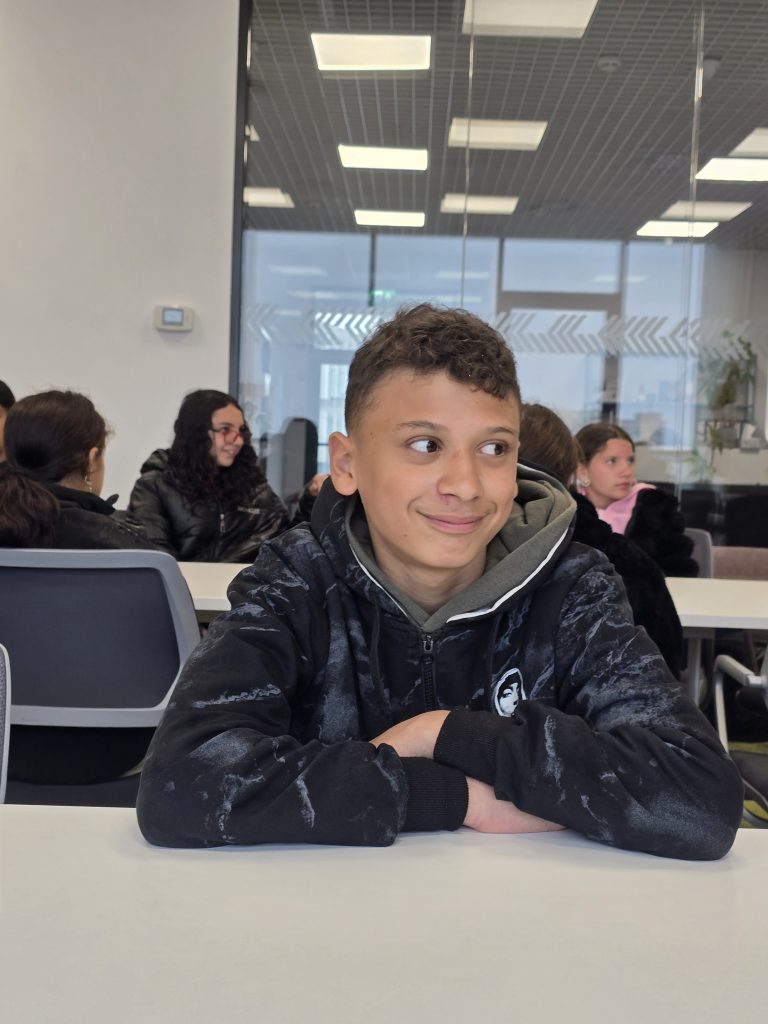
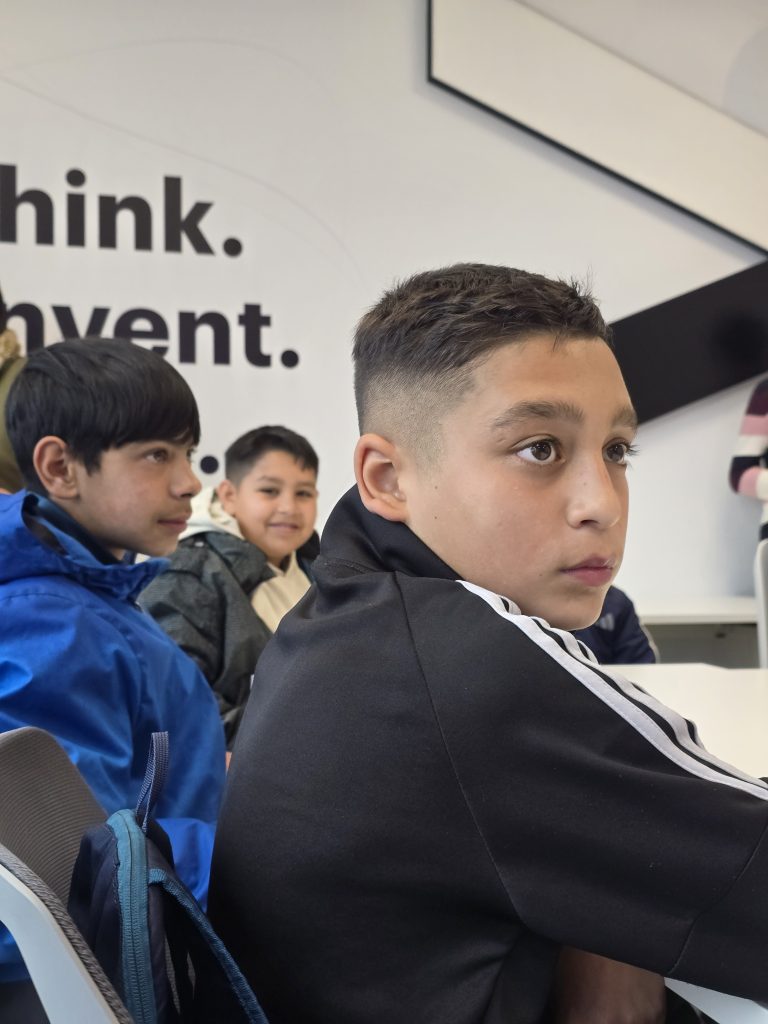
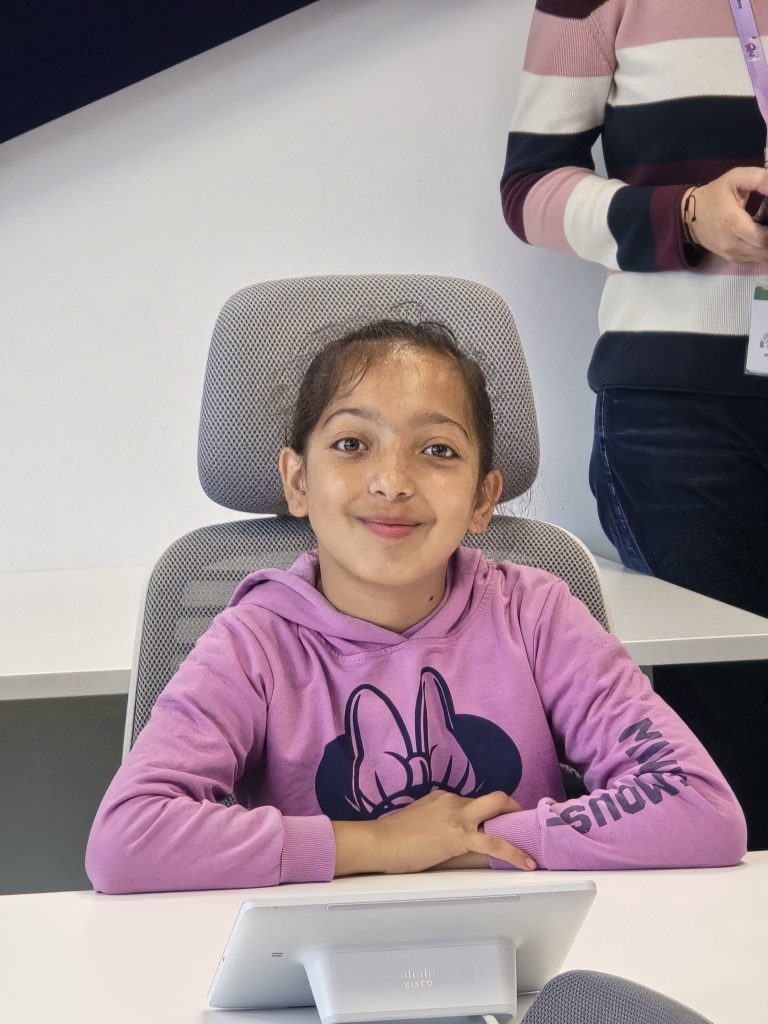
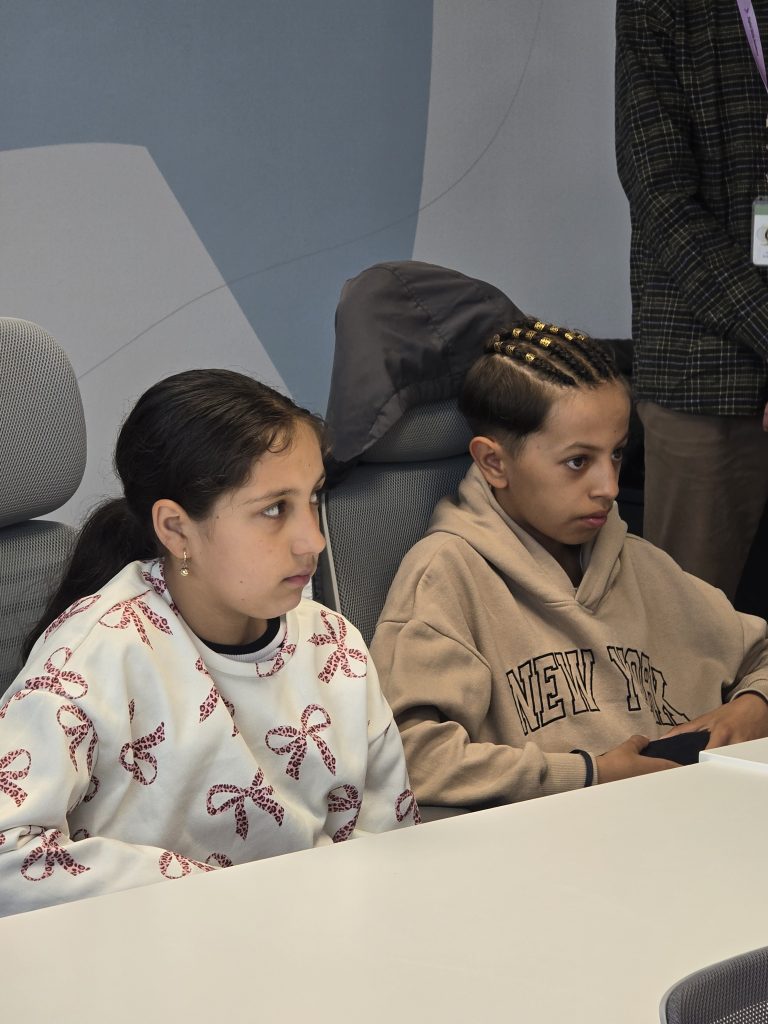
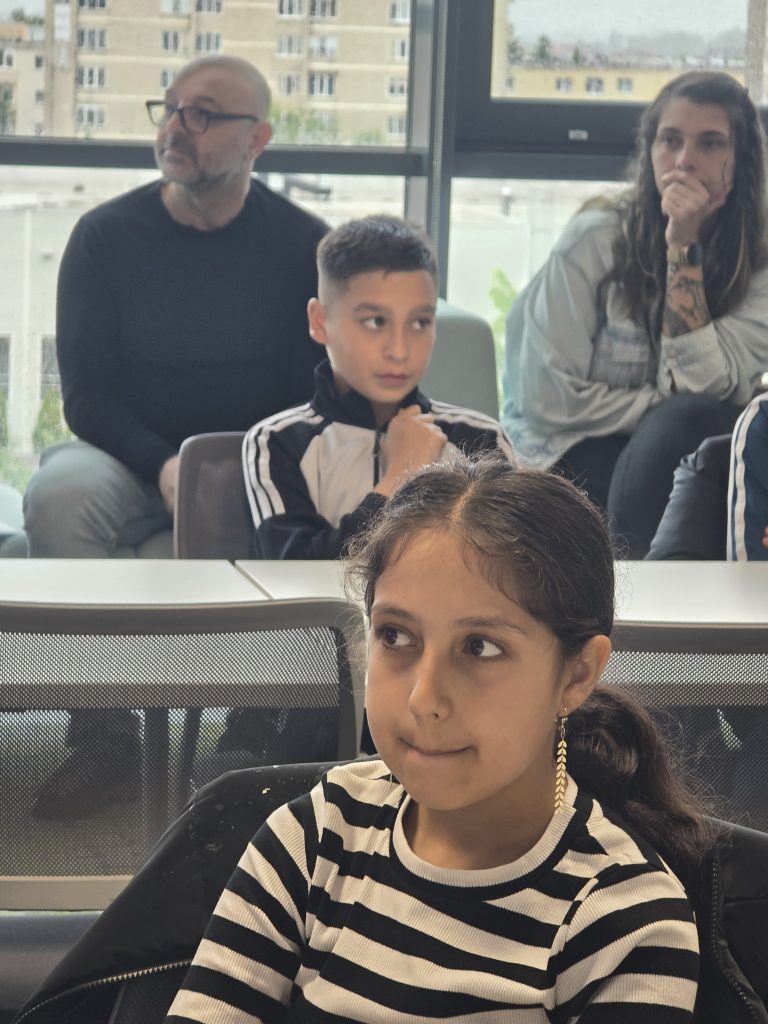
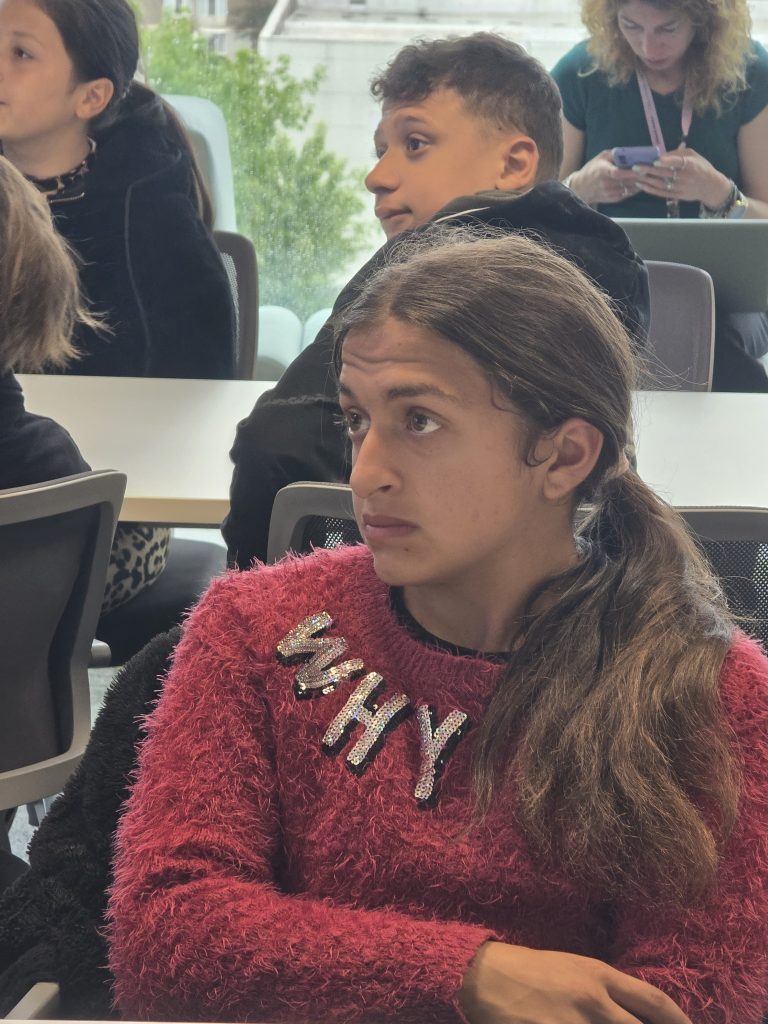
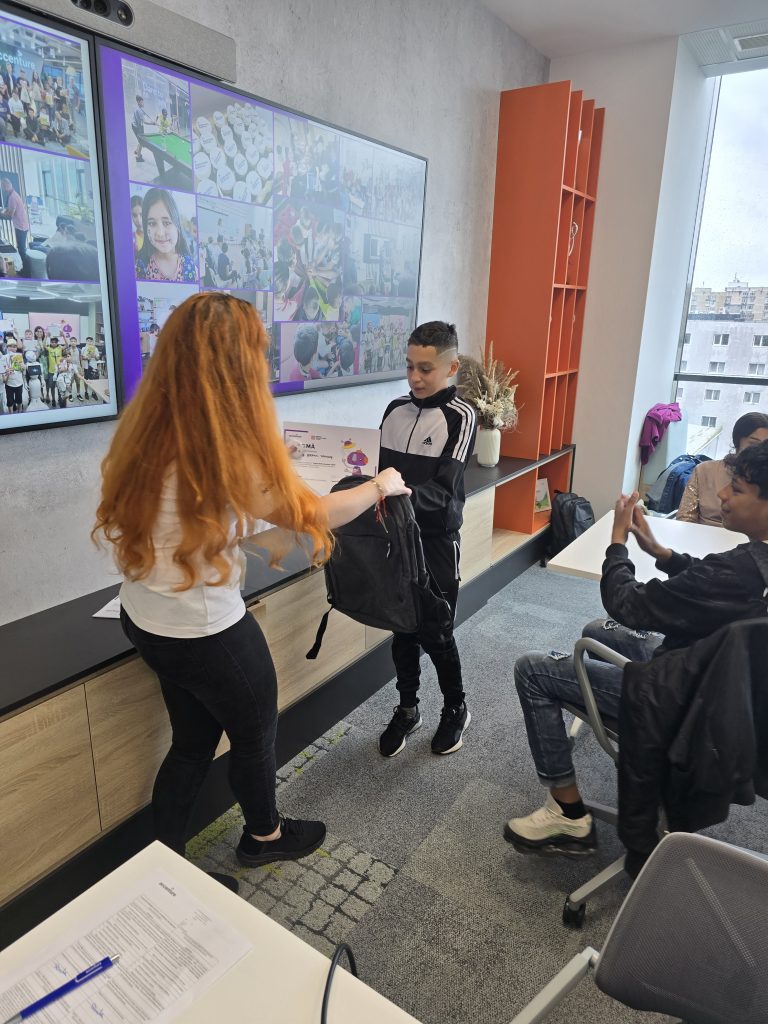
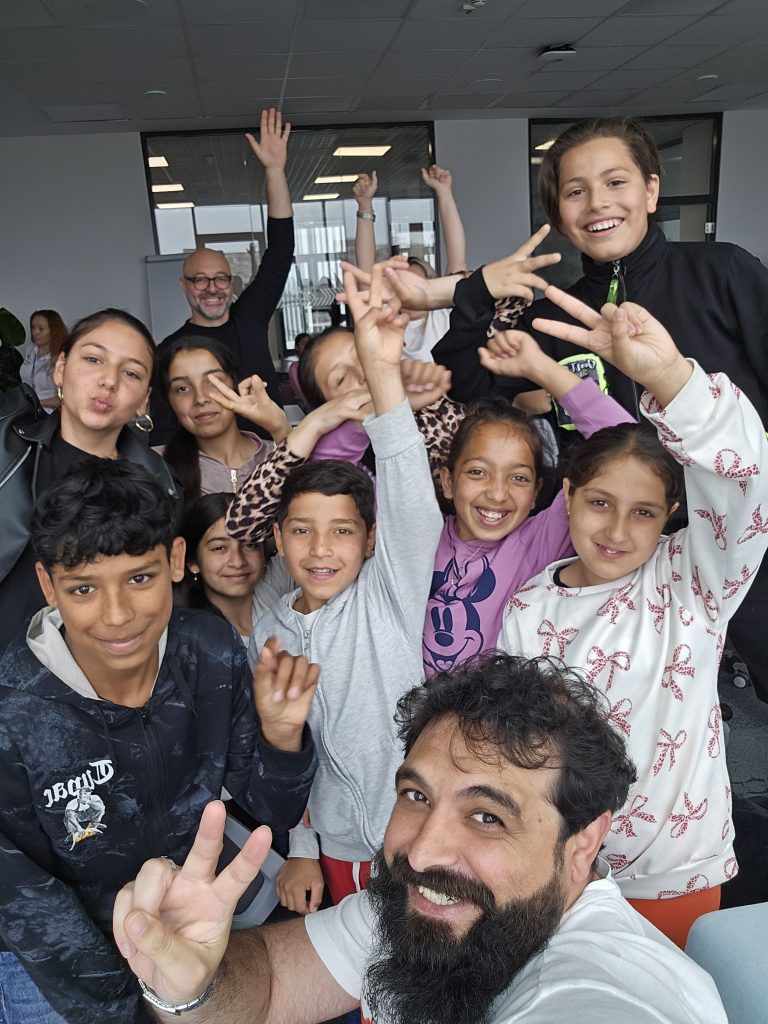
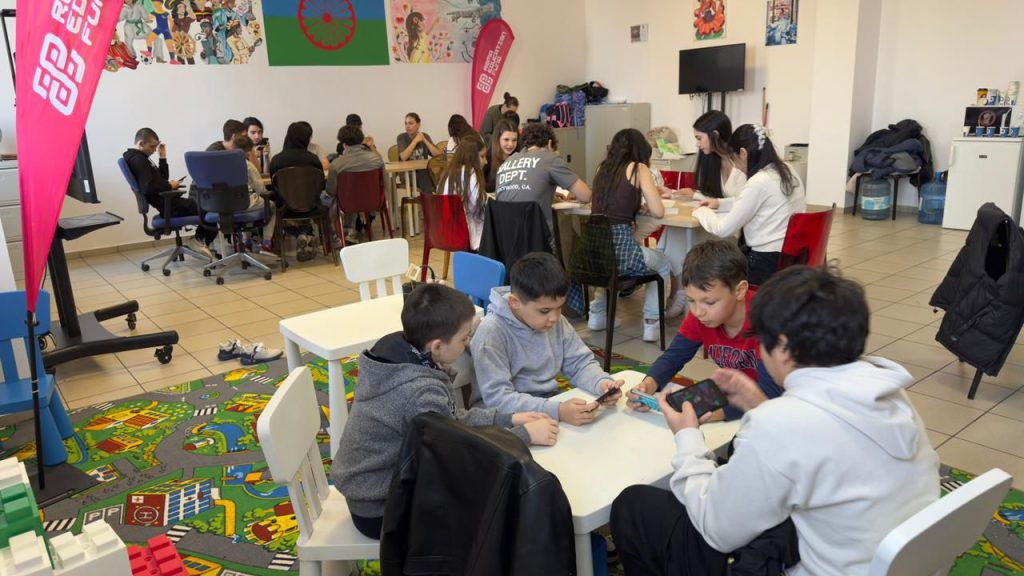
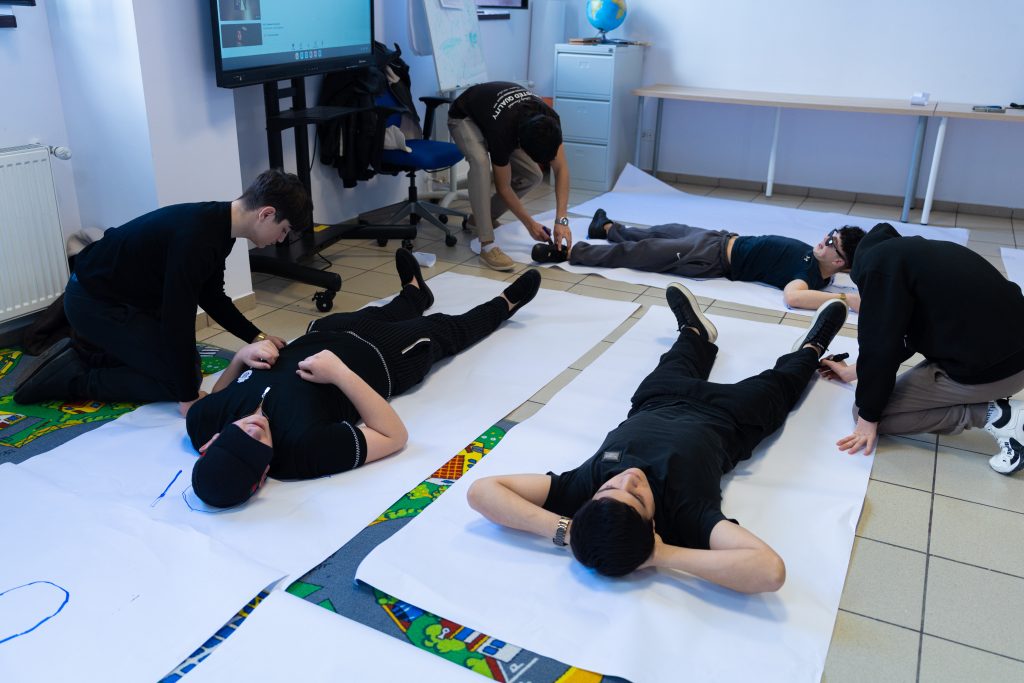
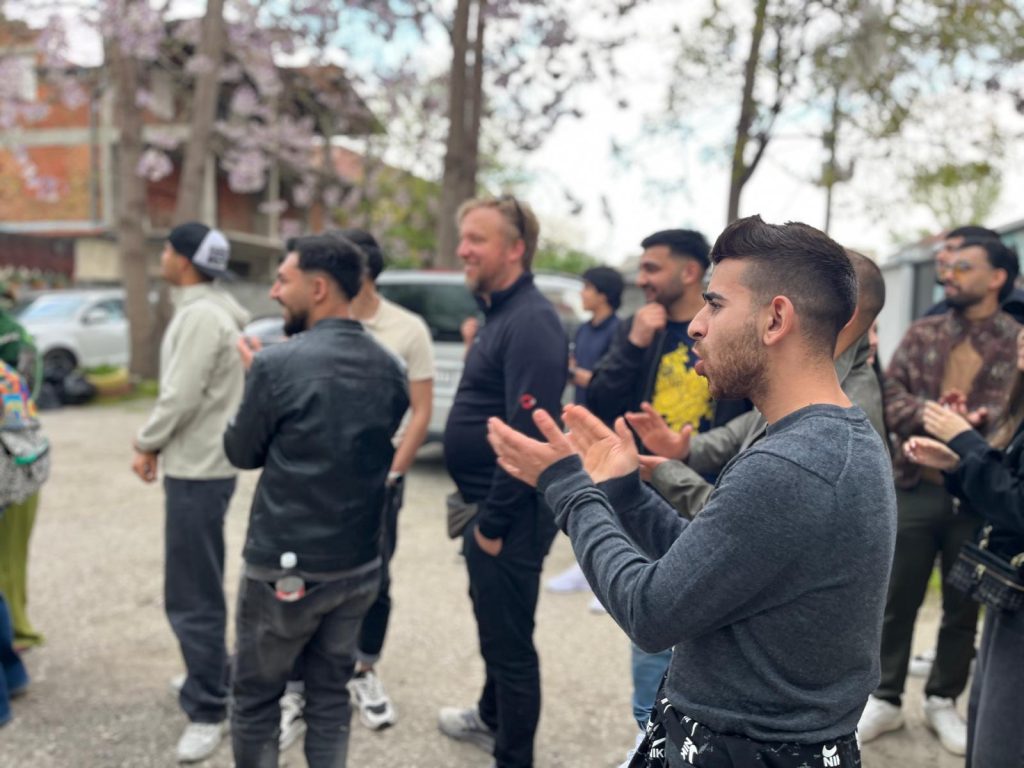
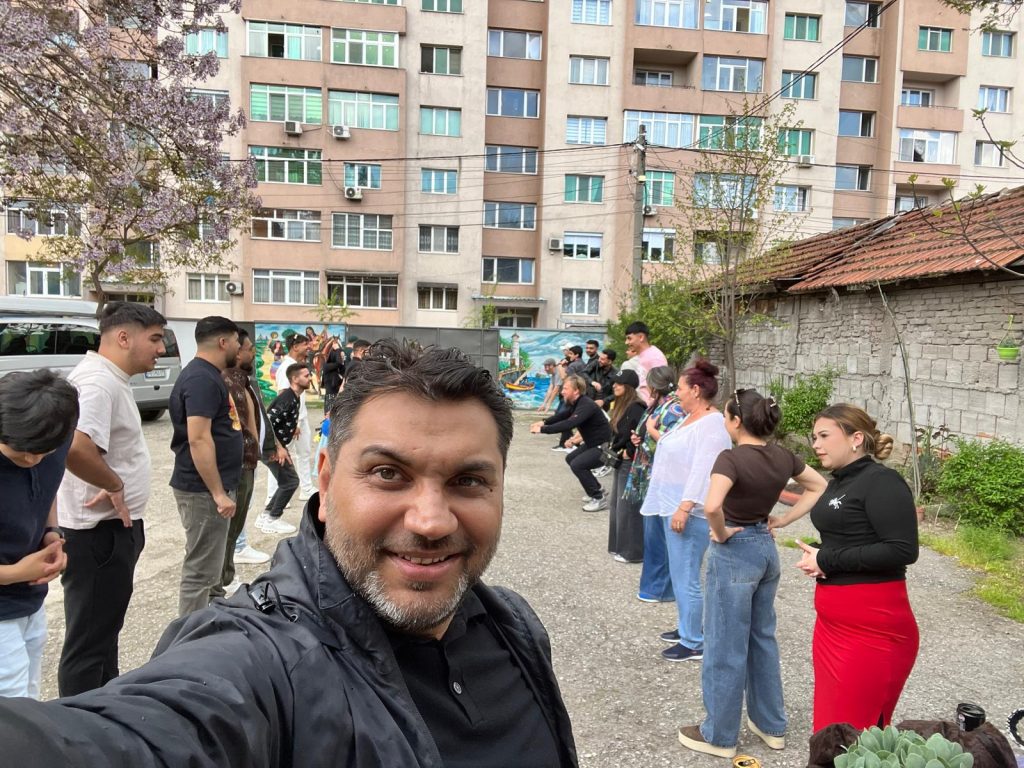
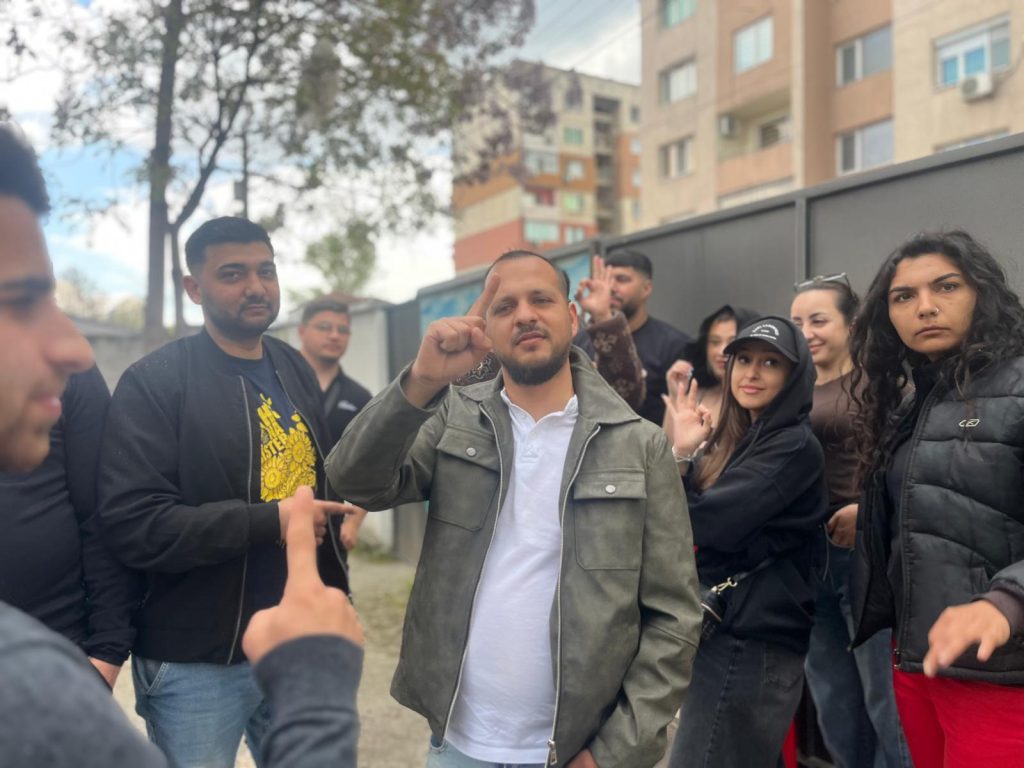
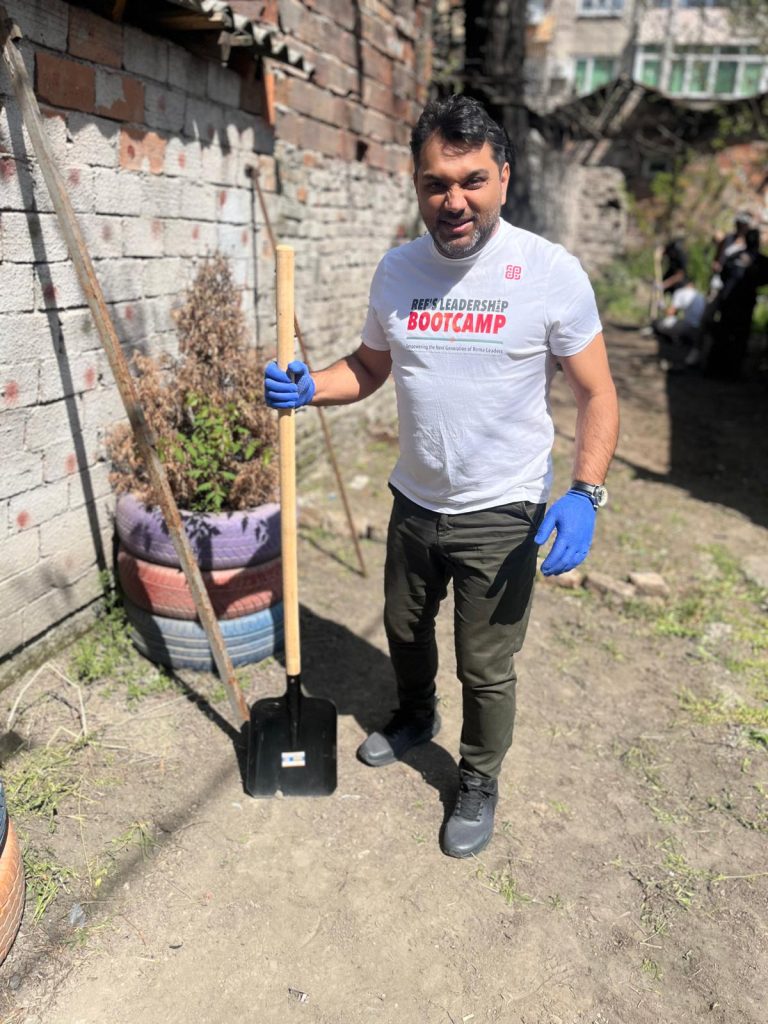
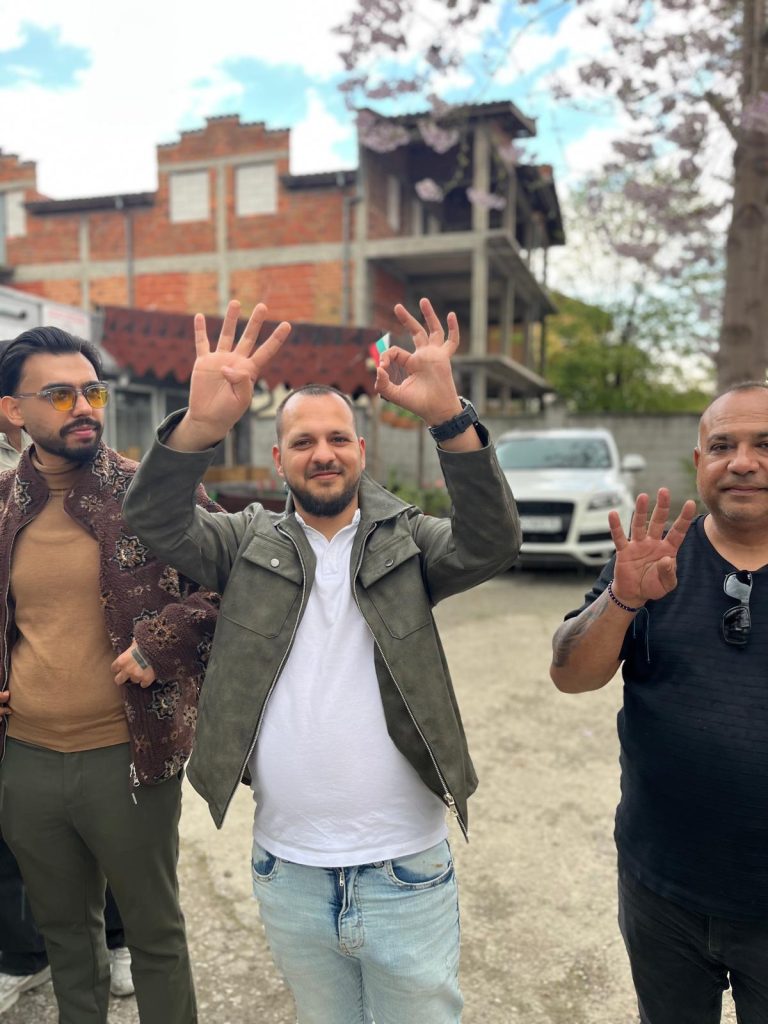
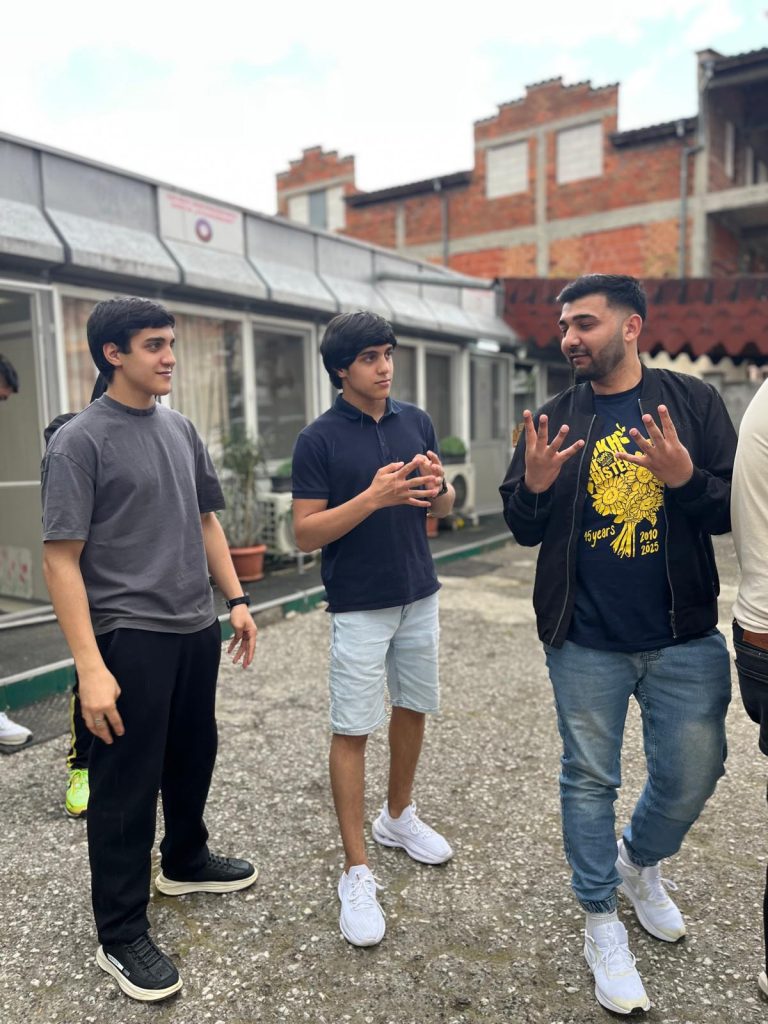
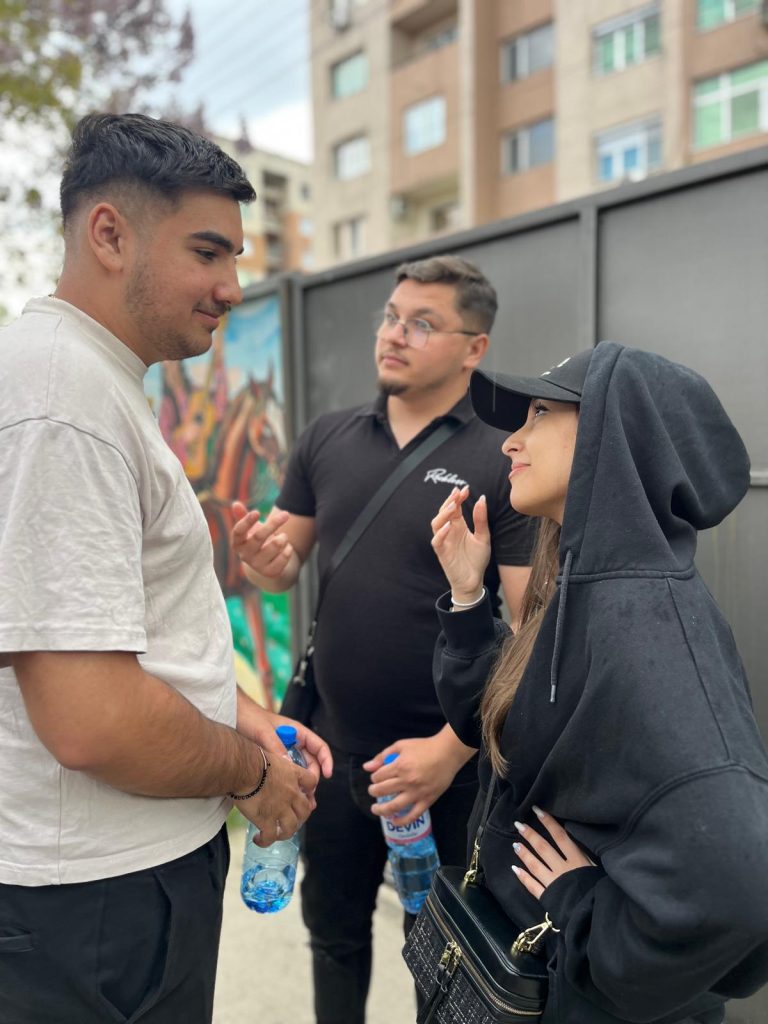
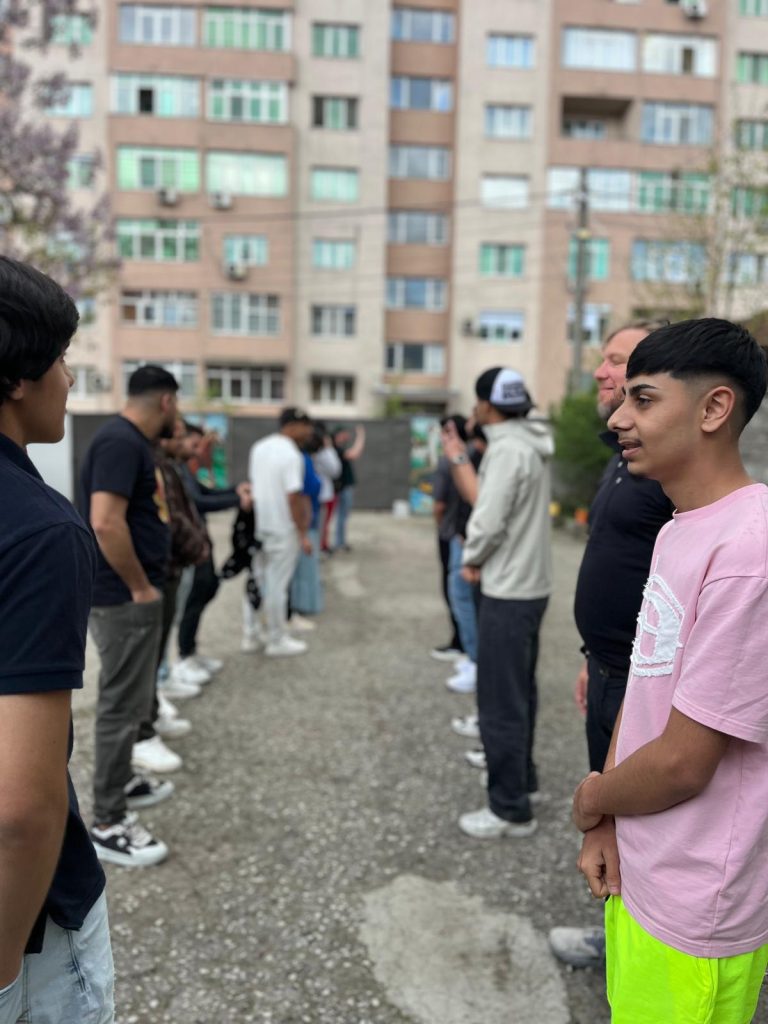
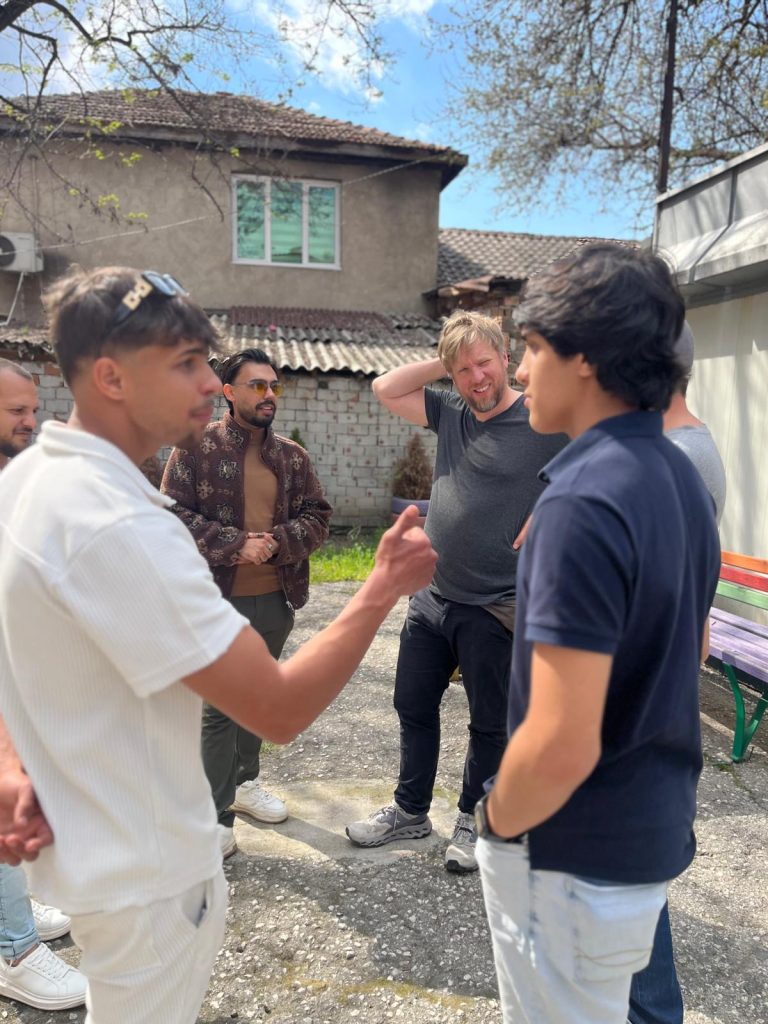
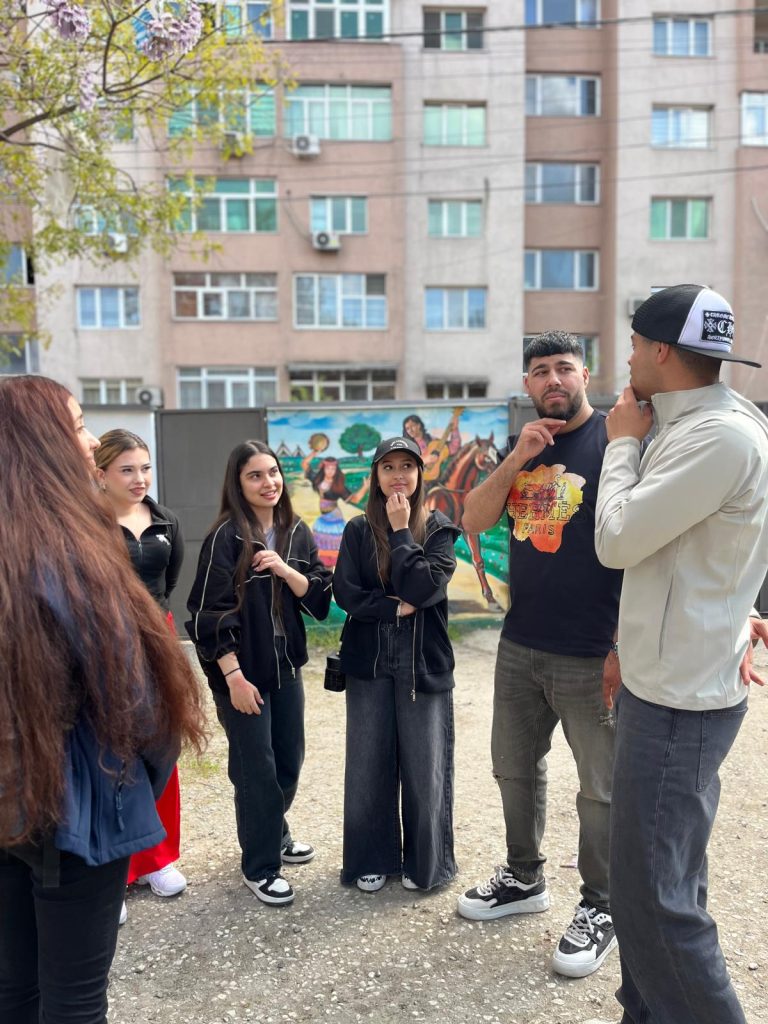
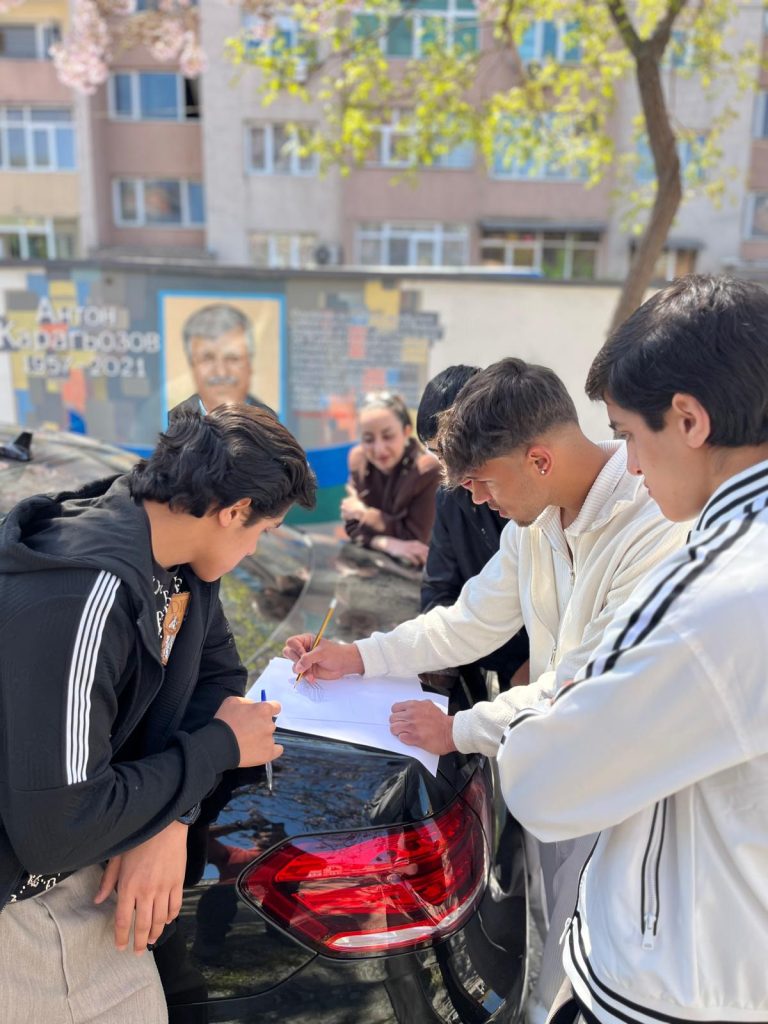
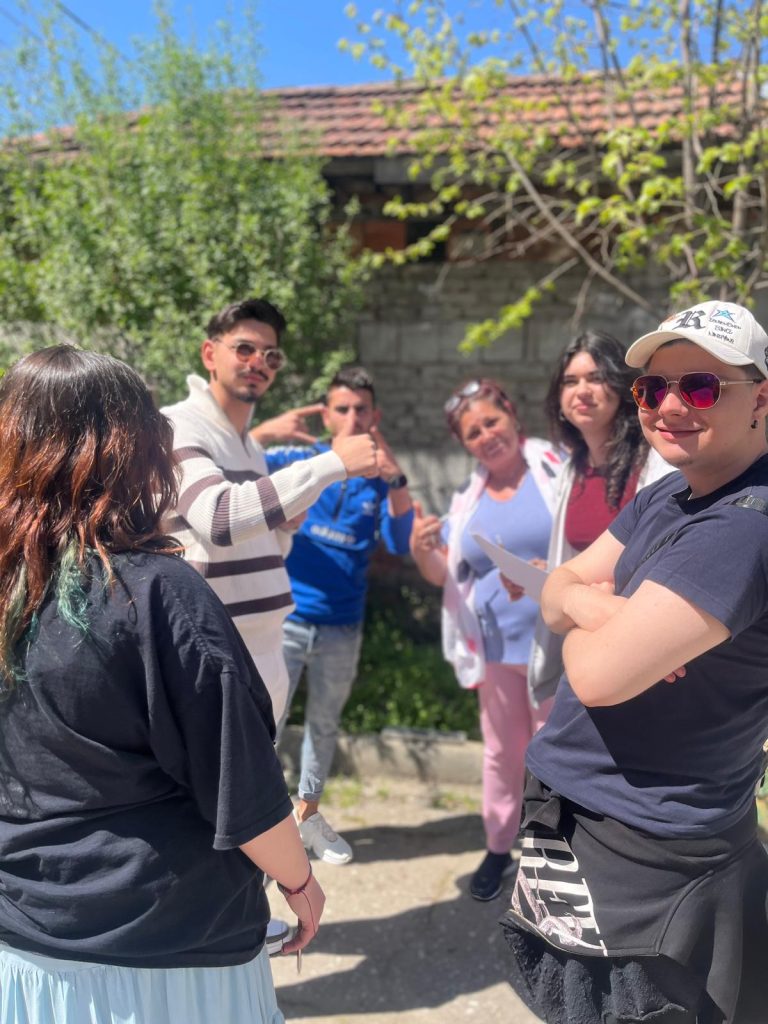
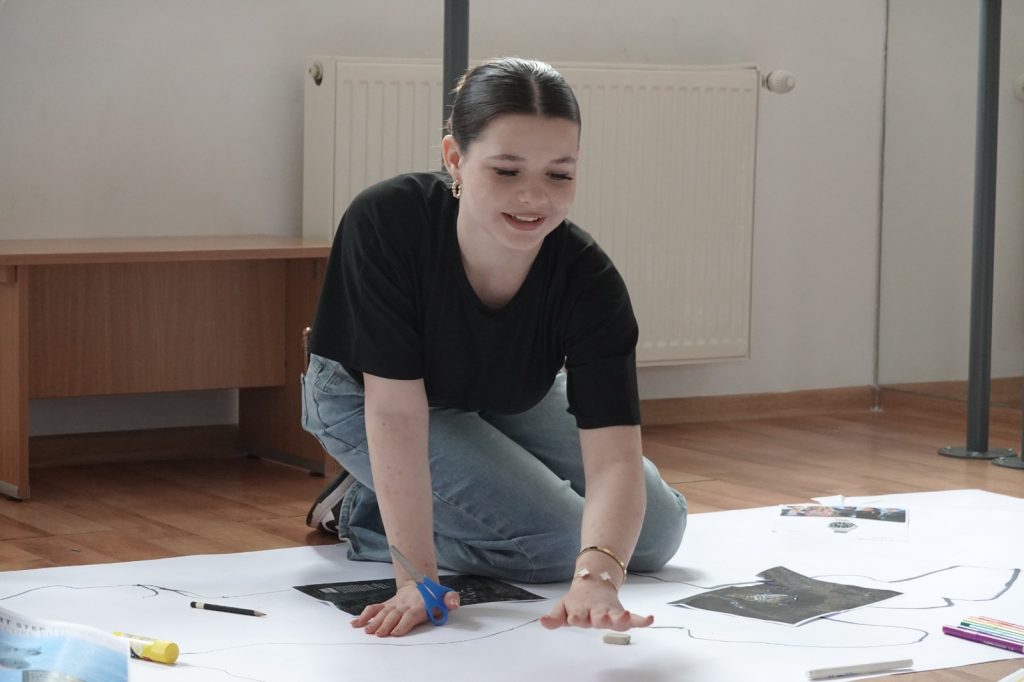
At the beginning of April, the Research and Development Department of the Roma Education Fund (REF) conducted a qualitative data collection activity at one of its Complementary Education Centers in Bucharest, Romania, involving Ukrainian Roma refugees participating in REF programs. The study engaged 17 Ukrainian adolescents and used the Body Map Storytelling method, a participatory approach combining visual expression and personal narrative to explore emotional experiences, identity, and adaptation processes.
The objective of the exercise was to better understand how young refugees physically and emotionally map stress and anxiety, while also identifying positive coping resources, support relationships, and future aspirations.
Beyond verbal expression, the visual representations revealed how emotional difficulties are experienced both physically and cognitively. One of the most recurrent themes emerging from the body maps was emotional attachment to the past. Homes, family members still living in Ukraine, and even pets were frequently illustrated at the base of the body maps or represented as obstacles, reflecting the emotional weight of separation and uncertainty.
Feelings such as longing, sadness, and anxiety were often localized in the chest area and illustrated through fragmented or broken hearts. Yet what stands out most strongly in the findings is not vulnerability alone, but the adolescents’ perspective on healing and recovery. Difficulties were not perceived as permanent conditions, but as temporary stages in a broader process of reconstruction and adaptation.
“One’s heart breaks, but it repairs itself again,” one participant shared, reflecting a mindset oriented toward growth and the capacity to process pain and failure as opportunities for rebuilding.
“The data collected highlights a remarkable capacity for self-regulation and adaptation. Adults working in educational and training environments may observe that these young people locate their sources of strength primarily in two key areas: at the cognitive level (mind/head), resilience is associated with rational decision-making, hope, and future orientation. At the physical and action-oriented level (hands/arms), direct effort and physical activity, particularly sports such as boxing and wrestling, function as adaptive strategies for stress management and regaining personal agency” – Ider Stefan, researcher and coordinator of the R&D Division.
“My brain is my power. If you think clearly and make wise decisions, you will be happy,” explained one adolescent, emphasizing the importance of internal locus of control when facing adversity. Family also emerges as a central pillar in the adolescents’ narratives, not only as a source of emotional comfort, but as a long-term purpose. Many participants expressed a desire to achieve independence and professional success in order to support and protect their families in the future, reflecting a vision grounded in continuity, responsibility, and resilience.
For educators and trainers, these findings carry important implications. Supporting young refugees requires more than recognizing final outcomes. It requires acknowledging and normalizing the effort behind adaptation itself: learning a new language, building social connections, navigating uncertainty, and maintaining engagement despite emotional stress. Educational psychology literature consistently shows that constructive feedback focused on process and perseverance strengthens long-term motivation and resilience – Ider Stefan.
The message left behind by one of the participants perhaps captures the essence of this process best: “Never lose hope.” It reflects a fundamental competency that educational programs must cultivate consistently: the ability to face obstacles directly and still choose perseverance. At REF, this vision is increasingly at the core of our mission to build resilient communities through education by creating learning environments that strengthen not only academic outcomes, but also adaptability, confidence, agency, and long-term social participation.
After this stage, the data entered the final analysis phase and the drafting of the article manuscript, which will subsequently be submitted for publication and distributed in the coming months.
Roma Education Fund and Serbian Employers Association Launch Partnership to Strengthen Roma Workforce Participation

Posted on by admin3
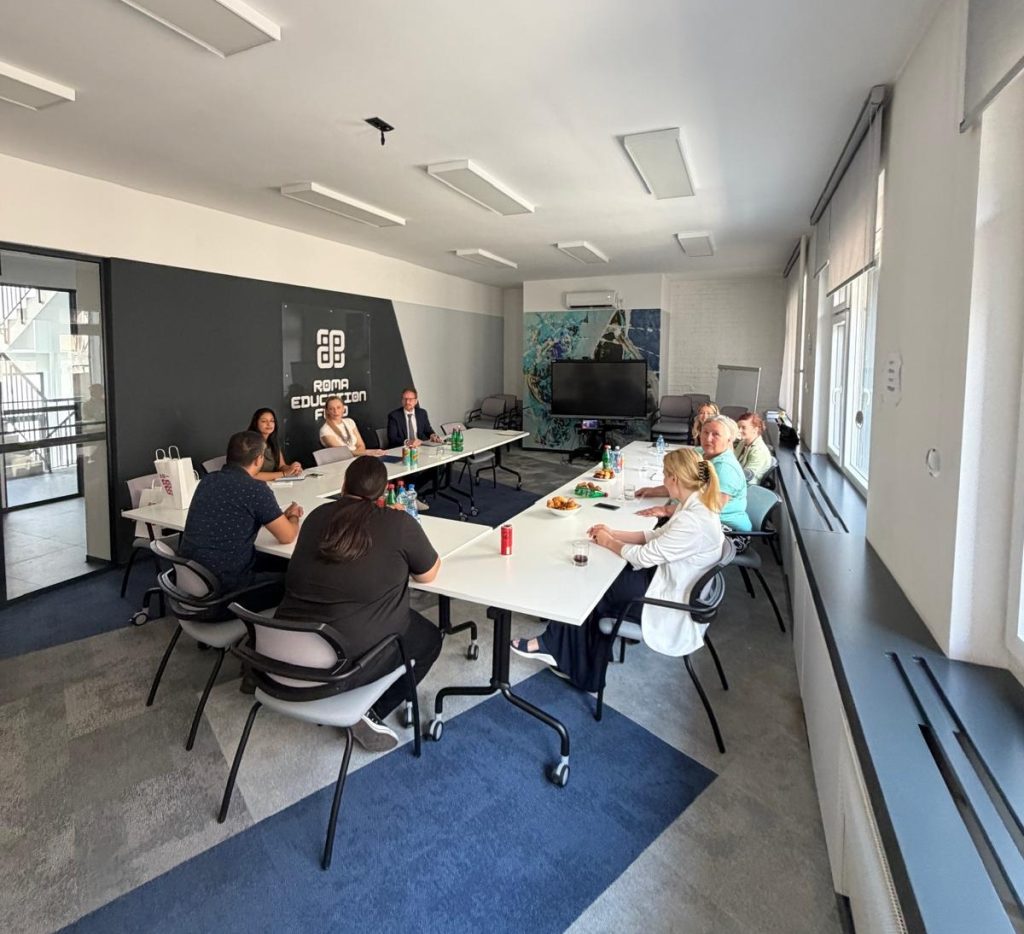
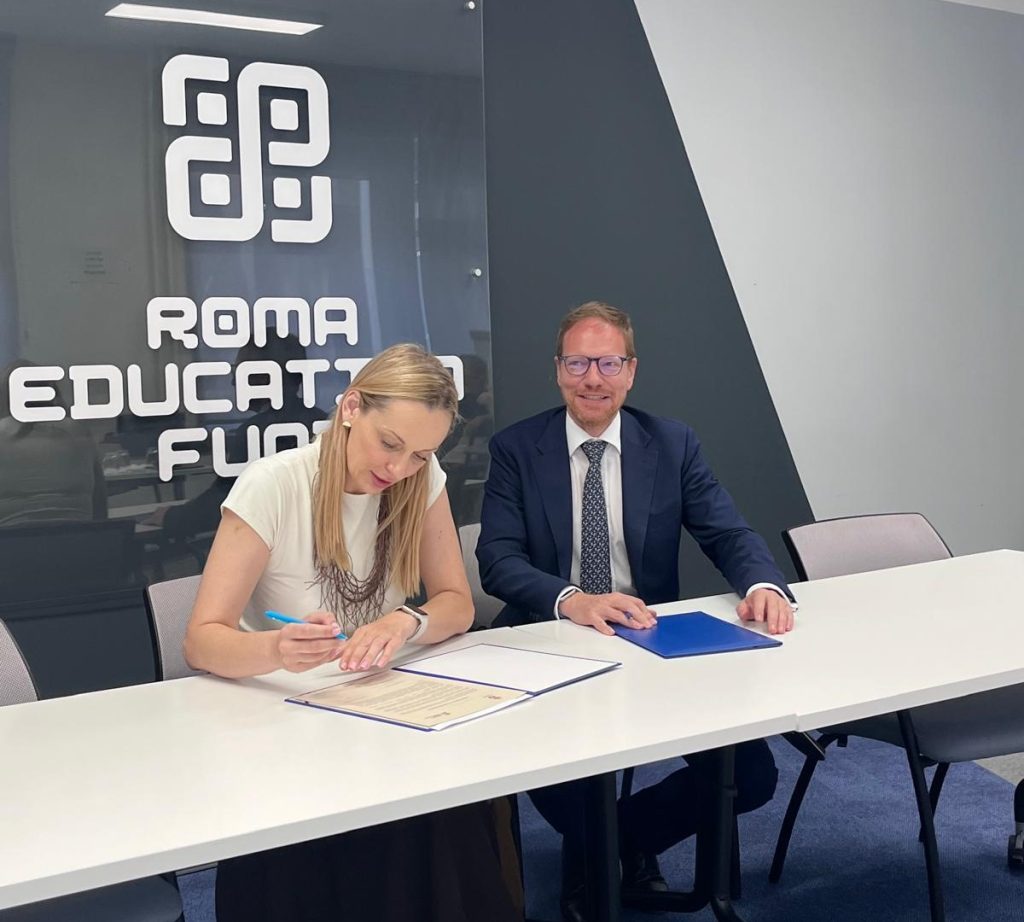
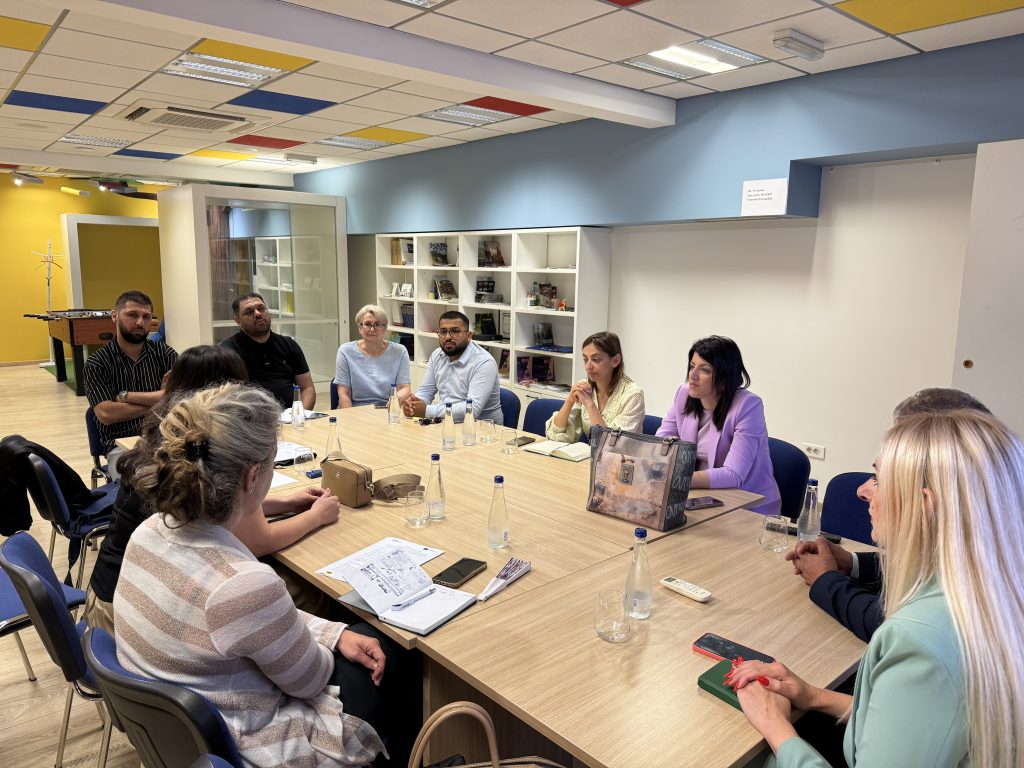
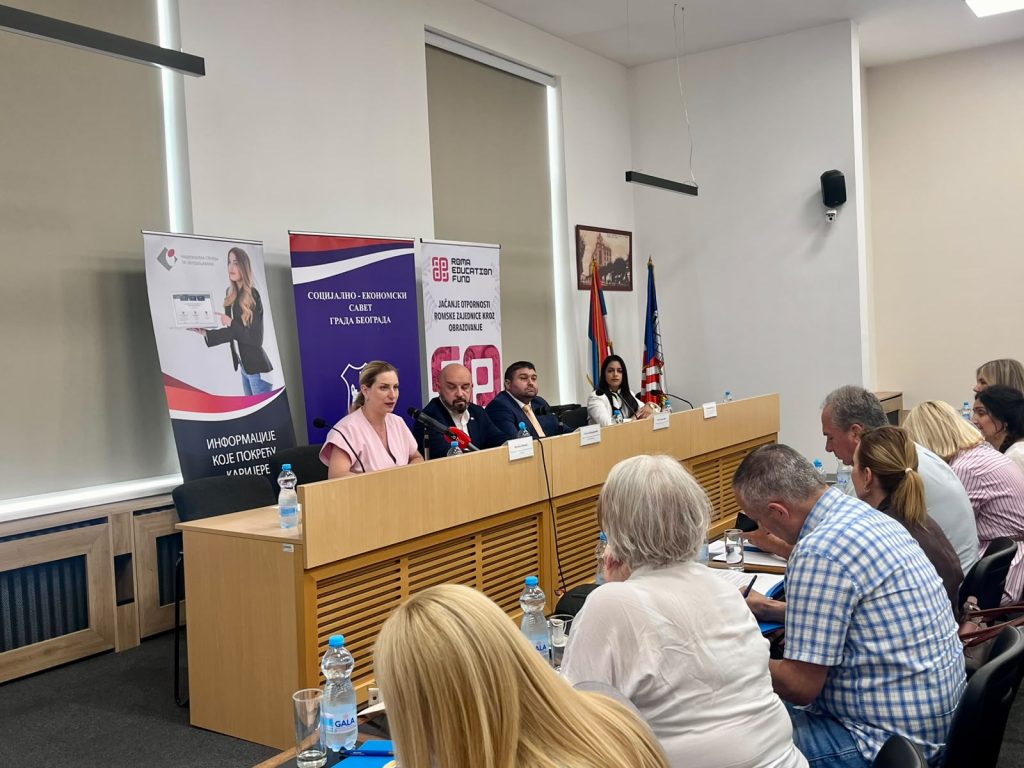
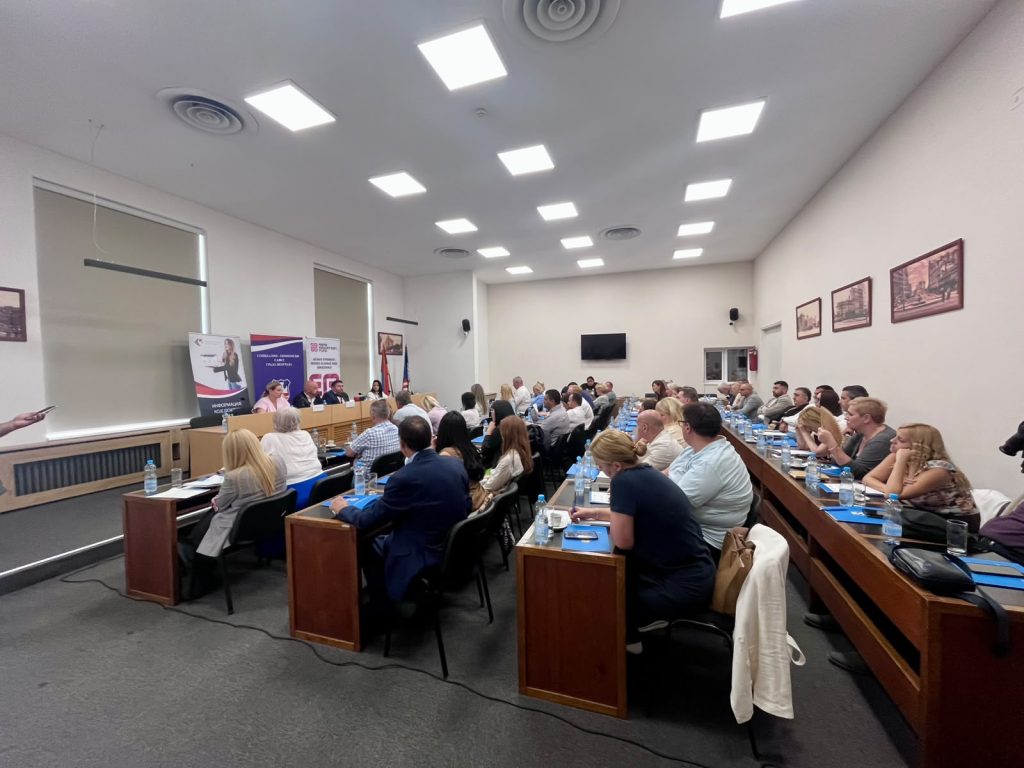
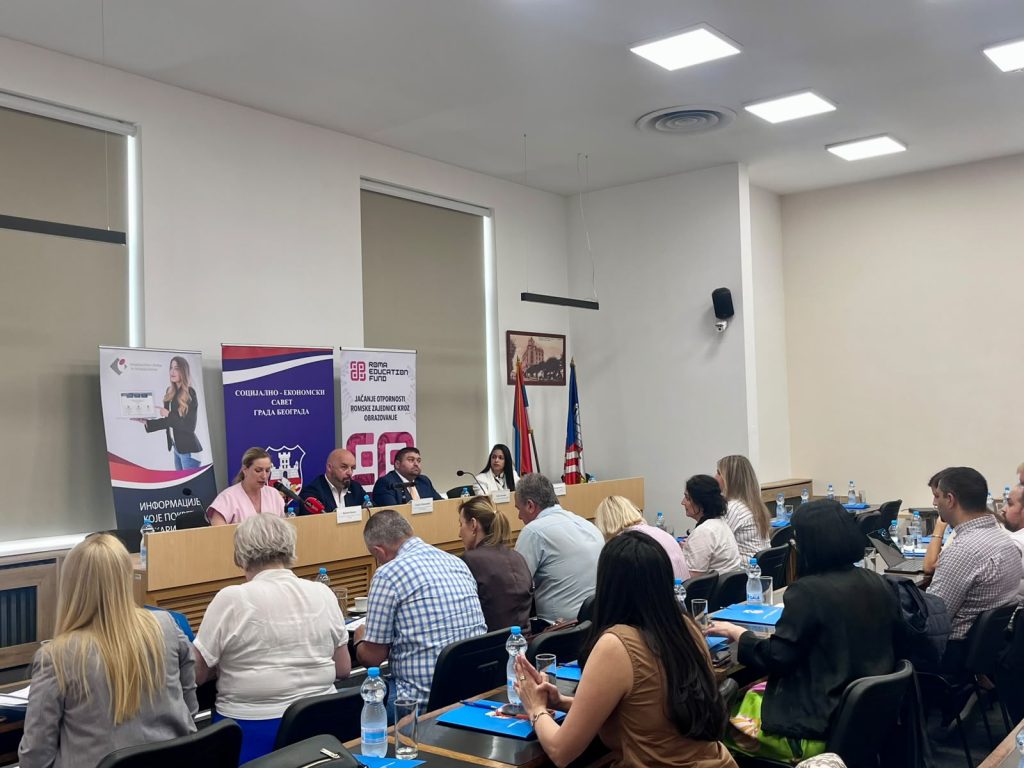
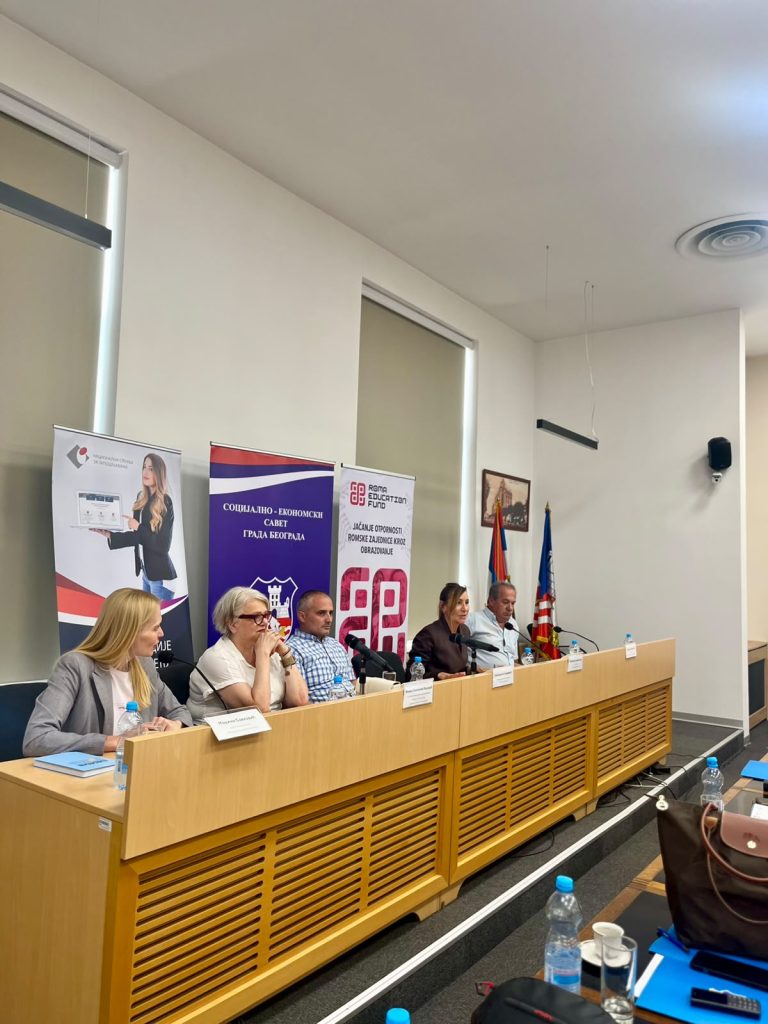
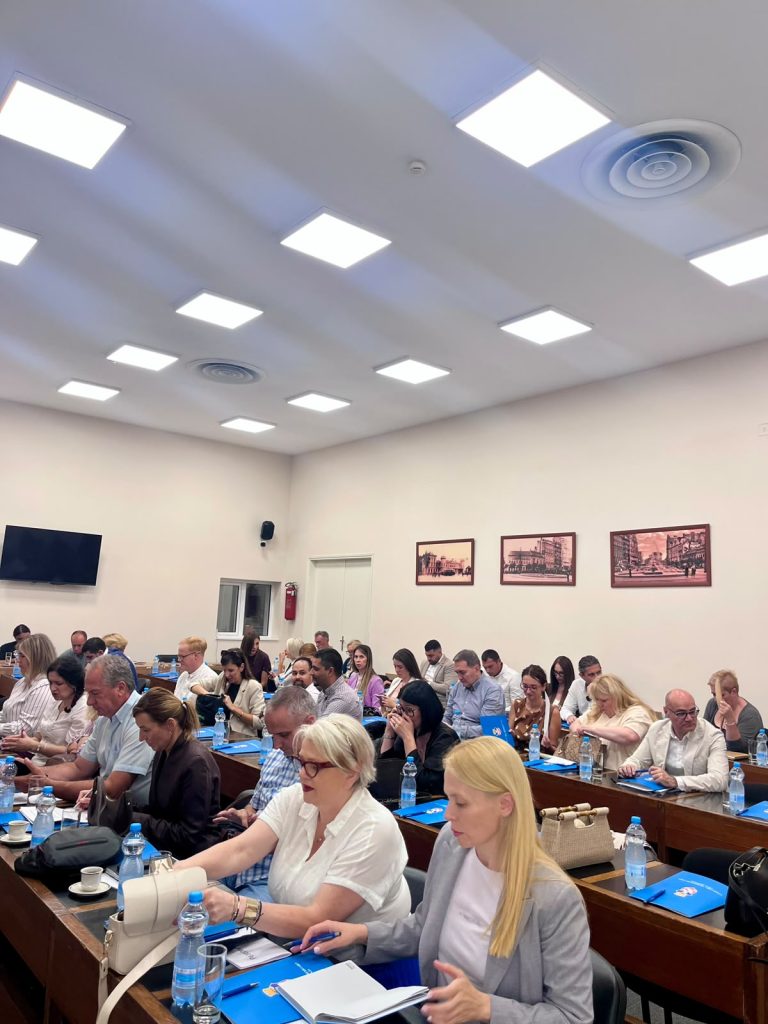
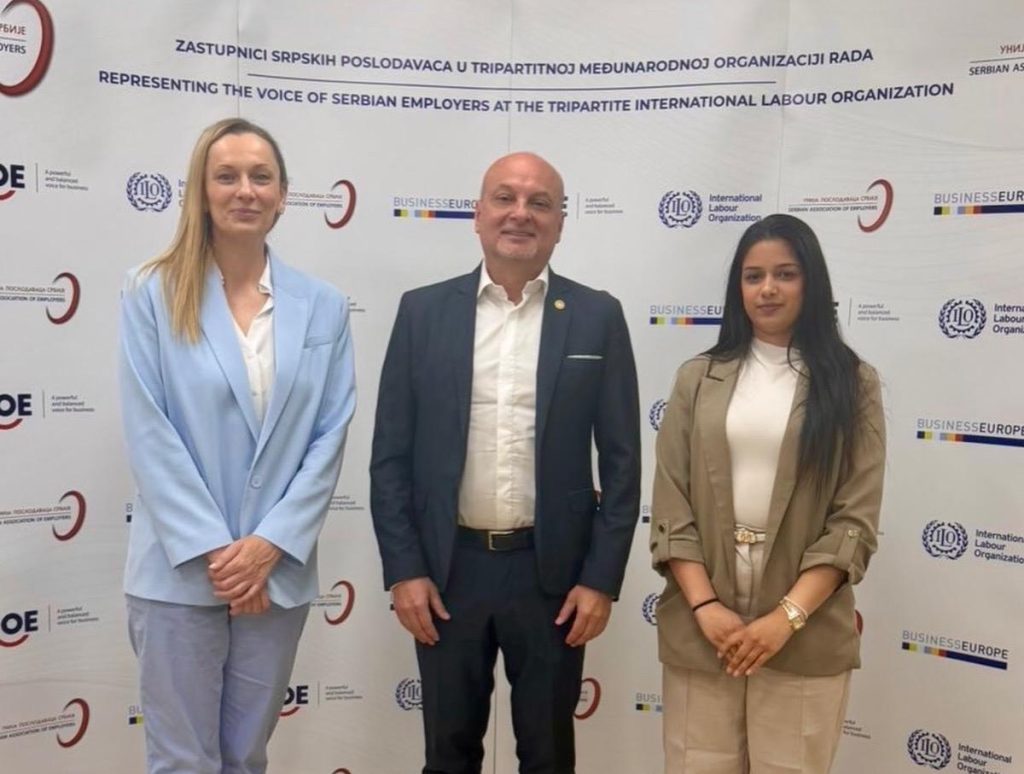
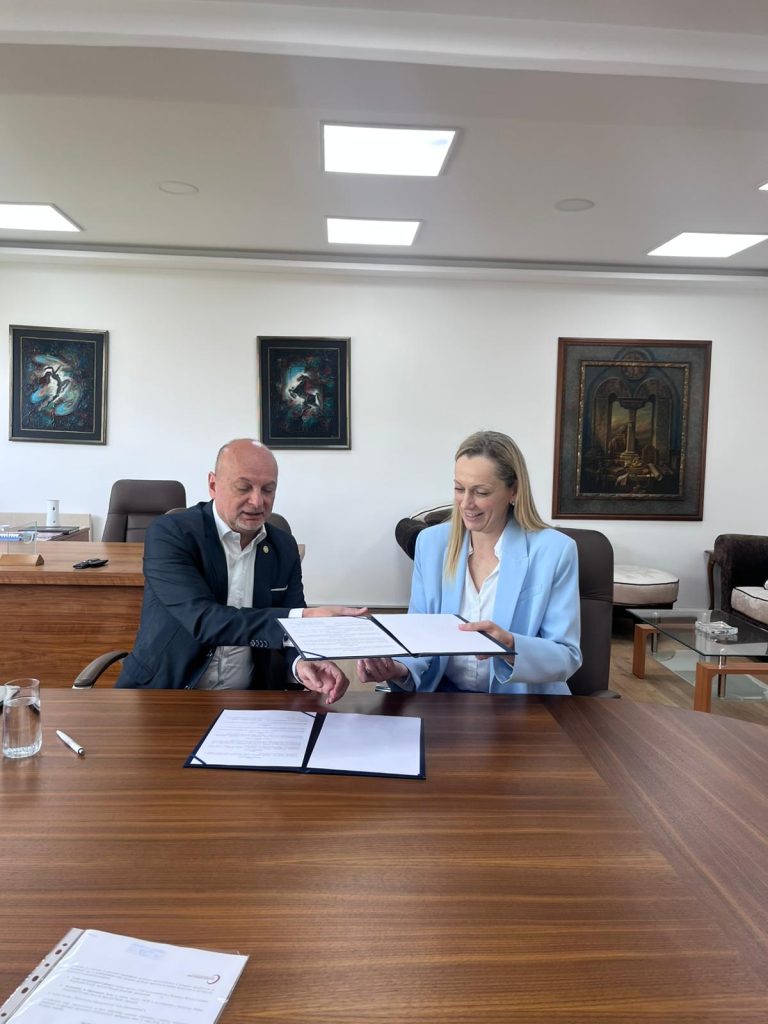
Belgrade, Serbia – As Europe faces labour shortages, demographic decline, and growing pressure to strengthen competitiveness, the Roma Education Fund (REF) is increasingly focused on one strategic priority: connecting one of Europe’s youngest populations to the continent’s future workforce. Through its Skills and Employment pillar, REF is developing employer-driven models that link education, skills, and real labour market opportunities. In this context, during the second week of May, REF signed a Memorandum of Cooperation with the Serbian Association of Employers, one of Serbia’s leading representative business organizations, during a coordination meeting with Andreja Brkić, President of the Executive Board, in Belgrade.
The partnership with the Serbian Association of Employers is designed to strengthen direct cooperation between employers, educational actors, and Roma communities in order to build practical pathways into employment. The focus will include vocational training, workforce preparation, employment mediation, and long-term job retention support aligned with real labour market demand.
Having a continuous insight of labour needs that have companies and enterprises of all sizes and from various sectors, REF improves it’s capacity to prepare Roma job seekers for present and future jobs based on realistic needs. Improved access to numerous business entities at once creates opportunities for joint projects in area of reskilling, on-the- job trainings, on job mentorship programs and other activities that will improve employment and employability of the Roma community – Marina Savkovic, team leader Skills and Employment, REF Network.
The cooperation reflects REF’s broader strategic transformation under its new integrated framework: Learn. Work. Lead. Under this model, education is treated not simply as access to schooling, but as the development of measurable competencies. Employment becomes the point where those competencies are translated into economic stability and participation. Leadership then ensures that individual success contributes to broader institutional and community transformation.
For REF, the long-term objective goes beyond connecting individuals to employment opportunities. It is also about showing that strong educational and employment models can create meaningful results and contribute to stronger, more inclusive systems over time. In this sense, the agreement signed in Belgrade is not only about employment cooperation. It also reflects a broader effort to strengthen the place of Roma inclusion within Europe’s evolving economic agenda.
Advancing Education-to-Employment Pathways for Roma Youth in the Western Balkans and Türkiye
Posted on May 4, 2026 by admin3
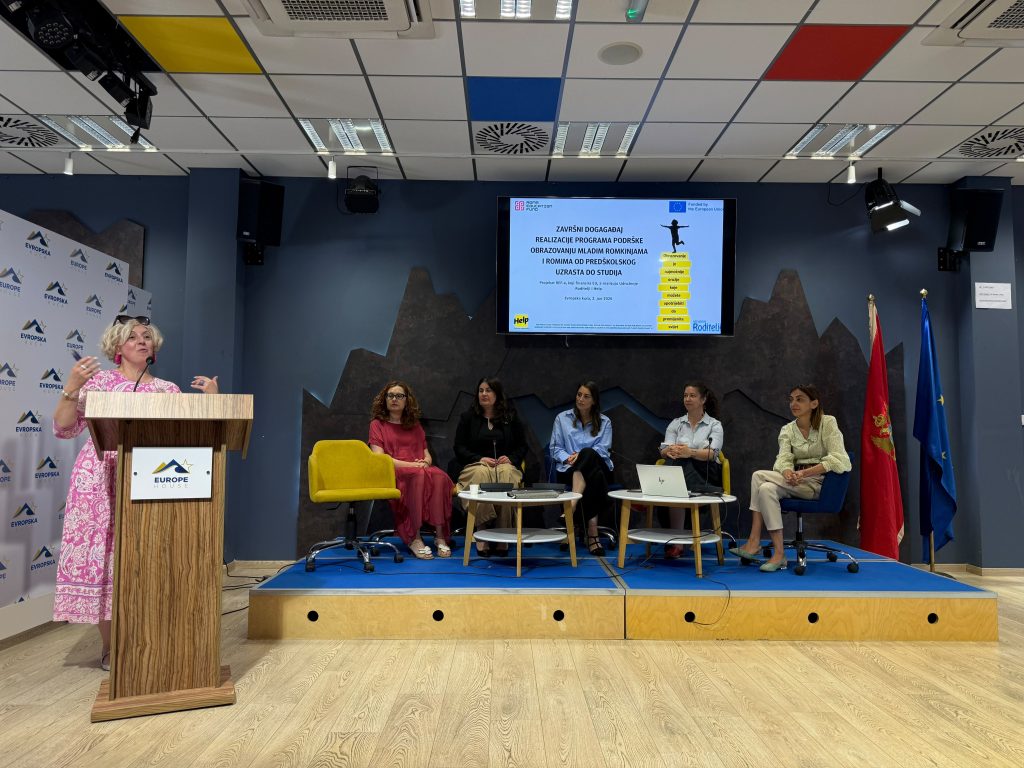
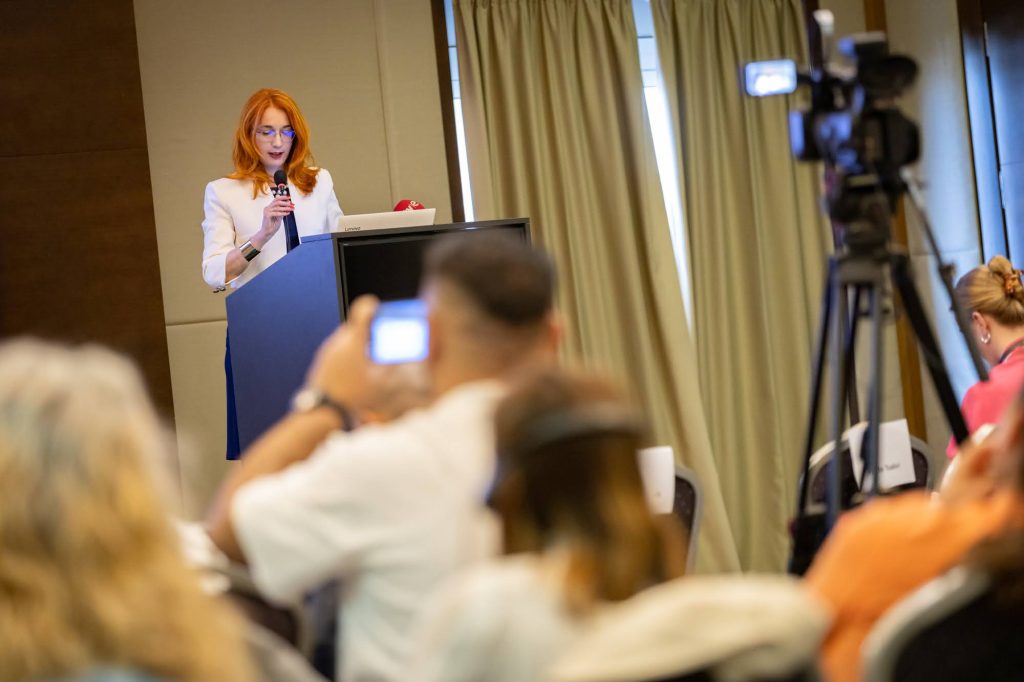
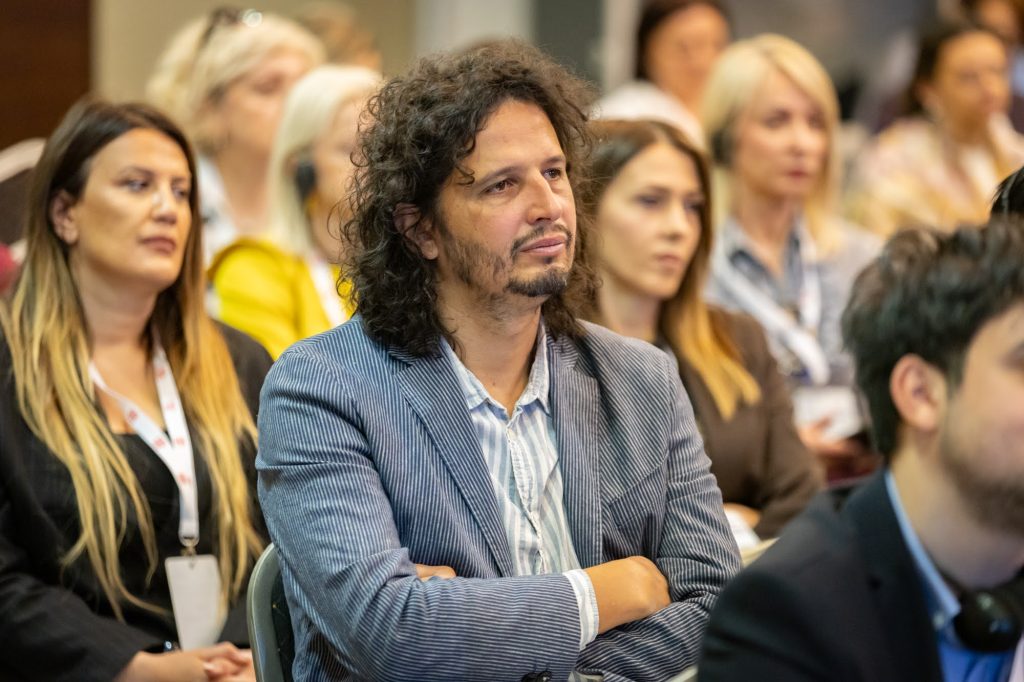
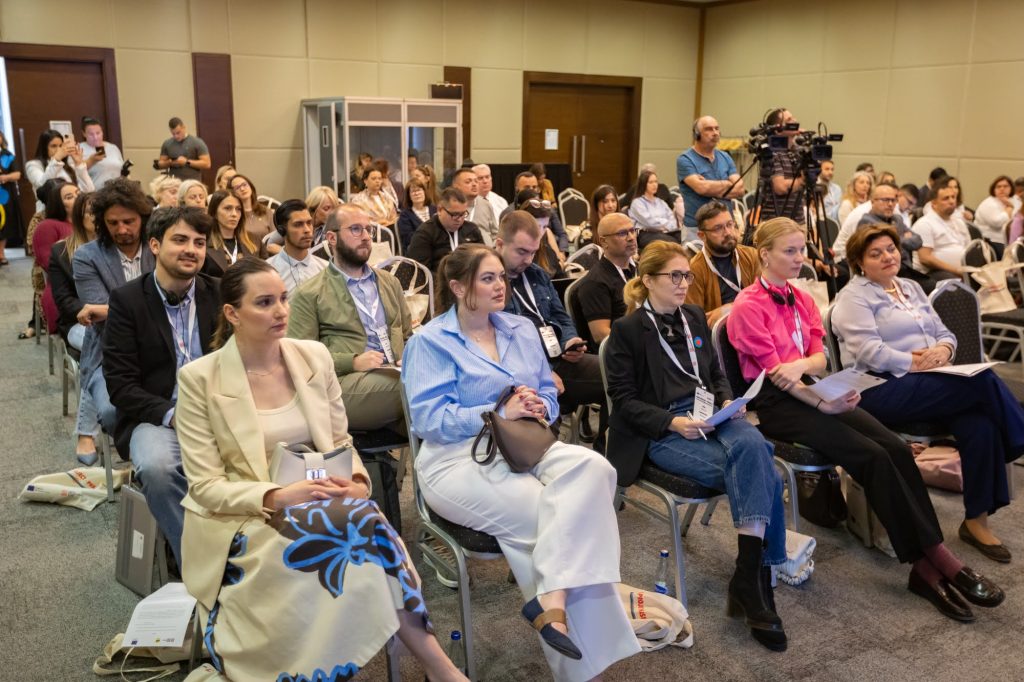
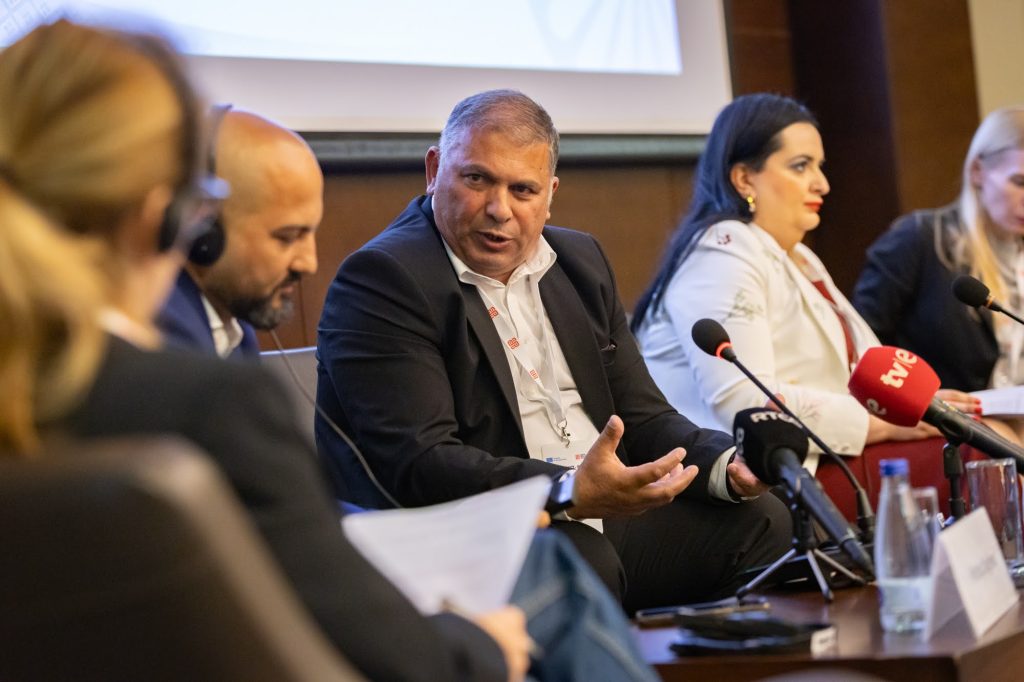
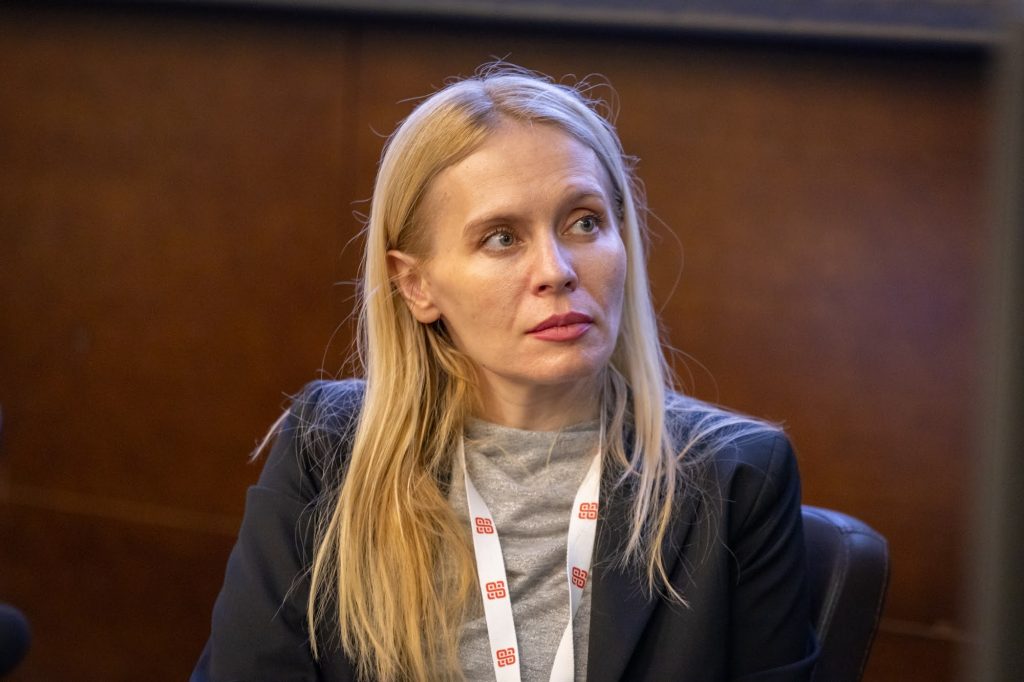
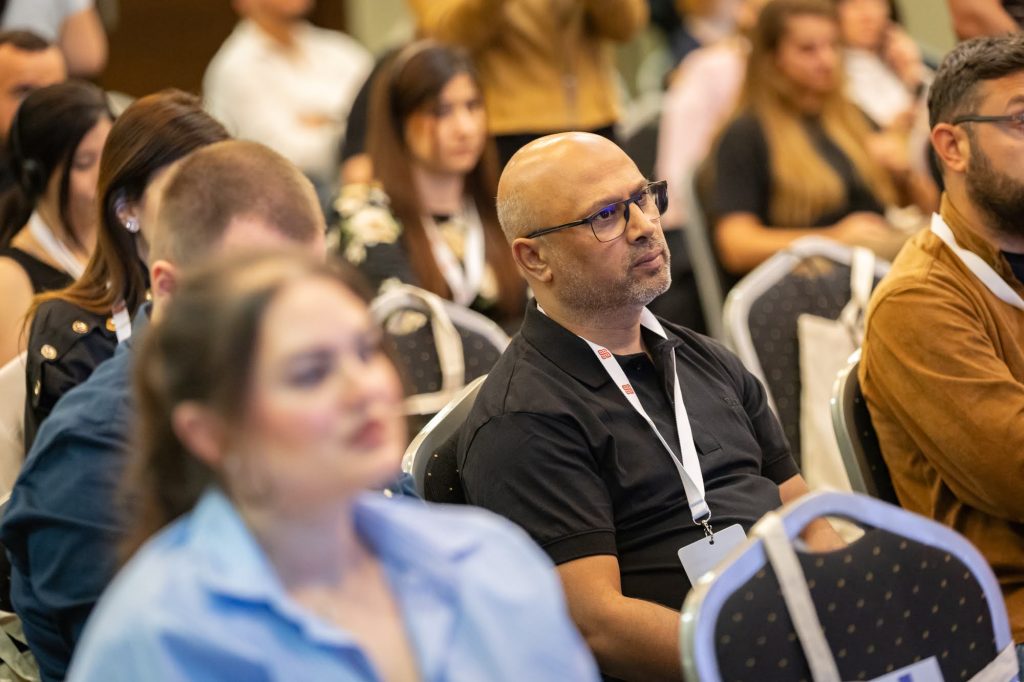
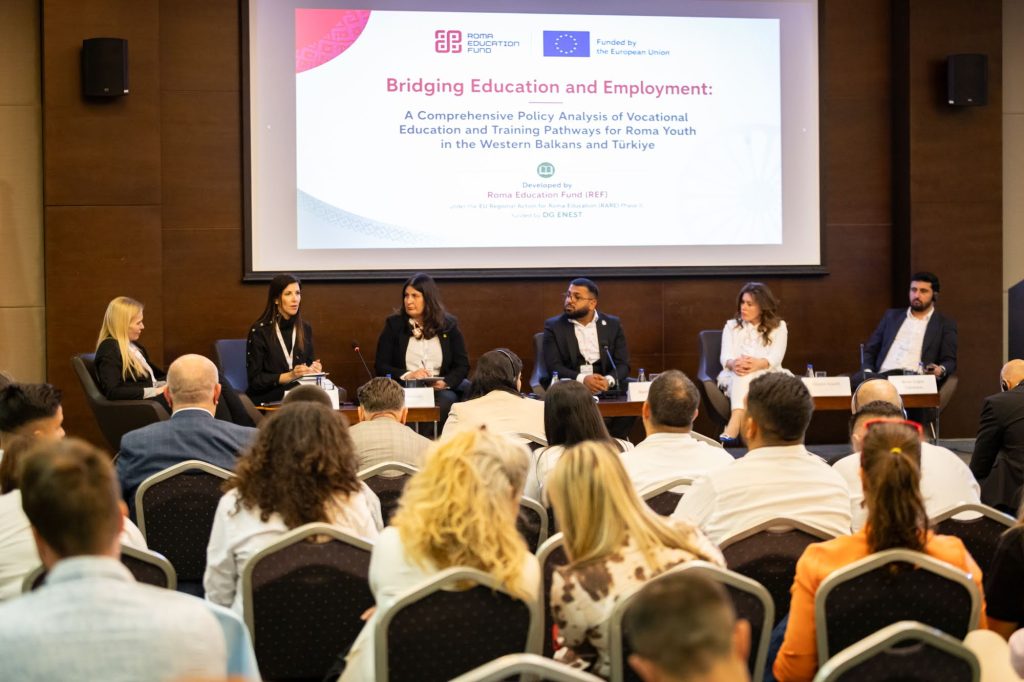
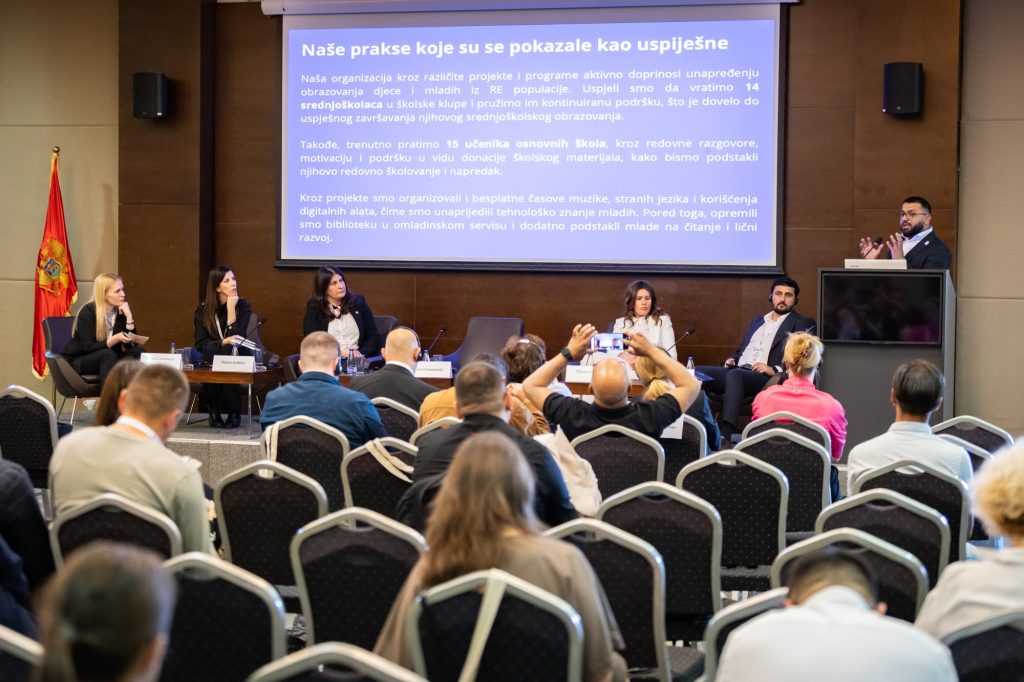
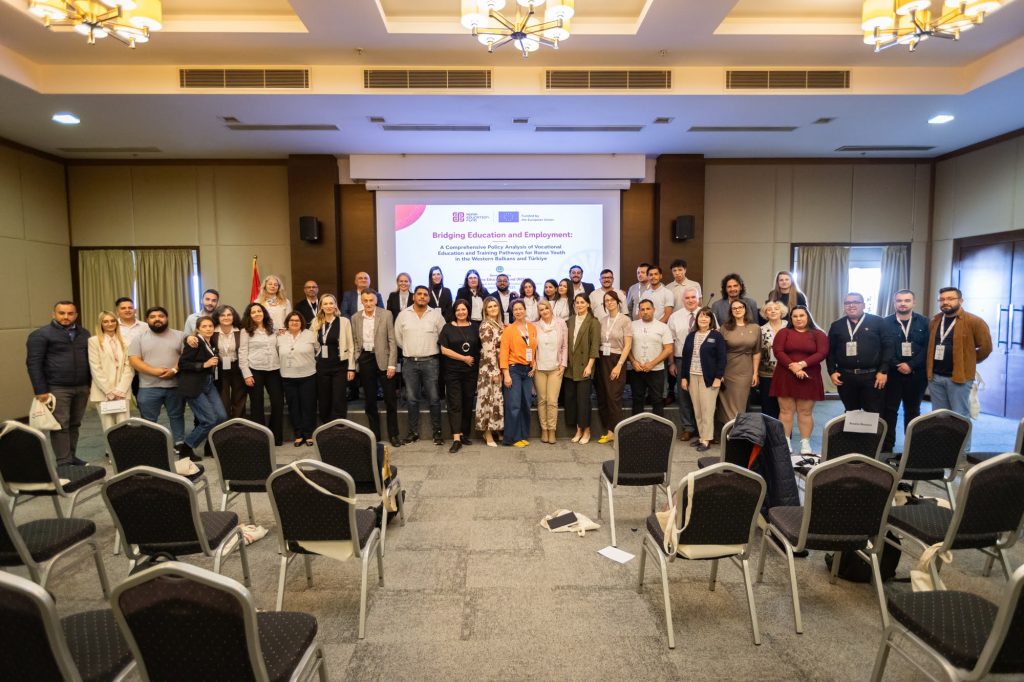
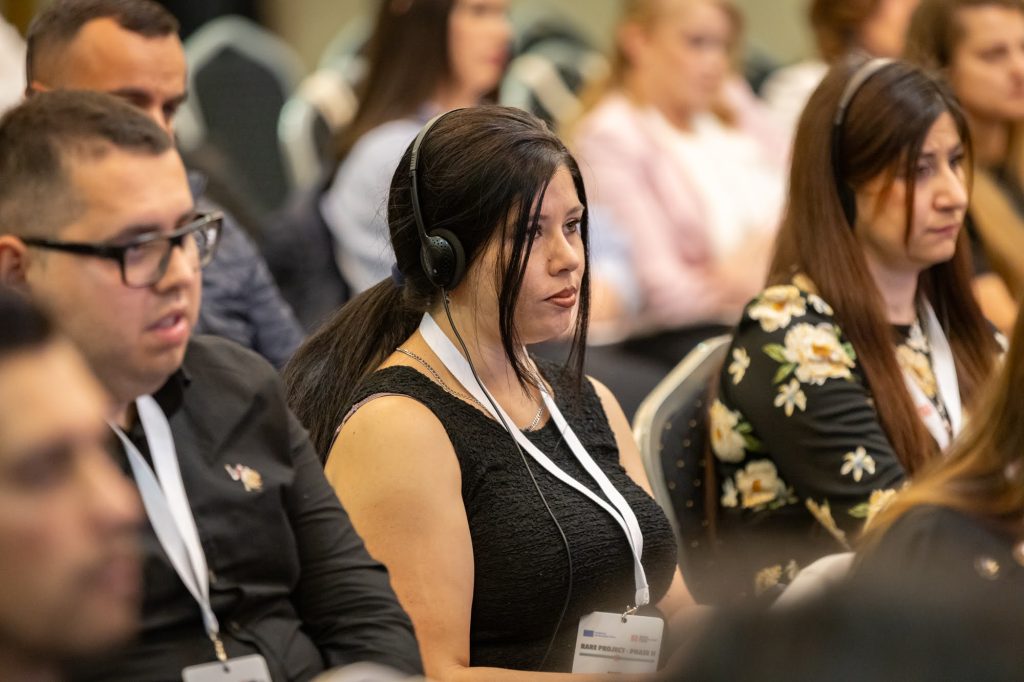
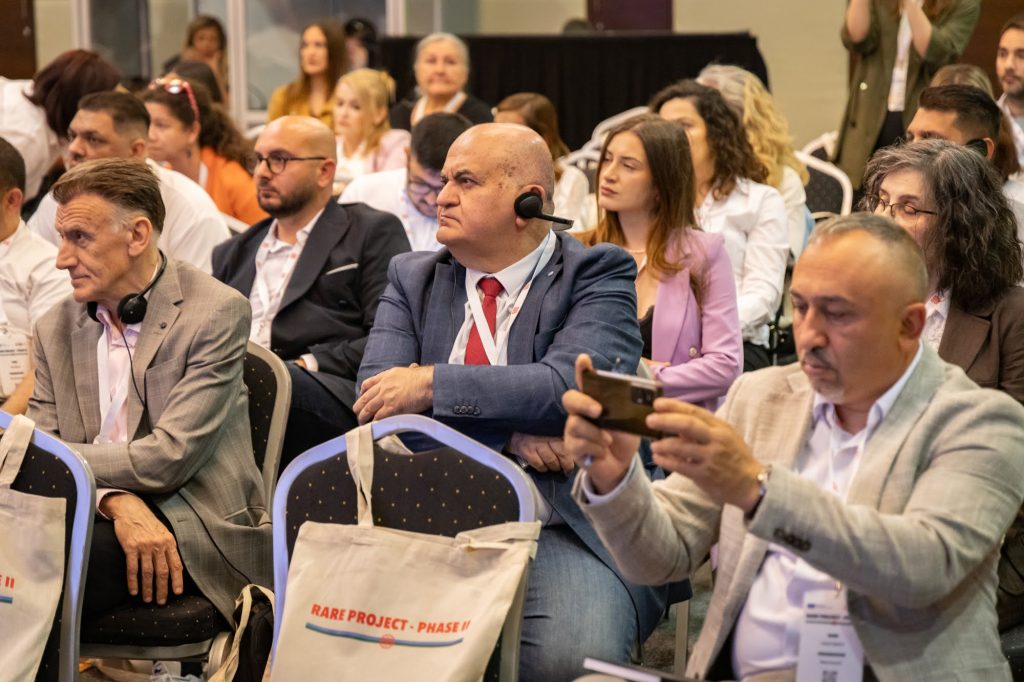
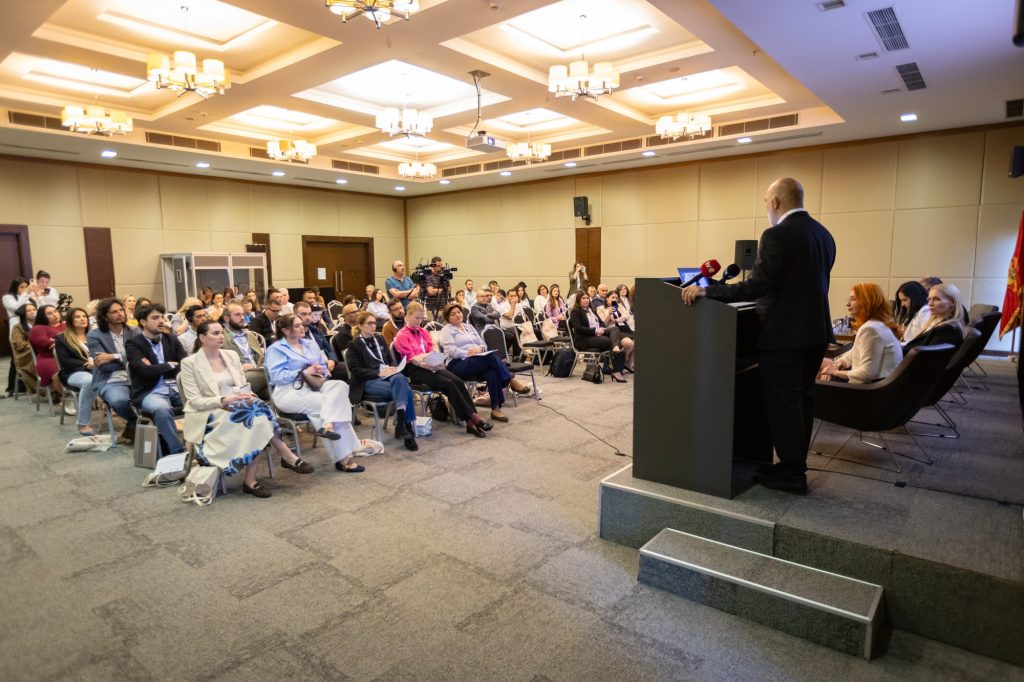
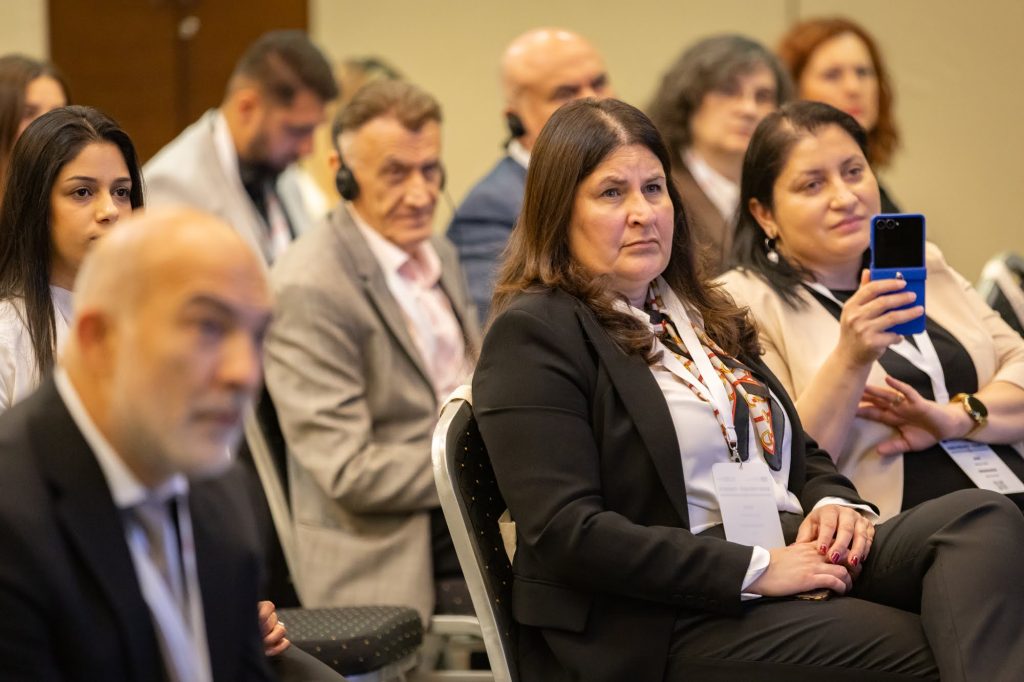
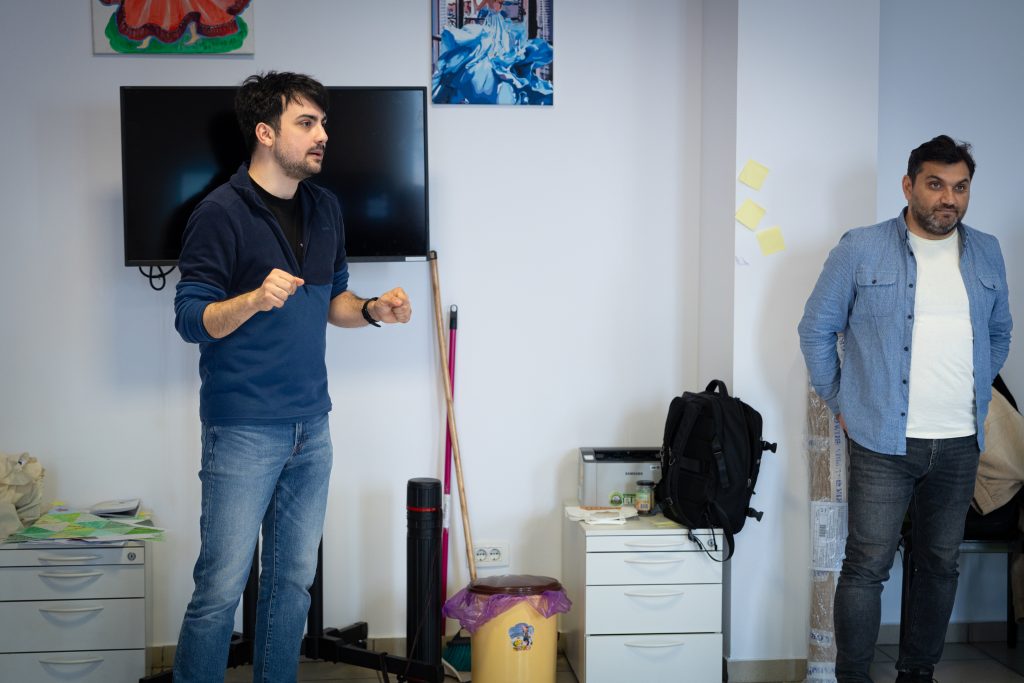
Podgorica, 28 April 2026 – Europe is running out of time to ensure its education systems translate into real employment outcomes and one of its youngest populations, Roma youth, continues to be left behind. At a regional event hosted by the Roma Education Fund (REF), in partnership with HELP – Hilfe zur Selbsthilfe, policymakers, experts, and practitioners gathered in Podgorica to confront a growing paradox: while labour shortages are intensifying across the Western Balkans and Türkiye, Roma youth remain largely excluded from both quality education outcomes and formal employment.
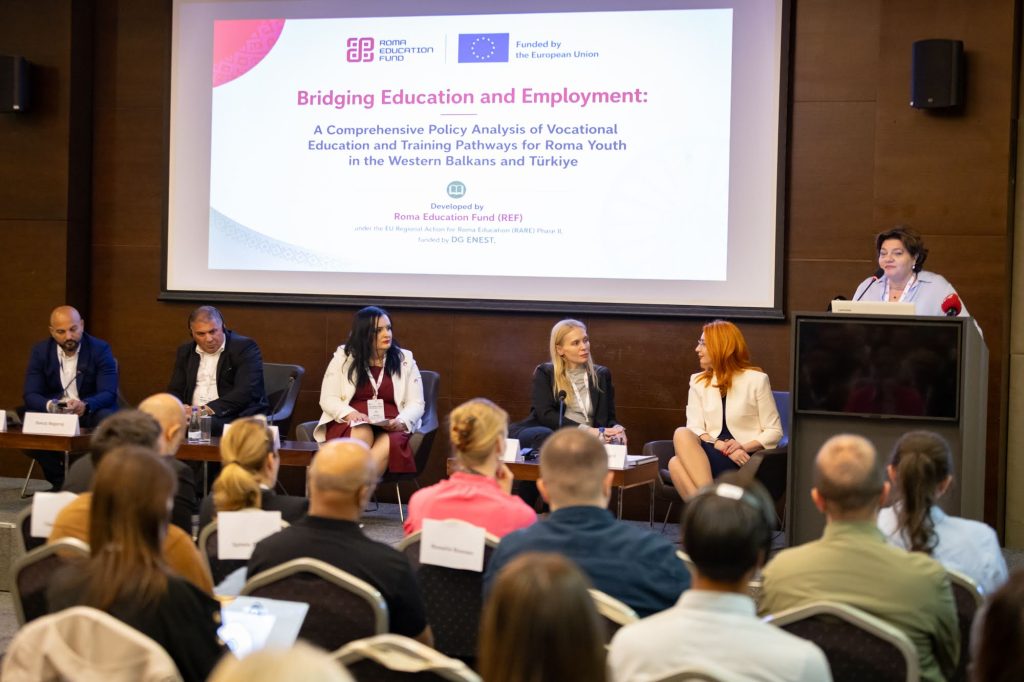
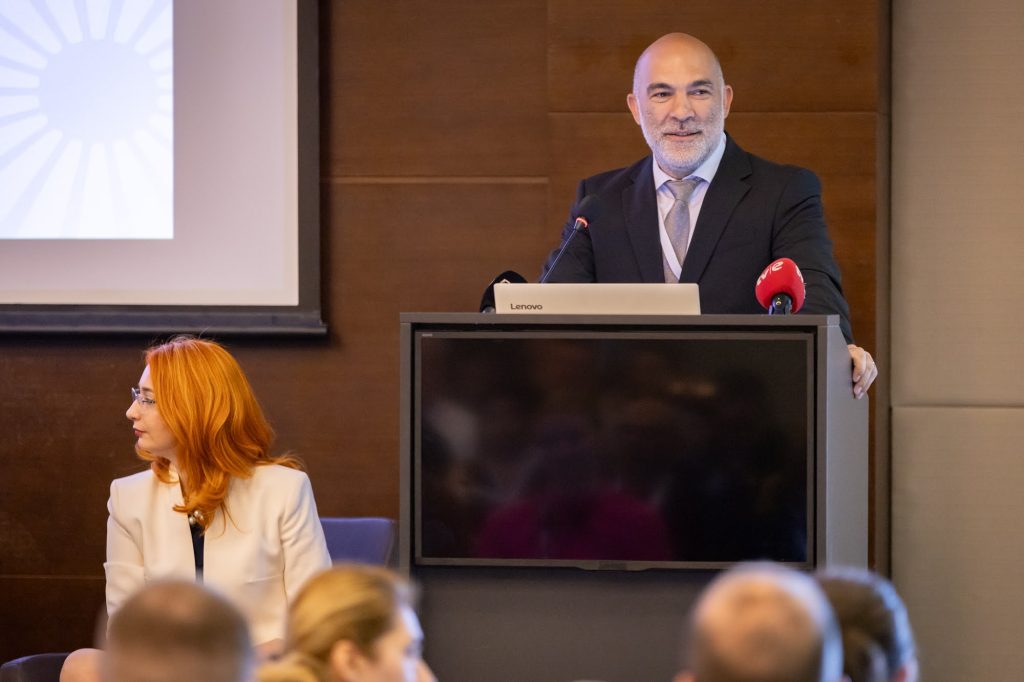
The conference and the accompanying Regional Policy Report were developed by REF within the framework of the EU Regional Action for Roma Education (RARE) Phase II, funded by the European Commission Directorate-General for Enlargement and the Eastern Neighbourhood.
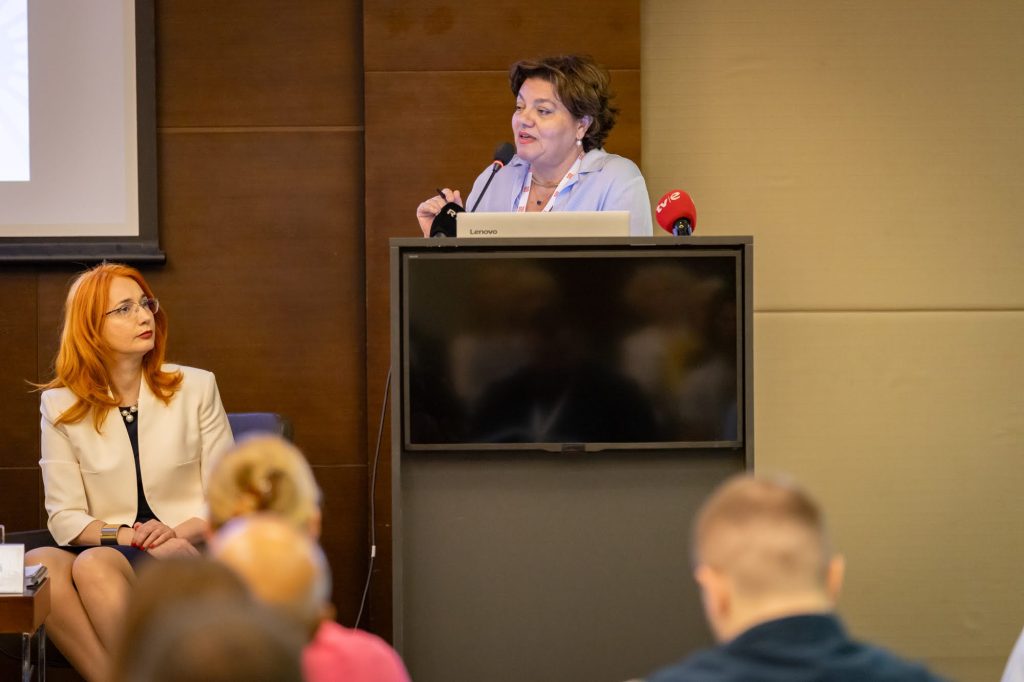
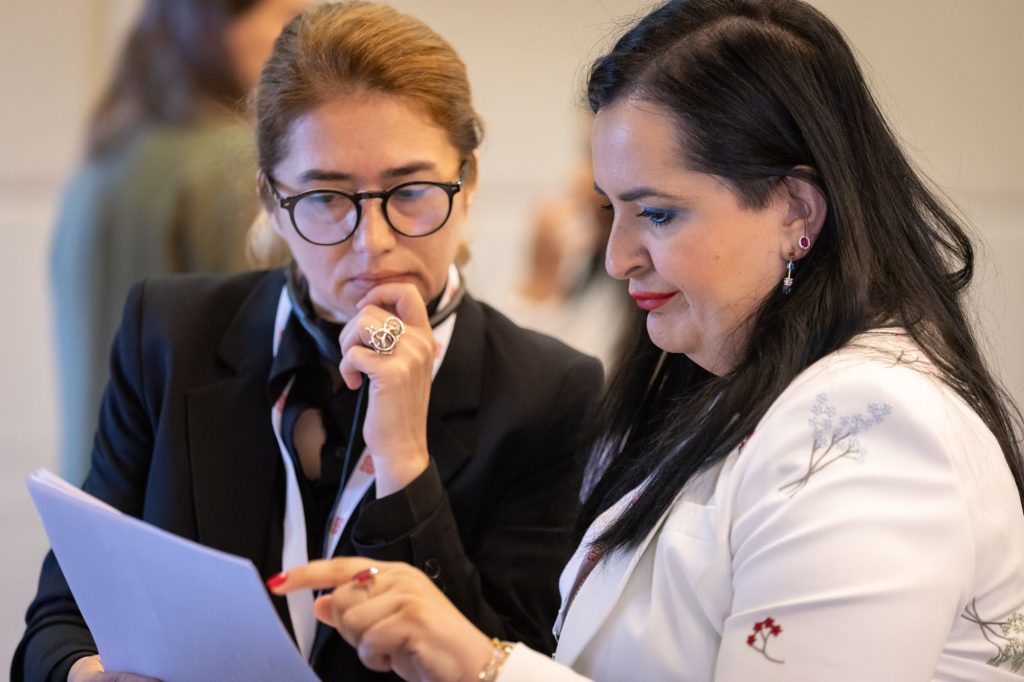
The discussion comes at a critical moment for Europe’s labour markets and reflects a broader systemic challenge, how to move from access to education toward outcomes that lead to economic participation. This shift is at the core of REF’s current strategy, which focuses on building direct and sustainable pathways between education systems and the labour market.
The event marked the launch of the policy report“Bridging Education and Employment,” developed by the Roma Education Fund under the EU-funded Regional Action for Roma Education: Increased Education Support and Opportunities for Roma Students in the Western Balkans and Türkiye (RARE), Phase II. The report assesses the effectiveness of vocational education and labour market integration policies across seven countries, compares national approaches, analyses the key barriers and enabling factors shaping Roma youth transitions, and maps existing systems to inform actionable, evidence-based recommendations. The analysis also incorporates a gender lens, highlighting disparities in participation, outcomes, and access to opportunities for Roma girls and young women.
Opening the event, Ciprian Necula, Executive President of REF, set the strategic direction for this transition:
“If education is not connected to social and economic realities, it cannot deliver outcomes. Too often, education systems prepare people for opportunities that do not exist. If we want real impact, investments in education must be aligned with labour market demand and future needs. At the Roma Education Fund, we aim to design interventions based on real conditions and develop models that can be taken forward by governments and scaled within public systems. Because a person without education and without a job is unlikely to participate meaningfully in society, strengthening the link between education and employment is not only an economic priority, but a democratic one.”
He was followed by Symela Tsakiri, Team Leader at the European Commission’s Directorate-General for Enlargement and Eastern Neighbourhood (DG ENEST), who highlighted the role of EU support in advancing inclusive education and employment pathways across the region:
“The study we are presenting today clearly shows the need to move from informal to formal employment and to boost entrepreneurship. There is untapped potential within the Roma population that we must cultivate.”
A central theme throughout the discussions was the role of vocational education and training (VET). While VET systems are widely established, they often fail to translate into employment, particularly for Roma youth, pointing to a disconnect between education systems and labour market demand.
The discussion continued with Panel I: Policy Leadership for the Future of Work, moderated by Claudia Craiu, Public Affairs Director at REF:
“Building a pipeline from education to employment is essential, and this is at the core of REF’s Skills and Employment strategy. But for this to work, it must become systemic, embedded into public systems and delivered at scale. This requires a closer partnership between policymakers and organisations like REF, which are already testing and implementing models that work.”
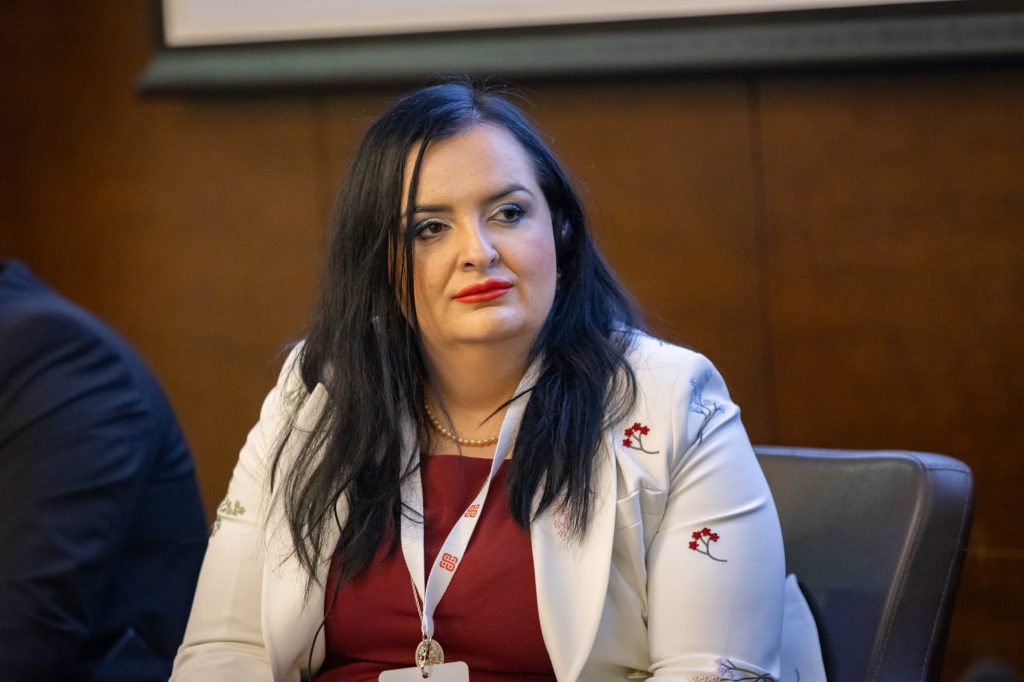
The panel brought together government, policy, and practitioner perspectives. Naida Nišić, Montenegro’s Minister of Labour, Employment and Social Dialogue, highlighted the challenge of translating policy commitments into tangible labour market outcomes, while Sokolj Beganaj, National Contact Point for Roma Issues, brought forward the realities of how these gaps are experienced at the community level.
“Montenegro faces a clear imbalance between labour demand and supply, while a significant part of the Roma and Egyptian population remains outside the labour market. This shows that the issue is not only access to jobs, but whether education systems are equipping people with the skills needed to participate. If education does not provide these skills, then this is where we must act. Human potential is the most valuable resource any country has, and our priority is to ensure that this potential is effectively supported and integrated into the labour market” – Naida Nišić, Montenegro’s Minister of Labour, Employment and Social Dialogue.
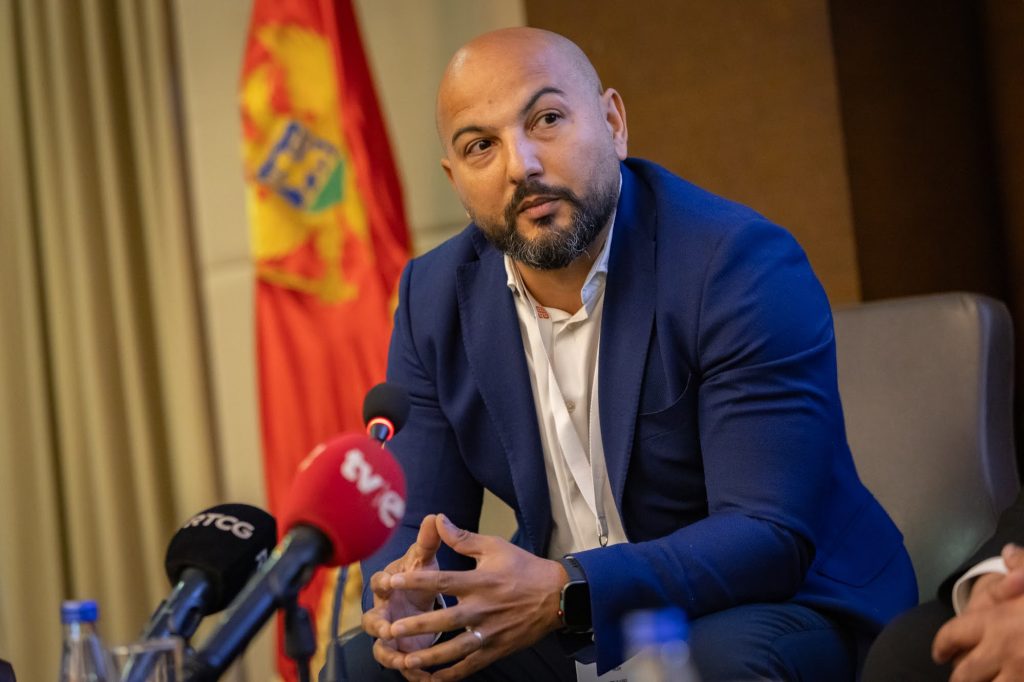
From the private sector perspective, Dr. Petrică Dulgheru, Executive Director of the Roma Entrepreneurship Development Initiative (REDI), highlighted the structural barriers facing Roma entrepreneurs. The discussion was grounded in evidence by Prof. Dr. Georgeta Pânișoară, habilitated doctor in Educational Sciences and professor at the Faculty of Psychology, University of Bucharest, Romania, and lead author of the report. With extensive experience in research, training, and international academic engagement, her work focuses on learning psychology, motivation, and the mechanisms that support resilience and performance. Her contribution brings together academic expertise and applied policy insight, offering a deeper understanding of the challenges shaping education-to-employment transitions, particularly for Roma youth.
Bringing a solutions-oriented perspective, Dr. Marina Savković, Team Leader for Skills and Employment within the REF Network, highlighted what works in practice when education pathways are directly linked to employment outcomes.
Across interventions, a common message emerged: policy ambition is not the constraint, system coordination and execution are.
The event continued with Panel II: From Evidence to Action – Scaling Good Practices, moderated by Marina Savković. The session brought together practitioners working directly on education and employment pathways for Roma communities, including Barbara Jovanovic (REDI Serbia), Dijana Anđelić (HELP Montenegro), Dijana Vujačić (Economics High School “Mirko Vešović”), Baran Çağlar Çetinkaya (Zero Discrimination Association, Türkiye), and Nardi Ahmetović (NGO “Carep”).
The discussion focused on concrete examples of what works, from vocational training and mentoring to employer-linked programmes, and on the conditions required to scale these models. A central theme was the need to move from isolated projects to system-level solutions through stronger institutional ownership, coordination, and long-term investment.
Evidence presented at the event pointed to integrated models, combining financial support, mentoring, and direct employer engagement, as the most effective approach, yet still the exception rather than the rule.
The report’s findings confirm this gap. While policy frameworks are largely aligned with EU priorities, implementation remains weak. Coordination between education, labour, and social systems is fragmented, and successful interventions often remain small-scale or dependent on external funding.
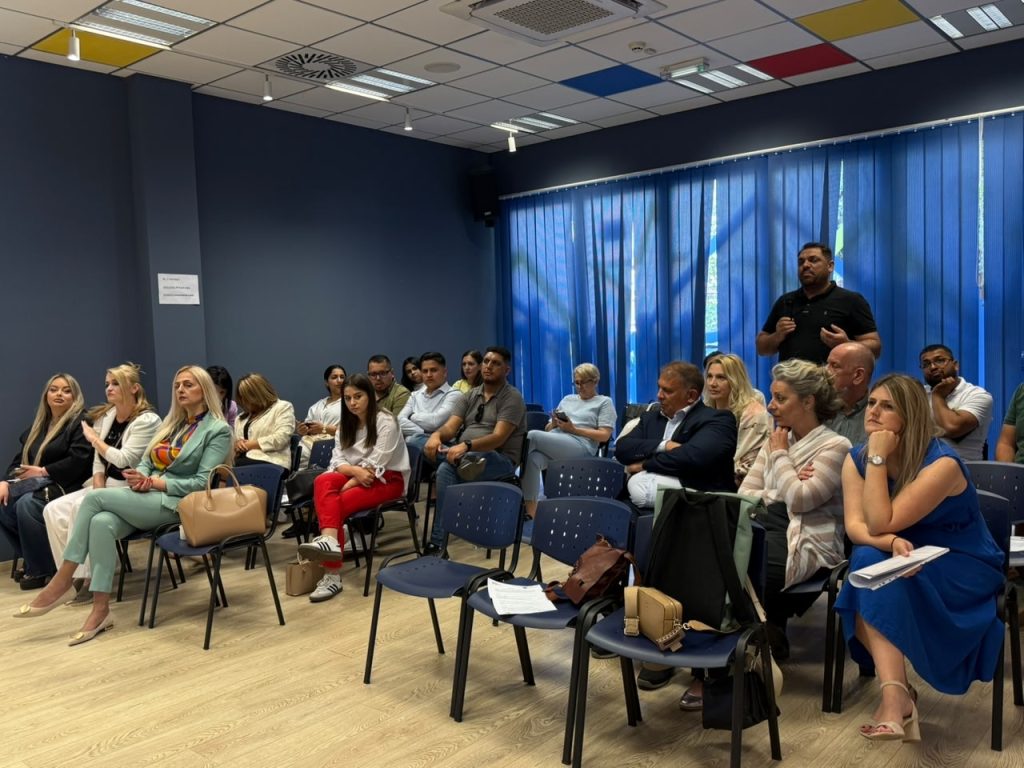
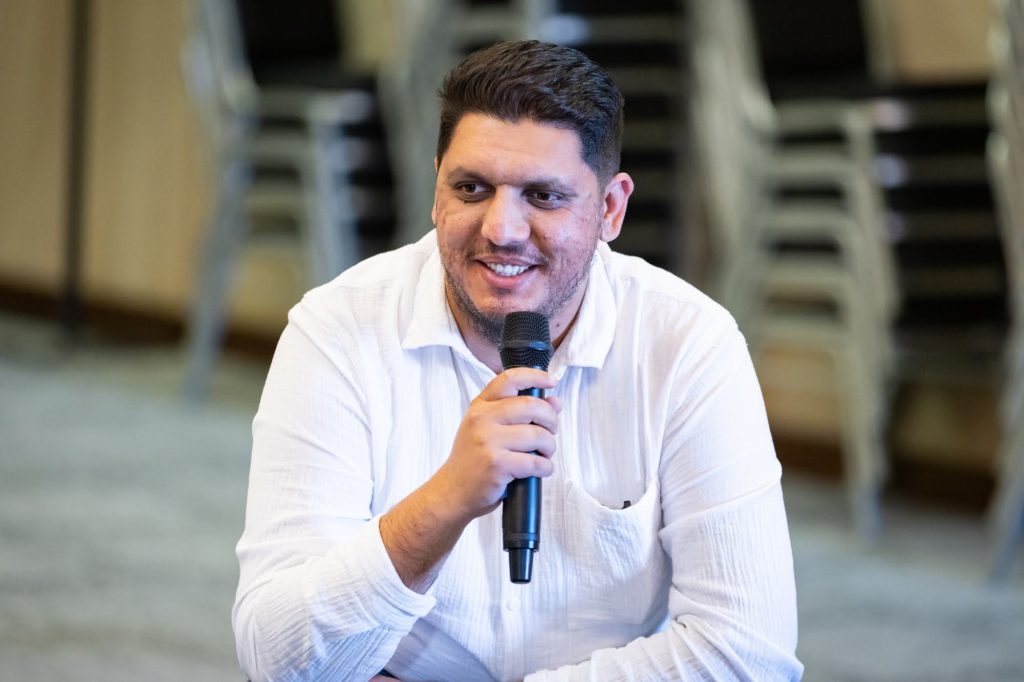
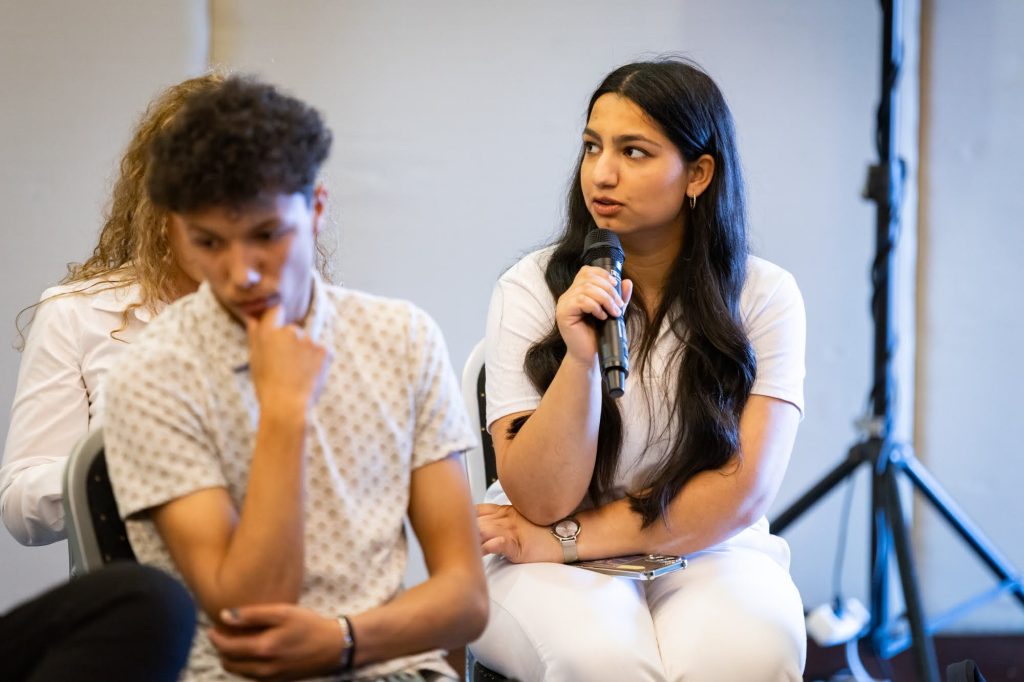
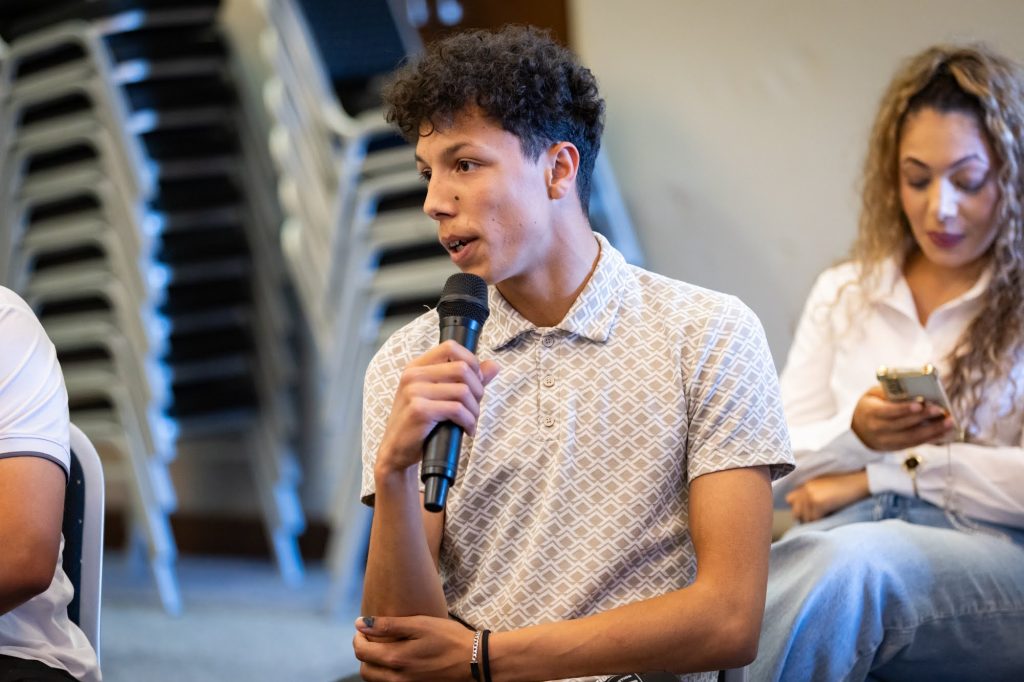
The day concluded with a substantive discussion with secondary and tertiary students participating in the Regional Action for Roma Education: Increased Education Support and Opportunities for Roma Students in the Western Balkans and Türkiye (RARE), Phase II, in Montenegro, bringing forward first-hand perspectives on the needs and daily challenges they face.
For more than two decades, REF has supported Roma students across the region. Today, its strategy places increasing emphasis on connecting education outcomes with labour market participation through models that link skills development directly to employment opportunities and that are designed to be replicated and scaled within public systems.
As Europe looks to strengthen its competitiveness and resilience, the question is no longer whether inclusion is necessary, but whether systems are capable of delivering it. Because the cost of failure is not only social, it is economic.
The full report, “Bridging Education and Employment,” developed under the Regional Action for Roma Education: Increased Education Support and Opportunities for Roma Students in the Western Balkans and Türkiye (RARE), Phase II, can be downloaded HERE.
“I believe the launch of this report is only the first step in a broader process of systemic change. The report presented in Montenegro will be actively disseminated to relevant stakeholders and public institutions across the other six project countries, with the aim of fostering evidence-based dialogue and improving public policies for Roma communities. We hope that its recommendations will be integrated into national strategies, strengthening support mechanisms for Roma youth transitioning from education to the labour market. In the coming period, we will continue to promote regional cooperation, the exchange of good practices, and the engagement of key actors to turn these findings into concrete and sustainable actions” – Monica Calin, project manager the Regional Action for Roma Education: Increased Education Support and Opportunities for Roma Students in the Western Balkans and Türkiye (RARE), phase II project.
Across Borders, Roma Youth Build a Grassroots Model for Inclusion
Posted on April 20, 2026 by admin3
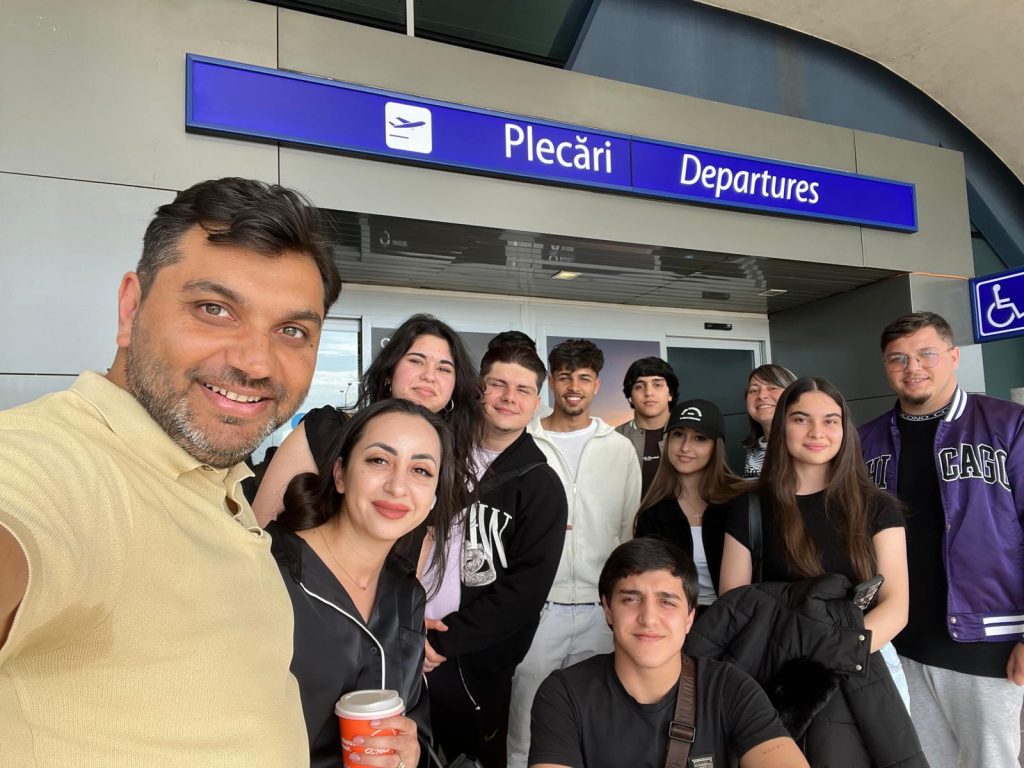
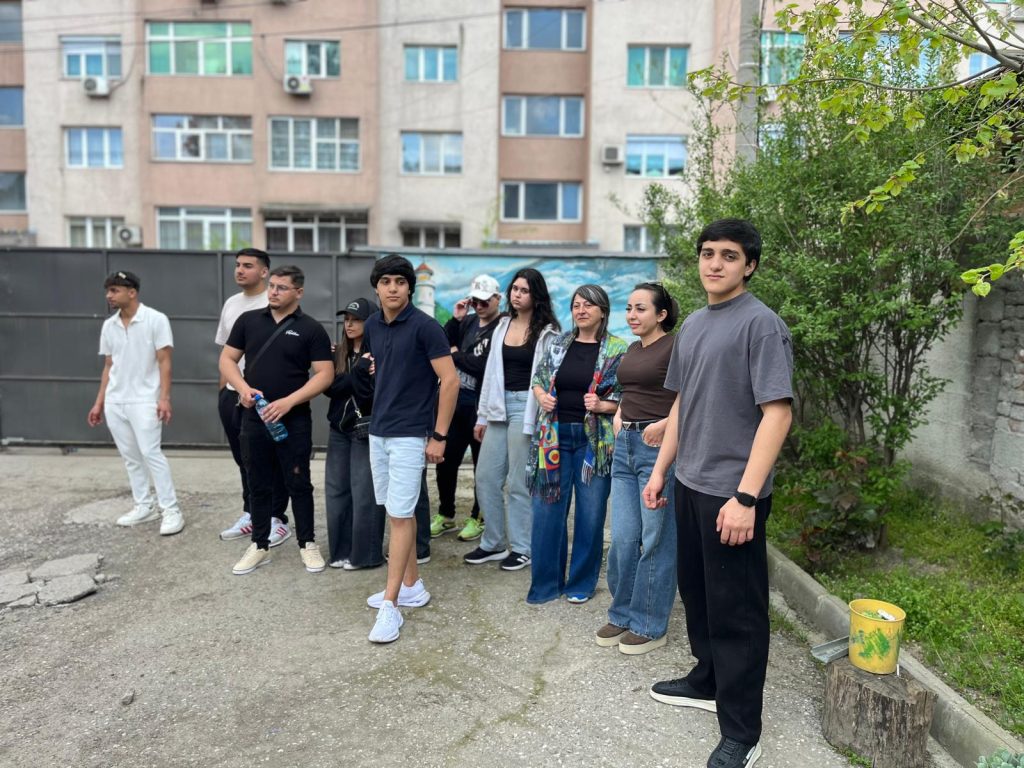
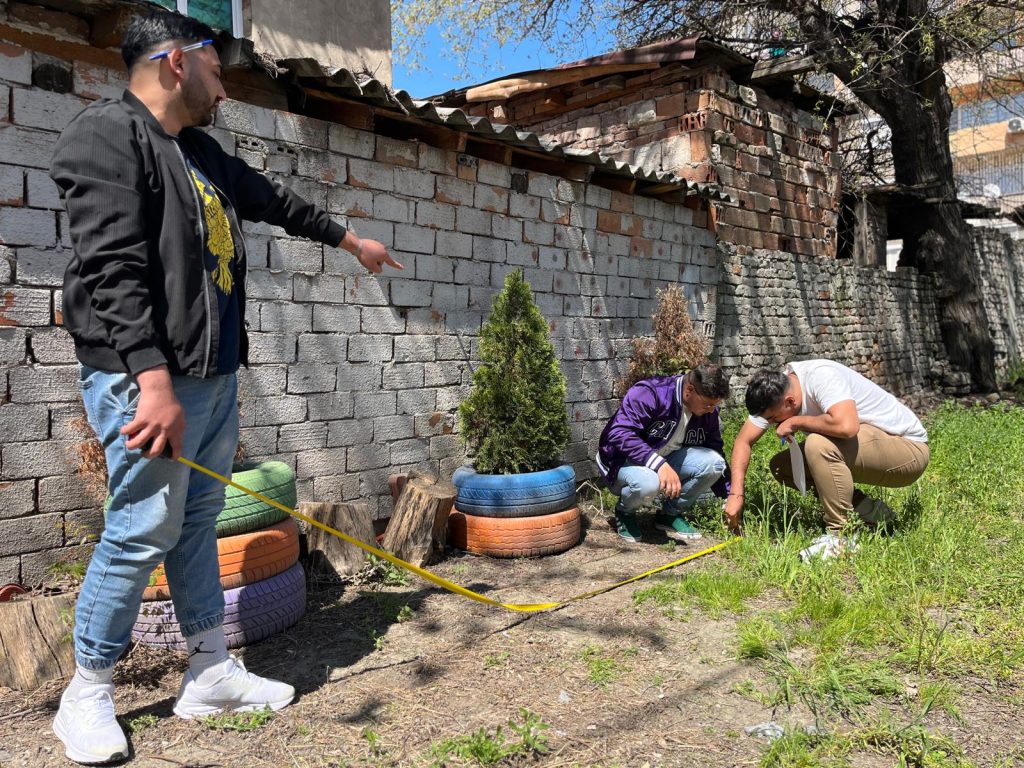
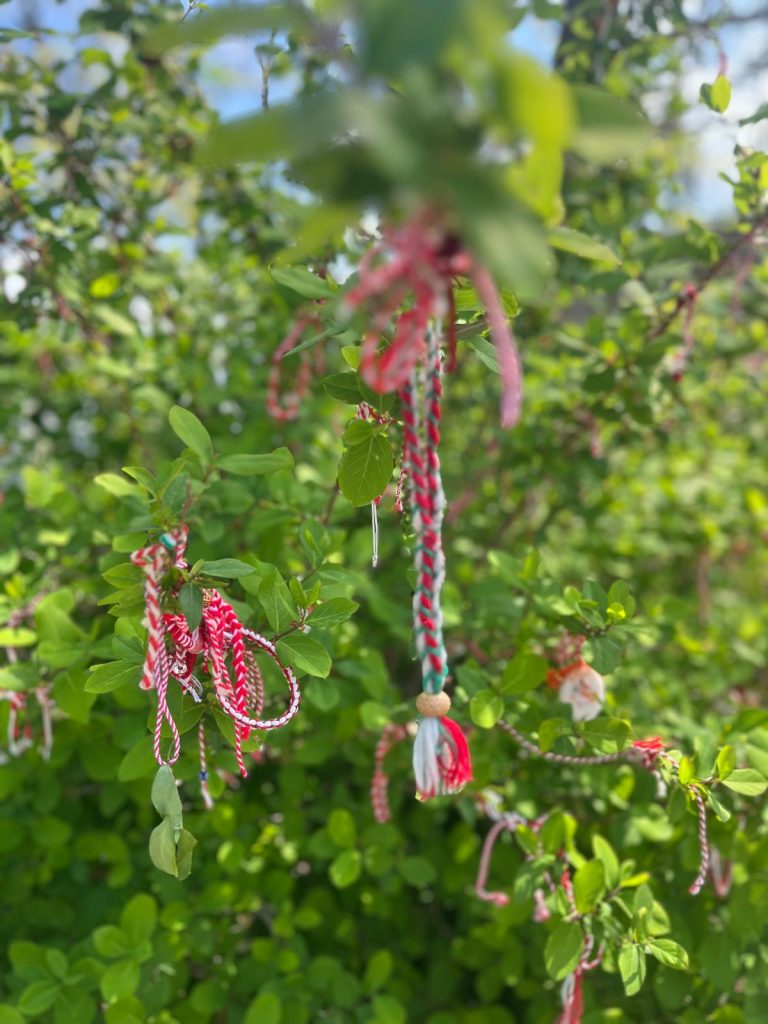
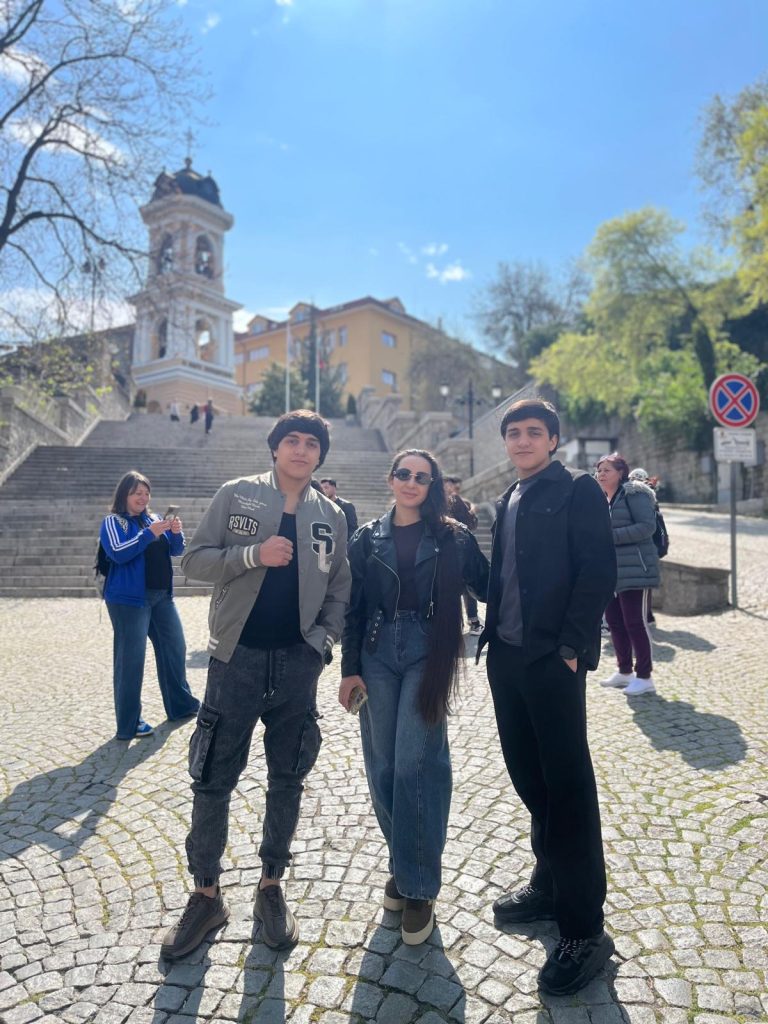
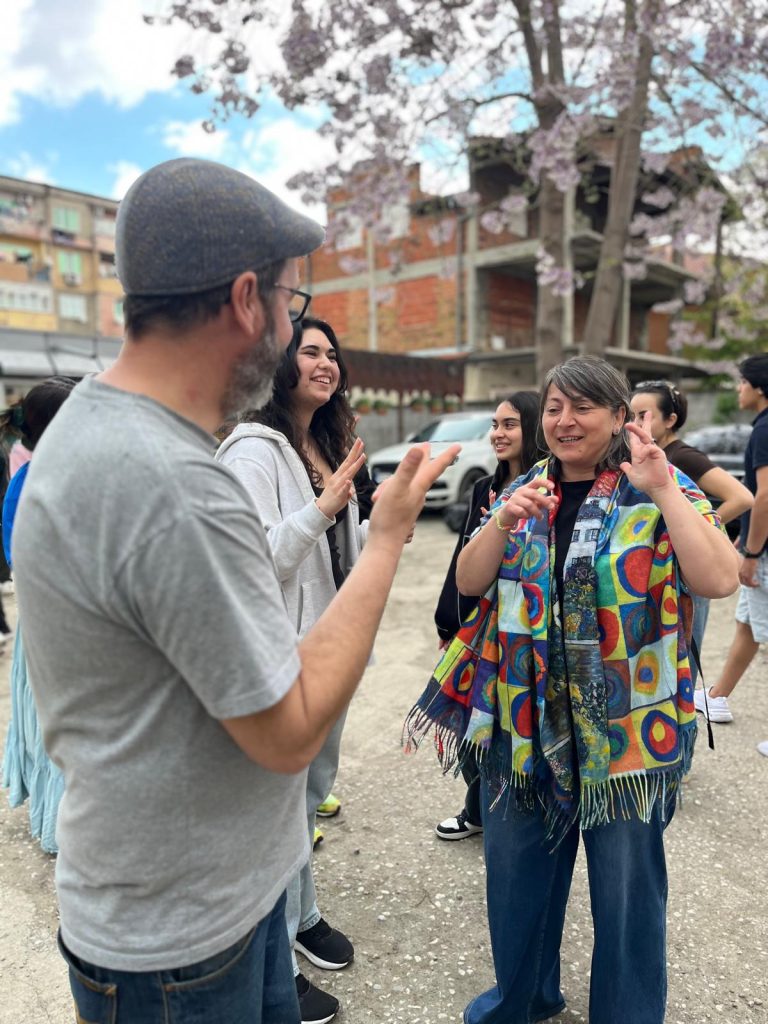
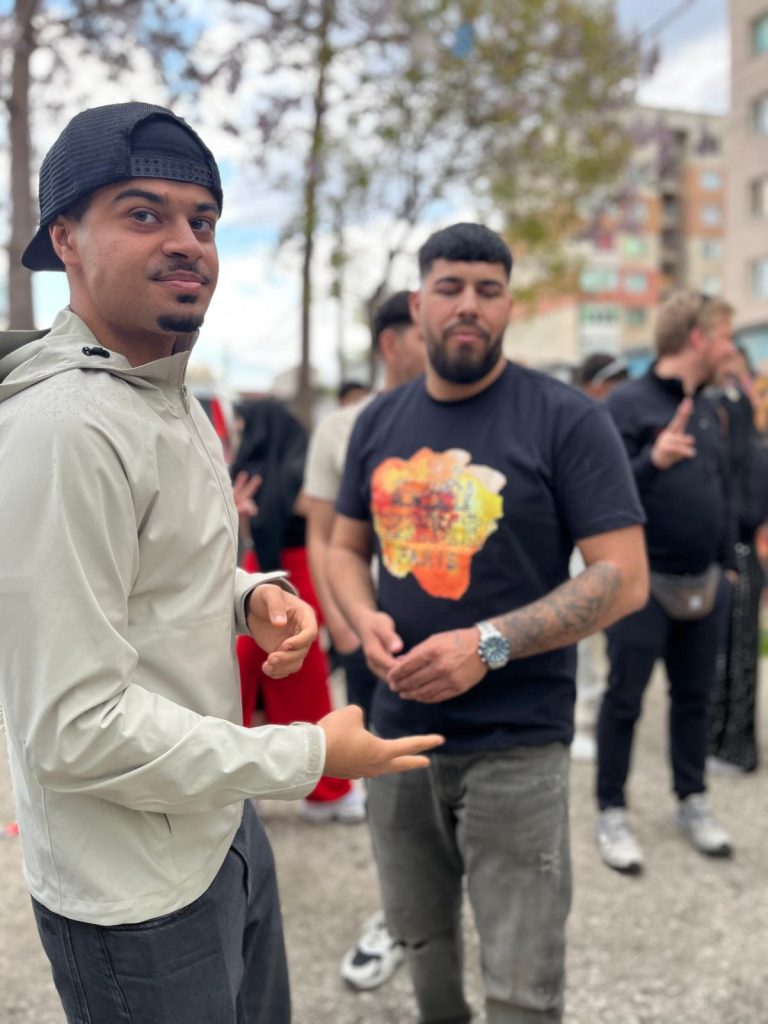
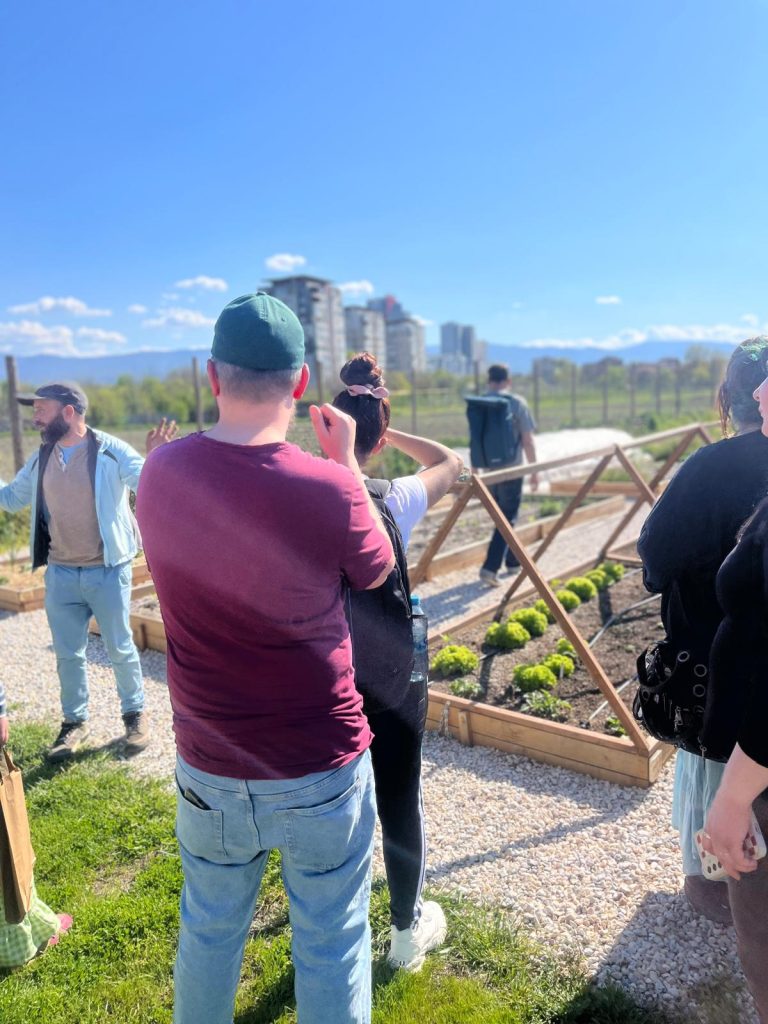
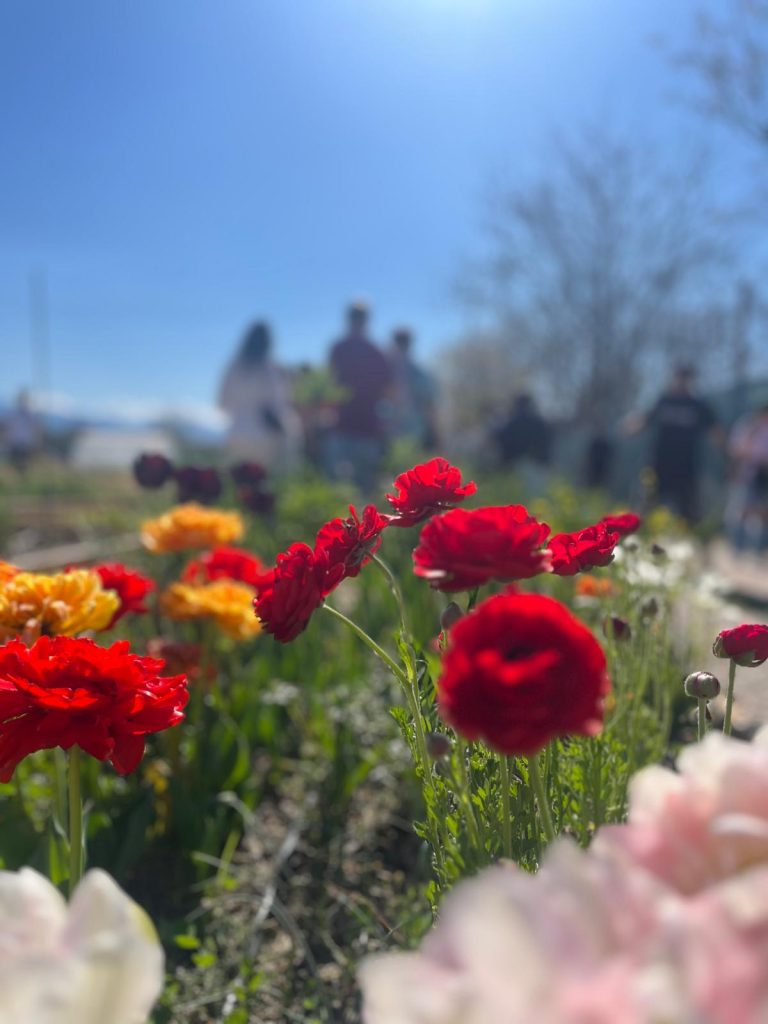
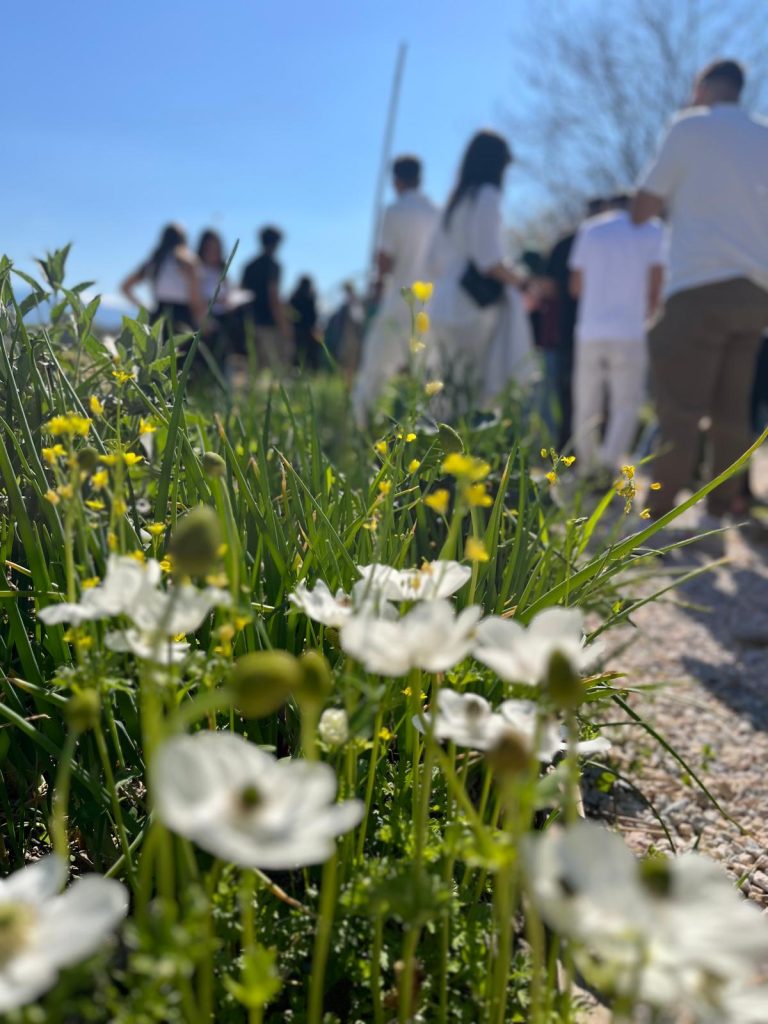
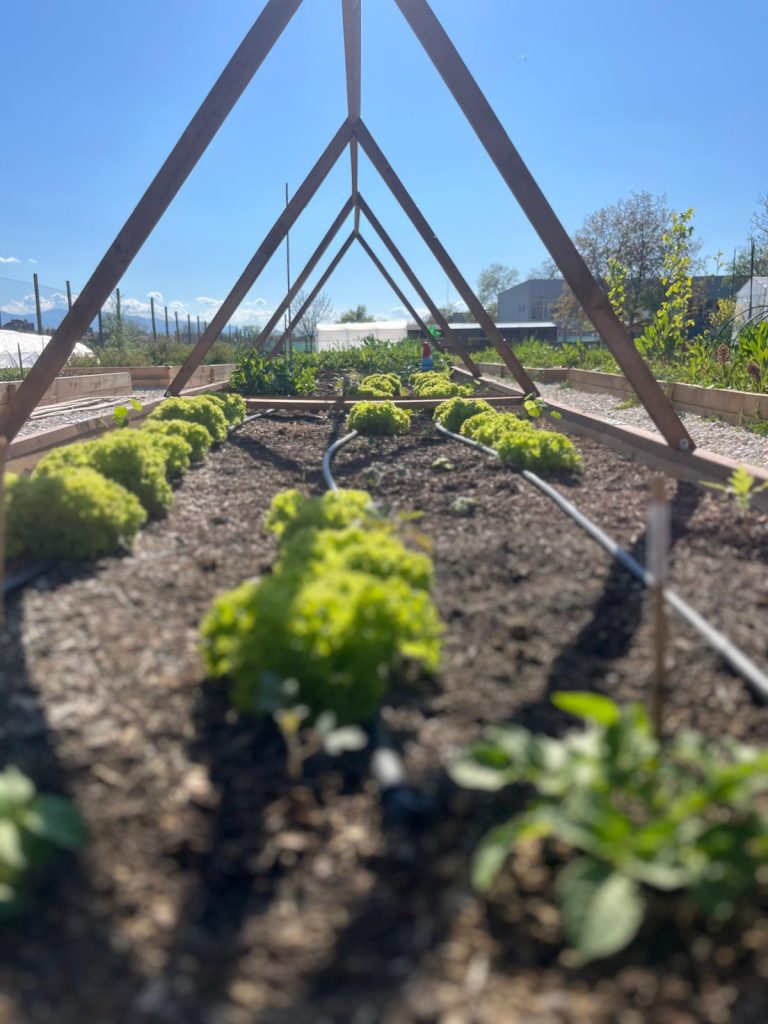
In Plovdiv, young people from Romania, Bulgaria, and Germany are working together to design and build an urban garden in Stolipinovo, one of the largest Romani neighbourhoods in Europe. The initiative, funded by Erasmus+ and the city of Dortmund, brings together ecological action and youth empowerment, with a clear objective: to move young Roma from participants in projects to designers of change in their own communities.
The approach reflects a broader shift in how inclusion is understood. Across Europe, policies have focused on improving access to education and employment. But access alone has not translated into sustained participation or long-term outcomes. This initiative tests a different premise, one that places agency at the centre.
The project began with immersion. Participants explored Plovdiv’s urban environment, including community gardens that have transformed underused spaces into shared assets. These examples served as practical models for what local, small-scale interventions can achieve when ownership sits with the community.
The focus then moved to Stolipinovo. Local youth workers presented ongoing efforts around environmental responsibility and community engagement, grounding the project in lived realities rather than abstract design.
From there, the work became concrete. Together, the group began designing an urban garden that will be built within the community. The process integrates urban gardening, upcycling, and solidarity-based agriculture with local knowledge and cultural identity. It is both a learning space and a public space, designed to serve the community while building skills among those creating it.
For Roma youth, the significance is structural. Opportunities to lead, design, and implement are limited within existing systems. This initiative creates a framework where young people take responsibility, make decisions, and see direct results of their work, strengthening both competence and confidence.
„The goal of the project is to empower members of the Roma community near Plovdiv to develop their own space where they can interact with one another as well as with visitors. In this way, they will imprint their sense of identity on the place where they live, inviting outsiders to come closer, get to know them, and spend time together. The project is also very rewarding because it brings together young people from different countries, regions and spaces to share their vision of what such a space should look like, and then to collaborate to build something special for this community, a place that is both inviting and enjoyable to be in, as well as productive and sustainable. The final goal of the project is for young people to replicate the experience they’ve had here and try to initiate similar projects back home in their own countries and communities.” Alexandru Zamfir, project manager REF
The cross-border dimension adds another layer. By bringing together participants from different countries, the project fosters collaboration beyond national contexts and challenges persistent stereotypes. These exchanges are not symbolic, they create networks that can support future initiatives and scaling.
The long-term objective is not the garden itself, but what follows. Participants return to their communities with practical skills and a different understanding of their role, equipped to act as multipliers, initiate similar actions, and contribute to local development processes.
„We quickly became friends with the colleagues from Bulgaria and Germany. Even though we come from different countries, we discovered that we have many things in common, and that brought us closer very quickly. The Romani language was a true connection between us, because it helped us communicate more easily and made us feel that we belong to the same community, even though each of us comes from a different part of Europe. During these days, we visited the city and the Roma community where we will work, and the experience was very interesting and valuable. We understood better the reality of the place and the needs of the people here. The idea of cooperating with other young people is very important, because together we can come up with better solutions and learn from one another. I believe that these urban gardens will have a positive impact both in the short term, by improving the space and involving the community, and in the long term, by developing responsibility and stronger connections between people.” – Sorina-Maria Urdoi, participant
If the project proves anything, it is this: inclusion works differently when it moves beyond access and starts with agency. When young people are trusted to design, decide, and deliver, outcomes are no longer temporary, they begin to sustain themselves.
Implemented by GrünBau Dortmund in partnership with the Stolipinovo Youth Club and Roma Education Fund Romania, the project is still in its early stages. But its direction is already defined: change is more sustainable when it is designed from within.
REF launches “GreenTech Teaching Champions” to connect Education, Employment and Leadership in Slovakia’s Green Transition
Posted on March 31, 2026 by admin3
PRESS RELEASE | Bratislava, Slovakia, March 31st, 2026
Roma Education Fund (REF) announces the launch of the “GreenTech Teaching Champions” project, a four-year initiative focused on aligning education with labour market opportunities and strengthening long-term community resilience in Slovakia. Supported by the Villum Foundation, the project has a total budget of approximately €1.13 million. The project is implemented with the advisory support of Roma Entrepreneurship Development Initiative (REDI Slovakia) team, leveraging their expertise in green economy business development and entrepreneurship.
Implemented gradually in the regions of Prešov, and later in Košice, and Banská Bystrica, the project responds to a structural challenge across Europe: education systems continue to produce learning outcomes that are insufficiently connected to real economic opportunities, particularly for young people from marginalized Roma communities. “GreenTech Teaching Champions” addresses this gap through a systemic approach that connects learning, employment, and long-term leadership.
“The green transition requires every talent available, including those often overlooked. Ultimately, we want to put Roma students at the forefront of technological innovation, far from the image of cheap labourers. This project also marks a strategic evolution for REF. We are moving beyond individual support or local interventions to work directly with the system, ensuring that inclusive pedagogy and green tech expertise become permanent features of vocational education,” says Stanislav Daniel, director of REF Slovakia.
The project places teachers at the centre of transformation. Through a newly established GreenTech Hub in Prešov, complemented by satellite labs in Košice and Banská Bystrica in later phase of the project, vocational teachers will co-develop and complete accredited training modules in green technologies (renewable energy and IoT), inclusive pedagogy, and business and entrepreneurial skills. This is not only about upgrading technical knowledge. It is about redefining how education functions, embedding inclusion, critical thinking, and real-world applicability into everyday teaching practice.
The initiative also establishes a direct link between education and the labour market. Employers are integrated into a continuous quality assurance loop, ensuring that the skills developed in classrooms reflect real economic demand. This creates a clear pathway from training to employment, positioning students, particularly those from Roma communities, as active participants in the green economy transition.
At the same time, the project is designed to generate long-term system impact. A core group of “Teaching Champions” will be trained to transfer knowledge across institutions, while the accreditation of the developed modules, particularly in inclusive pedagogy, anchors these approaches within Slovakia’s national teacher training system. This ensures that impact extends beyond the project itself and becomes embedded in public structures.
REF Slovakia leads the implementation of the project, coordinating partners and stakeholders across institutional levels, including self-governing regions, national authorities, universities, and private sector actors.
Through this initiative, REF advances its strategic vision of building resilient Roma communities through education by moving beyond access towards competence, economic participation, and leadership. “GreenTech Teaching Champions” is not only a project. It is a model for how education systems can evolve: from delivering knowledge to enabling agency, economic validation, and long-term societal impact.
Meeting with the President of North Macedonia Advancing Roma Education and Economic Inclusion
Posted on March 3, 2026 by admin3
A high-level meeting with Gordana Siljanovska-Davkova reaffirmed the shared commitment to advancing quality education and sustainable economic participation for Roma communities in North Macedonia. We appreciated the opportunity to meet with the President of North Macedonia and to engage in a substantive exchange alongside our partners from Roma Foundation for Europe.
The discussion focused on what truly matters for long-term inclusion: quality education, skills development, and real pathways to employment for Roma communities. We presented our ongoing initiatives aimed at strengthening digital competencies, expanding educational access, and fostering sustainable economic participation.
The President emphasized a point we strongly share: education is the foundation of social mobility. It builds confidence, shapes leadership, and creates role models within communities. Early inclusion in preschool and primary education is not optional. It is decisive. Without quality education, opportunities for stable employment remain limited.
We also discussed concrete next steps. In the coming months, our team plans to open a Complementary Education Center in Shuto Orizari, a municipality of Skopje widely recognized as one of the few in Europe with a Roma majority population and a strong cultural and community identity. “Our team will work with children, parents and teachers on digitalization, innovative learning methodologies, and the development of skills for future employment and leadership,” explained Redjepali Chupi, Director of REF North Macedonia.
The meeting reaffirmed a clear and shared understanding that education is fundamental to building confidence, expanding opportunity and strengthening long-term economic contribution. Strong partnerships between public institutions and international organizations are essential to translate shared commitments into tangible progress.
When Good Intentions are not Enough – What Romanian Teachers tell us about Teaching Roma History
Posted on March 2, 2026 by admin3
While inclusive education is formally embedded in national and European policy frameworks, the everyday reality inside Romanian classrooms reveals a more complex picture. A recent study conducted by researchers from Roma Education Fund Romania explores how teachers understand and implement intercultural education, with a particular focus on Roma history and culture.
Our Roma community represents the second largest ethnic minority in Romania. Yet essential historical realities like five centuries of slavery, the Roma Holocaust, deportations during the Second World War, and persistent structural discrimination, remain marginal or absent in classroom discussions. While policy language increasingly emphasizes diversity and inclusion, the depth and quality of how Roma history is taught varies significantly across schools.
The study set out to better understand how teachers conceptualize intercultural education, how they address racism in schools, what pedagogical strategies they employ, and what barriers they encounter in attempting to create inclusive learning environments.
The study, Intercultural Education and Teaching Roma History In Romania: Educators’ Perspectives, Challenges, and Pedagogical Practices, led by Ider Ștefan and developed in collaboration with Valentin Negoi and Alexandru Zamfir, was selected for presentation at the 31st International Congress of Applied Psychology in Florence, marking the first time Roma Education Fund Romania has been represented at this high-level global forum. The Congress is one of the most prestigious international platforms in applied psychology and educational research, and the acceptance of the study signals the international relevance of its findings.
The research analyzed responses from 25 female teachers, aged 23 to 54, working in both urban and rural schools, with Roma student populations ranging from 0% to 100%. Participants completed open-ended questionnaires following a structured training on intercultural education and Roma history.
“What this study demonstrates is that all participants are united by the values they share when it comes to inclusion, despite the lack of infrastructure to support them. Teachers do not avoid difficult conversations about the history, discrimination, and identity of the Roma; on the contrary, they are willing to engage in them. However, without systematic training, validated resources, and clear institutional support, inclusion remains an individual effort rather than a coherent educational policy” – Ider Ștefan, PhD candidate and coordinator of Research and Development Division within the REF Romania.
Using thematic analysis, the study identified five central findings with direct implications for educational policy and teacher training.
First, teachers conceptually embrace intercultural education. They speak about empathy, respect, equality, and diversity with clarity and conviction. There is no rejection of inclusive values. On the contrary, there is strong theoretical alignment with them.
Second, educators identify the competencies required for inclusive practice: socio-emotional skills, reflective thinking, cultural literacy, and conflict management. Teachers understand that intercultural education goes beyond delivering historical facts. It requires creating psychologically safe spaces for dialogue.
Third, participants openly acknowledge the manifestations of racism within schools. These include labeling, social exclusion, spatial segregation, lowered expectations toward Roma students, and the cultural invisibility of Roma identity within mainstream curricula. The issue is not denial. it is structural persistence.
Fourth, when discriminatory situations arise, teachers describe immediate interventions, dialogue-based approaches, and empathy-building exercises. However, these responses are often reactive rather than embedded within a broader, consistent pedagogical framework.
Fifth, and most critically, substantial barriers remain. At the personal level, teachers mention fear, internalized stereotypes, and uncertainty about how to approach sensitive topics. At the professional level, they cite insufficient training and lack of quality teaching materials. At the institutional level, rigid curricula, limited administrative support, and systemic segregation significantly constrain their efforts.
The core conclusion is both encouraging and sobering: teachers demonstrate empathy and willingness to engage, but good intentions alone do not translate into sustained pedagogical transformation. There is a clear gap between awareness and structured implementation.
Importantly, this study does not portray teachers as resistant actors. On the contrary, it reveals a professional body that is reflective, empathetic, and prepared to engage with difficult conversations about history, discrimination, and identity. Many participants demonstrated moral clarity and a genuine desire to foster inclusive classroom environments. They recognize injustice when it occurs. They intervene when conflict arises. They understand the importance of representation.
What the study exposes is not reluctance, but structural fragility
Teachers are expected to address centuries of historical trauma and contemporary prejudice without consistent training, without pedagogical tools adapted to sensitive content, and without institutional frameworks that protect and guide their practice. They operate within rigid curricular structures that leave limited room for contextualized discussion. They work within school cultures where segregation may persist informally. They are evaluated through systems that measure academic performance but rarely measure inclusion. Under such conditions, inclusion becomes dependent on individual goodwill rather than systemic design.
When inclusive education relies solely on personal commitment, it becomes uneven, vulnerable to burnout, and inconsistent across schools and regions. Some teachers innovate and persist. Others hesitate, uncertain whether institutional backing will exist if controversy emerges. The result is fragmented implementation, not because educators lack values, but because the system lacks scaffolding.
The study therefore shifts the focus from individual responsibility to the broader architecture of education policy. If Romania expects educators to teach five centuries of Roma slavery, the Holocaust, deportations, and ongoing discrimination responsibly and confidently, then structured training, validated materials, institutional support mechanisms, and clear national guidance must accompany that expectation.
For Roma Education Fund, these findings reaffirm a fundamental principle: improving educational outcomes for Roma students requires strengthening the entire ecosystem in which learning takes place. Inclusion cannot be achieved solely through student-focused interventions. It requires equipping teachers, reforming curricula, embedding intercultural standards into mainstream educational frameworks, and fostering sustained collaboration between civil society, academia, and public authorities.
This commitment has already translated into many concrete institutional action. The latest example, is the Intercultural Education – From Theory to Practice. A Guide for Early Childhood Educators and Primary School Teachers, officially approved as an auxiliary didactic material by the Ministry of Education and Research through Order no. 6836/04.12.2025. Its approval affirms both the pedagogical quality of the resource and the institutional recognition of intercultural education as a structured and legitimate component of the national educational framework.
However, validated tools alone are not sufficient. Their impact depends on sustained implementation, continuous professional development, and policy coherence that ensures intercultural education becomes embedded practice rather than optional enrichment.
Inclusion cannot be left to courage alone. It must be engineered, resourced, and sustained
Continuous professional development must move from sporadic workshops to institutionalized pathways. Culturally relevant teaching materials must be officially integrated rather than informally circulated. Policy commitments must translate into operational guidance. And inclusion must become a measurable dimension of educational quality.
“If Romania is serious about historical reconciliation, social cohesion, and equal opportunity, then teacher training, curriculum reform, and institutional accountability must advance together. Without structural support, inclusion remains aspirational. With it, classrooms can become spaces of recognition, dignity, and shared future. The representation of Roma students in school is essential for their harmonious educational development. From the presence of the Romani language in simple greetings to key elements of Roma history and culture, all these elements constitute an indispensable kit for any child belonging to a minority. In addition, non-Roma students must internalize these elements equally, so that cohesion between the two groups grows exponentially so that the school environment becomes an inclusive space in which everyone can find themselves both individually and as a unified group” – Alexandru Zamfir, PhD.
Redirecționează 3,5% (persoane fizice) sau impozitul pe profit (companii) pentru viitorul digital al copiilor vulnerabili
Posted on February 25, 2026 by admin3
Competențele digitale nu mai sunt un avantaj suplimentar. Sunt condiția de bază pentru a reuși la școală, pentru a avea acces la un loc de muncă decent și pentru a participa activ în societate.
Și totuși, pentru mulți copii vulnerabili din România, tehnologia rămâne un privilegiu, nu o realitate cotidiană. Lipsa infrastructurii digitale, a sprijinului educațional structurat și a unor spații sigure și bine echipate de învățare creează un decalaj care, dacă nu este abordat la timp, riscă să devină o barieră permanentă în calea incluziunii sociale și economice.
Roma Education Fund România a pregătit două spații educaționale în Pantelimon și Giulești–Sârbi din București, în comunități cu un nivel ridicat de vulnerabilitate. Aceste spații au potențialul de a deveni hub-uri moderne de învățare digitală pentru copii romi și alți copii din medii vulnerabile.
Suntem în etapa în care construim fundația. Avem un plan clar: transformarea acestor centre de educație complementară în medii de învățare adaptate secolului XXI, în care copiii să poată dobândi competențe digitale reale, relevante și aplicabile.
Investiția va merge direct în infrastructura necesară pentru a face educația digitală posibilă și sustenabilă:
sisteme de învățare imersivă VR, cu echipamente complete și conținut educațional adaptat curriculumului, care transformă lecțiile în experiențe interactive;
pachete pentru clasă digitală interactivă: tablete, laptopuri, display-uri inteligente și platforme educaționale licențiate pentru învățare personalizată;
kituri de robotică și programare, pentru introducerea copiilor în gândirea computațională și trasee STEM;
module de siguranță digitală și educație media, pentru formarea unui comportament responsabil online;
formare și mentorat pentru profesori, astfel încât tehnologia să fie integrată eficient în activitatea didactică;
mentenanță și suport tehnic, pentru a asigura continuitatea și sustenabilitatea investiției.
A investi astăzi în incluziunea digitală înseamnă a investi în viitorul capitalului uman al României. Înseamnă a oferi copiilor vulnerabili instrumentele și sprijinul de care au nevoie pentru a deveni profesioniști bine pregătiți, inovatori și contributori activi la o economie mai competitivă și mai echitabilă.
Pe lângă investițiile directe, fiecare contribuabil poate sprijini această inițiativă prin redirecționarea a 3,5% din impozitul pe venit. Este un gest simplu, care nu implică niciun cost suplimentar, dar care poate face o diferență reală pentru copiii care au nevoie de acces la tehnologie și educație digitală. Completarea și distribuirea formularului pentru redirecționarea celor 3,5% transformă o obligație fiscală într-un instrument concret de incluziune.
Companiile pot susține dezvoltarea hub-urilor digitale prin mecanismul de sponsorizare reglementat prin formularul D177, redirecționând impozitul pe profit deja datorat statului către proiecte educaționale cu impact direct în comunități vulnerabile. Este o modalitate responsabilă și strategică prin care mediul de afaceri poate contribui la construirea unei generații mai bine pregătite, fără costuri suplimentare, dar cu beneficii sociale pe termen lung.
Pentru mai multe detalii despre Centrele de Educație Complementară ale REF și planurile de dezvoltare ale hub-urilor de învățare digitală, vă rugăm să o contactați pe Ioana Dorneanu, Coordonator al Centrelor.
REF Slovakia Audit Report, 2024
Posted on by admin3
Our financial statements are independently audited each year by external audit firms with recognized professional expertise and extensive experience in their respective countries. The audits are conducted in accordance with the applicable national auditing and accounting standards of each country, ensuring transparency, accuracy, and full compliance with local regulatory requirements.
REF Serbia Audit Report 2024
Posted on by admin3
Our financial statements are independently audited each year by external audit firms with recognized professional expertise and extensive experience in their respective countries. The audits are conducted in accordance with the applicable national auditing and accounting standards of each country, ensuring transparency, accuracy, and full compliance with local regulatory requirements.
Stay connected
Subscribe to our newsletter
Get the latest Roma Education Fund news, stories and announcements in your inbox
An international financial institution that provides loans and grants to the governments of low- and middle-income countries for the purpose of pursuing capital projects.