Building Stronger Learning Communities: Supporting Roma Children and Families in Albania
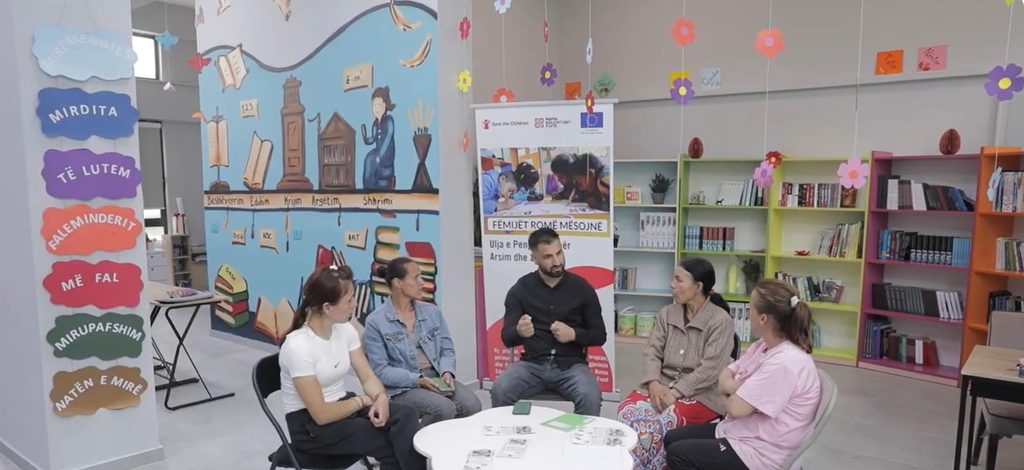
For nearly two academic years, the Roma Education Fund (REF), together with Save the Children Albania, has been delivering the project “Roma Children Learn – Reducing Barriers for Education and Development” across Tirana, Shkoza, and Gjirokastër, supporting Roma children and families from early childhood through primary education. The initiative is carried out within the framework of the EU Regional Action for Roma Education, funded by the European Commission’s Directorate-General for Enlargement and Eastern Neighbourhood (DG ENEST), with the shared goal of creating stronger and more inclusive learning opportunities for Roma children and their families.
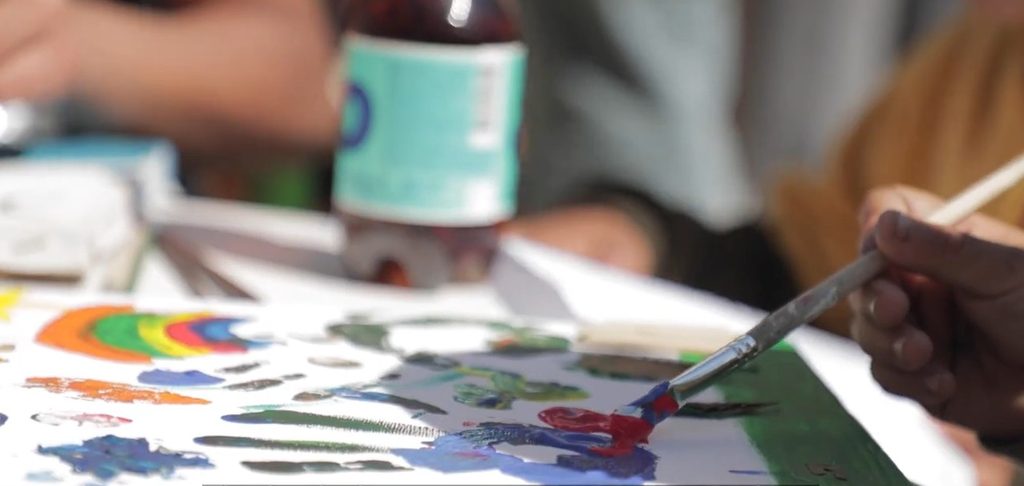
During this period, the project has reached more than 120 children aged 3–6, helping them build the foundation and confidence needed for a successful start to their education. At the same time, around 80 parents have been engaged and encouraged to take a more active role in their children’s early learning and development.
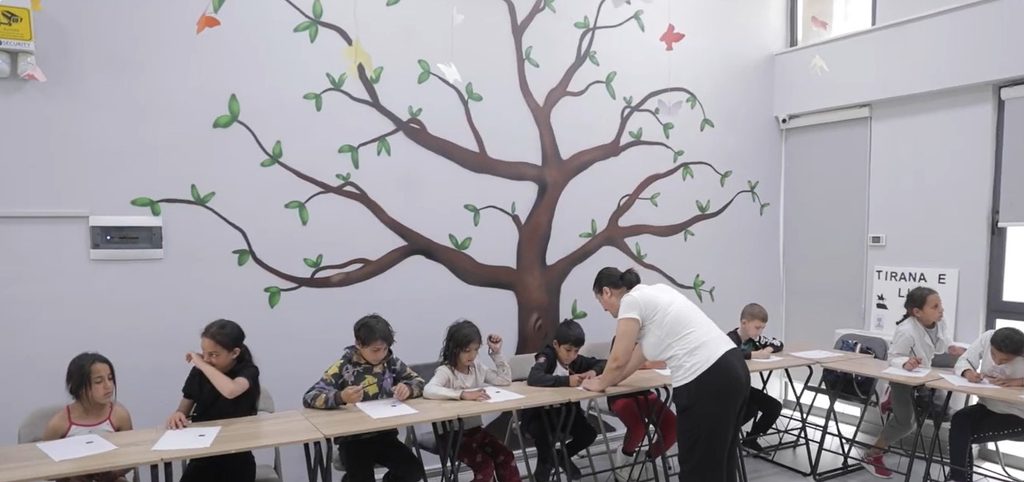
The project also works with children in the first years of primary school. So far, 162 school-age children and around 80 of their parents have participated in activities designed to encourage regular participation in education, improve learning outcomes, and help children develop the knowledge and skills they need to progress through school.
But supporting children’s education takes more than working with children alone. One of the project’s key strengths is the network of local actors surrounding them. Cultural mediators, teachers, community centers, kindergartens, and schools all contribute to creating an environment where children can learn, participate, and thrive.
Bringing these actors together creates the kind of local synergy that meaningful educational inclusion requires. Children receive assistance both inside and outside the classroom, parents become more closely involved in their education, and schools and community actors are better connected in responding to their needs. The result is a stronger network around each child, one that encourages active participation, contributes to better educational outcomes, and helps children continue building their knowledge, skills, and confidence.
The intervention combines a range of activities designed to accompany children and families through different stages of their educational journey. Families receive practical assistance with enrolling children in kindergarten and primary school, while Toy Libraries established within kindergartens provide welcoming spaces where young children can learn and develop through play. Parents receive learning materials and participate in sessions covering topics such as parenting, digital skills, and other areas relevant to their children’s learning and development. For primary school students, an after-school program provides a structured environment where they can complete homework, reinforce what they learn in class, and receive additional guidance when needed. Alongside these activities, the project brings local stakeholders together through workshops and joint initiatives, while outdoor events and community activities create further opportunities for children and families to learn, connect, and participate beyond the classroom.
As the project approached its completion, partners and local stakeholders came together on July 1, 2026, in Gjirokastër to reflect on the progress achieved and how it could be sustained beyond the project. The roundtable gathered 25 representatives of schools, kindergartens, local institutions, social and education services, and the Roma community to exchange lessons learned and discuss the way forward. A key focus was the Transition Plan, developed as a practical framework to strengthen coordination among local actors and ensure more consistent support for children moving from kindergarten to primary school. Rather than simply marking the end of project activities, the event provided an opportunity to build on the partnerships and practices developed over the past two academic years and help embed them in more sustainable local responses.
Reflecting on the journey and impact of the intervention, Enekelejda Bakia, Project Coordinator at Save the Children Albania, highlighted the importance of the partnerships built around children and their families:
“This project has made a meaningful difference in the lives of Roma children in Albania, particularly in the municipalities of Tirana and Gjirokastër. Its results show that lasting change is possible when families, schools, kindergartens, communities, and public institutions work together. Through this collaborative approach, we have strengthened children’s access to education, supported their well-being and social inclusion, and created greater opportunities for their future development.”
Hear more experiences and stories from the people who took part in the project in the video
The Project is part of the “EU Regional Action for Roma Education: Increased Education Support and Opportunities for Roma Students in Western Balkans and Turkey (RARE) phase I1”, funded by DG ENEST and implemented by Roma Education Fund (REF) and Save the Children in Albania.