Connecting Roma Human Capital with Labor Market Opportunitie ...
Connecting Roma Human Capital with Labor Market Opportunities in Ruma, Serbia
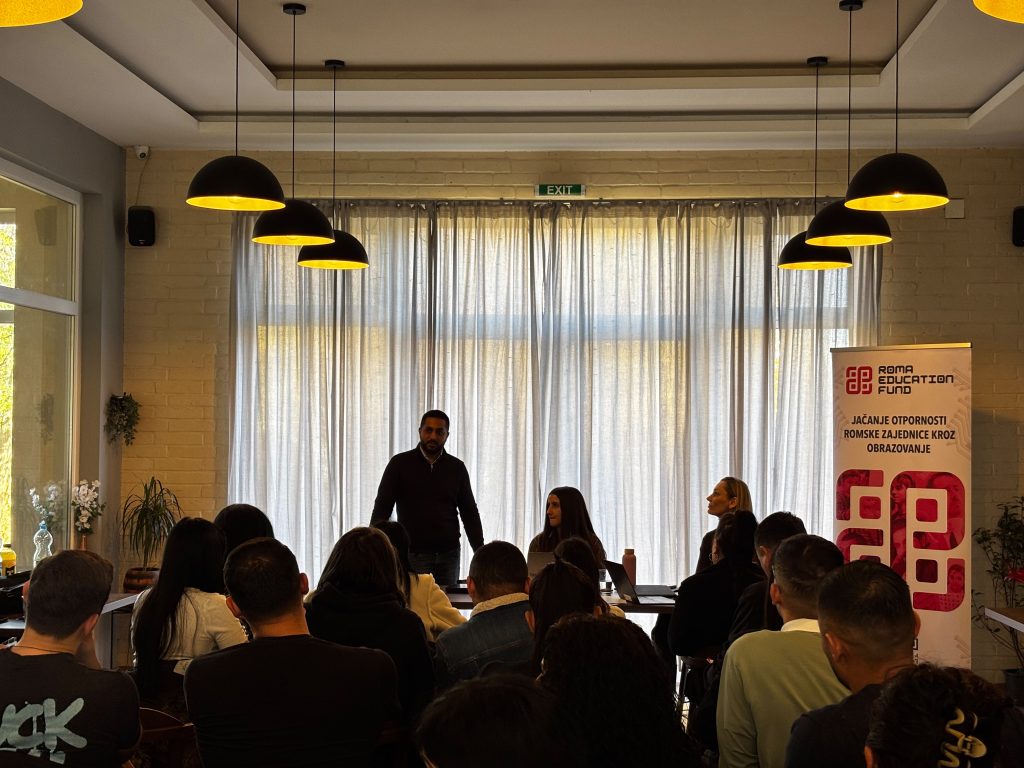
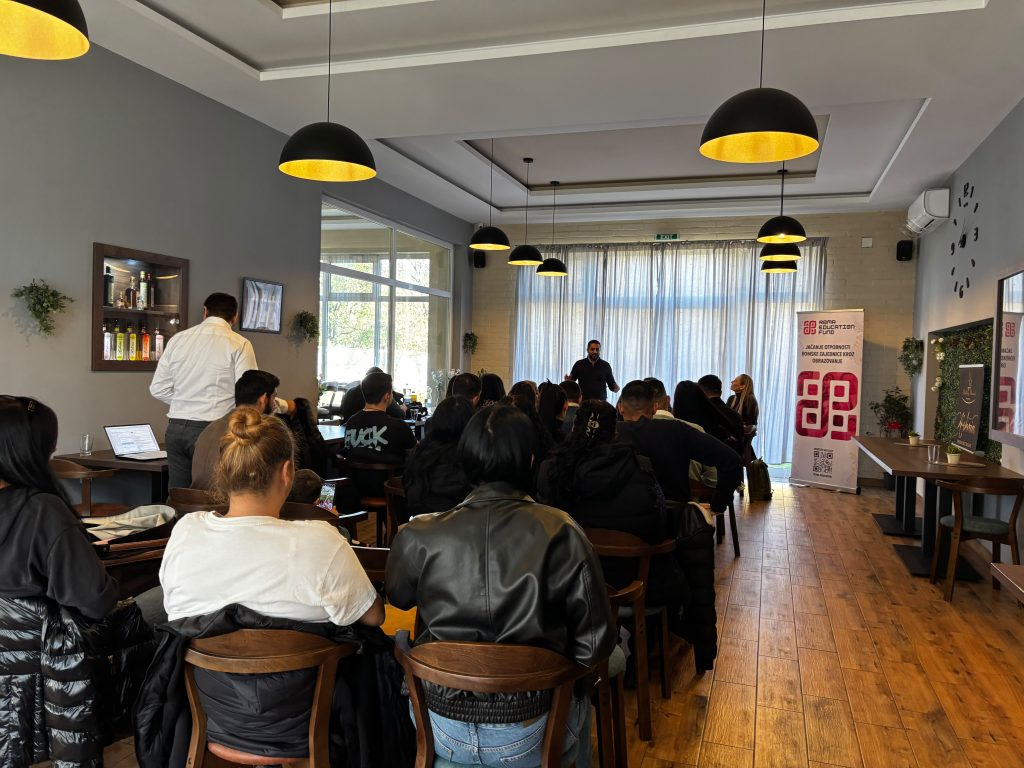
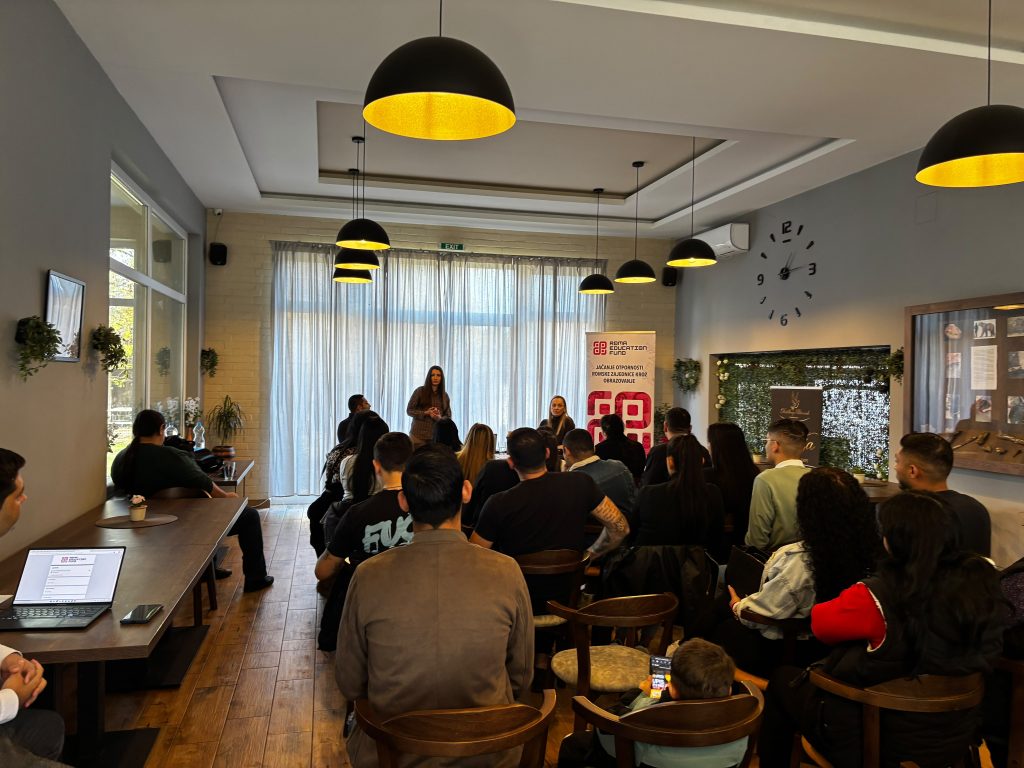
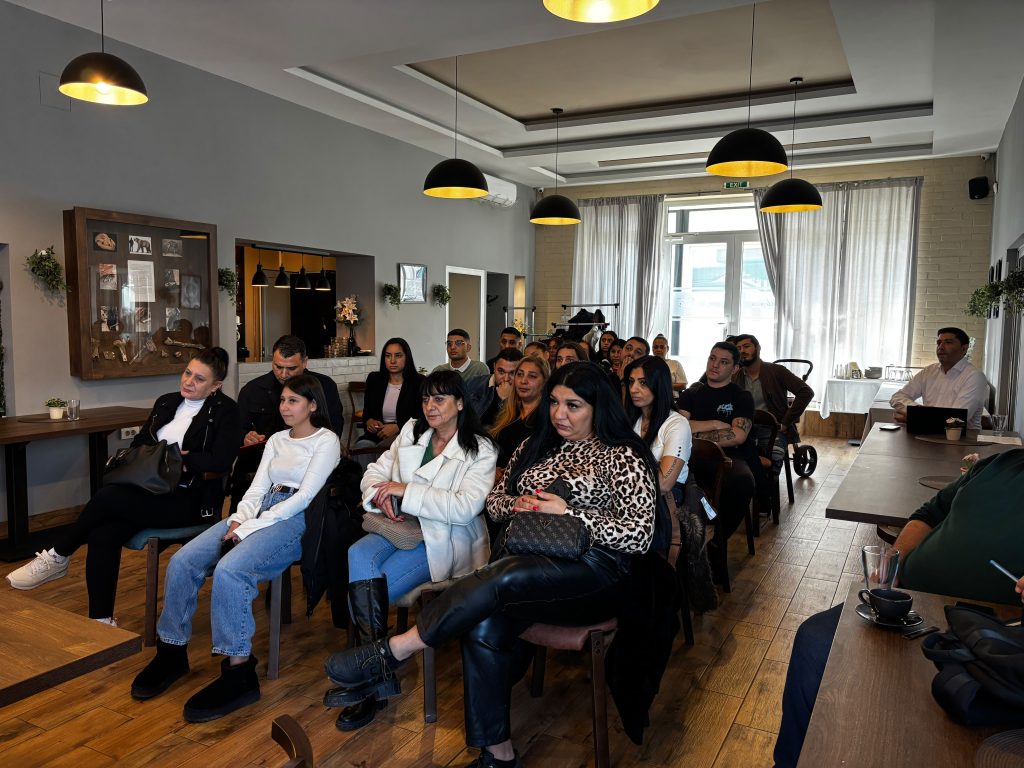
Access to employment is not always limited by a lack of skills or qualifications. For many Roma, the challenge lies in translating years of practical experience into recognized professional credentials, accessing recruitment networks or securing a first job after graduation. Employment services that overlook these different circumstances risk investing in training without addressing the actual barriers to economic participation. Recognizing the need for a more individualized approach to employment, Roma Education Fund Serbia organized a meeting with members of the Roma community in Ruma. The meeting provided an opportunity to engage directly with prospective job seekers, explore their professional ambitions and identify the types of support that could facilitate their transition into stable employment.
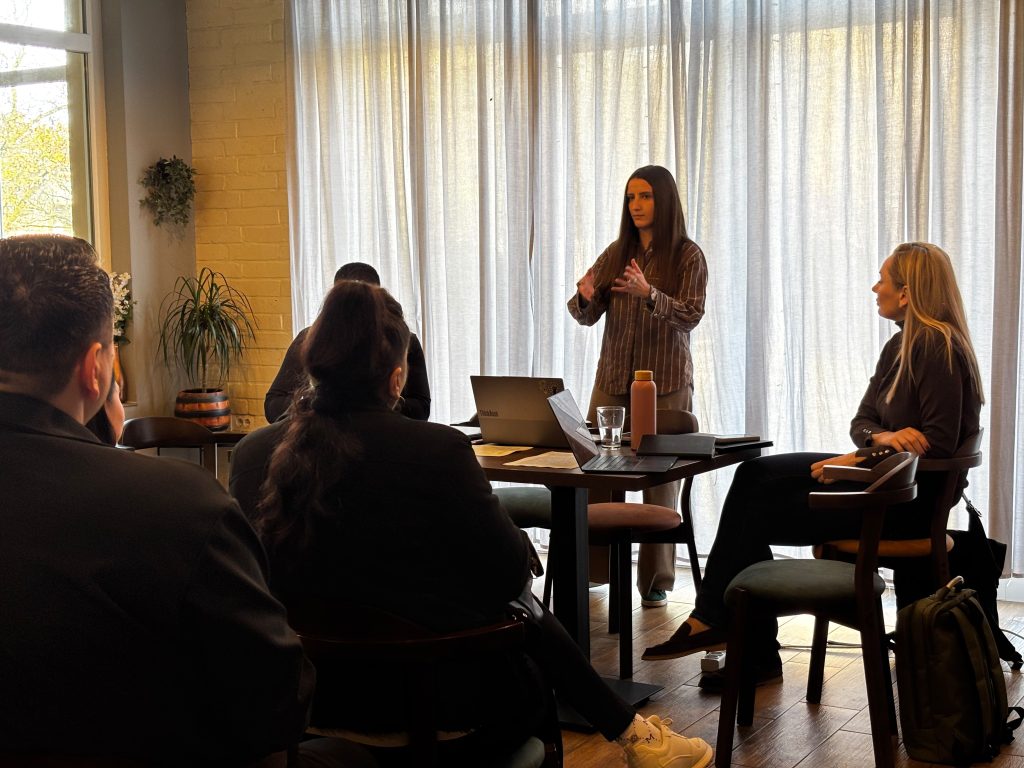
The meeting was opened by Stevica Nikolic, REF’s Outreach Coordinator for the Western Balkans, followed by presentations from Dragana Rajic, Programs Director at REF Serbia, and Jovana Colic, Skills and Employment Officer. They outlined the principles of REF’s employment models, explaining how individual profiles serve as the foundation for designing professional pathways that reflect both personal aspirations and labor market opportunities.
Effective employment interventions begin with understanding what people already know, what they can do and what they aspire to achieve professionally. In Ruma, discussions with community members revealed a diverse range of educational backgrounds, professional experiences and competencies. While some participants have acquired valuable practical skills through years of informal employment, others hold university degrees but face difficulties entering the labor market due to limited professional experience.
“Roma communities already possess valuable skills and professional experience that too often go unrecognized by the formal labor market. In Ruma, we saw considerable potential to address labor shortages through targeted skills development, certification and access to formal employment. Effective employment programs must be grounded in direct community engagement, not institutional assumptions. This is how we turn existing Roma human capital into opportunities for both individuals and the wider economy,” said Stevica Nikolic, Outreach Coordinator for the Western Balkans.
During the meeting, participants completed an intake questionnaire designed to collect information about their educational backgrounds, qualifications, work experience, existing competencies and professional aspirations. Complemented by direct conversations with community members, the information gathered will inform the development of targeted interventions that respond to individual circumstances. Particular attention is given to the recognition of skills acquired outside formal education and training systems. Individuals who have developed professional competencies through years of practical experience should have access to mechanisms that formally recognize and certify those skills, rather than undertake training in areas they have already mastered. Such recognition can facilitate the transition from informal to formal employment, improve working conditions and open new opportunities for professional development.
“I was particularly encouraged by the strong participation of women and the diversity of educational backgrounds and professional experiences among participants in Ruma. From people working in informal or unstable jobs to university graduates seeking their first professional opportunity, everyone shared a common aspiration: stable, long-term employment. Our conversations reinforced the importance of individualized employment pathways that build on existing skills, address specific barriers and connect people with reliable employers, rather than applying a one-size-fits-all approach,” said Jovana Colic.
By connecting Roma human capital with economic opportunities, Roma Education Fund seeks to strengthen the economic independence of Roma families, build resilient Roma communities and enable their active contribution to Europe’s economic growth and long-term prosperity.
Stay connected
Subscribe to our newsletter
Get the latest Roma Education Fund news, stories and announcements in your inbox
An international financial institution that provides loans and grants to the governments of low- and middle-income countries for the purpose of pursuing capital projects.