“Don’t Wait”, a Roma Oncologist Opens a Conversation about Cancer in Shuto Orizari
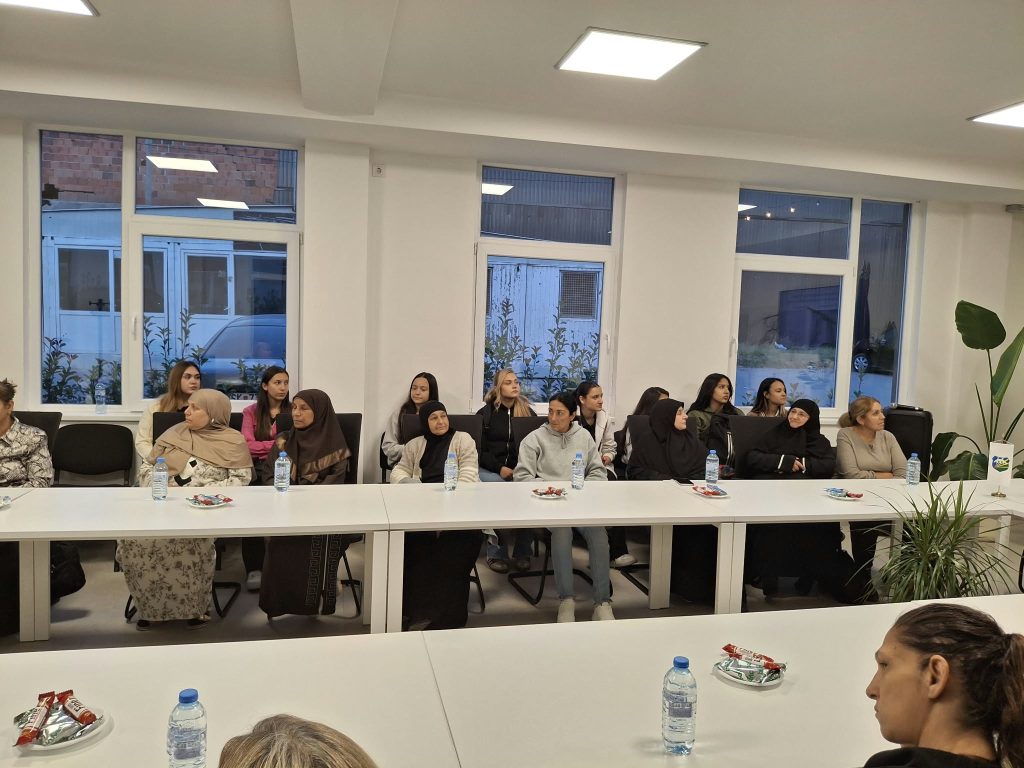
A room full of people gathered quietly in Shuto Orizari, North Macedonia, their attention focused on one subject: cancer. It is a word that frightens most people and one that many hesitate even to say aloud. At the front of the room was Dr. Meri Berat, an oncologist, a Roma woman and a Roma Education Fund (REF) alumna. She was there to talk openly about breast, prostate and lung cancer.
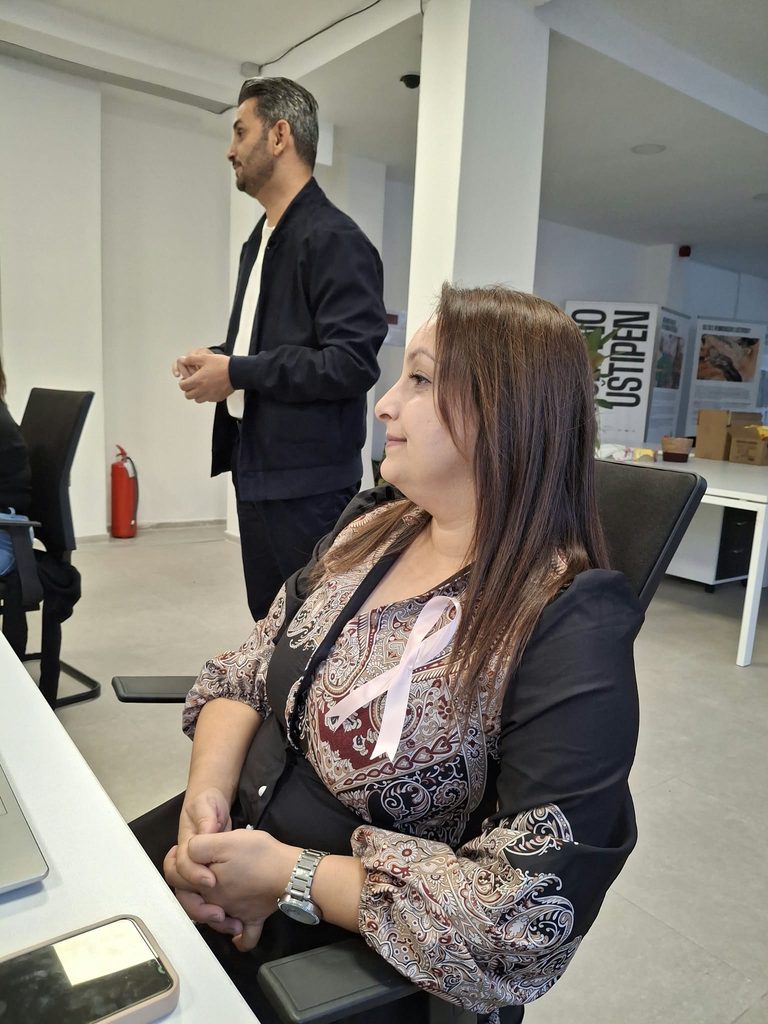
Before she even began, her presence conveyed something important. This was not an outside expert arriving to speak to the community. Dr. Berat was a Roma woman who had become a medical specialist and was now sitting among community members, speaking in Romanes and sharing knowledge that could directly affect their lives.
She spoke about recognizing warning signs, understanding risk factors, asking informed questions and, most importantly, seeking professional medical care rather than ignoring symptoms or waiting for them to become unbearable.
For Dr. Berat, returning in this role was deeply personal.
“Returning to the Roma community as a doctor, educator of young students, and vulnerable Roma women took me back in time to when I was a Roma student from a modest Roma family, who always encouraged me to study and never gave me any responsibilities other than studying, but provided me with a warm home and food. Now standing in front of them as a successful oncologist, I looked into the students’ eyes and told them that they too can become doctors and achieve whatever they want if they put love and effort into studying.
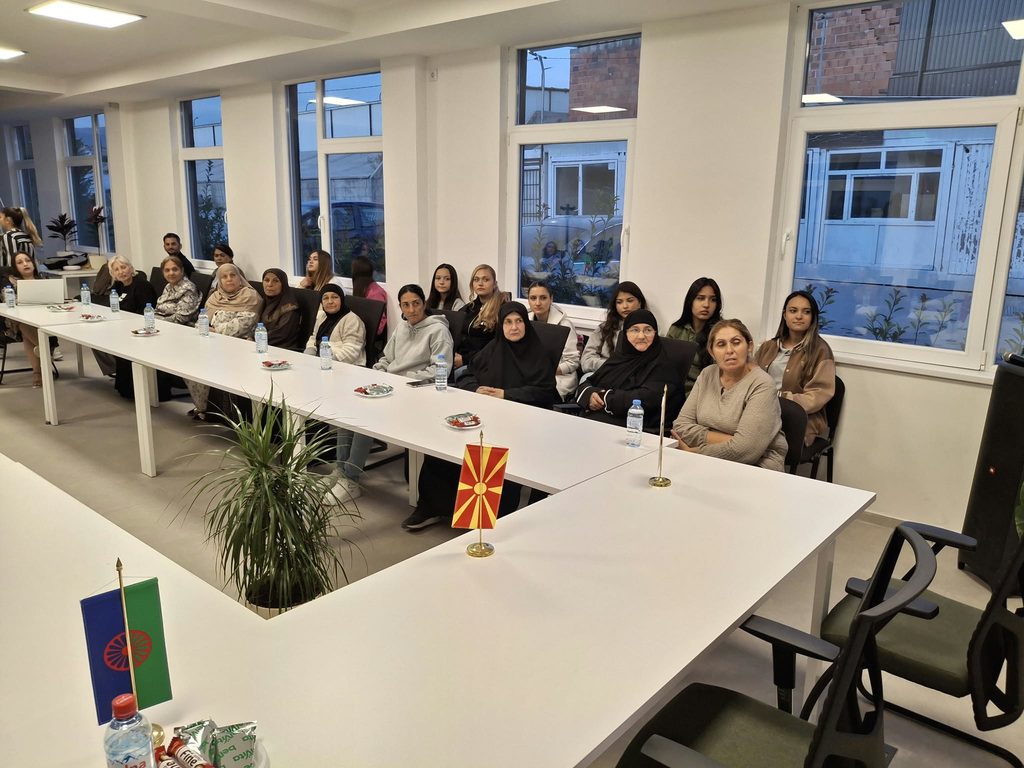
In the eyes of the women, I hope I instilled pride seeing that in front of them stands a Romani woman – a doctor, and I hope they will also be inspired to support their children and grandchildren to study, and for their spouses and relatives to take better care of themselves. Honestly, this was a truly wonderful event for me.”
Cancer can be particularly difficult to discuss when the conversation turns to breast or prostate examinations. Fear of a diagnosis, embarrassment and misconceptions about illness can make people postpone asking questions or seeking medical advice.
REF organized these two sessions to provide a safe space where those conversations could take place openly. Dr. Berat discussed three forms of cancer, breast, prostate and lung cancerr, explaining risk factors, potential warning signs, prevention and the importance of professional medical examinations. One particularly important message concerned pain. The absence of pain does not necessarily mean that nothing is wrong. Changes in the body should be discussed with a medical professional rather than ignored until they become painful.
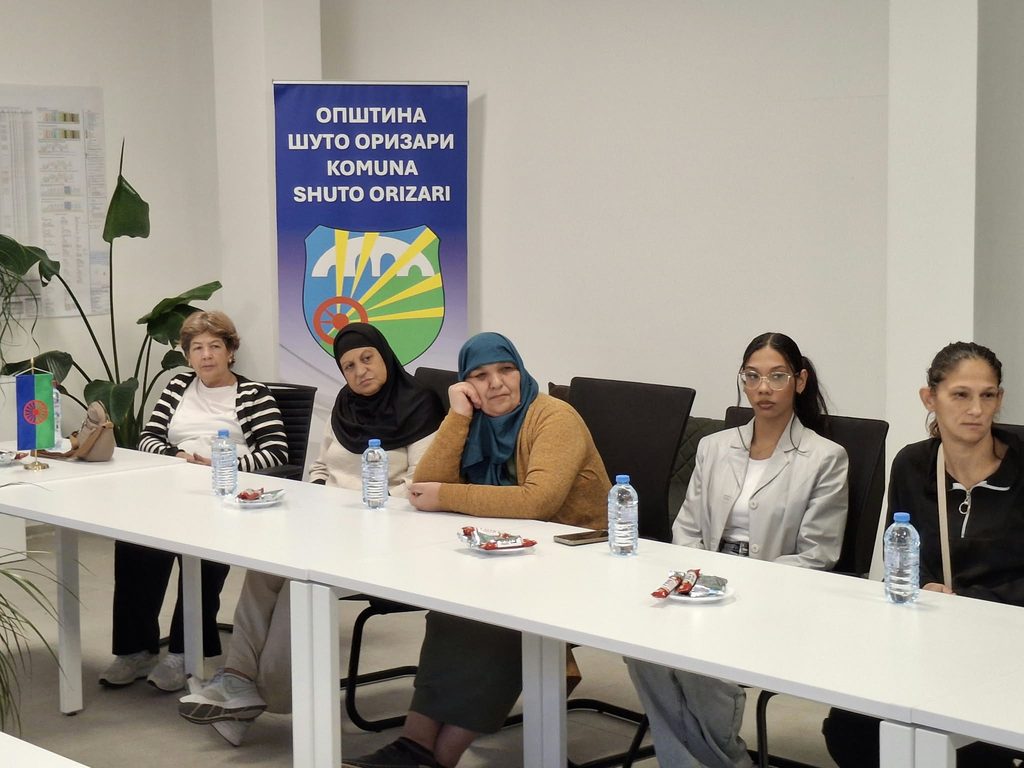
When the conversation moved to prostate cancer, participants were initially reluctant to speak. Dr. Berat explained possible symptoms and individual risk and encouraged people with concerns to consult a doctor rather than hide what they were experiencing. The discussion of lung cancer opened another conversation around smoking, second-hand smoke, air pollution and long-term exposure to harmful substances at work, as well as symptoms that should not be ignored, including a persistent cough, shortness of breath, persistent chest pain or coughing up blood.
The sessions did not promise that knowledge alone can prevent cancer. Instead, they offered something practical: reliable information and greater confidence to seek professional advice and medical care.
“Although I treat all patients with great care, when it comes to Roma patients, I feel a weakness to pay more attention to explaining things precisely because they are a vulnerable category and less informed than others. From this workshop, I wanted them to gain more confidence in themselves, greater awareness to take care of themselves, and the courage to go for a check-up in time, knowing that if they need it, they can ask me for help at any time,” Dr. Berat said.
As the conversation continued, people gradually began to speak more openly. Behind many of their questions was a very simple concern: If I notice something wrong with my body, what should I do? One woman answered through her own experience. “If you notice something wrong with your body, go see a doctor right away, don’t wait.” She spoke about living with a chronic illness and consistently seeking medical care. Her intervention changed the atmosphere in the room. Cancer was no longer simply a medical subject on a presentation slide. It was connected to the lived experience of someone sitting beside them.
The conversation became increasingly open. Women began discussing issues they might previously have been uncomfortable raising publicly. At one point, the men in the room quietly stepped outside, creating space for the women to continue a more personal conversation.
One message remained clear throughout: do not wait until pain becomes unbearable before seeking medical advice.
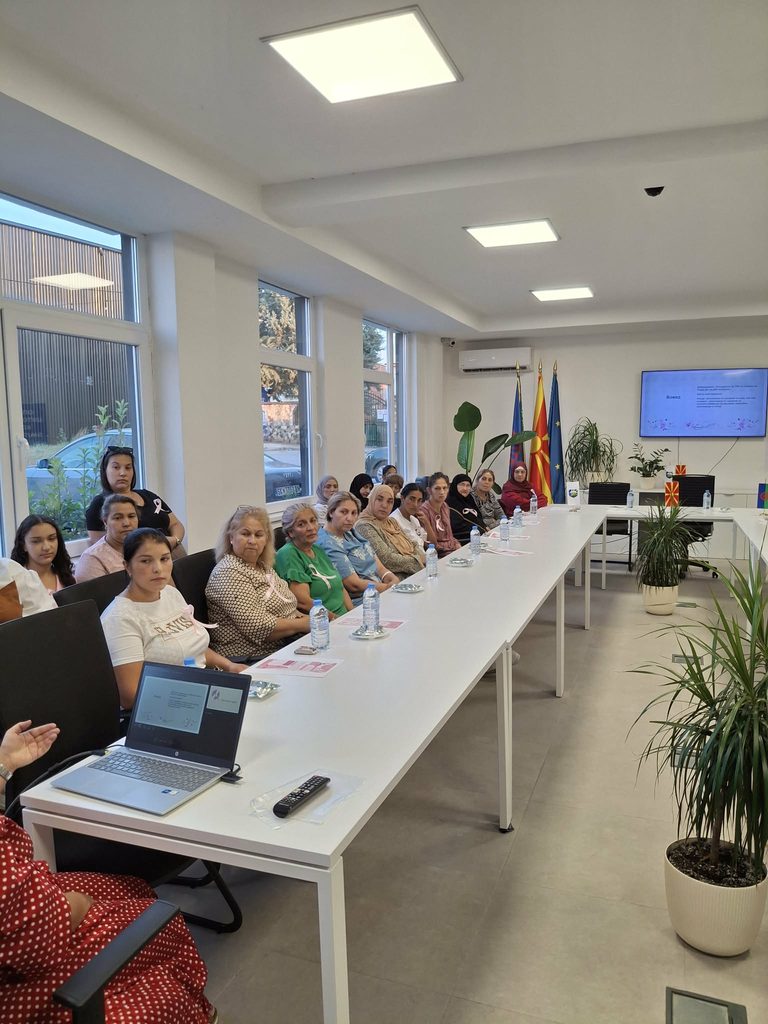
From a REF scholarship to oncology
The woman leading this conversation had once been a Roma student building her own educational path. Dr. Berat went on to complete her oncology specialization and has now worked at City General Hospital “8 September” for 11 years. Over the past year, she led the establishment of oncology and radiotherapy outpatient services to make care more accessible. Her return to Shuto Orizari therefore represented something more than a health awareness session. It showed what can happen when investment in the education of a Roma student develops into professional expertise and when that expertise, years later, benefits other members of the community.
For the women and girls in the room, her presence also provided something that cannot easily be conveyed through a presentation. They could see a Roma woman leading a serious medical conversation as a qualified specialist. Her identity did not replace her professional credentials. Dr. Berat was there first and foremost as an oncologist. But her professional expertise, shared language and connection with the community created a different foundation for trust.
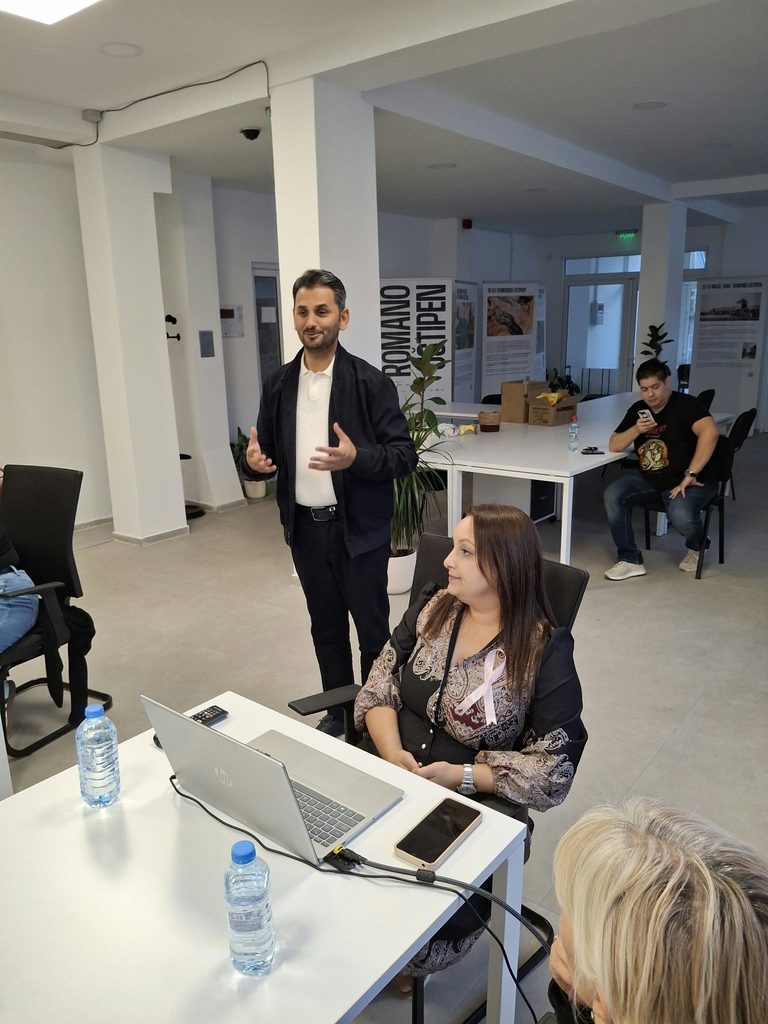
REF representative Redjepali Chupi connected that journey directly with REF’s investment in Roma human capital.
“The advantage is that she can increase knowledge and awareness about the health situation in our community. This is an investment in human capital.”
For Chupi, the fact that the expertise came from within the Roma community was fundamental to this two sessions.
“The strategic value of this workshop lay in the fact that it utilized expertise from within the Roma community itself. A qualified Roma woman and REF alumna led the sessions. Both sessions moved away from the traditional model of a professional expert from outside the community delivering knowledge on the community. Instead, this workshop demonstrated strategic commitments on how education and career development can help create Roma women as trusted professionals, public servants, and change-makers. Dr. Meri Berat’s shared identity and professional competence created trust among community members, facilitated open communication, and made vital health information available and relevant to all participants.”
Knowledge that travels further
The impact of the sessions does not end with the people who were sitting in the room. The information can travel into families and neighbourhoods: a conversation with a mother or sister about breast health, encouraging a father, husband or brother to speak to a doctor about symptoms rather than ignore them, or talking with family members about smoking and lung health.
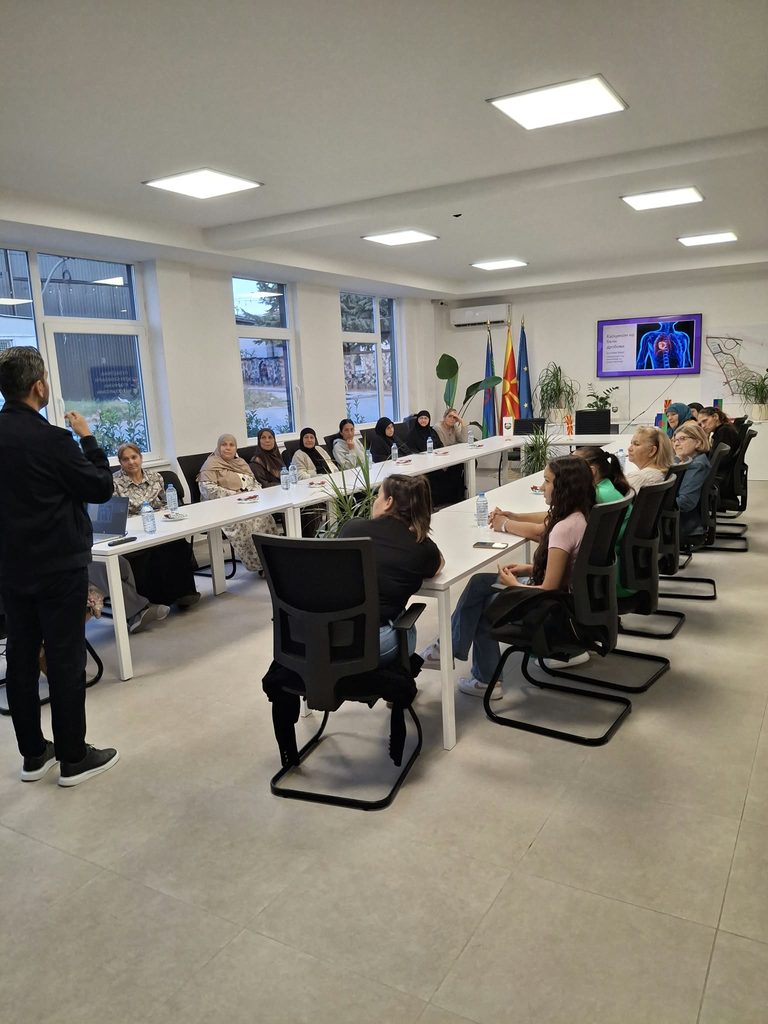
“We can share this knowledge with our wider families, our neighbours and our friends,” Chupi told participants. This multiplier effect also reflects the larger journey REF seeks to create through education, employment and stewardship.
“Through an investment in the education and professional advancement of Roma girls and women, as well as providing opportunities for stewardship at community level, REF is helping to create a situation where each person’s progress contributes to the strength of their family, improvement of services, increased representation of Roma people, and ultimately long-term positive change within the community,” said Redjepali Chupi, REF Team Leader and Country Representative for North Macedonia.
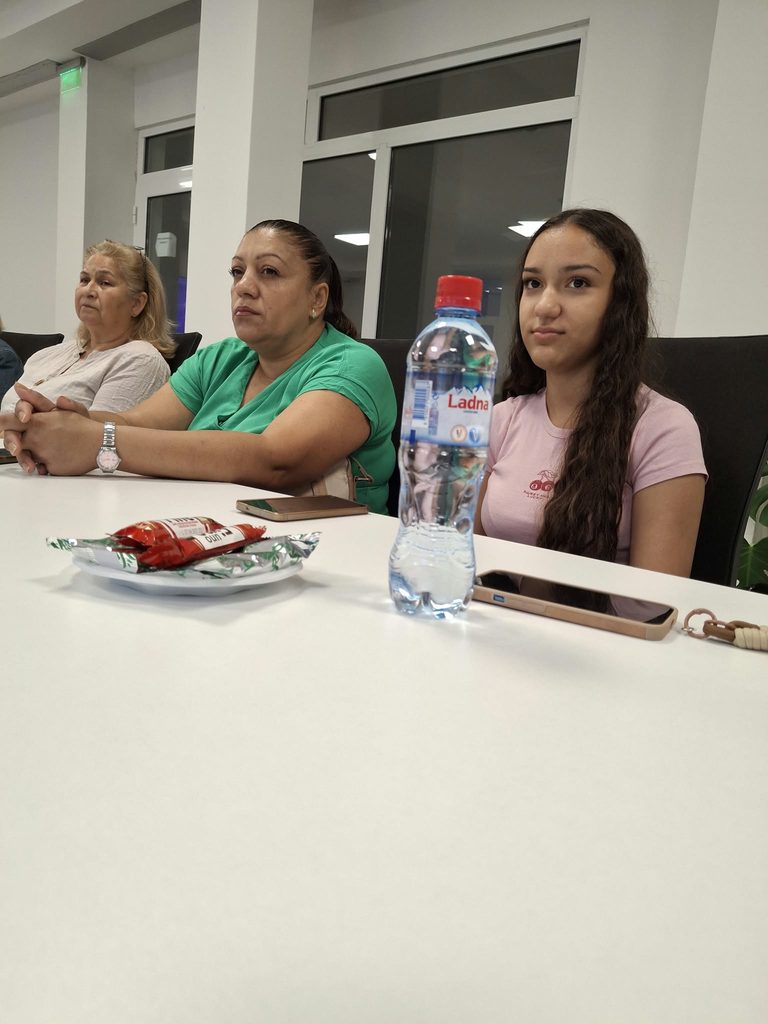
That journey was visible in Shuto Orizari. A Roma student supported in her education became an oncologist. Years later, she returned with professional expertise that could support other Roma families. And somewhere among the younger people listening to her, there may have been a girl seeing, perhaps for the first time, that becoming a doctor is a possibility for her too.People left the sessions with no less reason to take cancer seriously. What had changed was their ability to talk about it, ask questions and understand when to seek professional medical care. And they left having seen something else: what becomes possible when education, professional opportunity and community responsibility come together.
These sessions in Shuto Orizari are part of a wider series of health awareness activities organised by REF North Macedonia, bringing REF alumni who have become medical professionals back to Roma communities to share their expertise.