Four Roma Figures Enter Children’s Literature in the New „BARE RROMA„ Edition
Bucharest, 2 October 2026
Charlie Chaplin, Romica Puceanu, Carmen Amaya and Nicolae Gheorghe become the central characters of four illustrated children’s books launched in Bucharest as part of the third edition of the BARE RROMA collection. Developed by Asociația Cu Alte Cuvinte (CUAC) and REF Romania, the collection brings into the educational space the stories of Roma figures who made significant contributions to music, dance, cinema, research and the Roma rights movement.
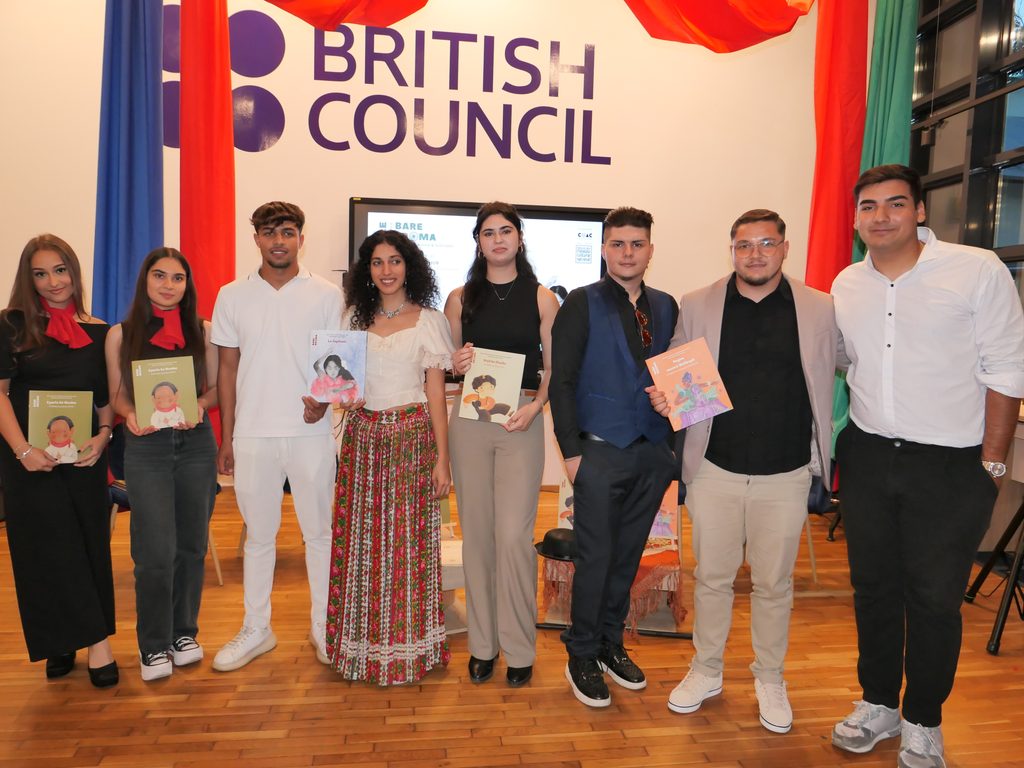
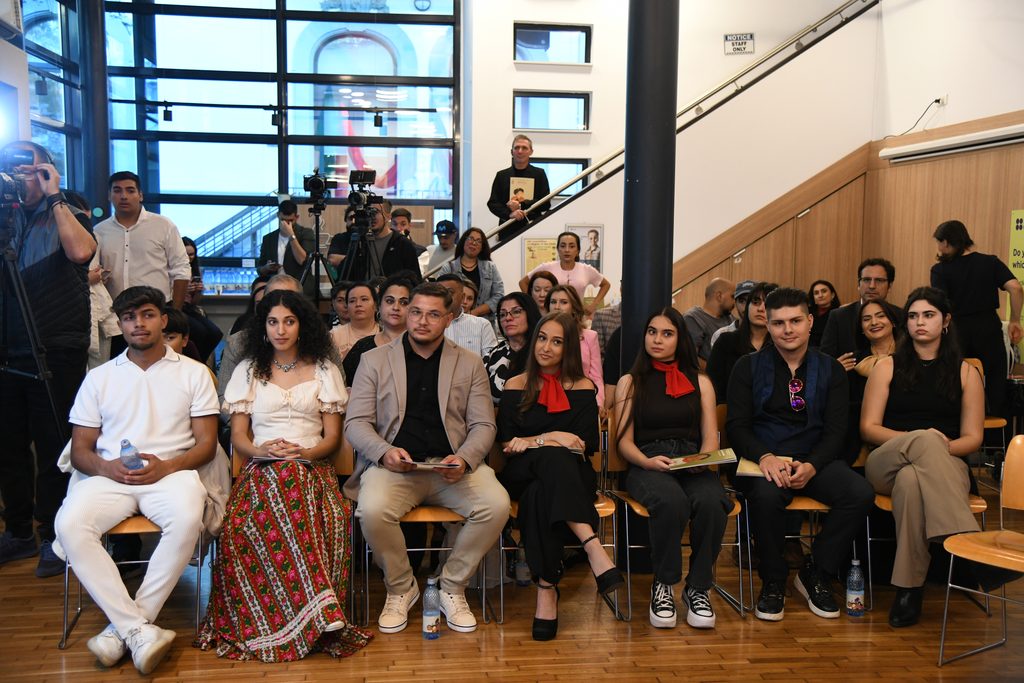
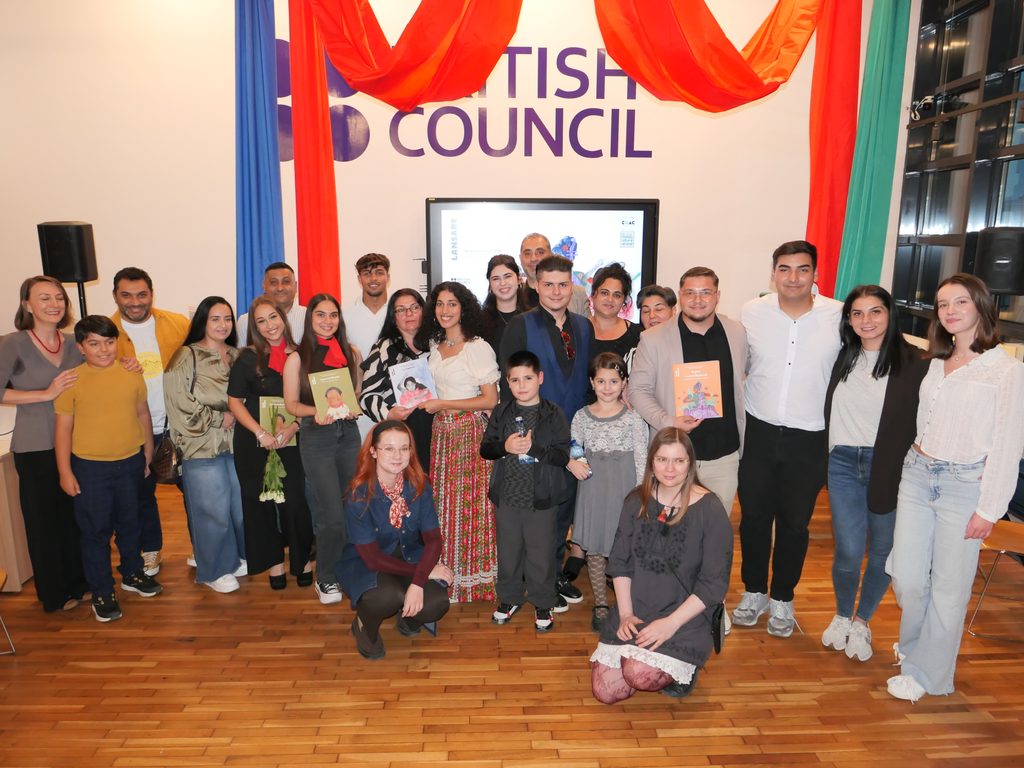
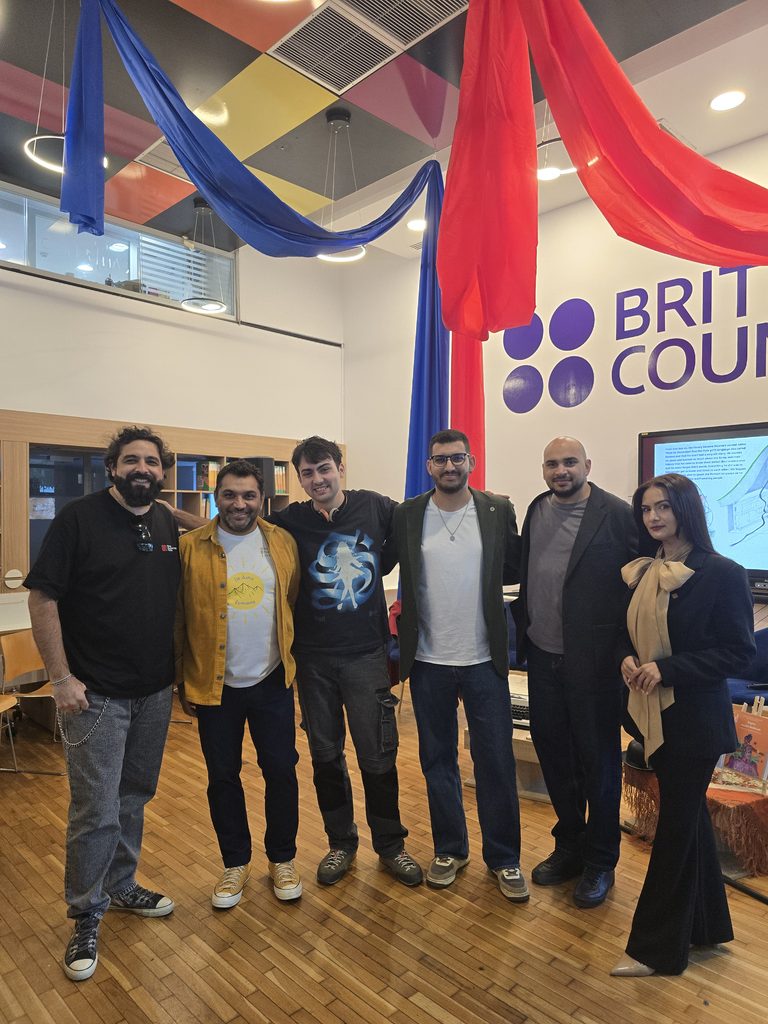
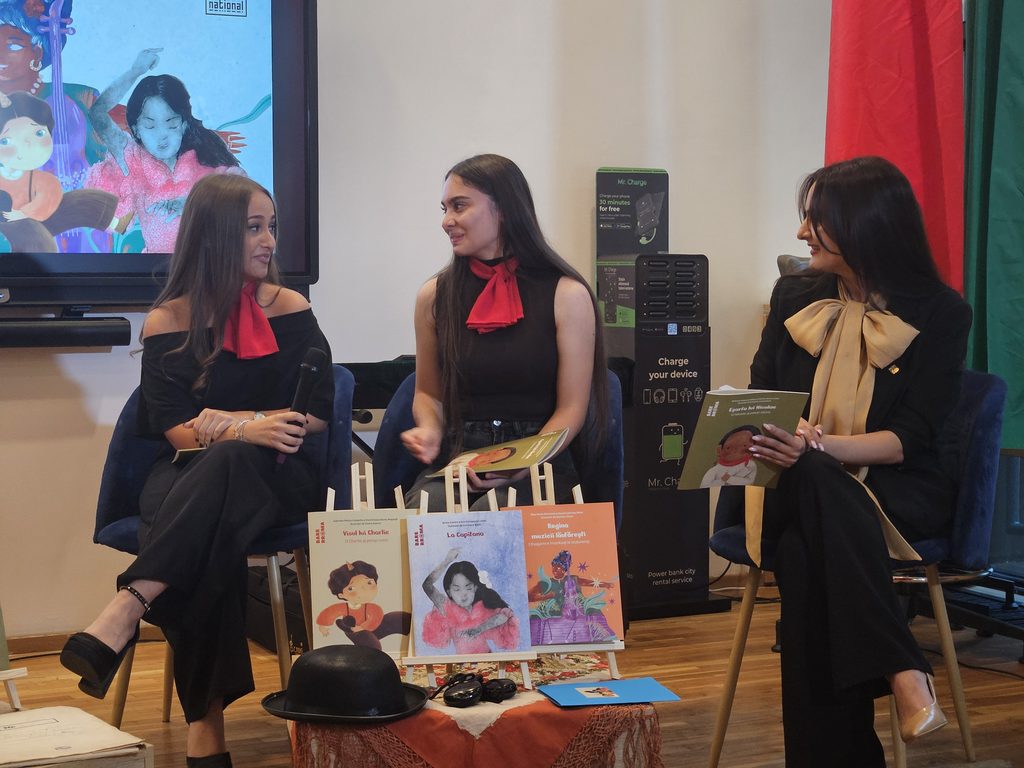
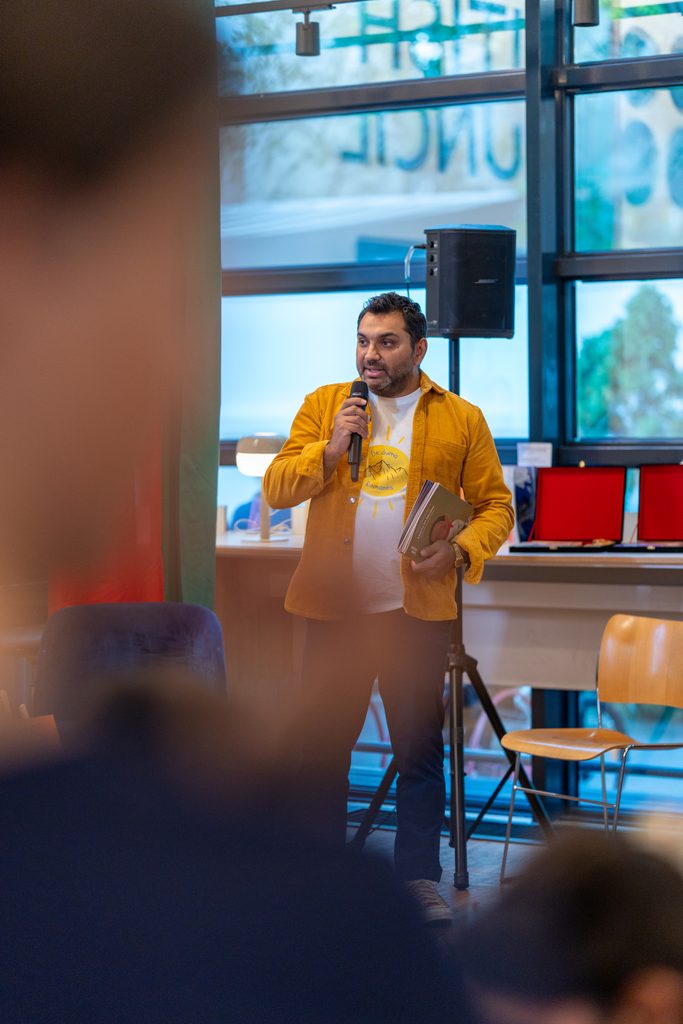
The launch took place on 2 October at the British Council Hub in Bucharest, bringing to the forefront an important question for education: What stories and role models do children encounter when they open a book?
For many Roma children, the answer remains: too few stories that reflect their own history, culture and community. BARE RROMA seeks to change this reality by bringing real Roma figures into children’s literature and transforming their biographies into stories that are accessible to new generations.
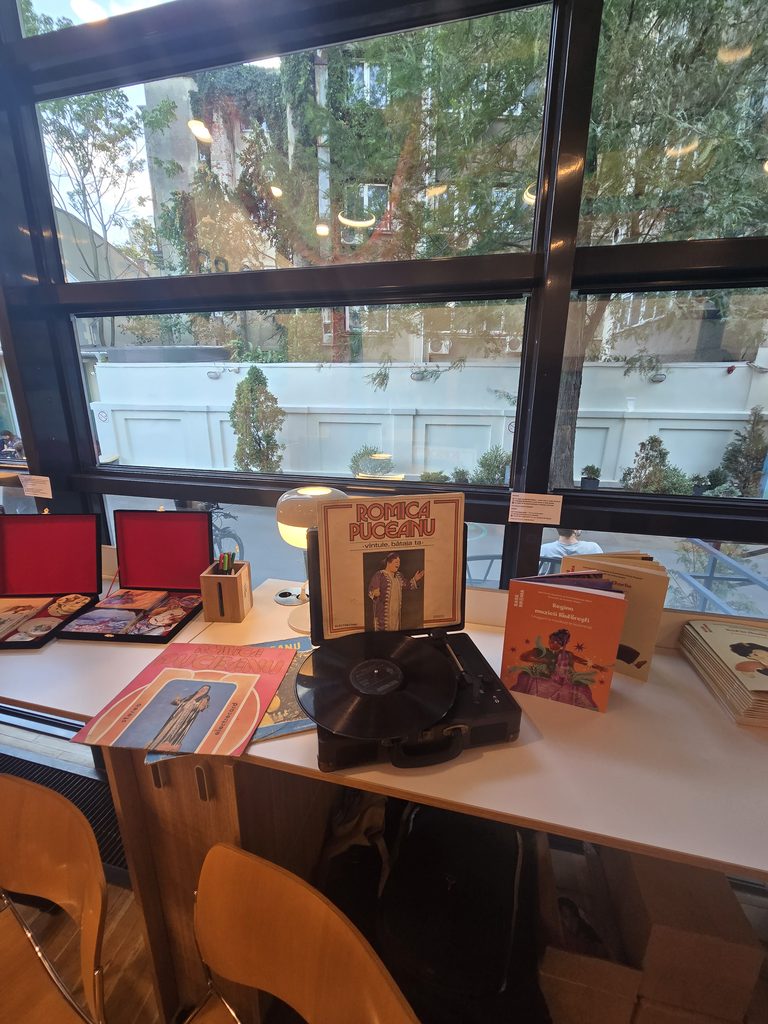
The 2026 edition looks to the past and highlights four figures who are part of Roma artistic, cultural and intellectual heritage in Romania, the United Kingdom and Spain. The stories of a singer, an actor, a dancer and a researcher thus move beyond the limited circles of the communities that have known them and enter the educational space.
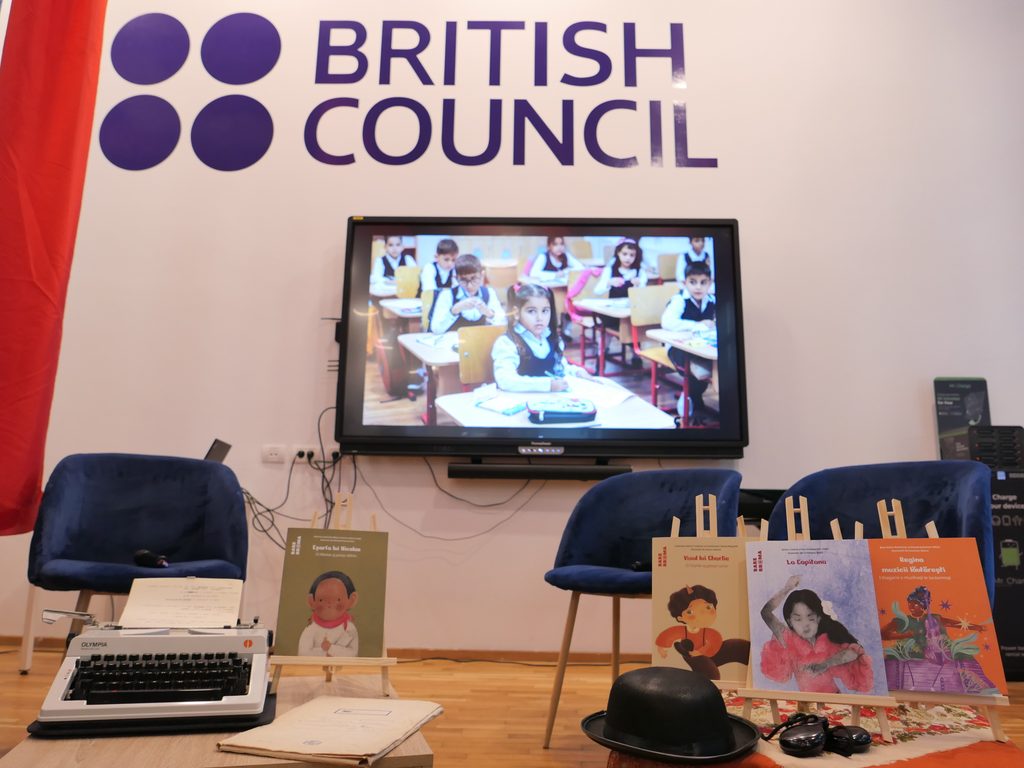
The four books
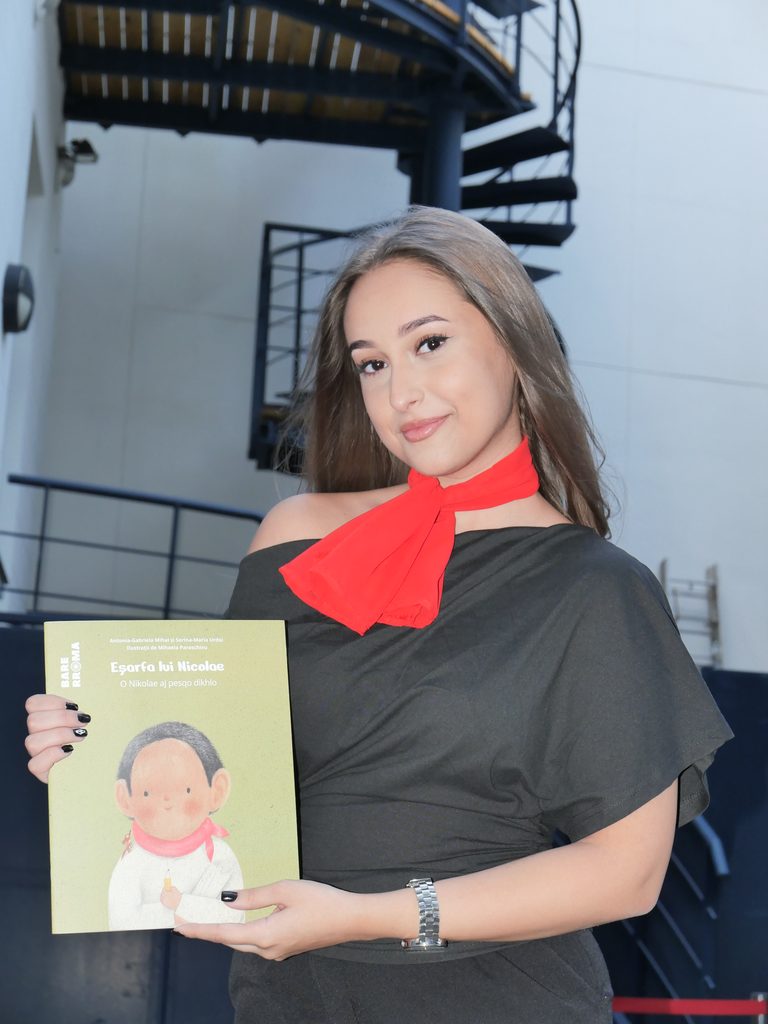
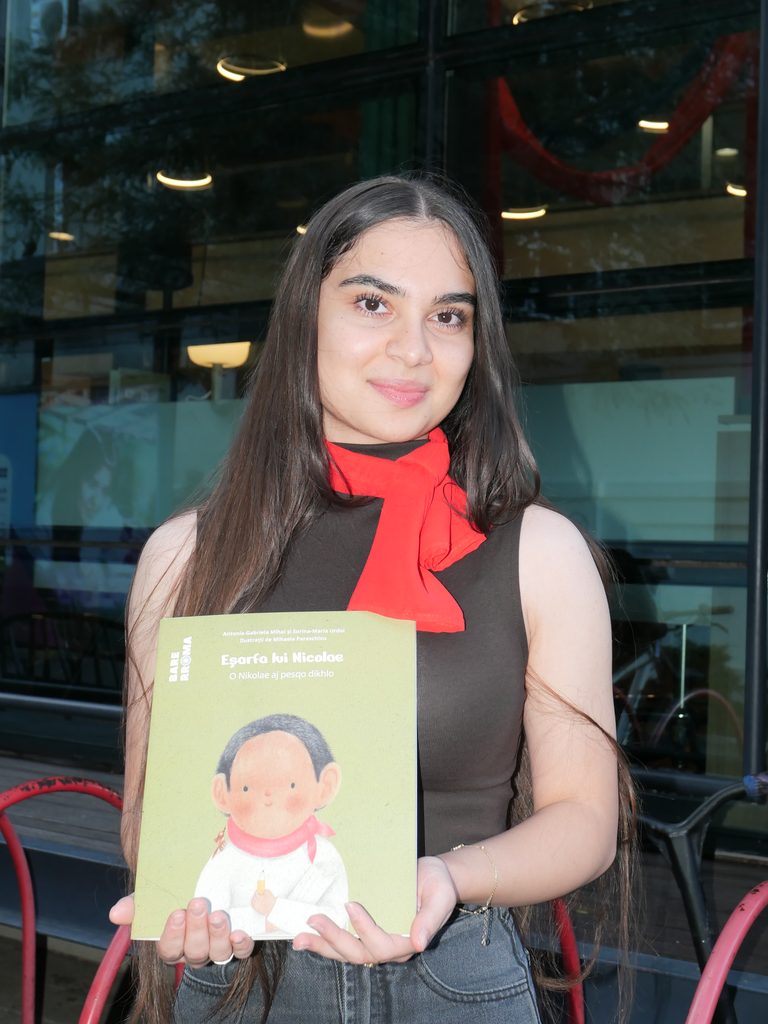
- “Nicolae’s Scarf”, written by Antonia-Gabriela Mihai and Sorina-Maria Urdoi, illustrated by Mihaela Paraschivu;
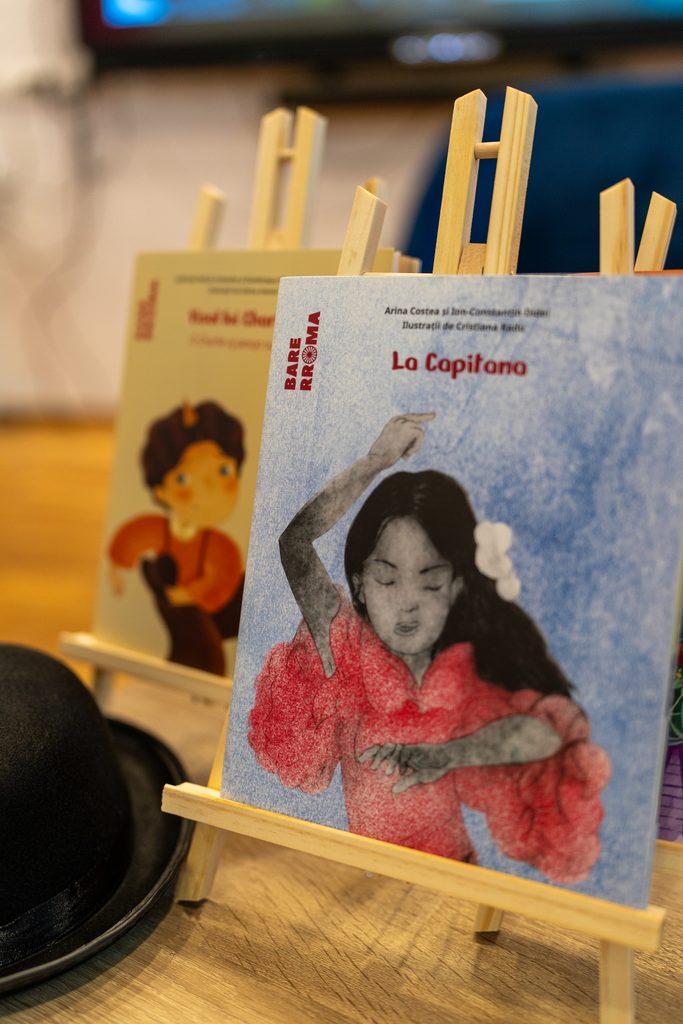
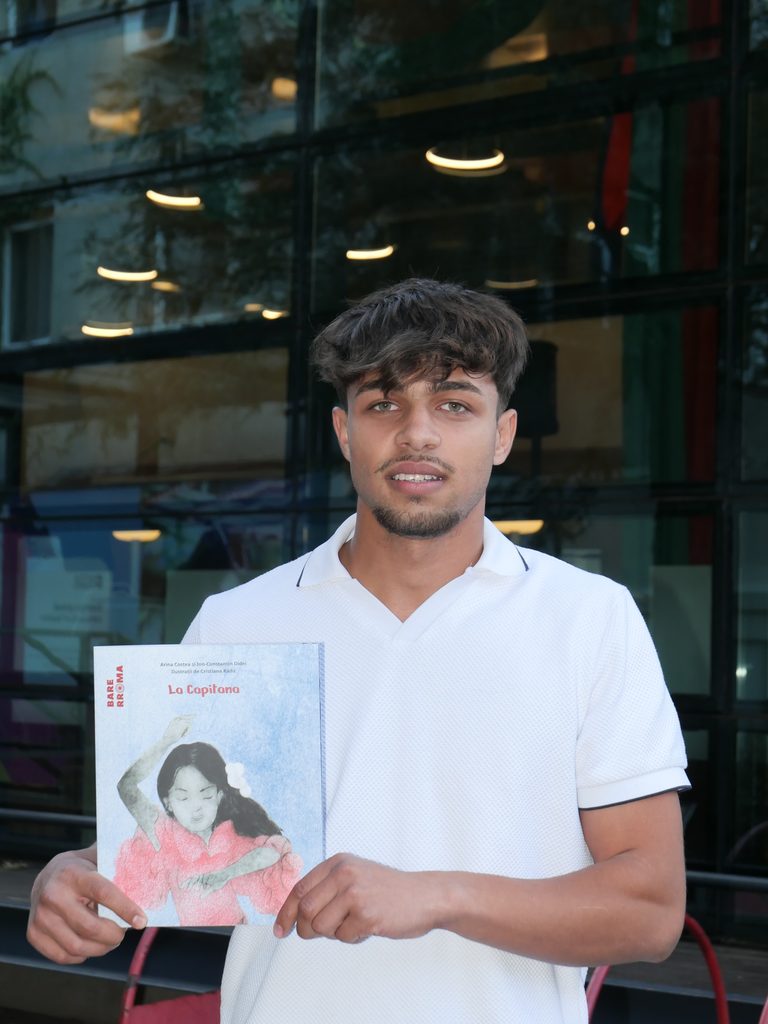
- “La Capitana”, written by Arina Costea and Ion-Constantin Didei, illustrated by Cristiana Radu;
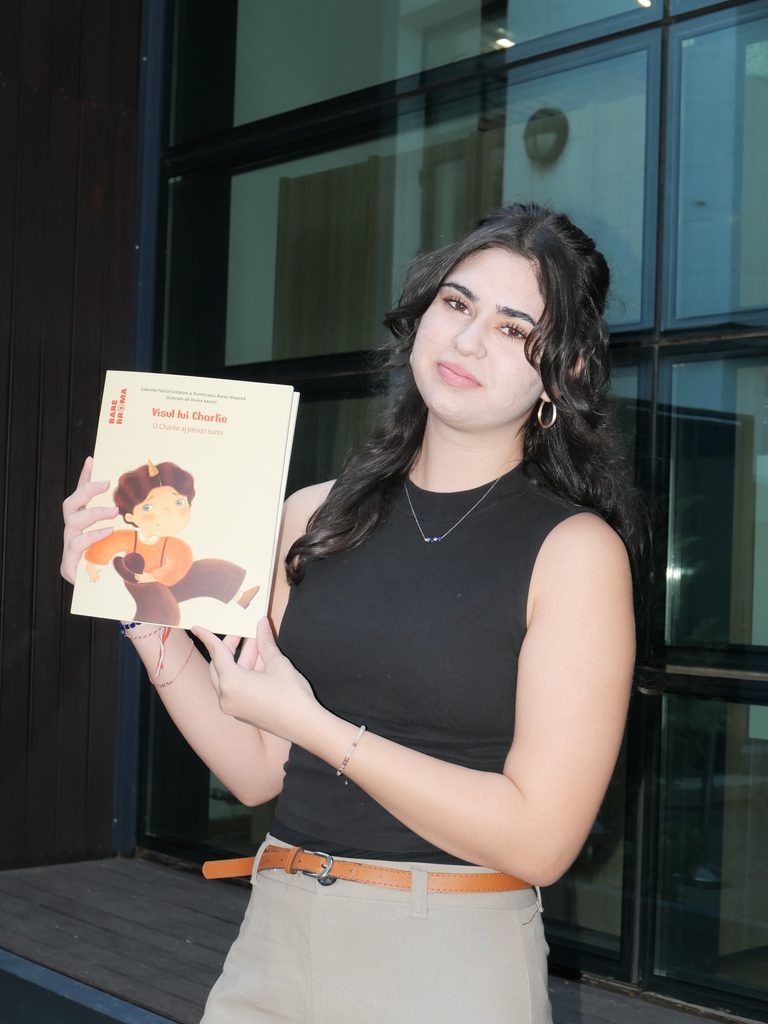
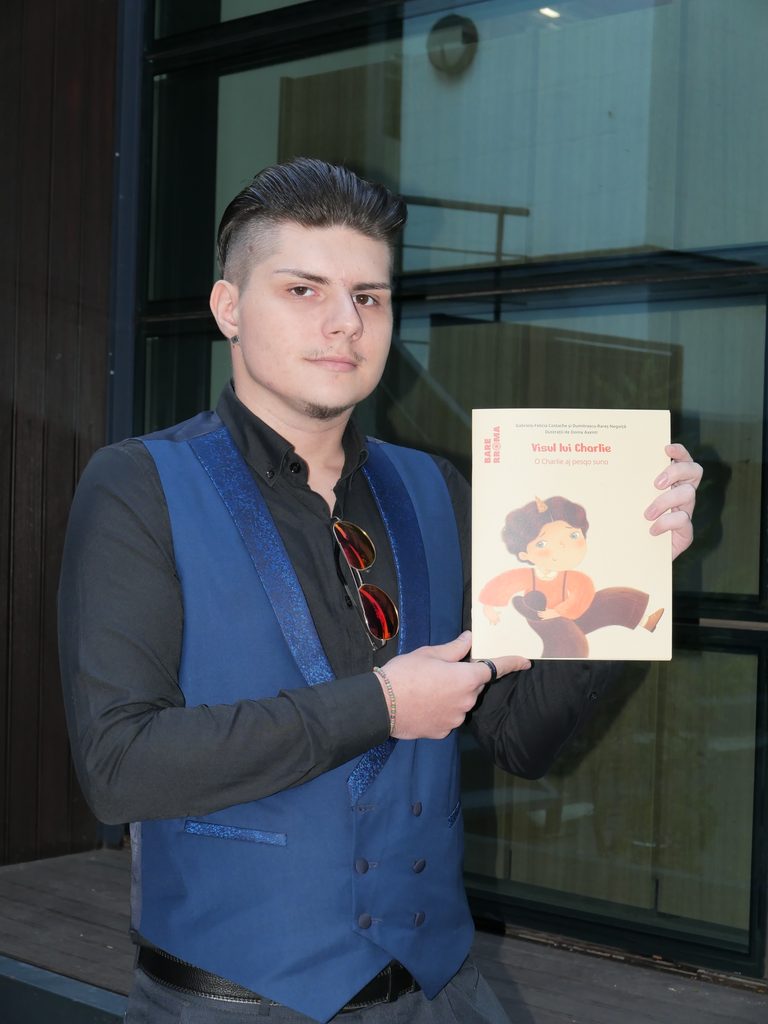
- “Charlie’s Dream”, written by Gabriela-Felicia Costache and Rareș Negoiță, illustrated by Doina Axenti;
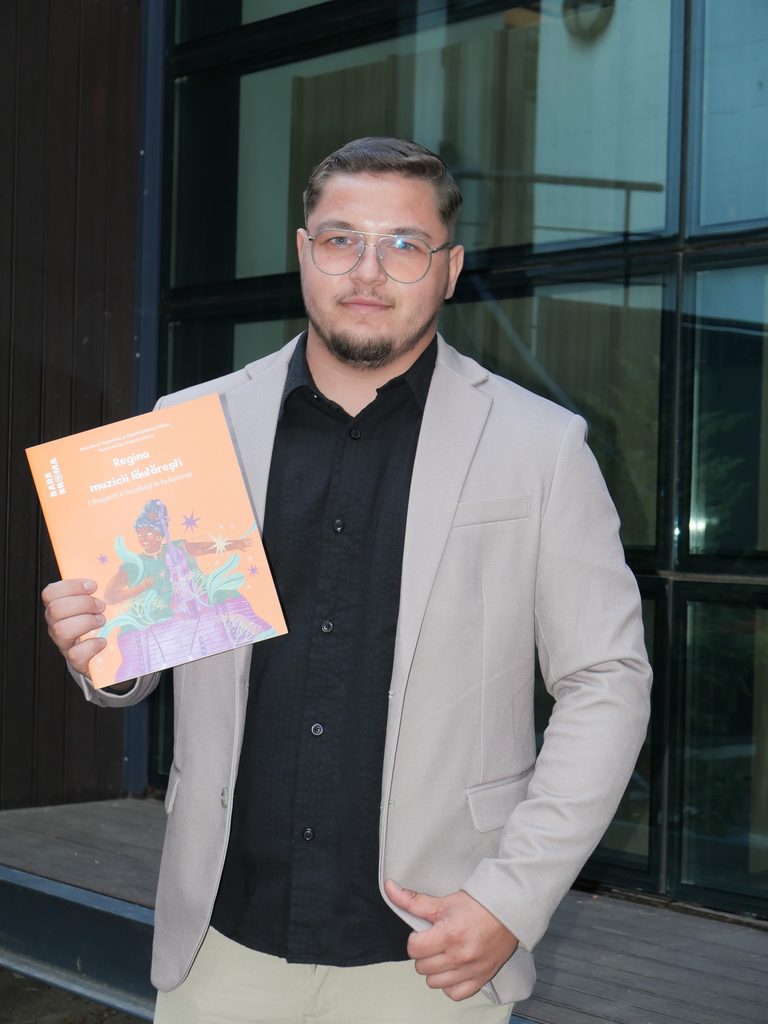
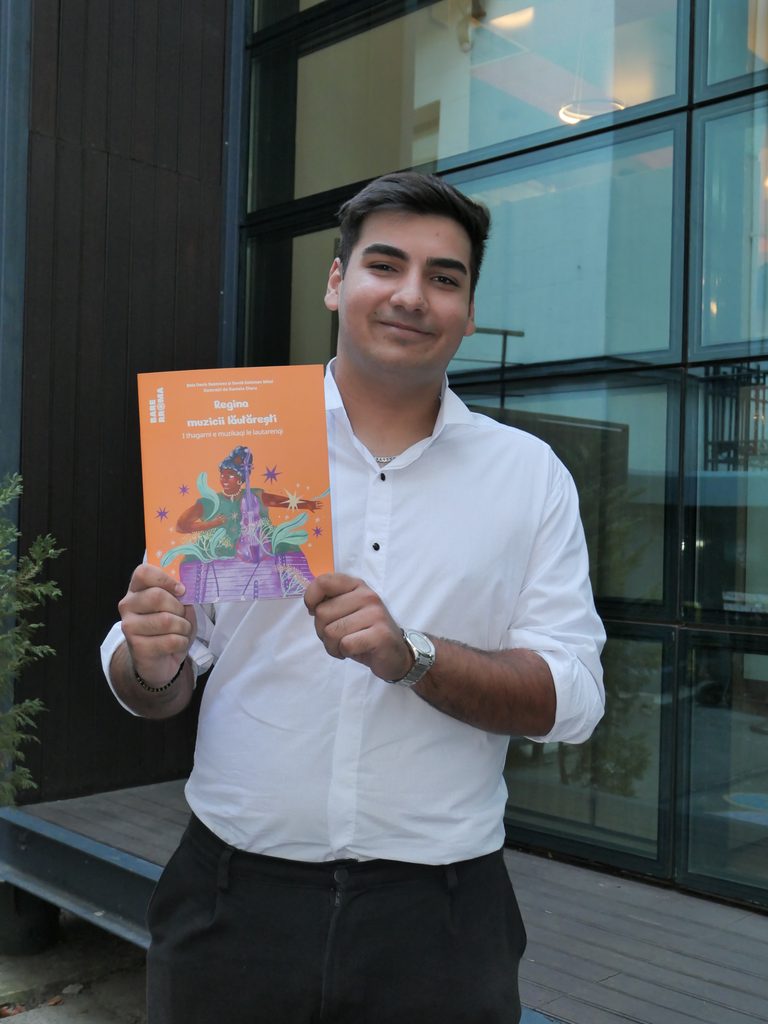
- “The Queen of Lăutărească Music”, written by Bela Denis Rezmiveș and David-Solomon Mitoi, illustrated by Daniela Olaru.
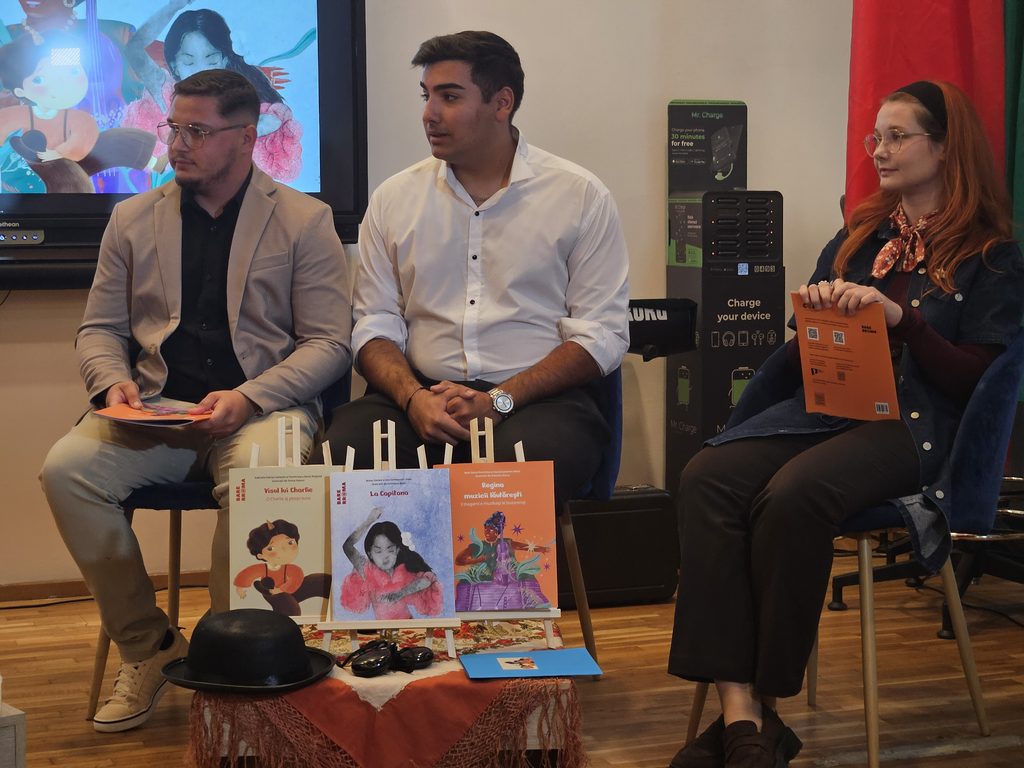
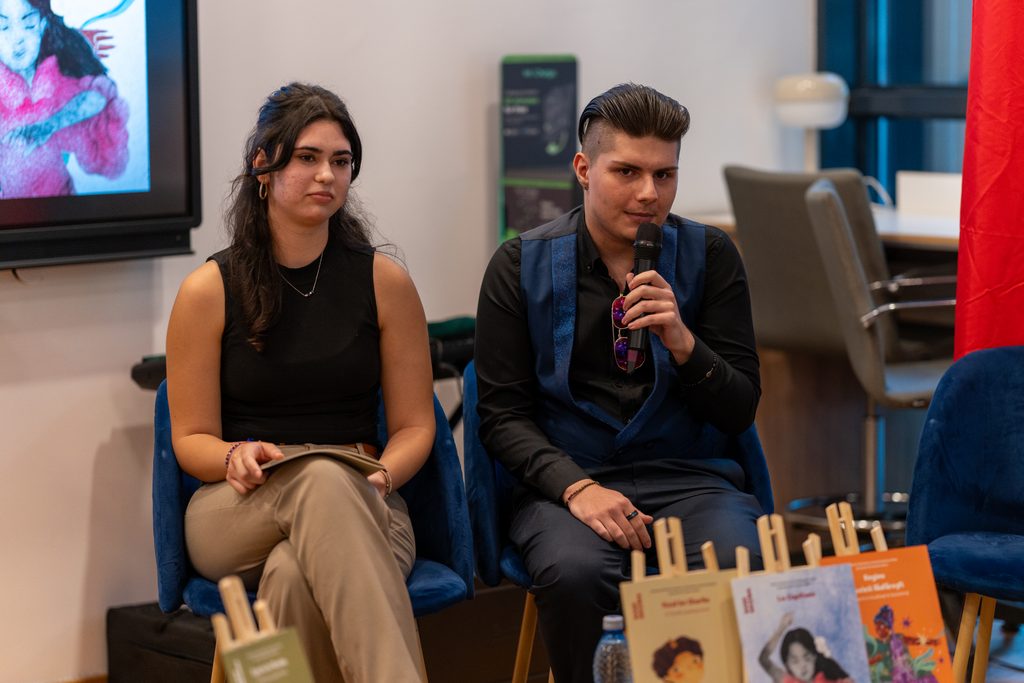
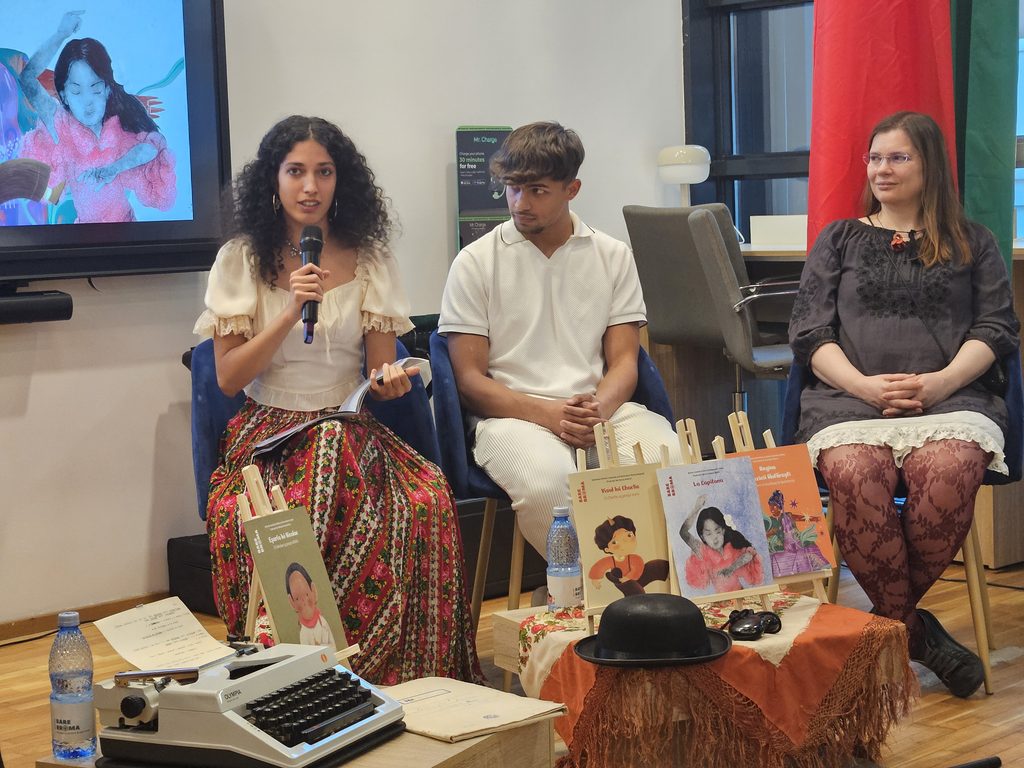
Behind the books are eight young Roma authors, students at the Faculty of Letters, Department of Romani Language, University of Bucharest. During ten workshops, they researched the lives of the four figures using archival documents, testimonies and historical sources, and then transformed the information they gathered into stories adapted to the world of children.
The writing process was coordinated by writer Iulia Iordan, journalist Ana Maria Ciobanu and Alexandru Zamfir, a university lecturer at the Faculty of Foreign Languages and Literatures, Department of Romani Language, and a member of the REF Romania team.
One of the stories introduces children to sociologist Nicolae Gheorghe. At the launch, Sara Vasile, Advocacy Expert at the REF Network, spoke about Nicolae, whom she had the privilege of knowing personally, and about the significance of a book that succeeds in transforming an extremely complex intellectual and political biography into a story about identity and discovery.
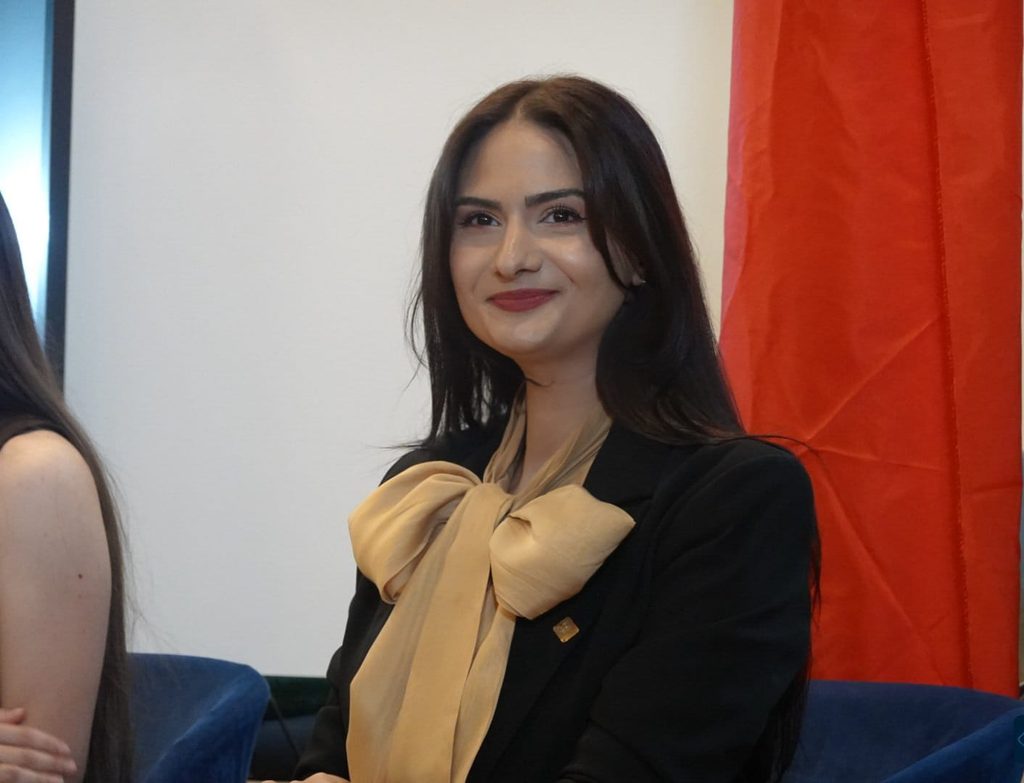
“The book about Nicolae Gheorghe is important precisely because it takes an extremely complex intellectual and political biography and brings it back to one of the simplest yet most difficult questions a person can ask: <Kon san? Who are you?> In ‘Nicolae’s Scarf’, this question becomes a journey of searching for one’s ethnic self. As a child, Nicolae discovers the Romani language, begins researching Roma history, reaches out to communities and listens to people. Gradually, his scarf takes on the colours of the Roma flag. It is a simple image, intended for children, but behind it lies one of the great themes of Nicolae Gheorghe’s life: identity is not something you receive fully formed. It is something you search for, question, learn to have the courage to embrace and, ultimately, transform into action.”
By bringing concrete life stories closer to children, Roma history can become more accessible and relevant to students, offering them not only information about the past, but also human role models they can identify with or discover for the first time.
For Arina Costea, co-author of “La Capitana”, about flamenco dancer Carmen Amaya, the importance of these stories goes beyond literature:
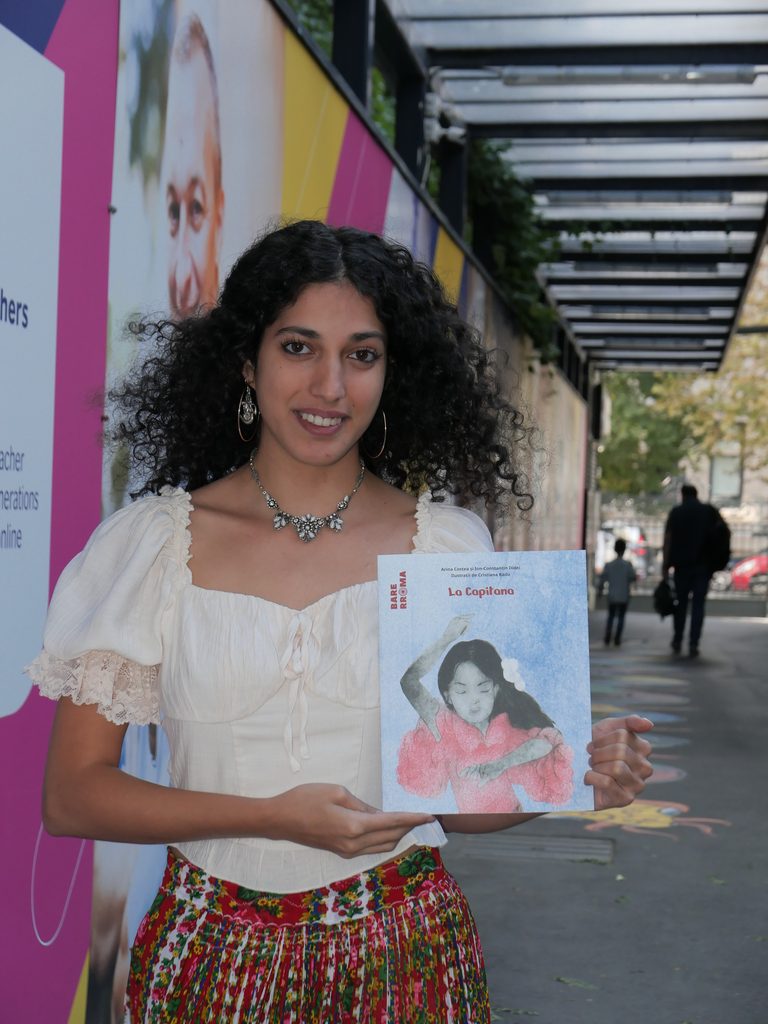
“We, Roma people, feel the need for books like these. If not now, then when? If we don’t start with children, then who should we start with? A childhood in which you have access to books featuring Roma heroes is a childhood richer in answers. And for non-Roma children, these books are an anchor, a way to learn something new about the people alongside whom they have lived for centuries.”
The BARE RROMA project continues a process built through ongoing dialogue with teachers and librarians, who have highlighted the need for adapted educational resources capable of reflecting the cultural diversity of society and encouraging children to develop curiosity, dialogue and understanding.
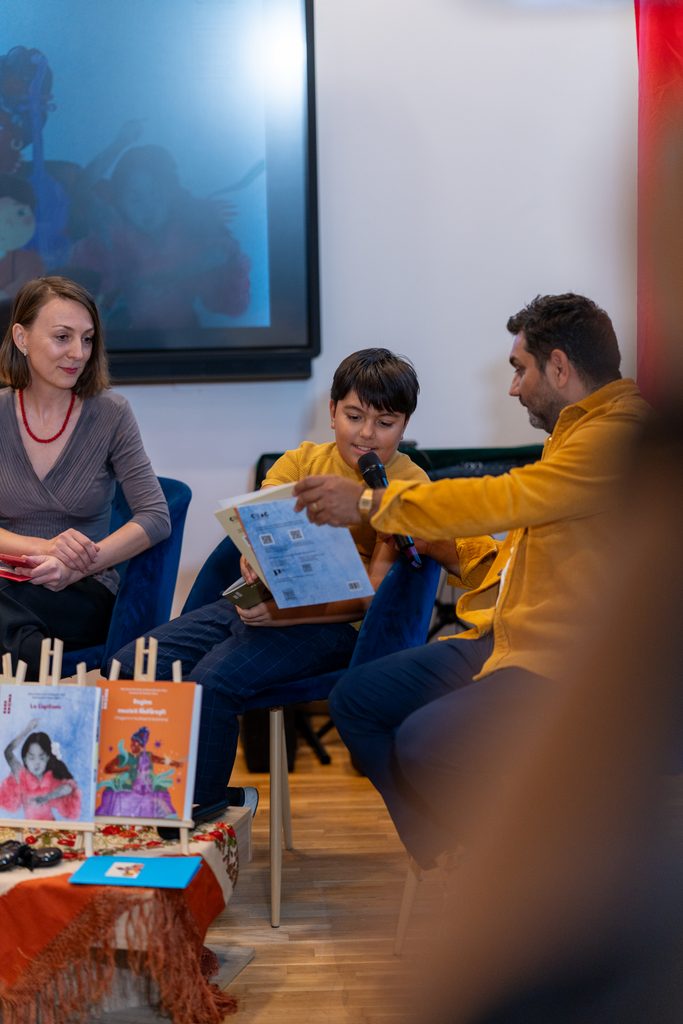
For Roma children, these stories offer an opportunity to see themselves reflected in the books they read and to strengthen their connection with their own history and culture. For children from other ethnic backgrounds, they provide an opportunity to discover different cultural realities and help prevent the formation of prejudice from an early age.
At a time when cultural diversity remains underrepresented in education and in materials designed for children, BARE RROMA helps address a visible gap: the absence of stories about real Roma people whose lives and contributions have left their mark on the world we live in.
“BARE RROMA, third edition, takes us back this time to the past, to four lives that shaped history — in art, music, cinema and research. Through these books, Charlie Chaplin, Romica Puceanu, Carmen Amaya and Nicolae Gheorghe become part of stories that create an emotional connection with the lives of figures who can serve as role models for all of us, not only for the Roma community. It is a natural and necessary step towards an education in which Roma children grow up knowing Roma heroes in schools and libraries, while children from other ethnic backgrounds discover the richness of Roma cultural heritage,” says Minodora Cerin, Project Coordinator, Asociația Cu Alte Cuvinte.
Each book is accompanied by a pedagogical guide designed to support teachers and librarians in using the books as educational tools. The guides include literacy and guided reading activities, empathy-building exercises, methods for challenging stereotypes, interdisciplinary projects adaptable to the classroom, and bilingual Romanian–Romani activities.
“Children’s literature that includes elements of Roma culture serves exactly the same purpose: to create a world in which Roma children can find themselves, recognise themselves and their families, and see heroes who resemble them, their brothers and sisters, parents, uncles and aunts, grandparents and great-grandparents. And if it is also in the language they speak at home, Romani, that makes it even better!”
says Alexandru Zamfir, university lecturer at the Department of Romani Language and REF Project Manager.
A total of 4,000 printed copies will be distributed free of charge to 1,000 teachers and librarians across Romania, with a particular focus on rural communities and areas where access to cultural and educational resources is limited. More than 15,000 students are expected to benefit directly from this distribution.
All four books will also be freely available to the general public in digital format, in Romanian–Romani and English–Romani editions.
Beyond the numbers, the purpose of BARE RROMA remains simple: children need to encounter in books a world broad enough to include them, too. And when Charlie Chaplin, Romica Puceanu, Carmen Amaya or Nicolae Gheorghe enter a library or classroom through a children’s story, Roma heritage becomes part of the education and collective memory of a new generation.