From Curiosity to Engineering: Preparing Roma Children for a Technology-Driven Future
As technological innovation, digitalisation and the green transition reshape European economies and labour markets, education systems face the challenge of equipping younger generations with the competencies needed to participate in and contribute to these transformations. Early access to science, technology, engineering and mathematics (STEM) education is an important part of this process.
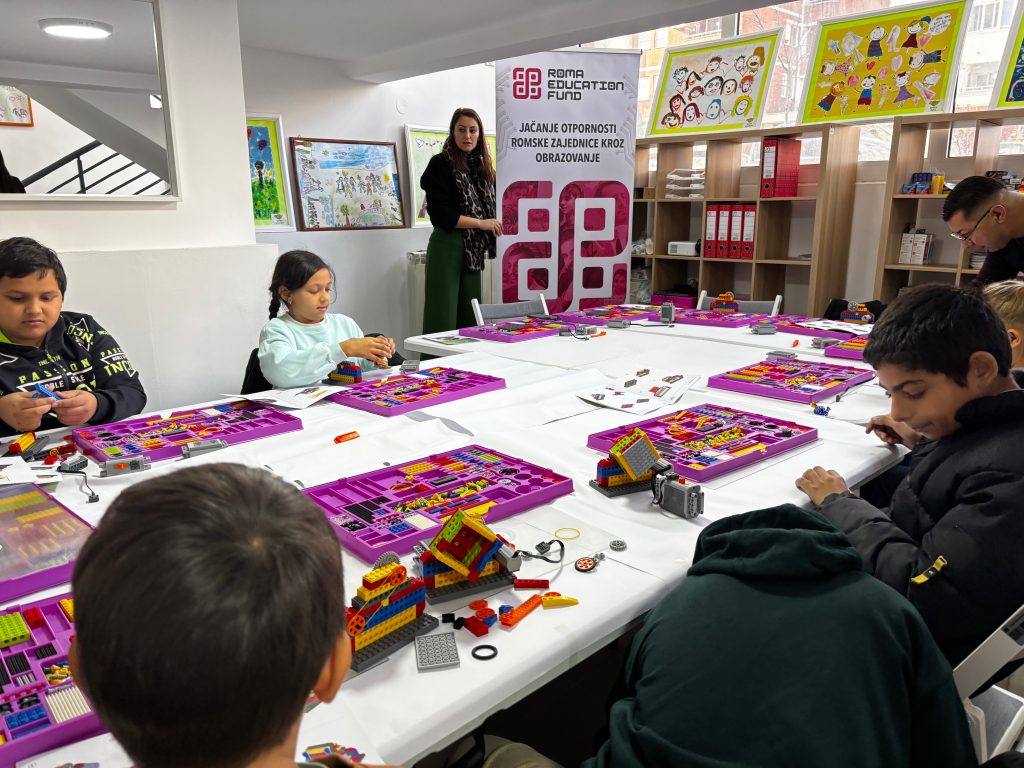
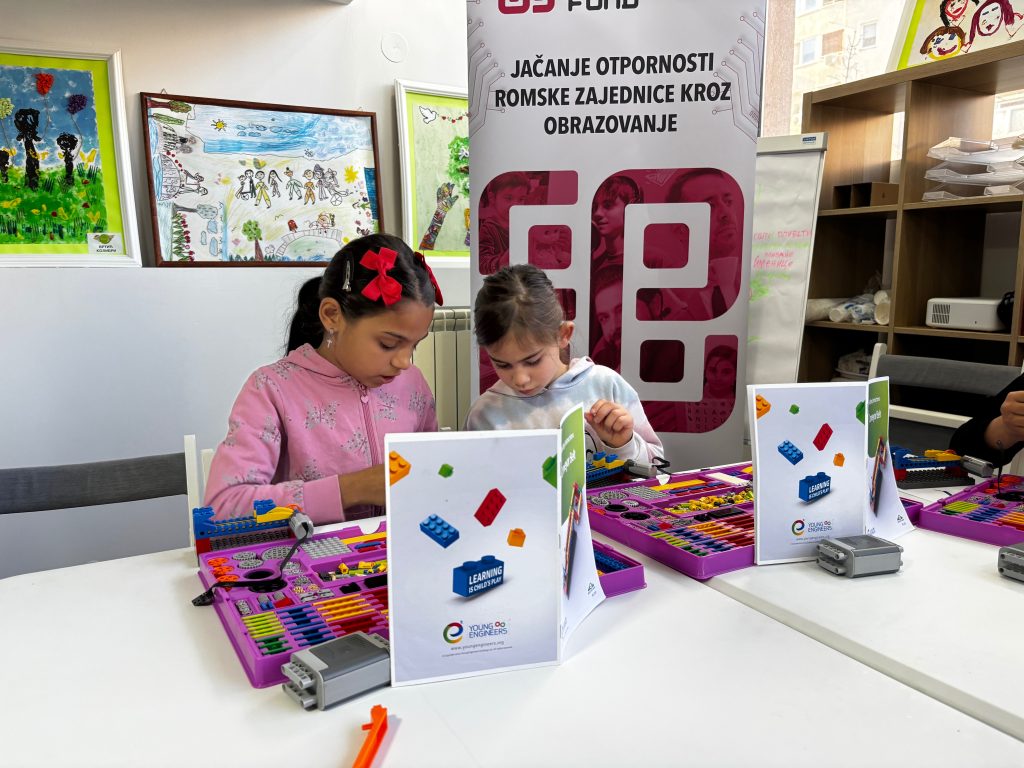
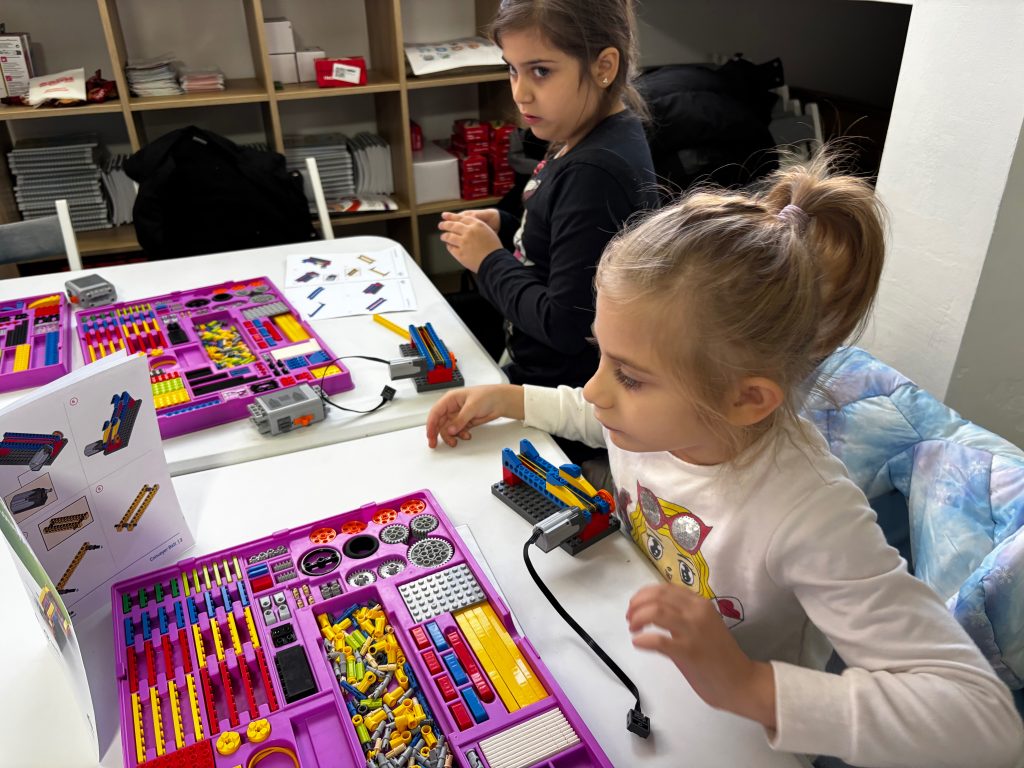
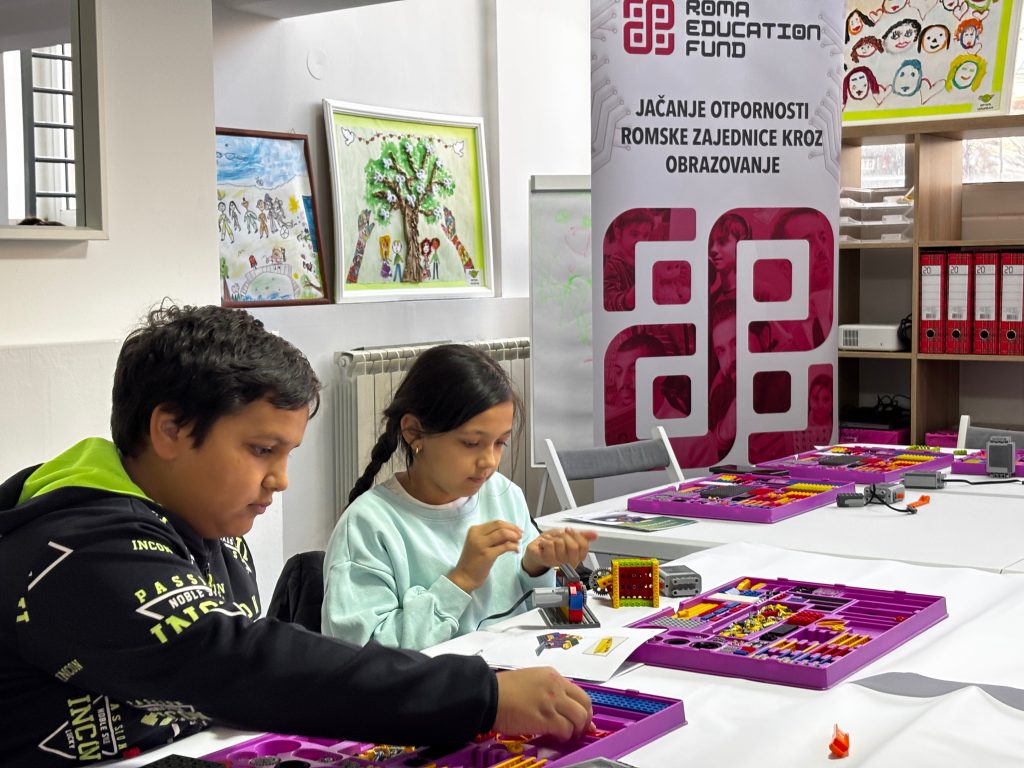
For Roma Education Fund, ensuring that Roma children have access to such educational opportunities is both a matter of educational equity and a strategic investment in the development of Roma human capital. Introducing scientific and technological concepts from an early age can nurture curiosity, develop analytical and problem-solving skills, and broaden children’s future educational and professional choices. As part of this commitment, on 24 November 2026, Roma Education Fund Serbia organised an interactive STEM workshop entitled Young Engineers – Big Challenges at the Roma Club in Kragujevac. The workshop brought together children aged 6-11 from the local community, introducing them to basic engineering and scientific principles through hands-on learning, experimentation and practical problem-solving.
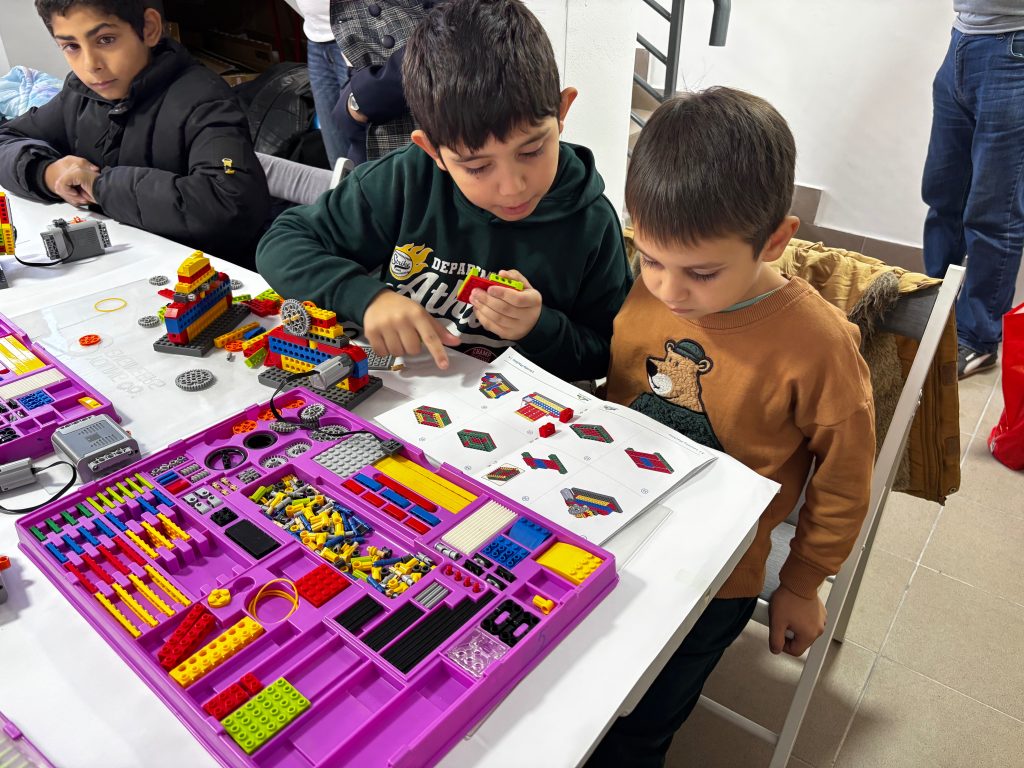
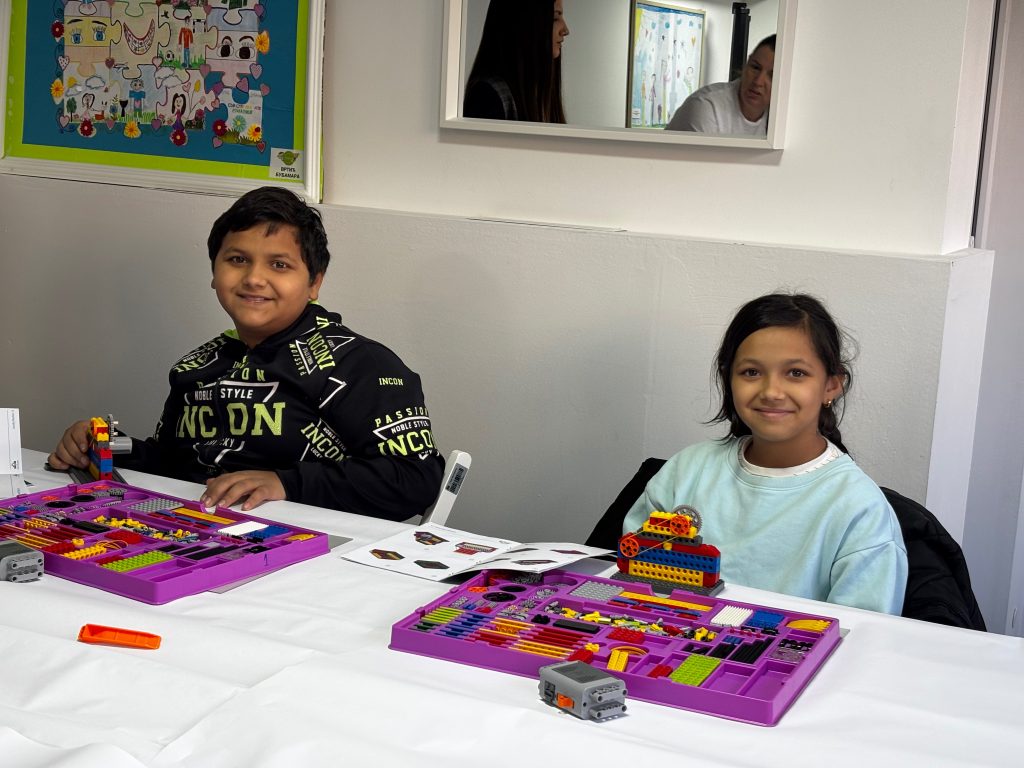
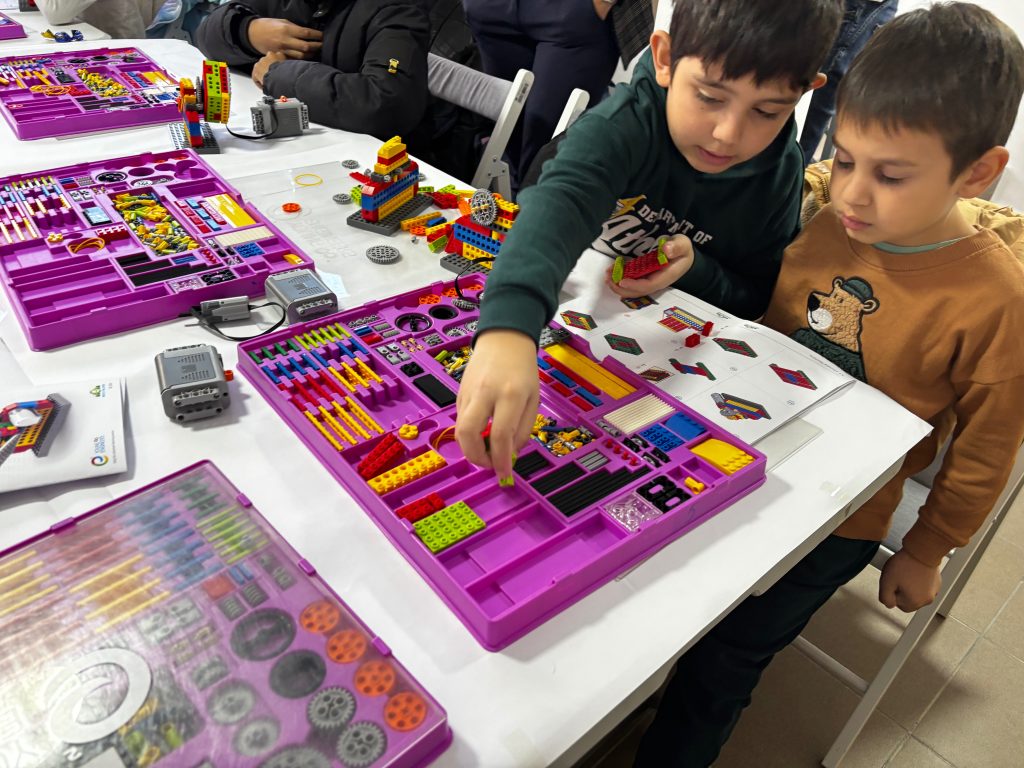
During the workshop, children used educational building blocks to assemble functional mechanical models. One of the main activities involved constructing a working model of a washing machine, allowing participants to explore the principles of rotational motion and centrifugal force while discovering how everyday household appliances work. Once their constructions were completed, the children were presented with a new engineering challenge: modifying the motion transmission system to explore alternative mechanical solutions. By experimenting, testing and comparing different designs, they discovered how changing one component can influence the functionality of an entire system.
This approach encourages children to move beyond acquiring knowledge towards understanding how to apply it. It creates opportunities to ask questions, formulate hypotheses, test ideas, learn from mistakes and develop their own solutions. Alongside basic engineering knowledge, these activities support the development of critical and logical thinking, creativity, spatial reasoning, problem-solving and teamwork.
Why does STEM education matters for Roma children?
The ability to understand technology, interpret information, solve complex problems and adapt to change is becoming increasingly important across a wide range of occupations. Preparing children for this changing environment must begin long before they enter the labour market. Early exposure to STEM education can help children develop an interest in scientific and technological fields, build confidence in their abilities and broaden their understanding of the educational and professional pathways available to them.
For many Roma children, particularly those growing up in socio-economically disadvantaged communities, educational opportunities are shaped by a combination of structural barriers: inadequate living conditions, limited access to digital infrastructure and educational resources, insufficient access to quality early childhood education, and schools that often lack the resources and institutional capacity to respond effectively to their learning needs. These challenges can accumulate throughout a child’s educational journey, affecting foundational literacy and numeracy, limiting exposure to science and technology, and narrowing future educational and professional choices. Without timely, targeted and sustained educational interventions, existing learning gaps risk widening as education systems and labour markets become increasingly technology-driven.
In this context, access to quality STEM education is an essential component of preparing Roma children to navigate a rapidly changing world. It is fundamentally about building resilient Roma communities through education by equipping future generations with the competencies, confidence and adaptability to actively participate in, contribute to and benefit from technological, economic and societal transformations.