
From Education to Employment for Roma Youth in Kosovo
Pristina, Kosovo | 28 October 2026
Roma Education Fund Serbia brought together policymakers, representatives of public institutions and Roma civil society organisations in Pristina on 28 October 2026 for a national policy roundtable focused on strengthening pathways from secondary education to vocational training, higher education and employment for Roma youth in Kosovo.
The meeting gathered 13 participants to discuss the findings of REF’s regional Bridging Education and Employment Policy Report, identify gaps in existing policies and explore practical measures to improve educational and employment opportunities for Roma young people.
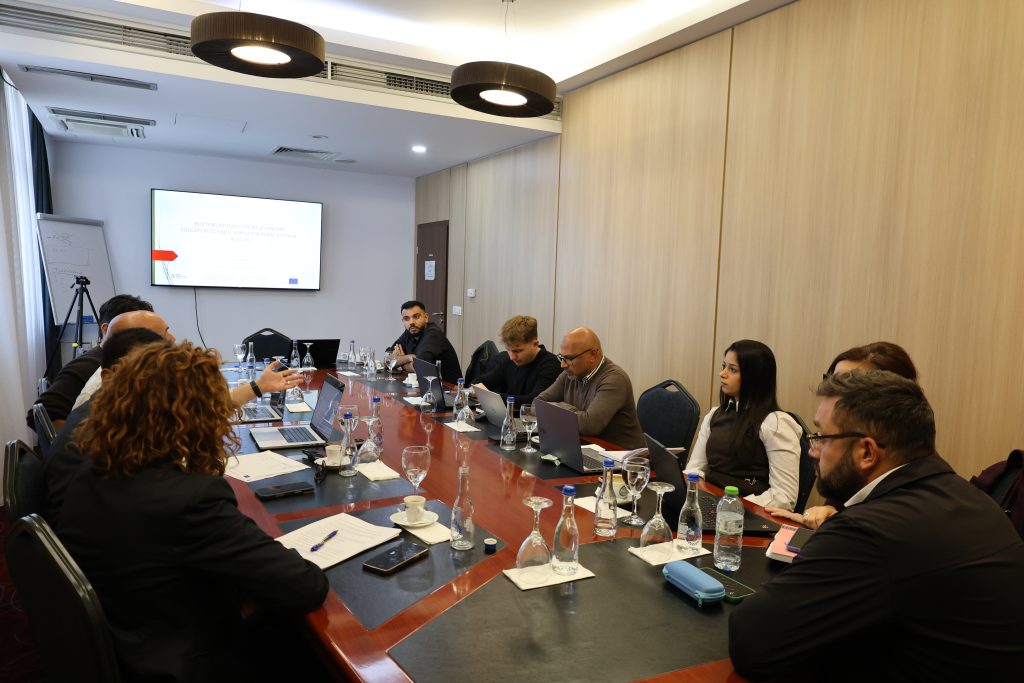
The roundtable was part of the regional advocacy process under the EU Regional Action for Roma Education (RARE), Phase II, funded by the European Commission through the Directorate-General for Enlargement and the Eastern Neighbourhood. The regional report examines vocational education and labour market integration policies across seven countries, identifying barriers and enabling factors affecting Roma youth transitions from education to employment. It also incorporates a gender perspective, highlighting the additional challenges faced by Roma girls and young women.
Opening the meeting, Marijana Rakić, REF Serbia Public Affairs Senior Officer, emphasised the importance of translating evidence and policy dialogue into concrete actions. She highlighted that improving access to education is only the first step: Roma young people must also be supported to complete secondary education, access vocational or higher education and ultimately transition into sustainable and decent employment.
Sibina Golubović, REF Programme Coordinator, presented the RARE II project, its objectives, activities and results, outlining the organisation’s work to improve educational pathways and processes across the region.
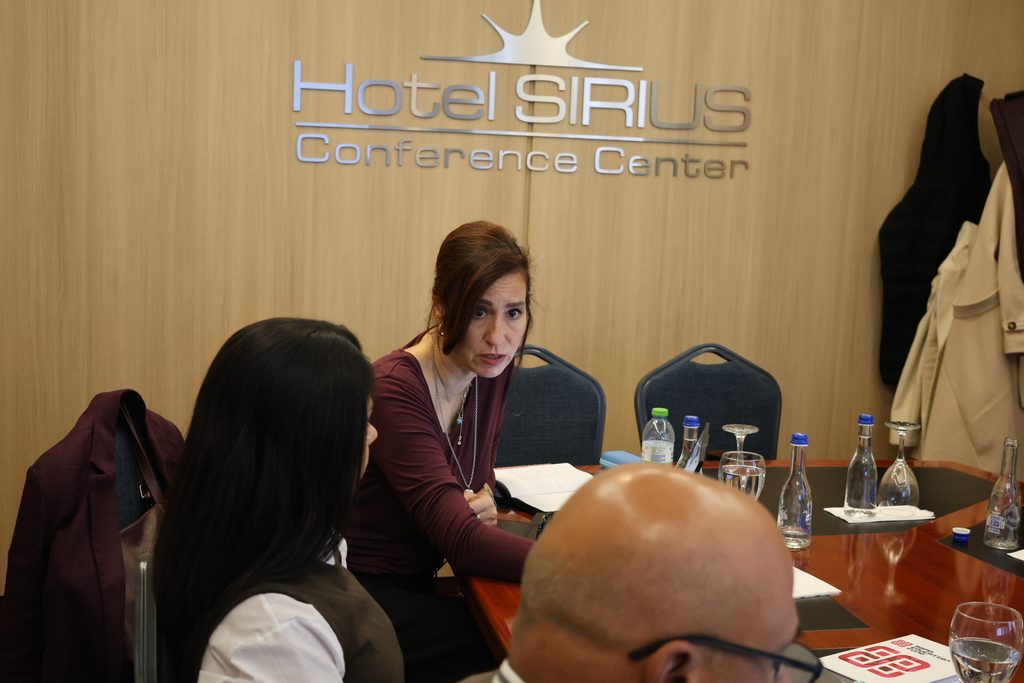
Njomza Musa Baholli, representative of the Employment Agency of Kosovo and Head of the Division for Migration Service, presented the employment services and programmes available to jobseekers. The Agency operates through a network of 38 employment offices, 34 of which were active in providing services at the time of the meeting. These include free employment services, accredited training courses and employment mediation.
Particular attention was given to the SuperWork programme, which provides paid internship opportunities lasting up to six months. Internship costs are shared equally between the government and employers, with financial support provided to employers at the beginning of the programme. The initiative aims to give young people practical work experience and facilitate their transition into employment.
Discussions highlighted several interconnected challenges that continue to limit Roma young people’s access to education and employment.
Sejnur Veshall, Deputy Minister of Youth and Sports, raised concerns about the implementation and monitoring of the Roma Strategy. He noted the absence of a dedicated monitoring body and emphasised the need for greater financial transparency and accountability regarding the budget allocated to the strategy. He also underlined the importance of stronger involvement by civil society organisations in monitoring implementation and advocating for change.
Participants stressed that improving employment outcomes requires addressing educational disadvantages from an early stage, supporting families and ensuring that both Roma girls and boys have opportunities to complete their education and acquire the qualifications needed to enter the labour market.
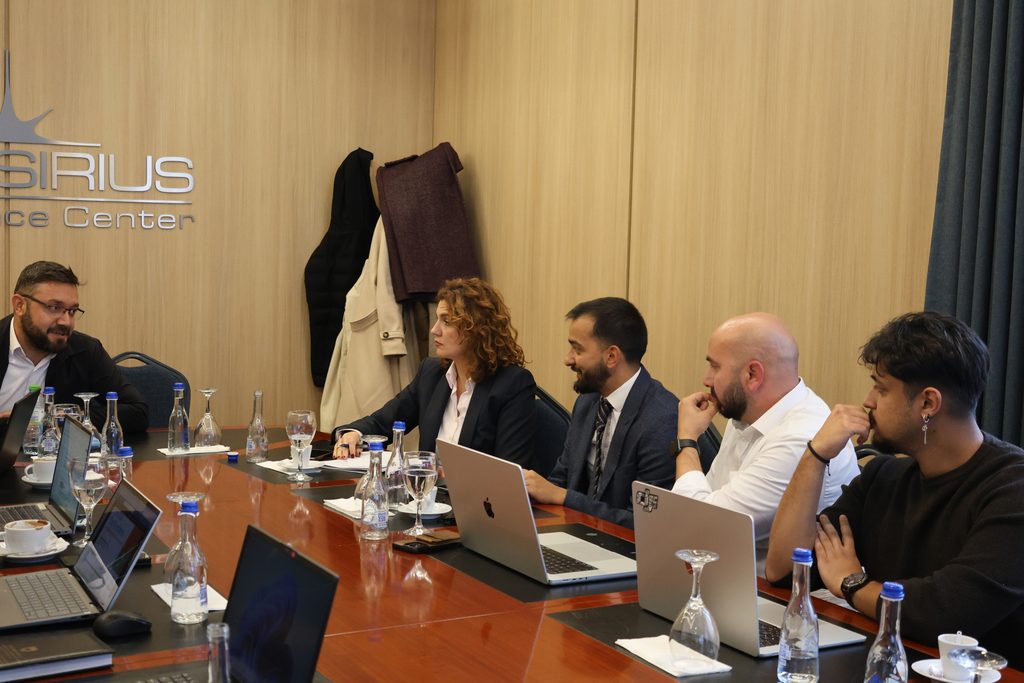
Orhan Butic, representing VoRAE, emphasised the need for more effective cooperation between government institutions and civil society. He also pointed to the difficulties young Roma face when employers require previous work experience, despite the limited opportunities available to them to access their first jobs.
The roundtable also addressed migration and its impact on Kosovo’s labour market. Participants expressed concern about the increasing departure of young people to EU countries, while noting the lack of reliable data on the number of people leaving, their professional profiles and the sectors most affected.
The Employment Agency representative highlighted continuing labour market needs, including in the construction sector. Participants also referred to an ongoing International Labour Organization (ILO) assessment expected around March 2027, which is intended to examine labour market needs, professional profiles leaving Kosovo and occupations increasingly filled by migrant workers.
The findings of this assessment could provide valuable evidence for aligning vocational education and training with actual labour market demand.
Other proposals included expanding career guidance services, improving access to information about available employment and training opportunities, and considering the inclusion of Roma history and culture in school curricula. Participants also discussed the challenges faced by Roma students attending parallel education systems and the importance of ensuring access to recognised educational pathways.
The roundtable concluded with a shared understanding that improving employment outcomes for Roma young people requires a coordinated approach addressing the entire pathway, from school participation and completion to vocational training, practical work experience and sustainable employment.
Kosovo already has relevant strategies, employment provisions and support programmes in place. The challenge now is to ensure their effective implementation through stronger institutional coordination, transparent monitoring, political commitment and meaningful cooperation with Roma civil society.
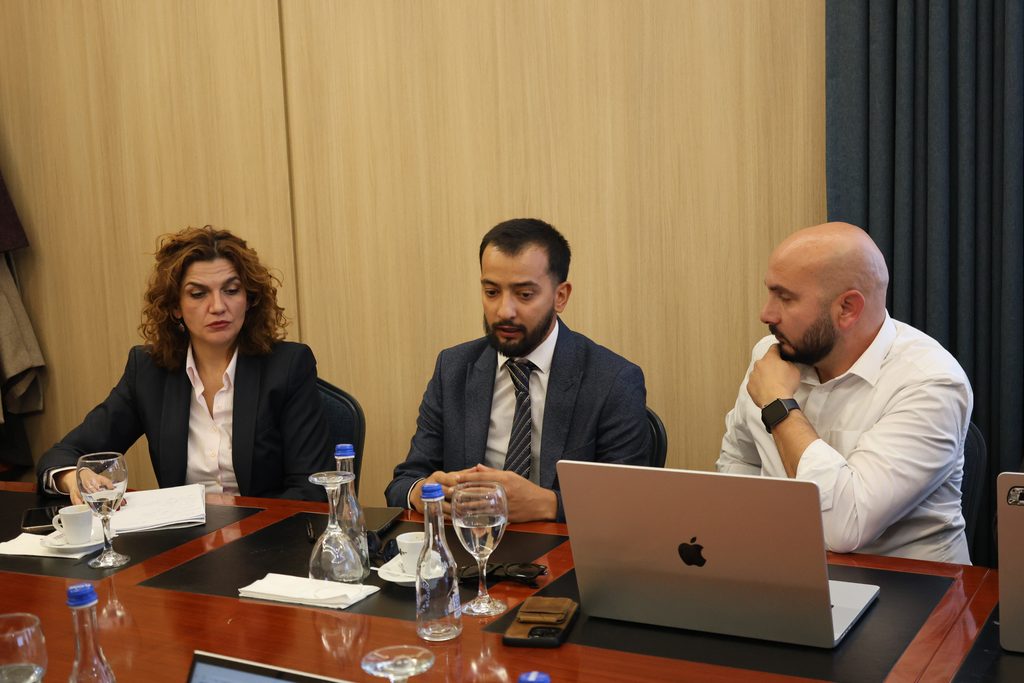
Through its regional advocacy work, the Roma Education Fund continues to promote evidence-based policy solutions and support stronger education-to-employment pathways, ensuring that Roma young people have better opportunities to develop their potential and participate fully in society.
The Roma Education Fund works to expand access to quality education and improve educational outcomes for Roma communities. Through complementary education, skills development, employment support and leadership initiatives, REF collaborates with public institutions, civil society organisations and other partners to promote equal opportunities and strengthen Roma inclusion.
The project “EU Regional Action for Roma Education: Increased Education Support and Opportunities for Roma Students in the Western Balkans and Türkiye (RARE), Phase II” is funded by the European Commission through the Directorate-General for Enlargement and Eastern Neighbourhood (DG NEAR) and implemented by the Roma Education Fund Romania and the Roma Education Fund in Serbia.

