
Rebuilding Hope: How Ukrainian Adolescents Process Displacement, Stress, and Resilience
In educational and developmental psychology, young people’s ability to adapt to major change is deeply connected to how they perceive, represent, and process new realities. For children and adolescents who have experienced forced displacement, emotionally integrating the transition becomes a critical step in their educational and social journey. In the aftermath of a destabilizing event, the way young people internalize hardship often determines their ability to persevere.
At the beginning of April, the Research and Development Department of the Roma Education Fund (REF) conducted a qualitative data collection activity at one of its Complementary Education Centers in Bucharest, Romania, involving Ukrainian Roma refugees participating in REF programs. The study engaged 17 Ukrainian adolescents and used the Body Map Storytelling method, a participatory approach combining visual expression and personal narrative to explore emotional experiences, identity, and adaptation processes.
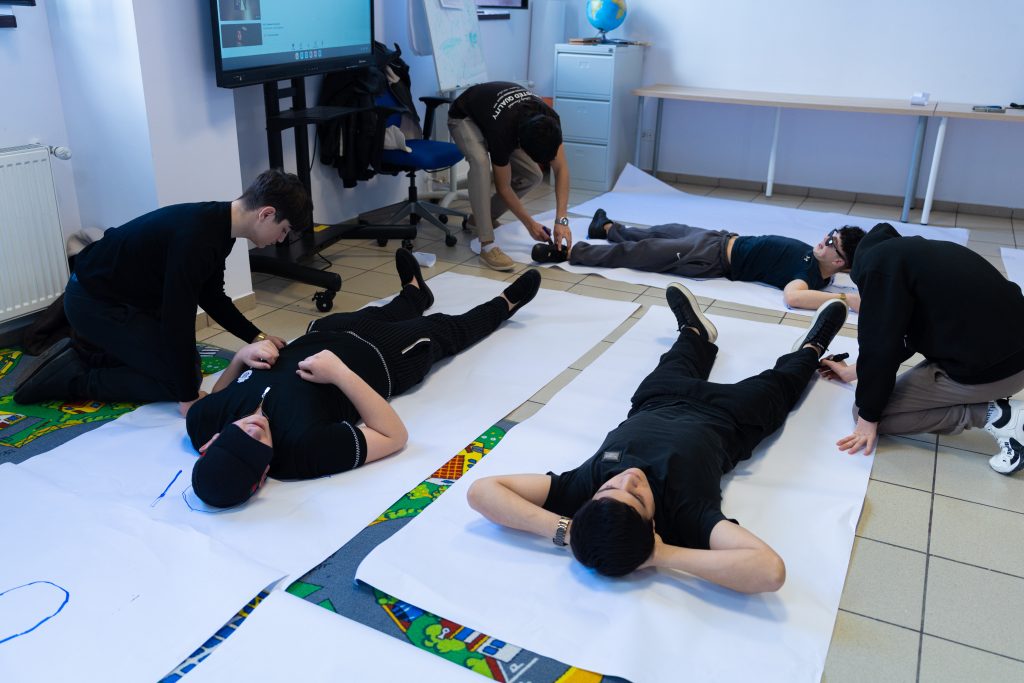
The objective of the exercise was to better understand how young refugees physically and emotionally map stress and anxiety, while also identifying positive coping resources, support relationships, and future aspirations.
Beyond verbal expression, the visual representations revealed how emotional difficulties are experienced both physically and cognitively. One of the most recurrent themes emerging from the body maps was emotional attachment to the past. Homes, family members still living in Ukraine, and even pets were frequently illustrated at the base of the body maps or represented as obstacles, reflecting the emotional weight of separation and uncertainty.
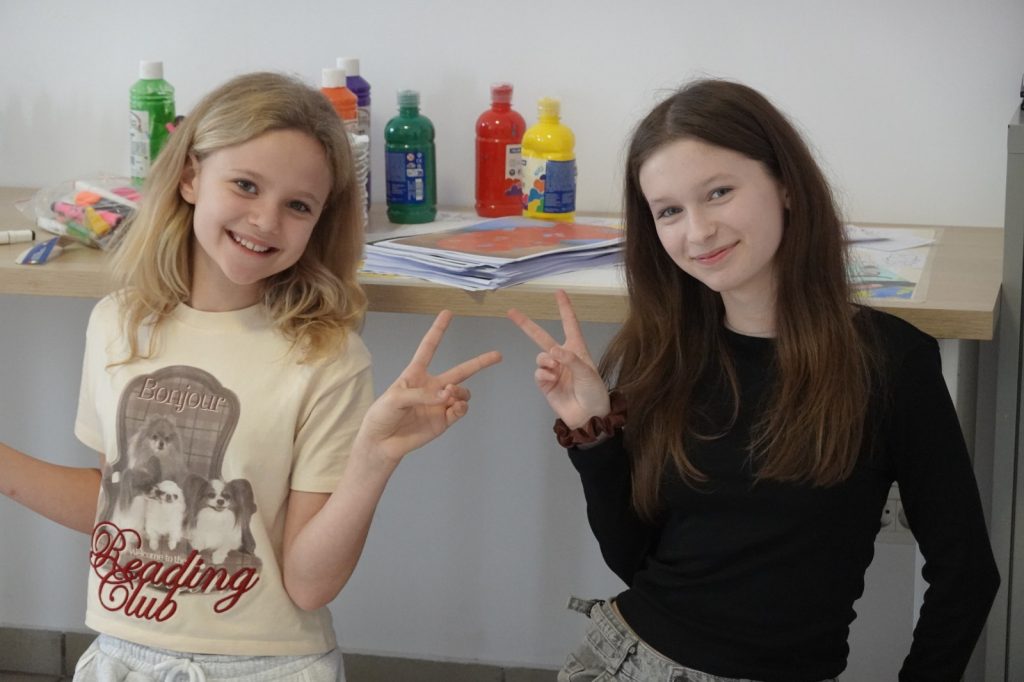

Feelings such as longing, sadness, and anxiety were often localized in the chest area and illustrated through fragmented or broken hearts. Yet what stands out most strongly in the findings is not vulnerability alone, but the adolescents’ perspective on healing and recovery. Difficulties were not perceived as permanent conditions, but as temporary stages in a broader process of reconstruction and adaptation.
“One’s heart breaks, but it repairs itself again,” one participant shared, reflecting a mindset oriented toward growth and the capacity to process pain and failure as opportunities for rebuilding.
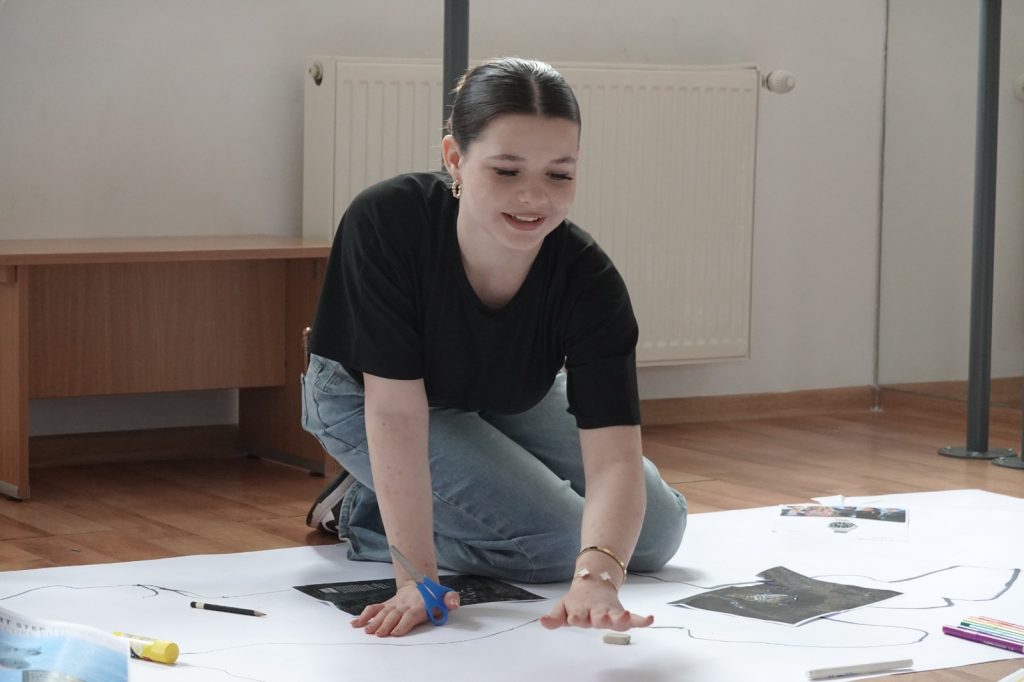

“The data collected highlights a remarkable capacity for self-regulation and adaptation. Adults working in educational and training environments may observe that these young people locate their sources of strength primarily in two key areas: at the cognitive level (mind/head), resilience is associated with rational decision-making, hope, and future orientation. At the physical and action-oriented level (hands/arms), direct effort and physical activity, particularly sports such as boxing and wrestling, function as adaptive strategies for stress management and regaining personal agency” – Ider Stefan, researcher and coordinator of the R&D Division.
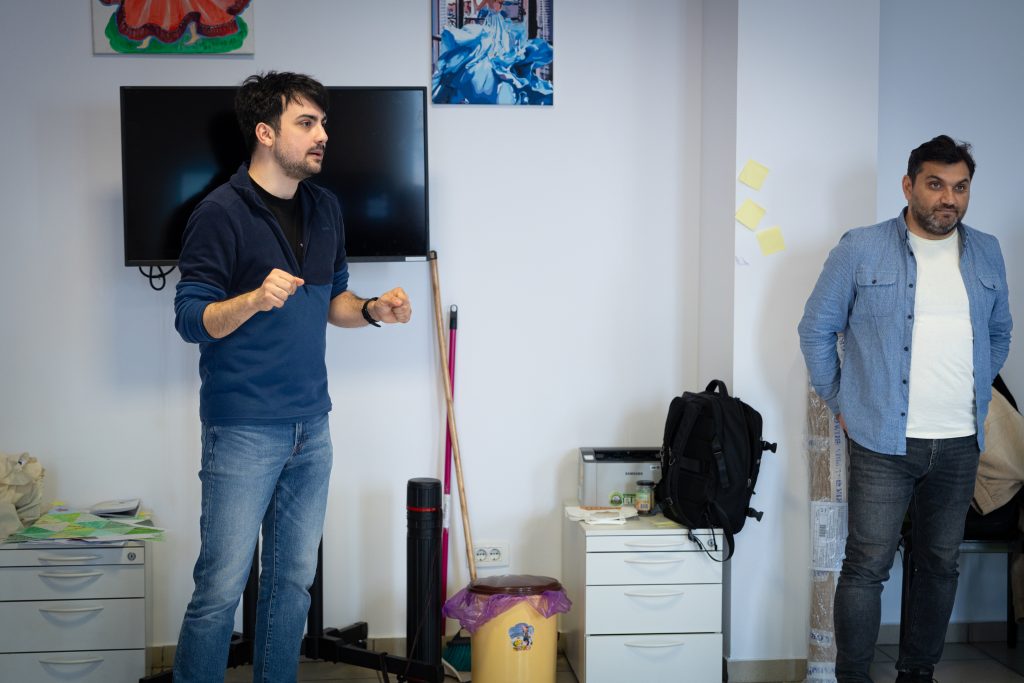
“My brain is my power. If you think clearly and make wise decisions, you will be happy,” explained one adolescent, emphasizing the importance of internal locus of control when facing adversity.
Family also emerges as a central pillar in the adolescents’ narratives, not only as a source of emotional comfort, but as a long-term purpose. Many participants expressed a desire to achieve independence and professional success in order to support and protect their families in the future, reflecting a vision grounded in continuity, responsibility, and resilience.
For educators and trainers, these findings carry important implications. Supporting young refugees requires more than recognizing final outcomes. It requires acknowledging and normalizing the effort behind adaptation itself: learning a new language, building social connections, navigating uncertainty, and maintaining engagement despite emotional stress. Educational psychology literature consistently shows that constructive feedback focused on process and perseverance strengthens long-term motivation and resilience – Ider Stefan.
The message left behind by one of the participants perhaps captures the essence of this process best:
“Never lose hope.”
It reflects a fundamental competency that educational programs must cultivate consistently: the ability to face obstacles directly and still choose perseverance. At REF, this vision is increasingly at the core of our mission to build resilient communities through education by creating learning environments that strengthen not only academic outcomes, but also adaptability, confidence, agency, and long-term social participation.
After this stage, the data entered the final analysis phase and the drafting of the article manuscript, which will subsequently be submitted for publication and distributed in the coming months.

