Donate

A Generation on Hold

Posted on February 5, 2026 by admin2

Romania has a peculiar talent for turning structural problems into moral debates with no practical solutions. This is also the case with the NEET youth, those who are not in education, employment, or training. For years, Romania has ranked first in the European Union in terms of the share of NEET young people: nearly one in five Romanian youth aged 15–29 are in this situation, far above the EU average, writes the well-known Roma activist Ciprian Necula in an opinion piece for the Romanian online magazine HotNews.

Dr. Ciprian Necula is the Executive President of the Board of the Roma Education Fund.

According to official data, the NEET rate among young people aged 20–24 consistently exceeds 20%, compared to a European average of around 11%. Yet, in a characteristically local manner, statistics often cease to affect us; they become cold, dehumanized numbers, even though they describe a generation caught between limited opportunities and structural barriers.

A chronic symptom for Roma youth

“NEET” is not an identity but a collective effect: underperforming schools in vulnerable areas, underfunded social services, an almost nonexistent transition between education and the labour market, and an economy that fails to include enough young people.

For Roma youth, this symptom becomes chronic. They often grow up in communities with poor infrastructure, weak schools, and experiences of discrimination that erode their trust in institutions. The result is a well-known vicious circle: school dropout, insufficient qualifications, informal work or unemployment, and the transmission of vulnerability to the next generation.

But what if we changed our lens? What if, instead of viewing Roma people only through the prism of deficit, we saw them as an opportunity? A Romania that is ageing and losing its workforce cannot afford to leave tens of thousands of young people on the margins. Inclusion is not charity; it should be an economic strategy.

“We are not talking about ‘saving’ Roma youth”

In this direction, the approach promoted by the Roma Education Fund and the Roma Foundation for Europe is essential: investing in the education and skills of Roma people as an investment in Europe’s future. Support for early education, mentoring, and school-to-work transitions shows that when barriers are reduced, potential can be transformed into performance.

Civil society has demonstrated that solutions exist: community centres, scholarships for students, “second chance” programmes, school mediation, mentoring, and employment support. The problem is that these initiatives too often remain islands of success, without systemic support.

This is why we need not confrontation, but genuine cooperation between government, local authorities, the business sector, civil society, and Roma communities. This should mean: quality early education in vulnerable areas, real school-to-work transitions through paid apprenticeships, social services present in communities, and professional, respected Roma mediators.

We are not talking about “saving” Roma youth, but about providing them with fair conditions to contribute. If they lose, we all lose.

Romania can continue to produce alarming statistics. Or it can transform this NEET generation, currently waiting for coherent policies and real cooperation, into the generation of the future.

This op-ed was originally published in Romanian by the online magazine HotNews.ro. Link here

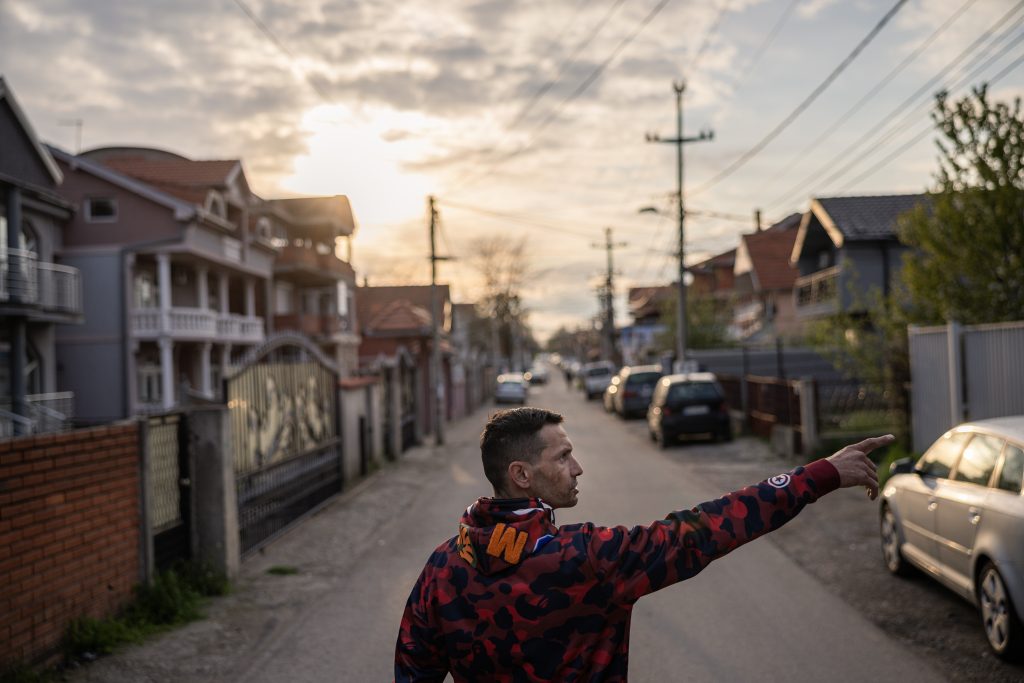
Belgrade, Serbia on 2025.04.07. Photo: Akos Stiller

Strong Beginnings – Why Early Childhood Education Matters for Roma Inclusion 

Posted on by admin3

Early Childhood Education (ECD) is one of the most decisive stages for breaking cycles of exclusion. Building on this understanding, the Roma Education Fund (REF) is launching Strong Beginnings: Nurturing the Potential of Roma Children through Early Education, a practical guidebook designed to support those working most closely with Roma children in their formative years. 

Developed by REF in close collaboration with early childhood education experts from Serbia Mirjana Beara and Vinka Žunjić, the guidebook brings together core principles, applied knowledge, and hands-on methodologies aimed at educators, caregivers, parents, and mentors. Its focus is clear: strengthening early learning, resilience, and well-being at a stage when cognitive, emotional, and social foundations are being laid. 

Strong Beginnings capture a core insight from complementary education practice: early childhood development is built through everyday relationships, play, and cultural continuity, complementing the institutions. This guidebook offers a practical framework for supporting Roma children in contexts where access to formal early education remains limited. Grounded in play-based learning, family engagement, and respect for Roma identity, it provides realistic tools for educators and caregivers working close to communities. As such, it strengthens school readiness while reinforcing the role of families and local practice in shaping long-term educational outcomes. – Stanislav Daniel, the team leader the Complementary Education Centres Strategic Division within the Roma Education Fund Network.

The publication was created within the framework of the EU Regional Action for Roma Education (RARE II) initiative, Increased Education Support and Opportunities for Roma Students in the Western Balkans and Turkey, funded by the Directorate-General for Enlargement and the Eastern Neighbourhood (DG ENEST). Targeting children aged 3 to 6, the guidebook aligns with the project’s strategic priority of intervening early, when children begin to engage more actively with their families, communities, and educational institutions. 

To ensure that the guidebook is not only understood in theory but effectively applied in practice, REF is organizing a series of 10 local training events across the Western Balkans and Turkey throughout February, with at least one workshop taking place in each project location. 

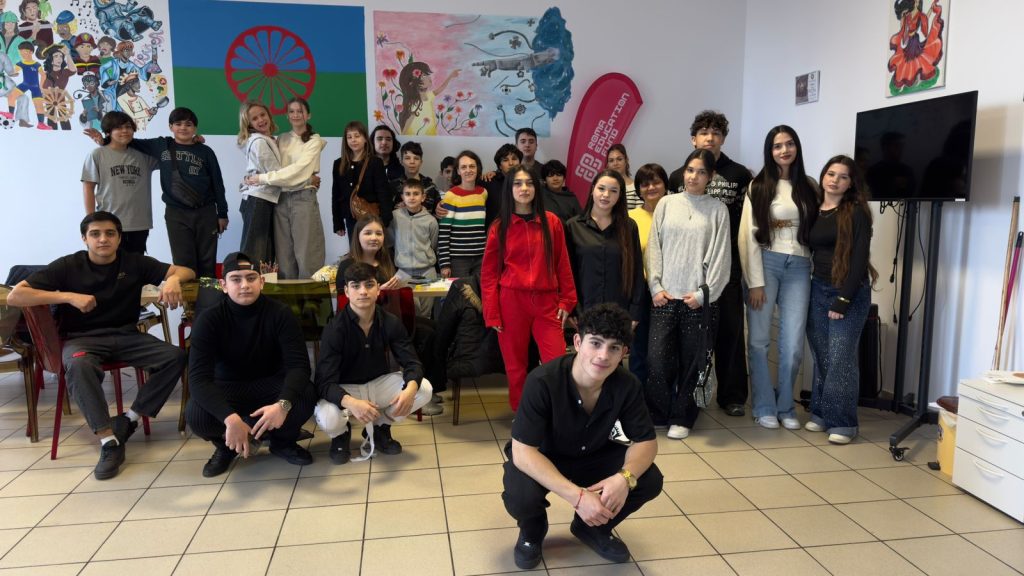
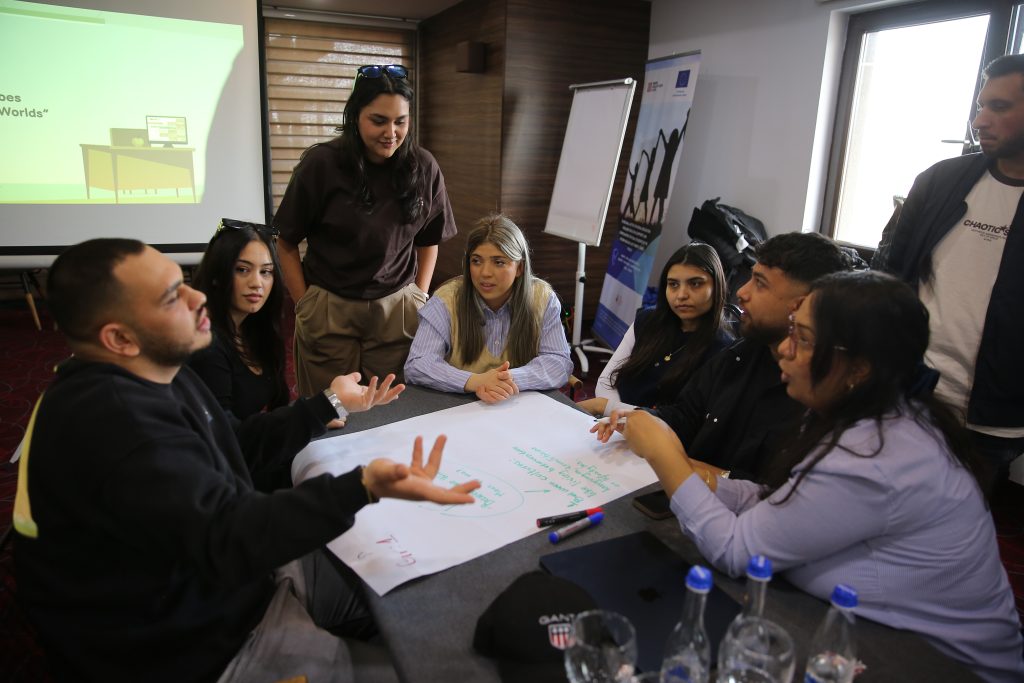
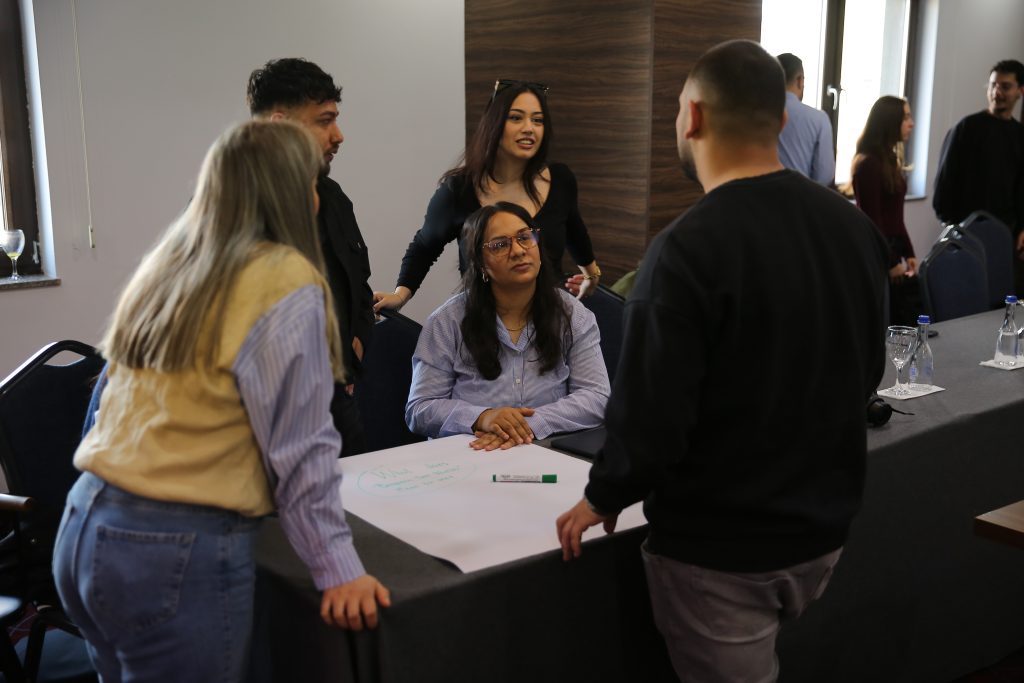
The training program was launched in Prizren, Kosovo*, on February 3, led by the Roma Education Fund’s Country Facilitator, Edis Galushil. The workshop brought together parents, teachers, mentors, and other direct and indirect beneficiaries. Participants were introduced to the guidebook’s core methodology, with a strong focus on practical tools and approaches that can be readily applied in their day-to-day work with children. 

At its core, Strong Beginnings promotes simple, adaptable practices that can be easily integrated into daily routines. Through play-based learning, the guidebook supports the development of future-relevant skills while reinforcing cultural identity and self-confidence, elements often overlooked, yet essential for long-term educational success. 

The Roma Education Fund’s Early Childhood Development Officer, Ana Duraki, highlights the importance of investing in practical resources that can be directly applied in everyday work with children. “The project places a strong focus on children aged 3 to 6, and we are pleased to be able to offer a tool that is both simple to use and effective in daily practice. By supporting early learning through hands-on and accessible approaches, this guidebook contributes to building resilience, confidence, and a sense of pride among the youngest members of our Roma community.” 

Framed within a broader effort to build resilience through education, Strong Beginnings reflects a comprehensive, service-based approach that supports Roma children across the full education cycle, from early childhood to tertiary level, with particular attention to key transition points.

Aligned with EU priorities, the initiative promotes gender equality in educational outcomes, strengthens pathways from education to employment, and contributes to long-term systemic change in the region’s education systems, including the commitments undertaken by Western Balkans partners under the Poznań Declaration. Within this framework, early childhood education (ECD) emerges as a strategic priority, responding to persistent barriers faced by Roma children, such as limited access to preschool facilities, low participation rates, insufficient parental support, financial constraints, and uneven quality of services. The Educators and Caregivers Guidebook is designed as a practical response to these challenges, offering adaptable tools, methodologies, and activities developed in cooperation with local stakeholders across seven countries.


*
This designation is without prejudice to positions on status and is in line with UNSCR 1244/1999 and the ICJ Opinion on the Kosovo declaration of independence.

REF România recrutează Manager de Proiect | Termen limită – 18 ianuarie

Posted on January 5, 2026 by admin3

Locație: București || Durata contractului: minimum 24 luni începând cu februarie 2026

Tip program: Full-time || Tip job: Birou, cu deplasări ocazionale (aprox. 20%)

• Coordonează integral implementarea proiectului (sau a portofoliului de proiecte alocate), asigurând atingerea obiectivelor, indicatorilor de performanță și rezultatelor asumate la nivel tehnic, financiar și administrativ;

• Planifică, organizează și monitorizează activitățile proiectului, stabilește responsabilitățile în cadrul echipei și se asigură de respectarea termenelor și standardelor de calitate;

• Coordonează și sprijină echipa de implementare, experți, colaboratori și parteneri,  oferind ghidaj operațional și suport în rezolvarea problemelor apărute pe parcursul derulării proiectului;

• Gestionează relația cu partenerii de proiect, autoritatea contractantă și alte instituții relevante, reprezentând Fundația în toate aspectele de management și comunicare aferente proiectului;

• Monitorizează execuția bugetară și respectarea regulilor de eligibilitate a cheltuielilor, în strânsă colaborare cu departamentul financiar al organizației;

• Elaborează rapoartele tehnice și financiare periodice, contribuind la documentarea corectă și completă a progresului proiectului, conform cerințelor finanțatorului;

• Asigură alinierea activităților și rezultatelor proiectului cu strategia organizațională și obiectivele programatice ale Fundației, în colaborare cu directorii de programe și coordonatorii internaționali ai pilonilor strategici;

• Monitorizează riscurile de implementare și propune măsuri corective sau ajustări necesare pentru a menține performanța proiectului;

• Contribuie la vizibilitatea și promovarea proiectului, prin activități de comunicare publică, participarea la evenimente și reprezentarea organizației în contexte externe relevante;

• Respectă principiile de etică, transparență și diversitate promovate de Fundația Roma Education Fund, contribuind la menținerea unui climat de lucru pozitiv, incluziv și colaborativ.

Trimite CV-ul și o scrisoare de intenție la adresa recrutare@roma.education, până la data de 18 ianuarie 2026, menționând în subiectul e-mailului: „Aplicație Manager proiect – Numele dvs.”

În scrisoarea de intenție, vă rugăm să răspundeți la urmatoarele intrebari:

DESPRE NOI

Fundația Roma Education Fund (REF) este o organizație internațională fondată în 2005 de către Banca Mondială și Open Society Foundations. În cei 20 de ani de activitate, rețeaua REF a investit peste 120 de milioane de euro în proiecte educaționale de calitate, programe de care au beneficiat peste 100.000 de romi de toate vârstele, din 16 țări.

În concordanță cu noua sa misiune strategică, echipele Fundației din cele patru țări în care activează – România, Slovacia, Serbia și Macedonia de Nord – colaborează strâns cu comunitățile rome pentru a atinge trei obiective strategice principale: (1) Dezvoltarea de modele educaționale complementare, menite să crească și să consolideze reziliența comunităților rome; (2) Crearea de programe de angajare eficiente pentru romi, adaptate la evoluția piețelor muncii; (3) Investiții țintite în educație și leadership, cu scopul de a dezvolta capitalul uman în rândul populației rome.

NOTĂ – Fundația Roma Education Fund promovează principiile egalității de șanse și diversității în procesul de recrutare. Sunt încurajate să aplice toate persoanele care împărtășesc valorile noastre și care îndeplinesc cerințele postului, indiferent de etnie, gen sau statut social. În mod particular, sunt încurajate aplicațiile din partea persoanelor care se identifică drept romi, inclusiv ale femeilor rome și ale foștilor beneficiari ai programelor REF.

Important – Din cauza numărului mare de înscrieri, din păcate, REF nu are posibilitatea de a răspunde individual fiecărui candidat. Vă rugăm să rețineți că doar persoanele selectate pe lista scurtă vor fi contactate pentru un prim interviu și un test de evaluare.  Apreciem interesul tuturor celor care aleg să aplice și vă asigurăm că fiecare candidatură va fi analizată cu atenție.

Angajăm expert mediere pe piața muncii | Intră în echipa REF Romania!

Posted on November 13, 2025 by admin3

Locație: București |
Durata contractului: 18 luni începând cu ianuarie 2026 |
Tip program: Part-time/Full time
Tip job: Rol cu activitate în locații multiple la nivelul regiunii București-Ilfov

DESPRE NOI

Fundația Roma Education Fund (REF) este o organizație internațională fondată în 2005 de către Banca Mondială și Open Society Foundations. În cei 20 de ani de activitate, rețeaua REF a investit peste 120 de milioane de euro în proiecte educaționale de calitate, programe de care au beneficiat peste 100.000 de romi de toate vârstele, din 16 țări.

În concordanță cu noua sa misiune strategică, echipele Fundației din cele patru țări în care activează – România, Slovacia, Serbia și Macedonia de Nord – colaborează strâns cu comunitățile rome pentru a atinge trei obiective strategice principale: (1) Dezvoltarea de modele educaționale complementare, menite să crească și să consolideze reziliența comunităților rome; (2) Crearea de programe de angajare eficiente pentru romi, adaptate la evoluția piețelor muncii; (3) Investiții țintite în educație și leadership, cu scopul de a dezvolta capitalul uman în rândul populației rome.

Mai multe informații despre noi: Roma Education Fund

RESPONSABILITĂȚI:

CERINȚE

CE OFERIM

APLICĂ ACUM!

Trimite CV-ul și o scrisoare de intenție la adresa recrutare@roma.education, până la data de 23 noiembrie 2025, menționând în subiectul e-mailului: „Aplicație Expert mediere pe piața muncii  – Numele dvs.”

În scrisoarea de intenție, vă rugăm să răspundeți la urmatoarele intrebari:

NOTĂ: Fundația Roma Education Fund promovează principiile egalității de șanse și diversității în procesul de recrutare. Sunt încurajate să aplice toate persoanele care împărtășesc valorile noastre și care îndeplinesc cerințele postului, indiferent de etnie, gen sau statut social. În mod particular, sunt încurajate aplicațiile din partea persoanelor care se identifică drept romi, inclusiv ale femeilor rome și ale foștilor beneficiari ai programelor REF.

Important: Din cauza numărului mare de înscrieri, din păcate, REF nu are posibilitatea de a răspunde individual fiecărui candidat. Vă rugăm să rețineți că doar persoanele selectate pe lista scurtă vor fi contactate pentru un prim interviu și un test de evaluare.  Apreciem interesul tuturor celor care aleg să aplice și vă asigurăm că fiecare candidatură va fi analizată cu atenție.

Angajăm responsabil financiar | Intră în echipa REF Romania!

Posted on by admin3

Locație: București |
Durata contractului: minim 24 luni începând cu ianuarie 2026 |
Tip program: Full-time |
Tip job: Office |

DESPRE NOI

Fundația Roma Education Fund (REF) este o organizație internațională fondată în 2005 de către Banca Mondială și Open Society Foundations. În cei 20 de ani de activitate, rețeaua REF a investit peste 120 de milioane de euro în proiecte educaționale de calitate, programe de care au beneficiat peste 100.000 de romi de toate vârstele, din 16 țări.

În concordanță cu noua sa misiune strategică, echipele Fundației din cele patru țări în care activează – România, Slovacia, Serbia și Macedonia de Nord – colaborează strâns cu comunitățile rome pentru a atinge trei obiective strategice principale: (1) Dezvoltarea de modele educaționale complementare, menite să crească și să consolideze reziliența comunităților rome; (2) Crearea de programe de angajare eficiente pentru romi, adaptate la evoluția piețelor muncii; (3) Investiții țintite în educație și leadership, cu scopul de a dezvolta capitalul uman în rândul populației rome.

Mai multe informații despre noi: Roma Education Fund

RESPONSABILITĂȚI:

CERINȚE

CE OFERIM

APLICĂ ACUM!

Trimite CV-ul și o scrisoare de intenție la adresa recrutare@roma.education până la data de 23 noiembrie 2025, menționând în subiectul e-mailului: „Responsabil Financiar – Numele dvs.”

În scrisoarea de intenție, vă rugăm să răspundeți la urmatoarele intrebari:

NOTĂ: Fundația Roma Education Fund promovează principiile egalității de șanse și diversității în procesul de recrutare. Sunt încurajate să aplice toate persoanele care împărtășesc valorile noastre și care îndeplinesc cerințele postului, indiferent de etnie, gen sau statut social. În mod particular, sunt încurajate aplicațiile din partea persoanelor care se identifică drept romi, inclusiv ale femeilor rome și ale foștilor beneficiari ai programelor REF.

Important: Din cauza numărului mare de înscrieri, din păcate, REF nu are posibilitatea de a răspunde individual fiecărui candidat. Vă rugăm să rețineți că doar persoanele selectate pe lista scurtă vor fi contactate pentru un prim interviu și un test de evaluare.  Apreciem interesul tuturor celor care aleg să aplice și vă asigurăm că fiecare candidatură va fi analizată cu atenție.

Angajăm mentor didactic | Intră în echipa REF Romania!

Posted on by admin3

Locație: București |
Durata contractului: 24 luni începând cu ianuarie 2026 |
Tip program: Full-time |
Tip job: Office, cu deplasări ocazionale (aprox. 30%) |

DESPRE NOI

Fundația Roma Education Fund (REF) este o organizație internațională fondată în 2005 de către Banca Mondială și Open Society Foundations. În cei 20 de ani de activitate, rețeaua REF a investit peste 120 de milioane de euro în proiecte educaționale de calitate, programe de care au beneficiat peste 100.000 de romi de toate vârstele, din 16 țări.

În concordanță cu noua sa misiune strategică, echipele Fundației din cele patru țări în care activează – România, Slovacia, Serbia și Macedonia de Nord – colaborează strâns cu comunitățile rome pentru a atinge trei obiective strategice principale: (1) Dezvoltarea de modele educaționale complementare, menite să crească și să consolideze reziliența comunităților rome; (2) Crearea de programe de angajare eficiente pentru romi, adaptate la evoluția piețelor muncii; (3) Investiții țintite în educație și leadership, cu scopul de a dezvolta capitalul uman în rândul populației rome.

Mai multe informații despre noi: Roma Education Fund

Mentorul didactic contribuie la creșterea calității actului educațional și la sprijinirea cadrelor didactice implicate în programele Fundației, oferind asistență metodologică, suport pedagogic și ghidaj profesional pentru îmbunătățirea rezultatelor elevilor.

RESPONSABILITĂȚI:

• Coordonează și implementează activitățile de mentorat didactic destinate cadrelor didactice implicate în programele educaționale ale Fundației, contribuind la creșterea calității procesului de predare-învățare;

• Oferă sprijin metodologic și consiliere profesională profesorilor și învățătorilor în aplicarea metodelor moderne, incluzive și centrate pe elev, adaptate nevoilor diverse ale claselor și comunităților școlare;

• Planifică și desfășoară sesiuni de asistență pedagogică, ateliere și vizite de mentorat, în vederea observării, analizării și îmbunătățirii practicilor didactice la nivel local;

• Elaborează planuri individualizate de dezvoltare profesională pentru cadrele didactice mentorate și monitorizează progresul acestora, oferind feedback constructiv și recomandări practice;

• Contribuie la dezvoltarea și adaptarea materialelor educaționale, ghidurilor și instrumentelor metodologice, în colaborare cu echipa de coordonare a programului educațional;

• Documentează și promovează exemple de bune practici, sprijinind schimbul de experiență între școli, mentori și echipele educaționale locale;

• Participă la activități de formare și perfecționare profesională, precum și la întâlniri periodice de coordonare și reflecție organizate de Fundație;

• Elaborează rapoarte periodice privind activitățile de mentorat, rezultatele obținute și nevoile identificate în teren, contribuind la monitorizarea și îmbunătățirea continuă a programelor educaționale;

• Promovează valorile educației incluzive, echității și respectului pentru diversitate, contribuind activ la crearea unui mediu educațional deschis și sprijinitor pentru toți elevii.

CERINȚE

CE OFERIM

APLICĂ ACUM!

Trimite CV-ul și o scrisoare de intenție la adresa recrutare@roma.education, până la data de 23 noiembrie 2025, menționând în subiectul e-mailului: „Aplicație Mentor didactic – Numele dvs.”

În scrisoarea de intenție, vă rugăm să răspundeți la urmatoarele intrebari:

NOTĂ: Fundația Roma Education Fund promovează principiile egalității de șanse și diversității în procesul de recrutare. Sunt încurajate să aplice toate persoanele care împărtășesc valorile noastre și care îndeplinesc cerințele postului, indiferent de etnie, gen sau statut social. În mod particular, sunt încurajate aplicațiile din partea persoanelor care se identifică drept romi, inclusiv ale femeilor rome și ale foștilor beneficiari ai programelor REF.

Important: Din cauza numărului mare de înscrieri, din păcate, REF nu are posibilitatea de a răspunde individual fiecărui candidat. Vă rugăm să rețineți că doar persoanele selectate pe lista scurtă vor fi contactate pentru un prim interviu și un test de evaluare.  Apreciem interesul tuturor celor care aleg să aplice și vă asigurăm că fiecare candidatură va fi analizată cu atenție.

They Don’t See Us Yet | Roma Children at the Edge of Europe’s Digital Future

Posted on by admin3

An editorial signed by Stanislav Daniel, team leader for Complementary Education Centres (CECs)

Eighteen years ago, on 13 November 2007, the European Court of Human Rights declared that Roma children in the Czech Republic had been systematically placed in inferior schools. D.H. and Others v. Czech Republic was supposed to mark a turning point, the moment Europe finally saw what it had long chosen to ignore. The Court called it discrimination. For a while, it felt like the wall between “them” and “us” had cracked.

After D.H., governments promised integration plans, inclusive testing, better teacher training. Authorities focused heavily on the ethnic mix in the classroom, often ignoring ethnic composition of the town or the demographics of the village. Today, 18 years after the court ruling, Roma children across Europe are still overrepresented in special schools or segregated classrooms providing education below standards. The lesson from that case was never only about education. It was about recognition. You cannot change what you refuse to see

Yesterday (November12) at a conference on digital skills and inclusion, I listened to speaker after speaker talk about “digital skills for all.” Under the theme of inclusion, they spoke about grandparents learning to make video calls, about rural pensioners discovering online banking, about the miracle of access. No one mentioned Roma. No one spoke about the children growing up in neighborhoods where the internet still comes in bursts of signal, where laptops arrive as donations instead of expectations, and where the digital future is still someone else’s story.

When Europe talks about inclusion, it often imagines those who are almost inside already – the elderly, the rural, the undertrained. But not us. When policymakers talk about “catching up,” they picture the rest of society turning slightly backward to help someone a few steps behind, not looking sideways toward an entire community still waiting at the starting line, eager to fulfill their potential.

That is what segregation looks like in 2025. Not only the special school with a faded signboard, but the digital classroom without Roma children in it. Not only the physical wall, but the invisible one built by algorithms, connectivity, and the prejudice of low expectations.

Pushing the rest of society forward without accelerating Roma participation is another form of separation – digital segregation. It is quieter, more polite, and easier to justify. After all, no one is openly saying Roma should stay disconnected; they just don’t see us when designing policies, allocating funds, or defining “all.” They assume that digital inclusion will somehow trickle down to Roma communities. It won’t. Segregation never ends by accident.

The same blindness now appears in the digital sphere. The EU celebrates artificial intelligence, green transitions, and lifelong learning, but without targeted investment, Roma children will not enter that future. The next generation of coders, engineers, or designers are sitting in those Roma-only classrooms.. If Europe fails to connect them – literally and symbolically – it will repeat the old story of progress that leaves the same people behind.

Digital segregation is not about gadgets. It is about belonging. It asks who gets to participate in shaping tomorrow’s world and whose voice will be embedded in the algorithms, platforms, and policies we are building today. The question is not whether Roma can learn to use digital tools, but whether Europe can learn to design an inclusive digital society that expects Roma to be part of it from the start.

The D.H. ruling eighteen years ago taught us that segregation is often defended as efficiency or tradition, and that progress without equality is just a new form of injustice. The same principle applies now. Without deliberate action, the digital divide will become a digital wall – high-speed for some, no signal for others.

They don’t see us yet. Not because we are invisible, but because they are looking elsewhere,  toward the comfortable edges of inclusion. But every Roma child deserves to be seen as part of Europe’s digital future.

If Europe truly means “digital skills for all,” it must look again. This time, with open eyes.

4th Edition of the Scientific Conference “Gheorghianism (Nicolae Gheorghe’s Doctrine) and the Foundations of the Roma Nation”

Posted on November 11, 2025 by admin3

November 7–8, Bucharest – The Roma Education Fund Romania, in collaboration with the Master of Roma Studies and the Faculty of Political Sciences at the National School of Political and Administrative Studies (SNSPA) in Bucharest, Romania, organized the fourth edition of the Scientific Conference on “Gheorghianism (Nicolae Gheorghe’s Doctrine) and the Foundations of the Roma Nation”.

The official opening was held on November 7 at the REF Romania headquarters, moderated by Dr. Ioan Valentin Negoi. The event featured guests such as PhD candidate Maria Luiza Medeleanu, Alex Stan Master’s student at the University of Sydney, Australia, (online), and PhD candidate Oana Rusu. Discussions focused on the theme “The Image of Roma in Media: From Theatrical Art to Racism” and were streamed live on the REF Romania and RomStoria Facebook pages. The debate continued informally afterwards during a social gathering.

The second day, November 8, a series of academic presentations began both in-person at SNSPA and online, highlighting diverse perspectives on Romani identity, history, and representation. The opening remarks were delivered by Dr. Ioan Valentin Negoi, who also moderated the first panel, featuring:

The second panel, moderated by Dr. Alexandru Zamfir, included presentations by:

After the lunch break, Dr. Mihail Ghiga presented his research, “The Discovery of Musical Manuscripts Belonging to N.A. Dinicu, from the Celebrated Dinicu Family of Musicians”, accompanied by a live violin performance of several rediscovered pieces. The afternoon session was divided into two parallel panels.

The first, moderated by PhD candidate Ștefan Ider, featured:

The second, moderated by PhD candidate Maria Luiza Medeleanu, included:

The conference concluded with a reflective session summarizing the key insights and perspectives shared across both days. This annual academic event continues to honor the intellectual legacy of Nicolae Gheorghe and to advance critical dialogue on Roma history, identity, and social transformation.

From Alarm to Action: REF’s Blueprint for Roma Inclusion through Education, Skills, and Digital Transformation

Posted on October 31, 2025 by admin1

As the 2025 ECRI report on Roma in Romania warns of widening gaps in education, work, housing, REF calls for a shift from rhetoric to measurable action, investing in Roma potential as Europe’s untapped engine for growth and equality.

The latest report by the European Commission against Racism and Intolerance (ECRI) paints an alarming picture of the situation of Roma in Romania. Despite strategies and public commitments, systemic discrimination, extreme poverty, and institutionalized segregation continue to define the reality of the Roma.

Roma face precarious housing, educational exclusion, and severe barriers on the labour market simultaneously, while public policies remain, according to ECRI, underfunded, fragmented, and poorly enforced.

Published on 30 October, 2025, the document warns that in the absence of concrete performance indicators, transparent budgets, and genuine administrative coordination, inclusion strategies risk being reduced to mere rhetorical exercises. Substandard housing, school segregation, and labour-market discrimination continue to reproduce an intergenerational cycle of exclusion, in which Roma remain the social group most vulnerable to poverty, illness, and civic marginalization.

ECRI identifies anti-Gypsyism, deeply rooted in mindsets and institutions, as one of the main factors perpetuating discrimination and social mistrust. Although the 2021 census recorded 569,477 self-identified Roma (2.98%), independent estimates put the real figure at 1.5–2 million, proportionally magnifying the severity of exclusion and institutional under-representation.

A Broken Promise, How Segregation and Poor Education Trap Roma Children in Inequality

In education, the ECRI report highlights a profound rift between inclusion pledges and on-the-ground reality. Roma children continue to be denied equal access to quality education despite multiple strategies drafted over the past decade. Disparities in participation, performance, and learning conditions confirm the structural nature of these inequalities.

The 2021 figures are telling: only 27% of Roma children attend kindergarten, compared with 79% of the general population, and only 22% of Roma youth aged 20–24 have completed upper-secondary education, versus 83% among the majority. These numbers are not mere statistical differences. They are symptoms of a system that fails to function as a vehicle for social mobility and instead reproduces and deepens marginalization.

ECRI also flags the persistence of school segregation, a phenomenon that undermines the right to equitable education and entrenches the stigmatization of Roma communities. A study conducted in 11 counties shows that 66.4% of schools with at least 3% Roma students are segregated by classes, and 27.5% by buildings, figures that attest to de facto segregation tolerated by the system. Despite sanctions imposed by the National Council for Combating Discrimination (CNCD), the phenomenon remains chronic and insufficiently monitored. ECRI also acknowledges recent steps such as the adoption of the 2022–2027 Roma Inclusion Strategy and measures to prohibit school segregation, but warns that their implementation remains uneven and under-resourced.

The COVID-19 pandemic exacerbated these inequalities. Lack of internet access and devices pushed thousands of Roma children out of the learning process, causing irreversible learning losses and heightening the risk of early school leaving. ECRI’s conclusion is clear: education in Romania often isolates rather than integrates.

Belgrade, Serbia on 2025.04.07. Photo: Akos Stiller

Locked Out of Work, Structural Unemployment and the Gender Divide in Roma Communities

In employment, the report reveals an equally alarming reality: only 41% of working-age Roma (20–64) have a job, compared with 71% of the general population. The situation for youth is even more critical, 59% of Roma aged 16–24 are neither in employment nor in education or training, compared with 15% among the majority. ECRI describes this as “an indicator of alarming inactivity and a lack of socio-professional prospects.”

Alongside economic exclusion, the report highlights a severe gender gap: only 23% of Roma women are employed, compared with 59% of Roma men. This double marginalization, ethnic and gender-base, reveals the intersectionality of discrimination, where cultural stereotypes and economic barriers overlap to limit women’s access to decent, stable employment, financial autonomy, and civic participation.

Although some public programmes seek to improve employability, ECRI finds their impact minimal in the absence of a coherent, integrated, and adequately funded approach. Discrimination in recruitment, exclusion from the formal labour market, and a lack of tailored vocational training continue to keep Roma communities in an informal subsistence economy, without protection or stability.

Turning Warnings into Action, REF’s Pathways to Education, Skills, and Equal Opportunity

The ECRI report does more than describe inequality, it issues a warning. Without firm and sustained interventions, the gap between Roma and the rest of the population will continue to widen. What is needed now is genuine institutional accountability, transparent budget allocations, and the meaningful involvement of Roma communities in designing and monitoring public policies. Roma cannot be integrated into a system that continues to isolate them. Beyond statistics and strategies, ECRI calls for a true paradigm shift, from passive assistance to active equity, from rhetoric to measurable, concrete action.

At the Roma Education Fund, we see these challenges every day. For two decades, our work has focused on education as the foundation of inclusion, and we know that progress is possible but only with genuine political will and coordinated investment. As a non-profit, we can innovate, pilot solutions, and support communities, but we cannot replace the State. It is time for public authorities to use our expertise and partner with us in building strong and resilient Roma communities.

Empowering Roma is not only a question of justice. It is a strategic necessity for Europe’s future. Across the continent, labour markets are tightening and populations are aging, while the Roma, Europe’s youngest and fastest-growing minority, remain largely excluded from opportunity. The ECRI report exposes the social cost of this exclusion. REF’s approach highlights the economic one. Inclusion is not a moral gesture but smart economics, and investing in Roma potential is investing in Europe’s workforce, innovation, and competitiveness.

Digital Transformation and Education for the Future

In an era where technology is rapidly reshaping our world, REF is placing digital transformation at the heart of its education strategy. Recognizing the need to build resilience and future-ready skills, we are launching advanced education programs that empower both children and adults to thrive in a technology-driven society. A key component of this effort is the integration of digital learning tools, enabling Roma learners to access, adapt, and lead within the digital landscape. By investing in quality education and digital access for marginalized communities, REF turns technology into a bridge, not a barrier, to inclusion.


Every euro invested in quality education and digital access is an investment in justice and shared prosperity. Empowering Roma through learning and technology means giving them the tools not just to survive, but to shape the future of work, driving a more inclusive and competitive Romania and Europe.

From Education to Employment: Building Roma Human Capital

Through its Skills and Employment strategic pillar, REF connects education to opportunity. Education is the foundation, but employment is the bridge to lasting inclusion. Our programs focus on vocational education and training aligned with labour market demand, upskilling and reskilling in emerging sectors such as digital and green industries, and partnerships with employers and public institutions that open pathways to sustainable, dignified jobs. With the goal of supporting the employment of 10,000 Roma individuals by 2033, REF is demonstrating how inclusive policies can translate into measurable impact.

Strengthening Roma human capital must be at the heart of any sustainable inclusion strategy. For the Roma Education Fund, building Roma human capital means linking education to employability and ensuring that every learner has a pathway to self-reliance, dignity, and social participation. This is not only a question of justice. It is a catalyst for economic growth, innovation, and shared prosperity. The ECRI report’s findings highlight the need for long-term, coordinated policies that tackle structural inequalities in both education and employment, while fostering genuine equality of opportunity. Investing in Roma human capital is not a corrective gesture but a forward-looking strategy, one that strengthens resilience, competitiveness, and social cohesion across Europe. When Roma talent is recognized and nurtured, entire communities and economies thrive.
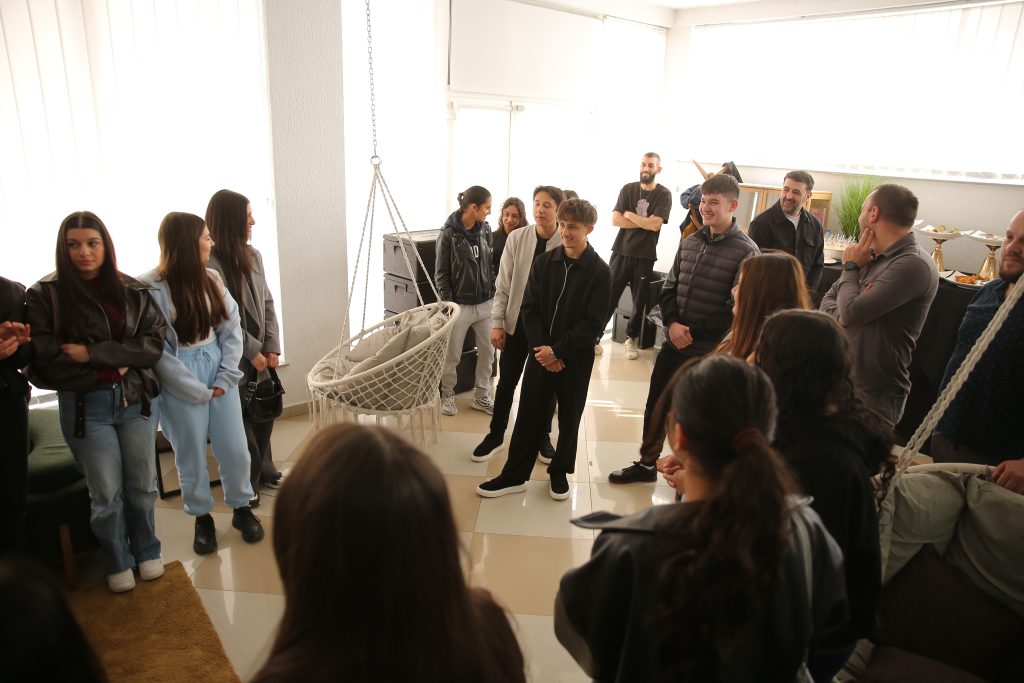
We envision a future where Roma communities are celebrated as rich sources of knowledge, creativity, and potential. Our learning models embraces real-world, technology-enhanced experiences that nurture innovation and leadership in unexpected places. For REF, learning is a dynamic and collaborative process, one that equips individuals and communities to navigate complexity, uncertainty, and change. By transforming Roma-led educational innovations into beacons of excellence, we can inspire systemic change across societies and shape a more inclusive Europe for generations to come.

Key figures from the report Read full report here

Education

Employment

Housing — informal settlements, pollution, and evictions

Health — restricted access and shocking cases

Public policy — strategies without foundation or funding

Key data points

Reframing the Future of Work

Posted on October 29, 2025 by admin1

By Marina Savković, team leader Skills and Employment Roma Education Fund

On 21 October 2025 in Sofia, the Future of Work Summit, organized by Capital / Economedia, brought together business leaders, HR experts, entrepreneurs and civil society representatives to discuss how artificial intelligence, automation and digital transformation are reshaping industries and jobs. Although technological change is accelerating, one message resonated throughout the event: the future of work must remain human-centred. Even under conditions of rapid technological disruption, it is people, their skills, resilience and capacity to learn, who determine whether economies grow or stagnate.

In this sense, the conversation on labour market participation was not separate from the discussions on AI. It was foundational. Bulgaria is already operating with a shrinking workforce, and technology alone cannot fill the emerging labour gaps. The key question is not only how to prepare the workforce for the jobs of tomorrow, but also who will be included in that workforce at all.

A Reality We Must Acknowledge

Bulgaria is among the countries most affected by demographic decline, with a persistent shortage of workers across sectors, reaching up to 30% less workers than needed. The only remaining labour reserves within the country are located among groups that have historically been excluded, Roma in particular, who are estimated to represent more than 10% of the Bulgarian population (Council of Europe, 2023).

According to the FRA Roma Survey 2024, paid employment among Roma in Bulgaria reaches approximately 62%, while employment in the general population is significantly higher. However, this employment is still not formal and stable in most of the cases. A national study from 2024 further shows that the NEET rate among Roma youth aged 15–29 is 53.6%, compared to around 19.3% among the general youth population. These figures reflect real people, real potential and structural barriers that continue to constrain Bulgaria’s economic growth.

During his keynote, Željko Jovanović, President of the Roma Foundation for Europe, underlined that the cost of labour exclusion of Roma in Bulgaria reaches nearly €2 billion annually. The question, he stressed, is not whether Roma can contribute to the economy — they already do — but how much more Bulgaria stands to gain once systemic barriers are removed. This is not a discussion about social spending. It is a discussion about strategic economic development.

Ciprian Necula, Executive President of the Roma Education Fund, reinforced this message by sharing concrete examples of Roma entering stable employment through training and mentoring models developed in cooperation with employers, state authorities and vocational institutions. He spoke about young people who, once offered structured guidance and targeted learning opportunities, successfully entered long-term employment; about households whose economic prospects changed when one member secured a contract; and about companies that benefitted from a steady and motivated workforce through ongoing collaboration with REF teams. These stories are proof that when training aligns with real job requirements and support continues beyond hiring, employment stabilises and careers begin to grow. They also demonstrate that REF is a credible partner for Bulgarian employers, capable of helping them build and retain their workforce.

A Direction We Can Choose

What stayed with me most from the Summit did not happen on stage, but in the conversations between sessions. Several employers expressed genuine interest in co-designing employment pathways together with the Roma Education Fund and the Roma Foundation for Europe. Their questions were practical and forward-looking: how to structure training, how mentoring can support retention, what timeframes match production cycles. The openness was sincere. Follow-up discussions are already underway.
This readiness matters. It marks a shift from seeing Roma employment as a social obligation to recognising it as a shared economic opportunity rooted in real labour market demand.

The Path Forward

The Future of Work Summit reminded us that the future of work is not something that simply happens to us. It is something we shape—through the decisions we make about who has access to technology, to work, to learning, to economic security and to dignity.

Roma are not peripheral to this story. They are one of the few remaining sources of labour force expansion in Bulgaria, and a vital one — if we choose to invest wisely and collaboratively.

The opportunity is real, measurable and within reach. And what I witnessed in Sofia this October — in discussions, in hallways, and in conversations full of intention — gives me genuine reason to believe that we are closer to real progress than ever before.

Stay connected

Initial Founders

The World Bank

An international financial institution that provides loans and grants to the governments of low- and middle-income countries for the purpose of pursuing capital projects.
The World Bank

Open Society Foundations

Financially supports civil society groups around the world, with the stated aim of advancing justice, education, public health and independent media.
Open Society Foundations