From Research to Global Impact | Roma Education Fund Takes the Stage at ICAP 2026
Posted on July 22, 2026 by admin2
Florence, Italy | 21–25 July 2026
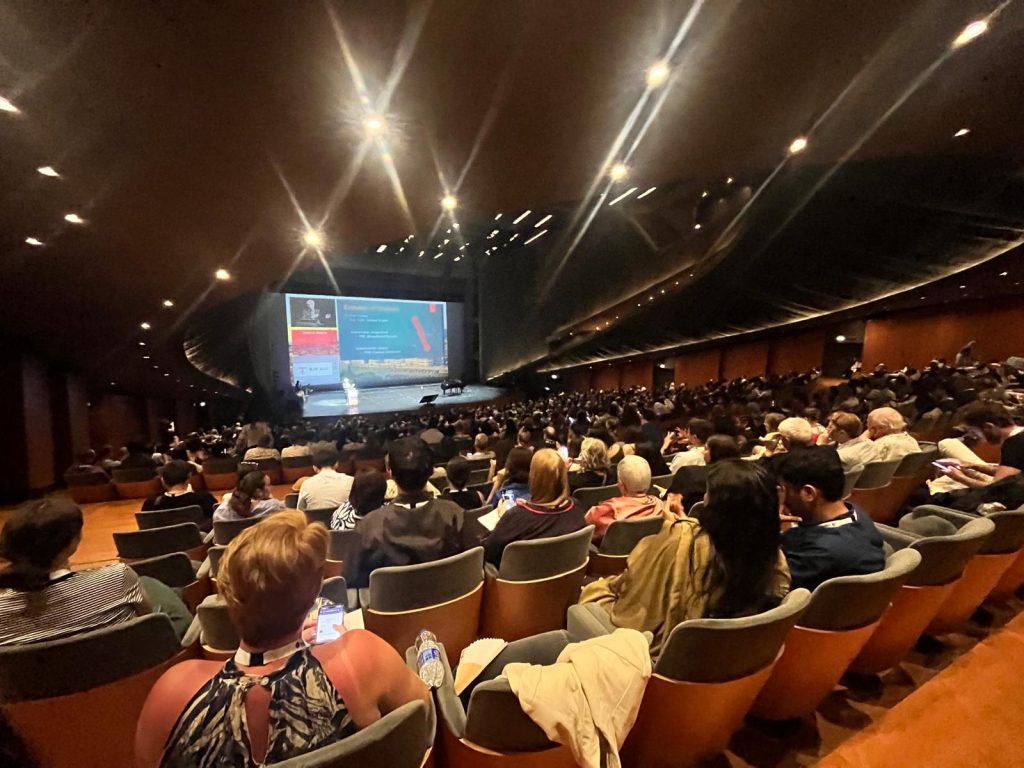
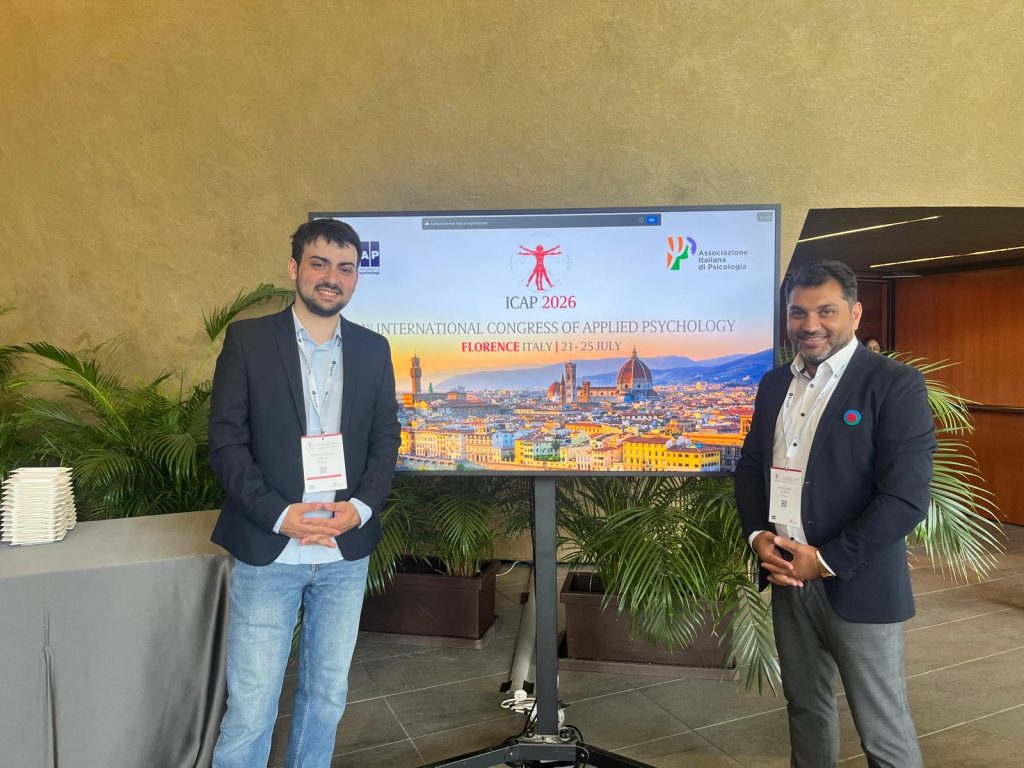
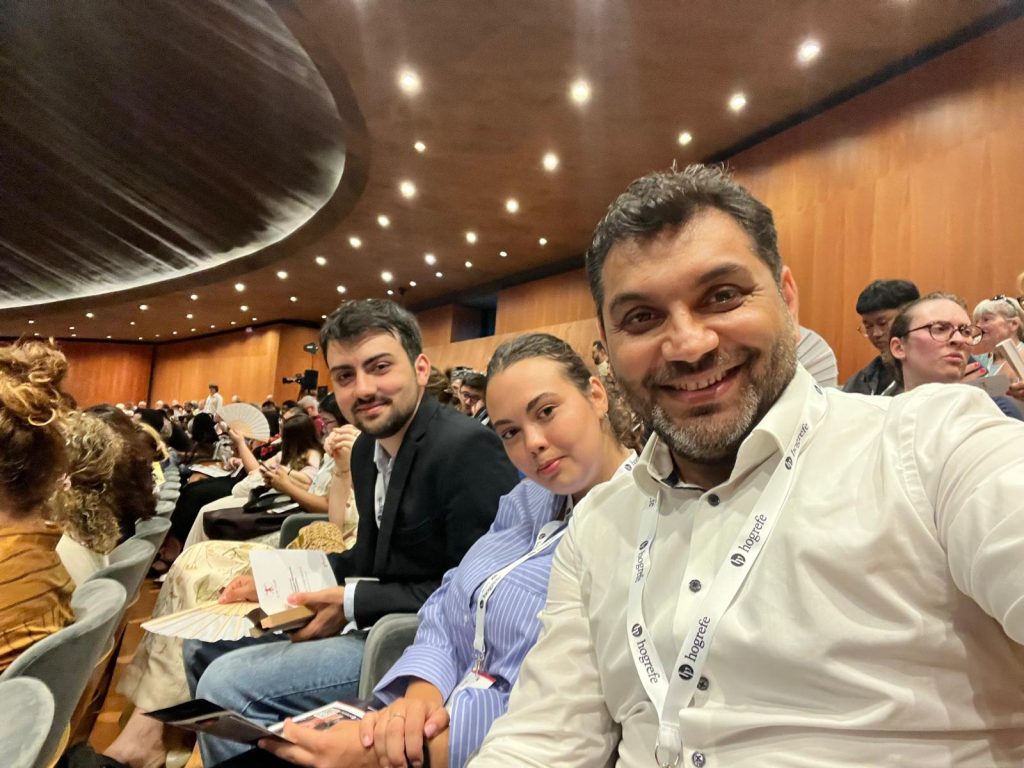
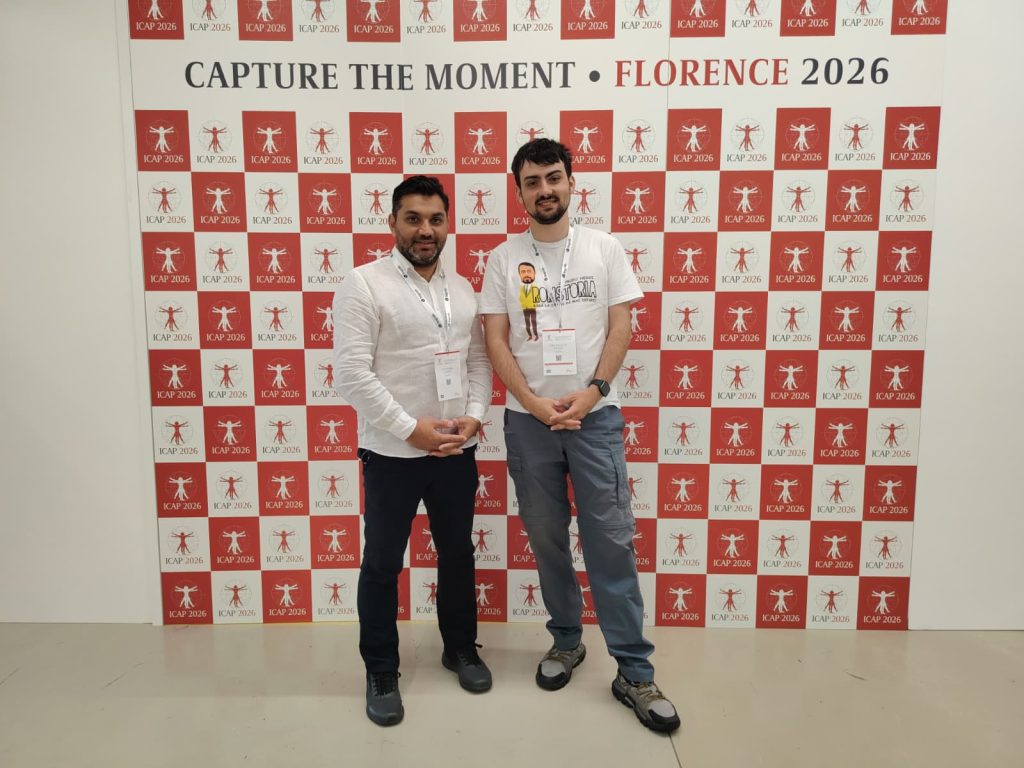
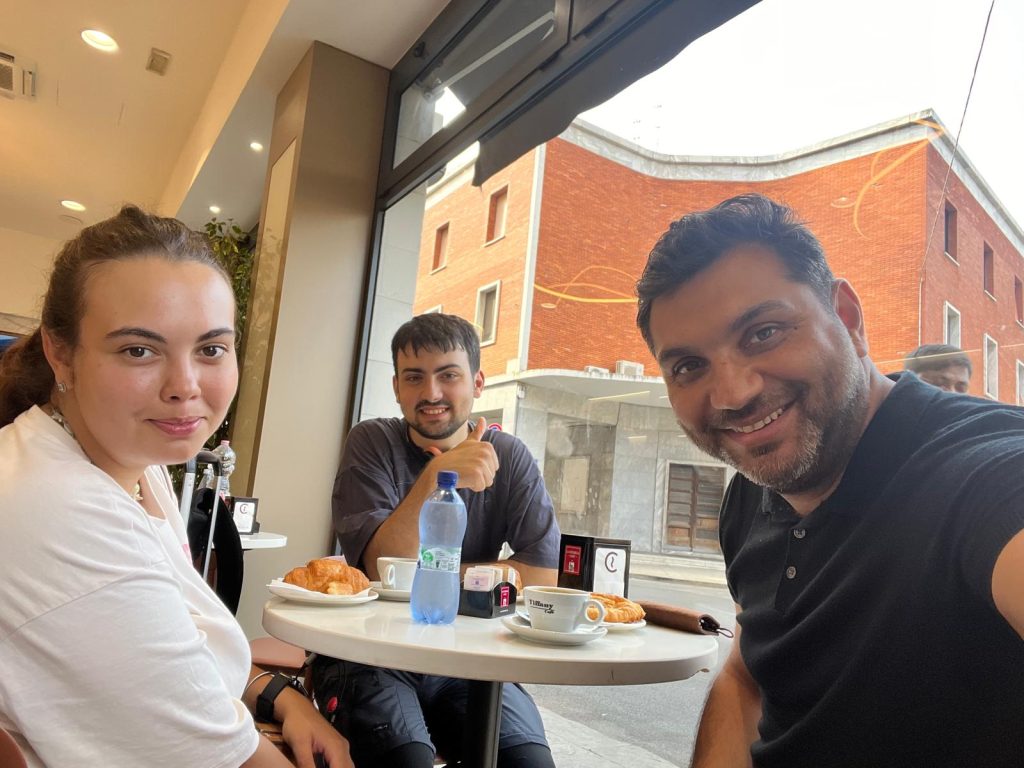
Roma Education Fund (REF) is participating in the International Congress of Applied Psychology (ICAP 2026), one of the world’s leading scientific events dedicated to applied psychology, taking place in Florence, Italy, between 21 and 25 July 2026.
At this year’s congress, REF is presenting the research paper “Intercultural Education and Teaching Roma History in Romania: Educators’ Perspectives, Challenges, and Pedagogical Practices”, authored by Ider Ștefan, Head of Research and Development, Alexandru Zamfir, Romani language expert, and Valentin Negoi, historian and researcher.
ICAP 2026 brings together almost 3.000 researchers from around the world to explore how applied psychology can help address some of today’s pressing social challenges. The research presented by Roma Education Fund examines educators’ perceptions of intercultural education in Romania and explores how Roma history and culture are integrated into educational practice.
„The fact that we continuously strive to engage more deeply with the scientific community at the highest levels demonstrates our commitment to conducting rigorous, evidence-based research at the Roma Education Fund. By building strong international networks and engaging with leading researchers and practitioners, we create opportunities to exchange knowledge, debate the most effective research methodologies and intervention practices, and translate scientific evidence into meaningful action.
Our work is driven by the belief that high-quality research is essential for advancing sustainable development, promoting the well-being of Roma children and their families, and reducing educational inequalities. Through collaboration, interdisciplinary dialogue, and continuous learning, we aim to strengthen the evidence base for policies and programs that foster equitable access to quality education, support children’s holistic development, and contribute to lasting, systemic change in Roma communities”, Ider Ștefan, Head of Research and Development, Roma Education Fund.
The study highlights that strengthening intercultural competencies among educators requires more than theoretical understanding. It calls for sustained investment in teacher training and practical educational approaches that integrate diversity, inclusion and the history and culture of Roma communities into everyday teaching practices.
For Roma Education Fund, participation in ICAP 2026 also represents an important opportunity to engage with the international scientific community and contribute to global discussions on evidence-based educational policies and interventions.
„Studies on intercultural education are highly relevant in the current context, as the analysis of the phenomenon and the mechanisms that constitute interculturality has great potential to support the educational process and day-to-day school activities. This study, which we are presenting at ICAP 2026 in Florence, focuses on educators’ perceptions of the concept of interculturality in general and how it manifests in educational practice in particular, with a specific focus on integrating elements of Romani history and culture. One of the study’s key findings shows that, although understanding of concepts related to interculturality in education has increased, there remains a high need to implement concrete activities that integrate intercultural elements. In this regard, the research highlights the necessity of ongoing training programs for educators that include elements of interculturality and diversity in general, as well as elements of Romani history and culture in particular, as they represent the largest minority group in Romania”, Alexandru Zamfir, Romani language expert.
Through its participation at ICAP 2026, Roma Education Fund reaffirms its commitment to advancing evidence-based research that informs educational policy and practice. By contributing to international academic dialogue, REF continues to promote inclusive education, strengthen intercultural understanding and support systemic solutions that improve educational outcomes for Roma children and young people across Europe.
Un spațiu pentru învățare, dezvoltare și oportunități | Centrul CERC își deschide porțile la Zizin, jud. Brașov
Posted on June 25, 2026 by admin3
Comunicat de presă, 25 iunie 2026
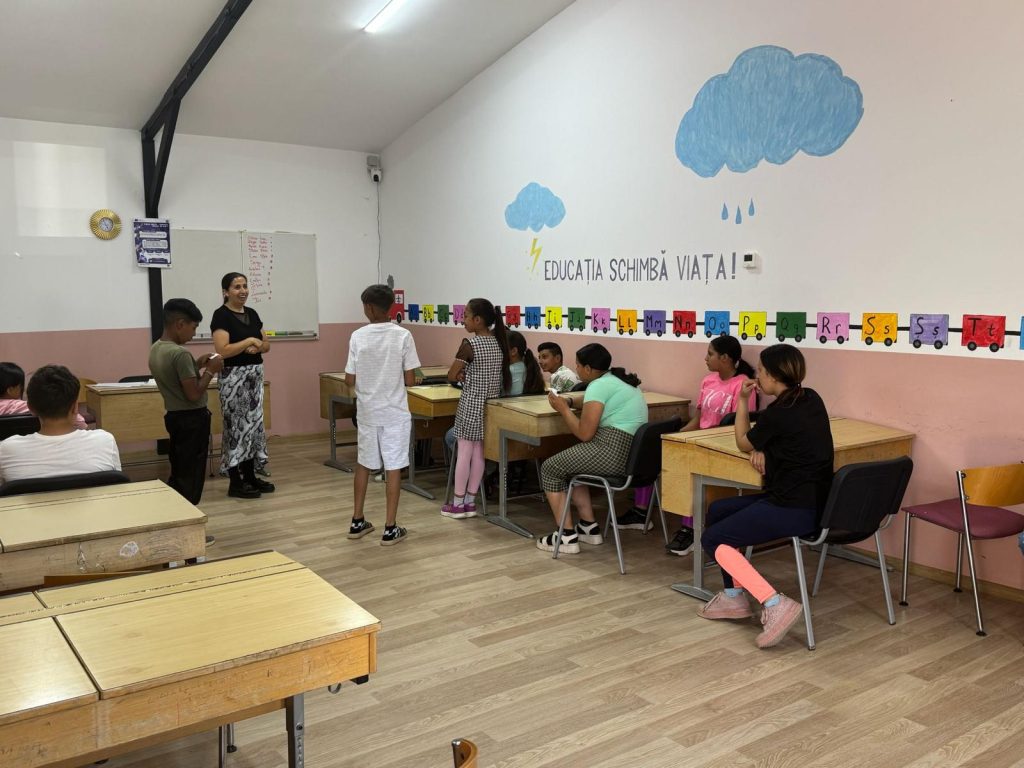
Fundația Roma Education Fund (REF) Romania anunță lansarea proiectului „Centrul pentru Educație Remedială și Complementară (CERC) – Cod SMIS 339122”, cofinanțat prin Fondul Social European Plus (FSE+) în cadrul Programului Educație și Ocupare (PEO). Cu o valoare totală de 3.087.608,88 lei și o durată de implementare de 24 de luni (martie 2026 – februarie 2028), proiectul va fi derulat în comuna Zizin, județul Brașov, și are ca scop extinderea accesului la servicii educaționale de calitate și creșterea participării școlare în rândul copiilor romi din comunități aflate în situații de vulnerabilitate.
Obiectivul proiectului
Obiectivul general al proiectului îl reprezintă creșterea accesului și a participării la educație pentru copiii romi din comunități marginalizate din județul Brașov, prin furnizarea unui pachet integrat de servicii educaționale, de consiliere, mentorat și formare. Prin activitățile sale, inițiativa urmărește îmbunătățirea rezultatelor școlare, dezvoltarea competențelor socio-emoționale și digitale ale elevilor, consolidarea capacității profesionale a cadrelor didactice și reducerea riscului de abandon școlar, inclusiv în cazul copiilor proveniți din familii afectate de migrația economică.
Conceptul CERC își propune să sprijine dezvoltarea competențelor de viață esențiale și a abilităților relevante pentru economia viitorului în rândul copiilor și adulților romi din comunități marginalizate, contribuind la integrarea lor socială și economică și la creșterea oportunităților de dezvoltare personală și profesională. Programul oferă activități educaționale de calitate, incluzive și relevante din punct de vedere cultural, care completează și consolidează educația formală. Printr-o abordare multidisciplinară, participanții beneficiază de experiențe de învățare non-formală și informală ce stimulează dezvoltarea personală, întăresc identitatea culturală și încurajează colaborarea între generații.
Totodată, CERC – Zizin combină activitățile de sprijin educațional cu dezvoltarea competențelor digitale, integrarea tehnologiei și explorarea expresiei artistice, oferind un mediu favorabil dezvoltării gândirii critice, creativității, comunicării și rezilienței. Proiectul promovează un ecosistem educațional incluziv, relevant și sustenabil, capabil să răspundă nevoilor actuale ale comunității și să genereze efecte pozitive pe termen lung asupra dezvoltării individuale și comunitare.
„La Zizin am întâlnit copii curioși, inteligenți și dornici să învețe. Ceea ce le lipsește nu este potențialul, ci accesul la oportunități care să le permită să și-l valorifice pe deplin. Prin Centrul de Educație Complementară ne propunem să construim exact acest cadru: un spațiu sigur și stimulativ, în care fiecare copil să fie sprijinit să își descopere aptitudinile, să își dezvolte încrederea în sine și să își atingă potențialul. Investiția constantă în educația unui copil înseamnă, în esență, investiția într-un viitor mai bun pentru întreaga comunitate”, a declarat Monica Călin, director de programe REF Romania.
Proiectul este destinat următorului grup țintă:
200 de elevi romi, dintre care 120 din ciclul primar și 80 din ciclul gimnazial;
20 de cadre didactice participante la programe de formare și mentorat;
10 mentori romi implicați în activitățile de sprijin educațional;
minimum 10 părinți sau tutori, în special ai copiilor cu părinți plecați la muncă în străinătate.
Principalele activități ale proiectului
1. Sprijin educațional și recuperarea decalajelor de învățare. Elevii vor participa la activități remediale și grupuri de studiu menite să consolideze competențele fundamentale și să susțină progresul școlar. Pentru elevii din clasele terminale vor fi organizate sesiuni suplimentare de pregătire.
2. Consiliere psihologică și dezvoltare personală. Participanții vor beneficia de servicii de consiliere psihologică și vocațională, orientare educațională și profesională, educație financiară și educație pentru sănătate.
3. Educație STEAM – Activitățile de robotică, tehnologie, arte vizuale, muzică și meșteșuguri vor crea contexte de învățare experiențială și interdisciplinară, contribuind la dezvoltarea creativității, a competențelor digitale, a gândirii critice și a încrederii în sine.
4. Mentorat și orientare educațională. Elevii aflați în risc de abandon școlar vor beneficia de mentorat și sprijin personalizat pentru consolidarea motivației, dezvoltarea unor obiceiuri eficiente de învățare și planificarea traseului educațional.
5. Mentorat pentru cadrele didactice – Cadrele didactice vor participa la sesiuni de mentorat pedagogic și programe de dezvoltare profesională continuă.
6. Intervenții personalizate pentru elevii aflați în situații de risc. Elevii care se confruntă cu dificultăți educaționale semnificative vor beneficia de măsuri individualizate care combină mentoratul, consilierea și acompanierea educațională.
7. Consiliere și educație parentală. Programul contribuie la consolidarea rolului părinților ca parteneri activi în educația copiilor, oferindu-le instrumente practice și resurse pentru susținerea procesului de învățare.
Prin implementarea proiectului, REF Romania își propune să contribuie la:
diminuarea fenomenului de abandon școlar și la creșterea performanțelor educaționale prin implicarea a 200 de elevi în activități remediale și programe extracurriculare;
îmbunătățirea calității procesului educațional prin formarea și sprijinirea a 20 de cadre didactice în adoptarea unor metode de predare moderne, incluzive și centrate pe elev;
susținerea parcursului școlar al elevilor și sporirea oportunităților acestora de a-și continua studiile;
consolidarea implicării familiei în educația copiilor prin activități de informare, consiliere și sprijin adresate părinților și reprezentanților legali;
pregătirea unui grup de 10 mentori romi care să ofere îndrumare educațională, sprijin constant și exemple pozitive pentru elevii din comunitate.
Conceptul CERC pornește de la convingerea că performanța educațională poate fi atinsă în orice comunitate atunci când copiii beneficiază de intervenții de calitate și oportunități autentice de învățare.
Rezultate așteptate
200 de elevi beneficiari ai serviciilor educaționale și complementare;
130 de elevi care își vor îmbunătăți rezultatele școlare și nivelul de educație;
20 de cadre didactice participante la programe de formare și mentorat;
10 mentori romi implicați în implementarea proiectului;
minimum 10 părinți sau tutori beneficiari ai activităților de educație parentală;
distribuirea a 400 de pachete cu rechizite și materiale educaționale;
organizarea a trei evenimente cultural-artistice;
30 de elevi participanți la cursuri cultural-artistice;
40 de elevi implicați în activități de dezvoltare personală și educație culturală;
minimum 20 de elevi beneficiari ai programului de sprijin individualizat;
20 de elevi participanți la tabere tematice de robotică și IT;
acordarea a 20 de subvenții pentru inițiative educaționale dezvoltate în școlile participante.
De asemenea, proiectul va contribui la:
stimularea incluziunii școlare și a participării active a elevilor romi la procesul educațional;
reducerea riscului de părăsire timpurie a școlii și menținerea elevilor în sistemul de învățământ;
dezvoltarea și consolidarea rolului familiei ca partener esențial în educația și sprijinirea copiilor;
promovarea coeziunii sociale la nivelul comunității și combaterea prejudecăților și stereotipurilor care afectează incluziunea socială.
Pe termen lung, proiectul urmărește să demonstreze că succesul educațional poate fi atins în orice comunitate atunci când copiii beneficiază de sprijin adecvat, standarde ridicate și oportunități relevante de dezvoltare. Dincolo de rezultatele individuale, inițiativa contribuie la validarea și extinderea unui model educațional scalabil, capabil să ofere răspunsuri sustenabile la provocările cu care se confruntă comunitățile vulnerabile.
În concordanță cu misiunea sa de a contribui la construirea rezilienței comunităților rome prin educație, ocupare și leadership, Roma Education Fund dezvoltă, pilotează și validează modele inovatoare de intervenție care susțin performanța educațională, facilitează participarea pe piața muncii și contribuie la formarea unei noi generații de lideri romi.
***
Pentru detalii suplimentare referitoare la implementarea și activitățile proiectului „Centrul pentru Educație Remedială și Complementară (CERC) – Cod SMIS 339122”, cofinanțat de Fondul Social European Plus (FSE+) în cadrul Programului Educație și Ocupare (PEO), persoana de contact este Mihnea Antila, manager de proiect, disponibil la adresa de e-mail: mihnea.antila@roma.education
REF Strengthens Partnership with the Commissioner for the Protection of Equality in Serbia
Posted on June 24, 2026 by admin3
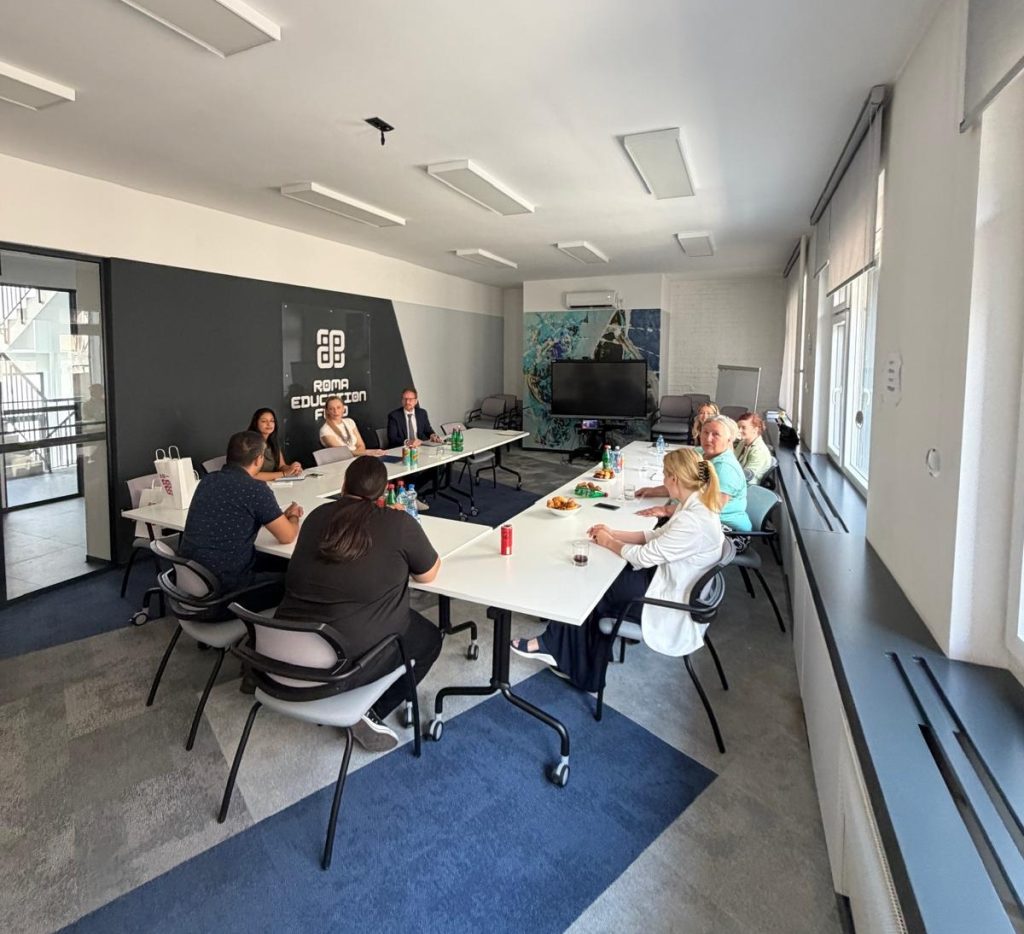
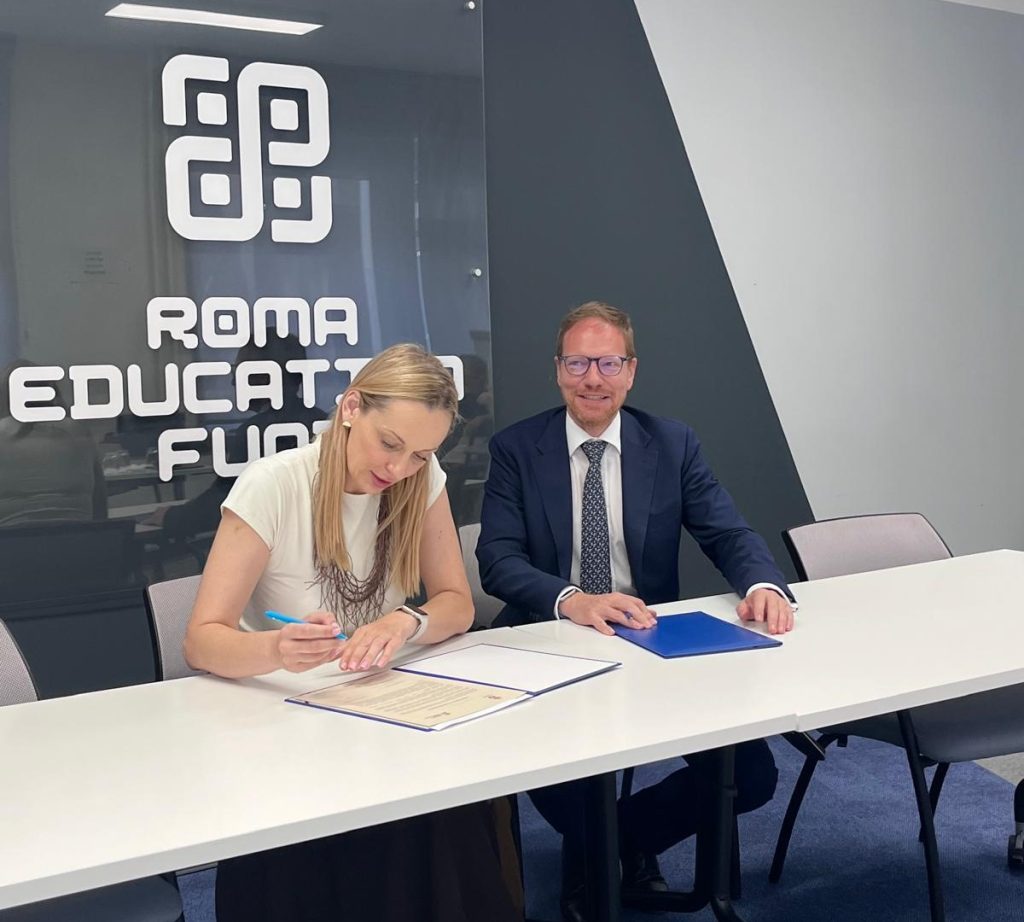
The Roma Education Fund Serbia has formalized its cooperation with the Commissioner for the Protection of Equality through the signing of a Cooperation Agreement and its accession to the Partnership for Equality initiative.
The agreement builds on years of collaboration aimed at expanding opportunities for Roma youth through education, skills development, career guidance, internships, and employment pathways. Both institutions share a commitment to fostering a society in which all individuals can exercise their rights and participate fully in education, employment, and public life without discrimination
Over the past years, cooperation between REF and the Commissioner has developed through internship programs, support for education, professional development, and the empowerment of young Roma women and men. Through joint activities, special attention has been dedicated to raising awareness about human rights, protection against discrimination, and available institutional support mechanisms.
“Roma Education Fund believes that education, employment, and equality are inextricably linked. It is not enough to provide access to education or the labor market if Roma continue to face barriers due to discrimination, prejudice, or unequal opportunities. This is precisely why cooperation with the institution responsible for protecting equality in Serbia is of great importance to our work,” said Dragana Rajić, Program Director of REF Serbia.
The renewed partnership recognizes that successful labour market inclusion requires more than qualifications alone. While education and skills are essential, equal access to opportunities, fair treatment in recruitment and employment, and trust in public institutions remain critical for ensuring that young Roma men and women can fully participate in economic and social life. Removing barriers to employment is not only a matter of rights, but also a prerequisite for building more inclusive and prosperous communities.
This agreement represents another step in REF Serbia’s commitment to building strategicpartnerships that expand opportunities for Roma communities. Alongside collaborations with employers, educational institutions, and public authorities, cooperation with the Commissioner for the Protection of Equality reinforces REF Serbia’s efforts to create pathways where education leads to skills, skills lead to employment, and opportunities are accessible to all, without discrimination or unequal treatment.
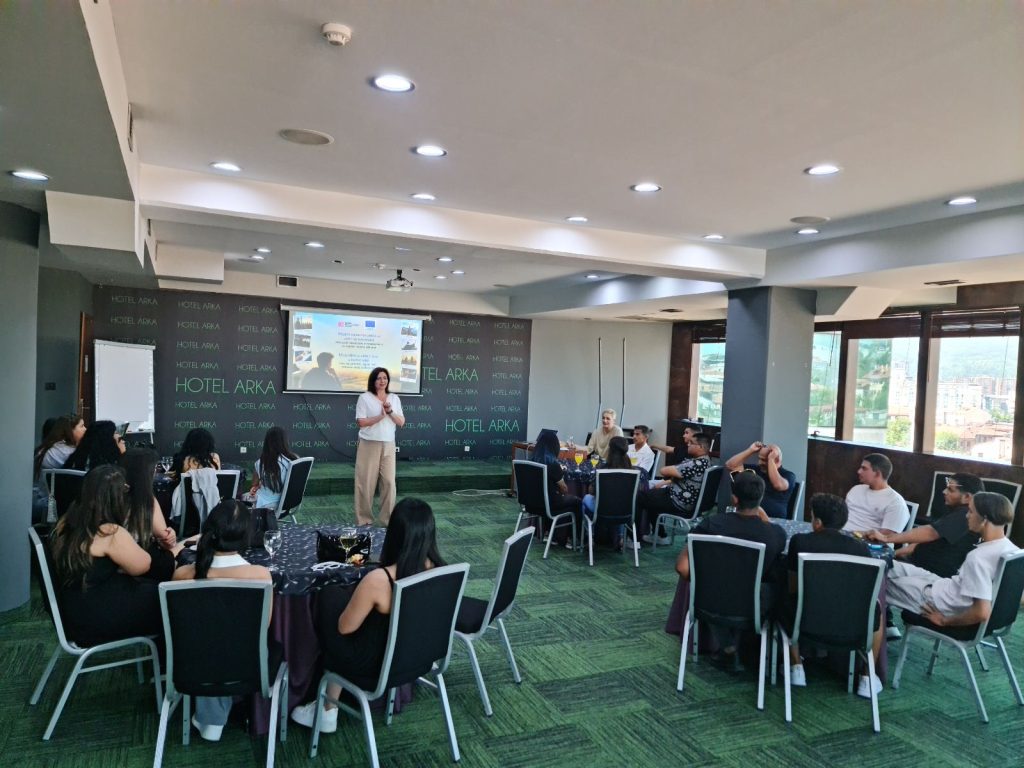
Roma High School Students from Kosovo and North Macedonia Connect, Learn and Plan for Their Future in Skopje
Posted on June 12, 2026 by admin2
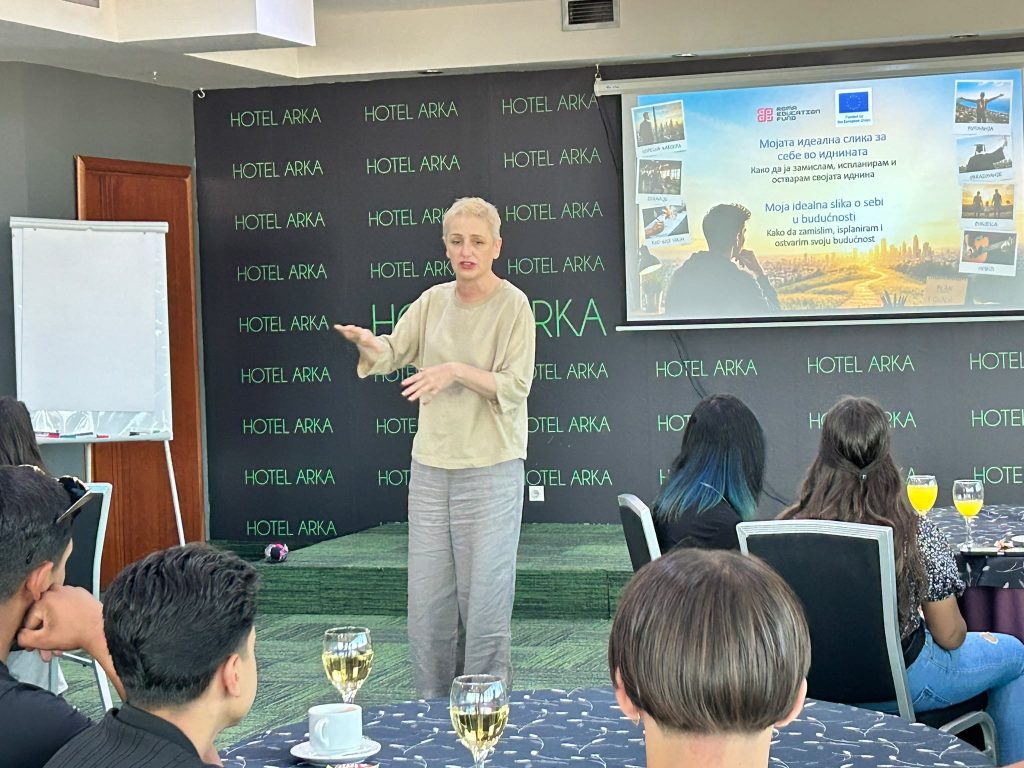
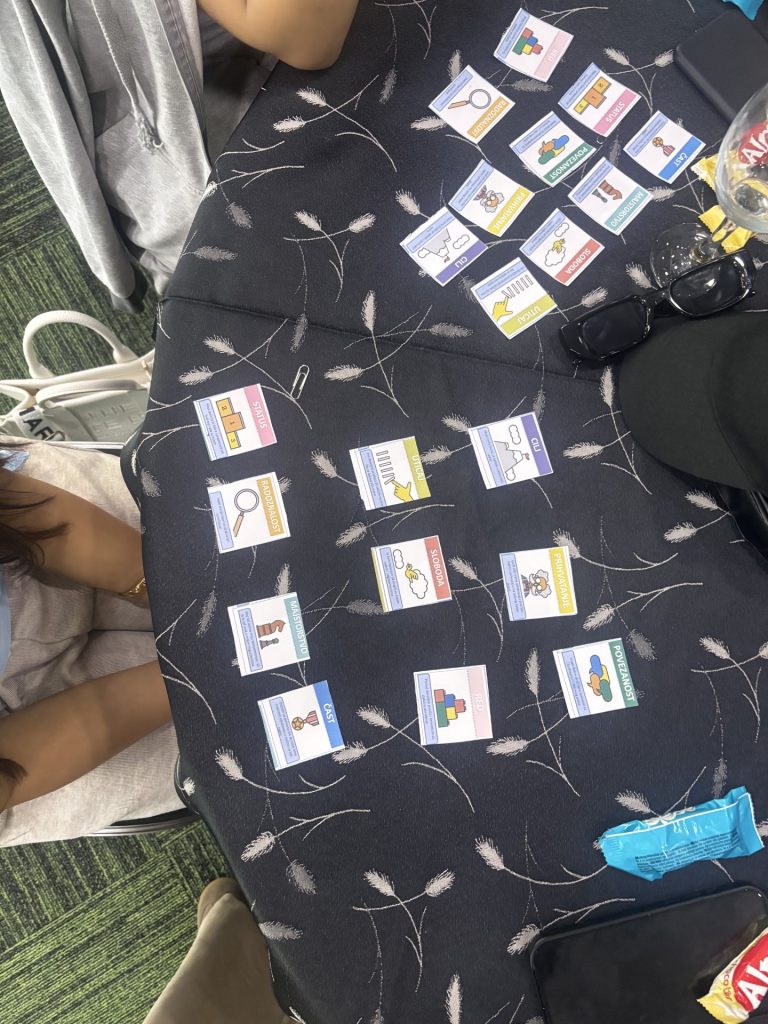
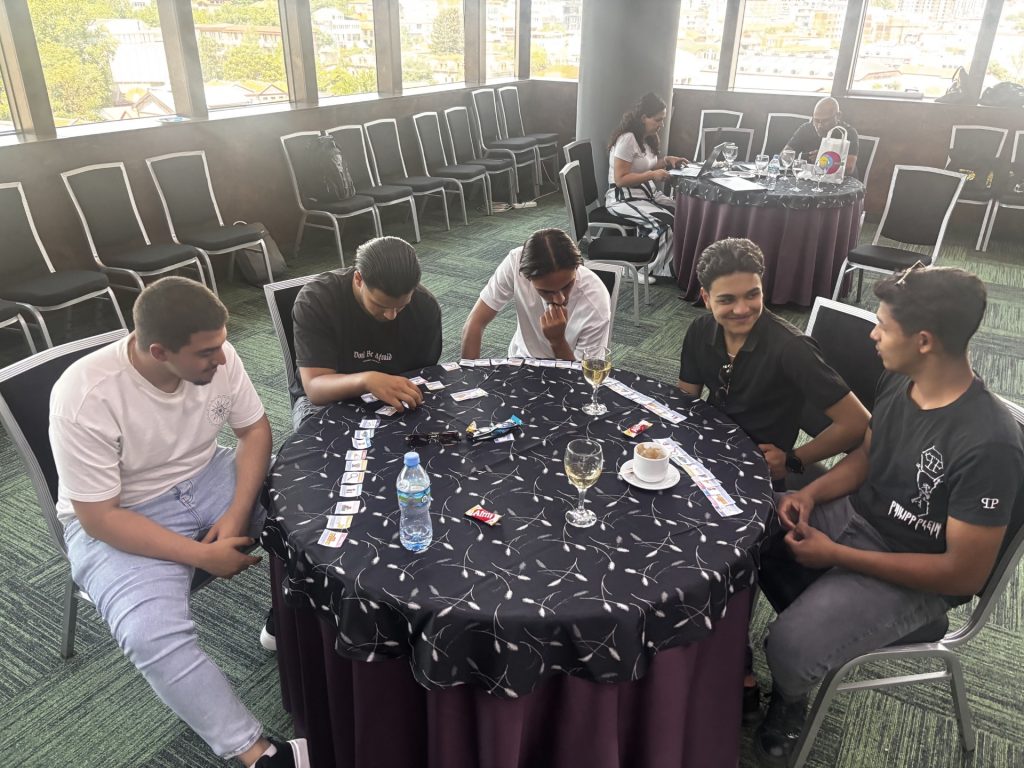
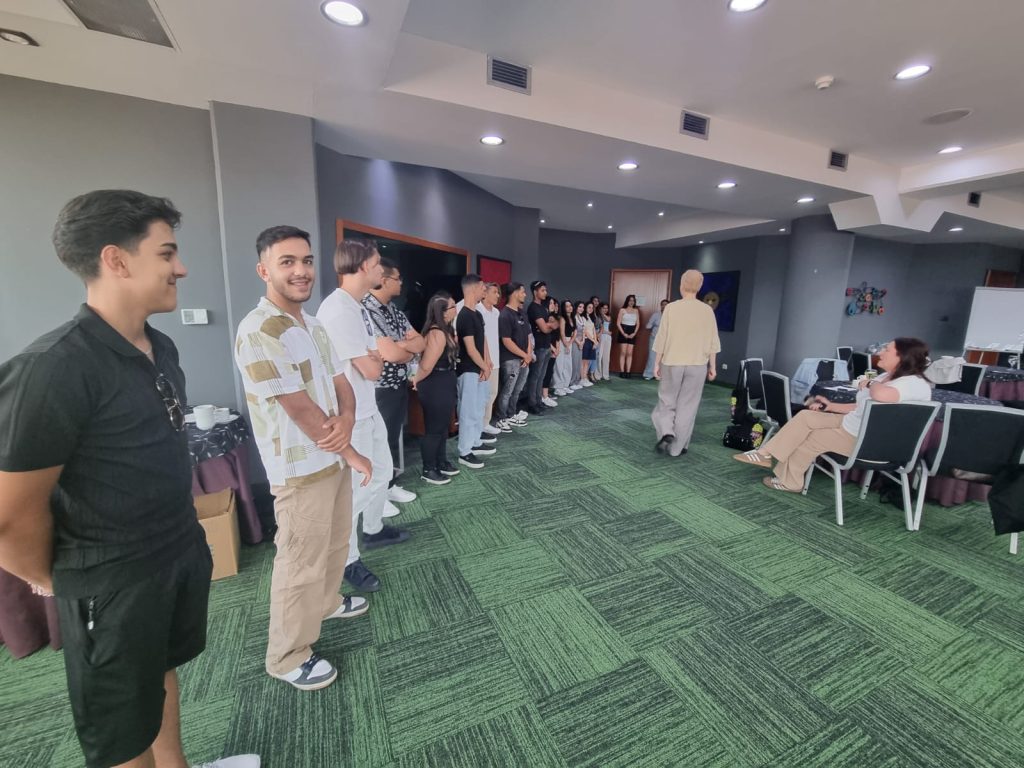
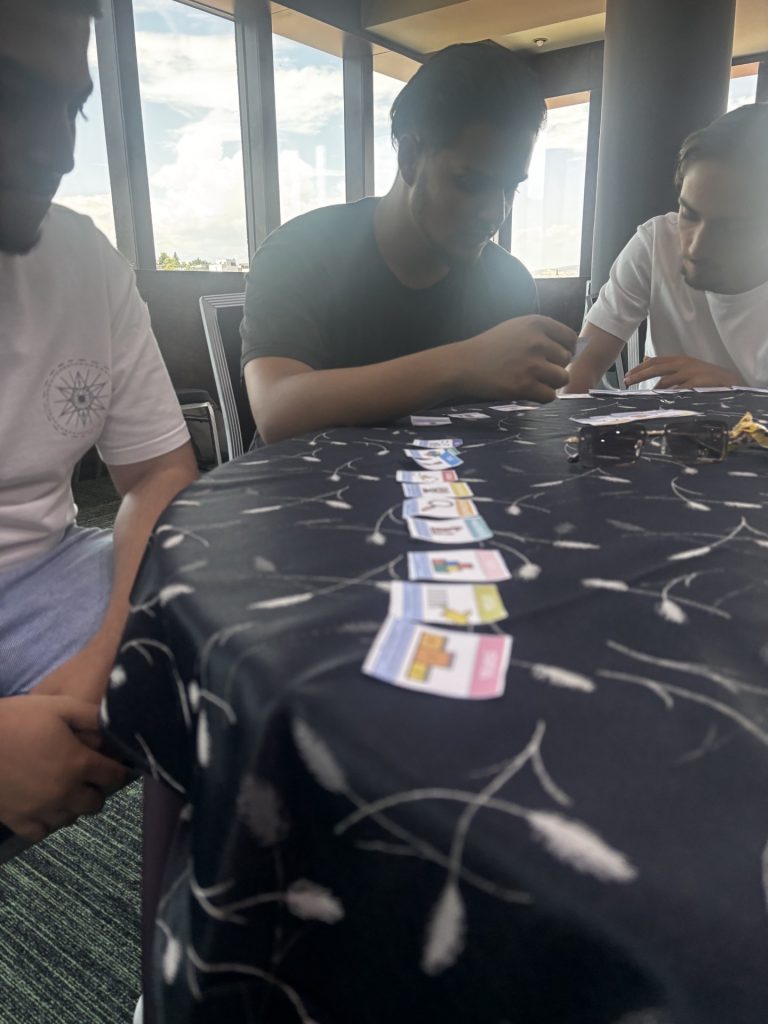
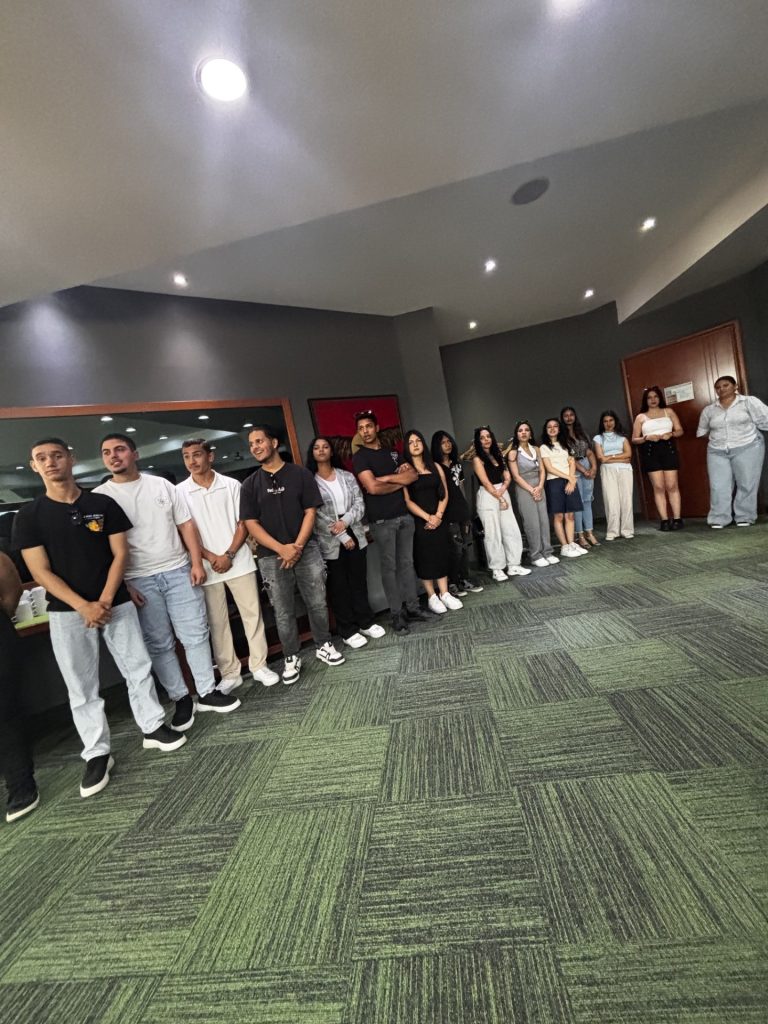
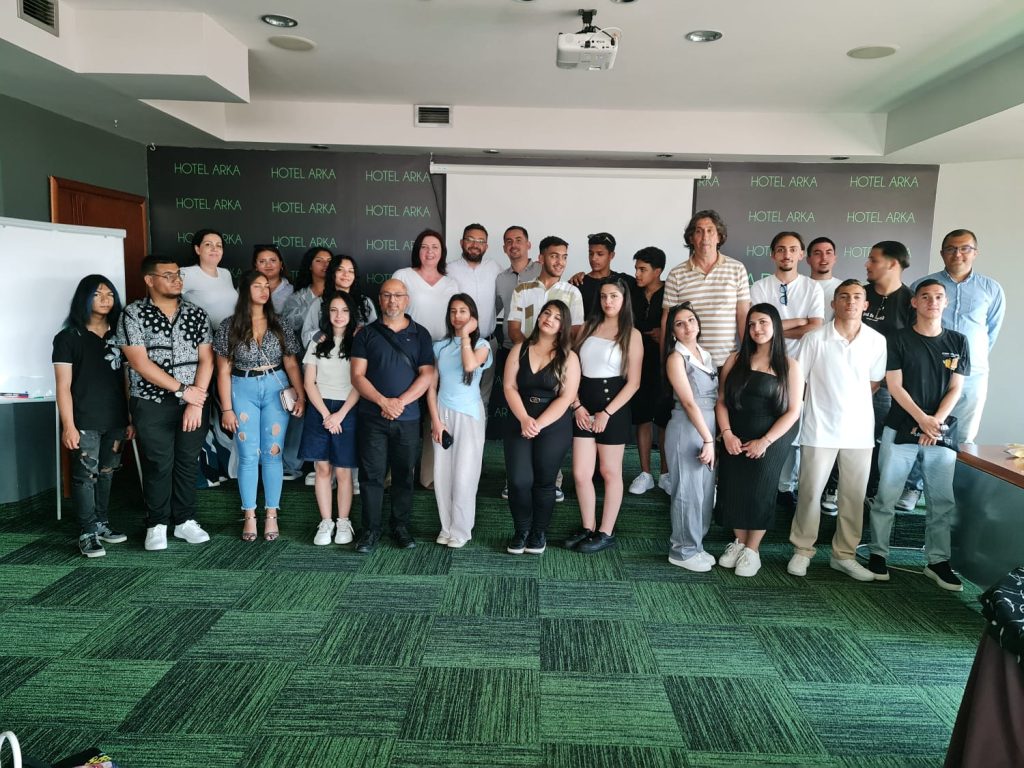
Twenty Roma high school students from Kosovo* and North Macedonia gathered in Skopje on 6 June 2026 for a regional networking and personal development event organized under the EU Regional Action for Roma Education (RARE) Phase II project, funded by the European Commission through the Directorate-General for Enlargement and the Eastern Neighbourhood (DG ENEST).
The event brought together 10 students from Kosovo and 10 students from North Macedonia, creating an opportunity for participants to strengthen their networks, exchange experiences, and develop skills that will support their educational and professional journeys.
Opening the event, Natasa Markovska, REF Project Officer, noted that this was the second networking event bringing together Roma students from Kosovo and North Macedonia. She highlighted the importance of building lasting connections across borders and encouraged participants to make the most of the opportunity to learn from one another. Markovska also underlined that the skills and insights gained during the workshops would support students in their future educational and career choices, while remaining valuable in many aspects of their personal and professional lives.
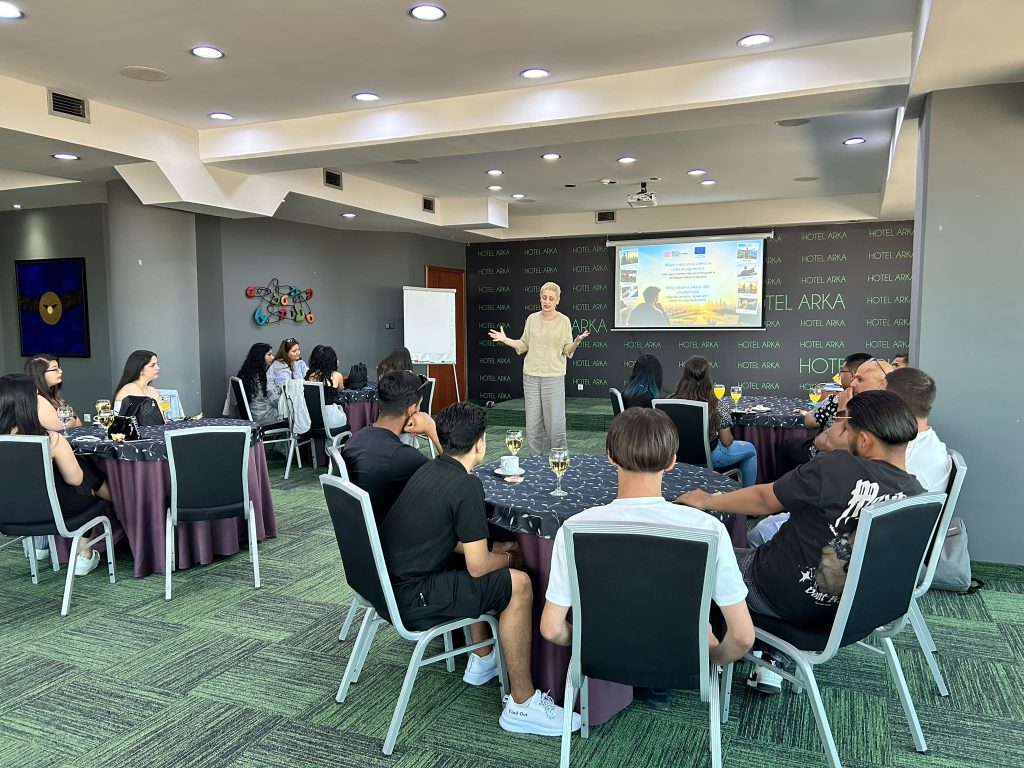
Facilitated by career counsellor and HR consultant Ivana Dojchinovska Stojanovikj, the training focused on career awareness, motivation and personal values.
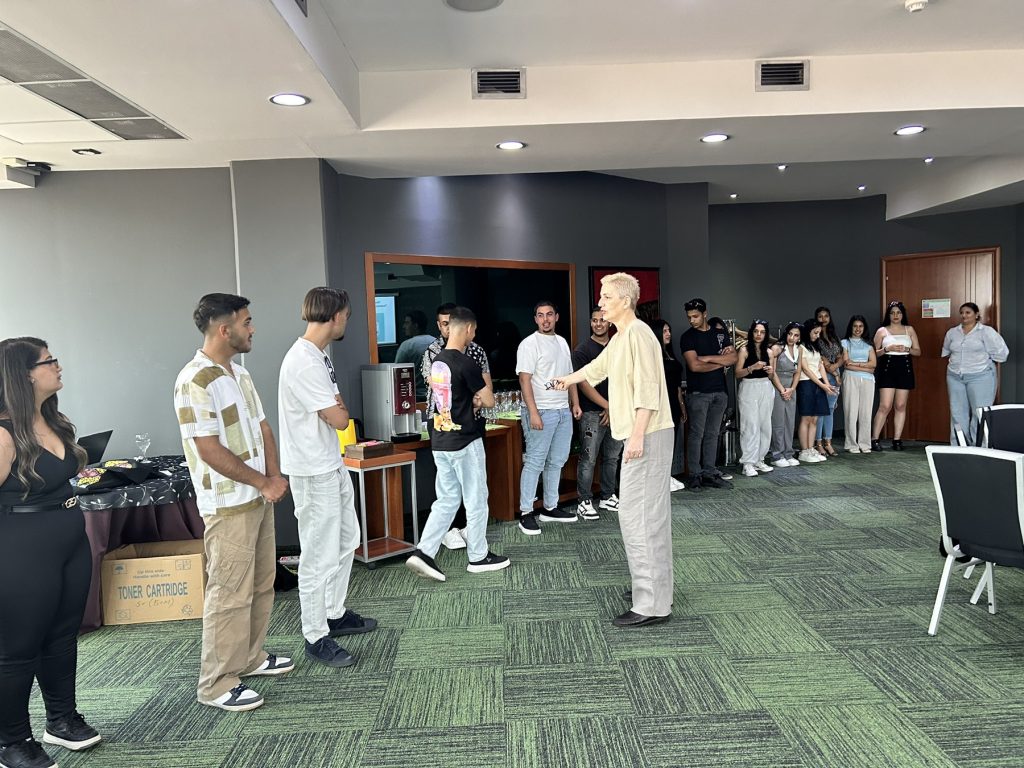
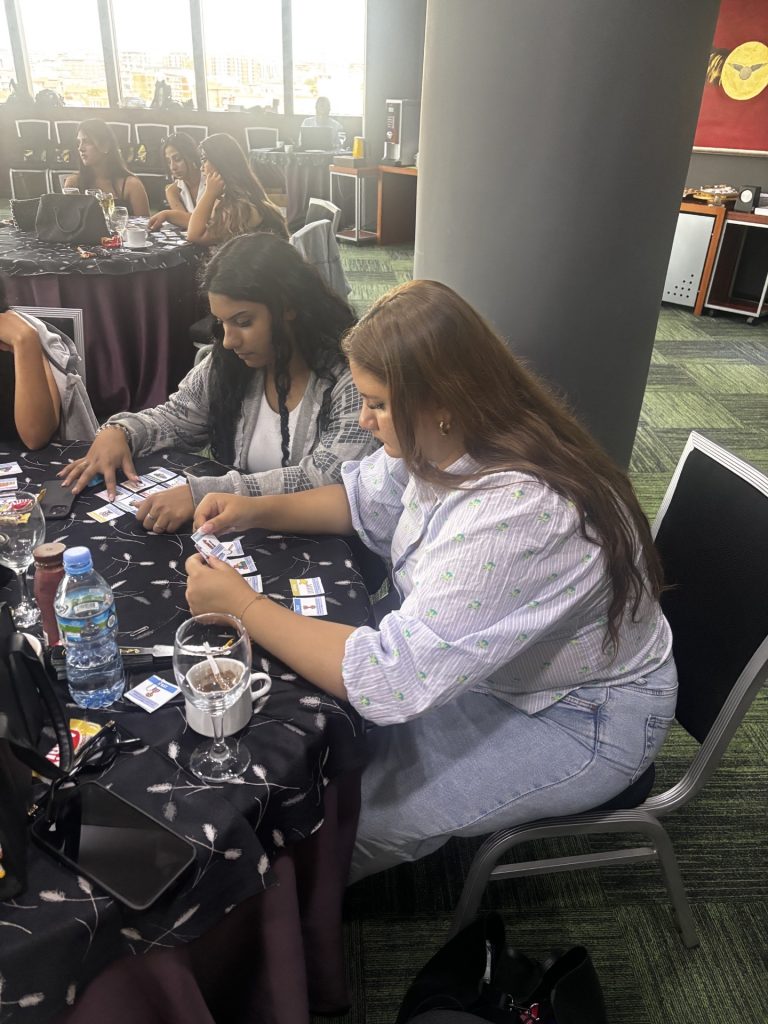
During the first workshop, participants explored the concept of career development and reflected on the values and motivations that influence their educational and professional choices. Through interactive discussions and practical exercises, students gained a better understanding of their strengths, aspirations, and personal goals.
The second workshop focused on time management and the connection between everyday habits and long-term ambitions. Participants analyzed how they spend their time, discussed priorities and distractions, and explored practical strategies for aligning daily activities with their future goals.
The interactive format encouraged active participation and meaningful discussion, while the multicultural setting provided a valuable opportunity for students from Kosovo and North Macedonia to learn from one another and build lasting connections.
Implemented by REF Romania and REF Serbia and funded by the European Union, the RARE II project continues to support Roma students across the Western Balkans and Turkey by creating opportunities for educational advancement, personal development, and regional networking.
*This designation is without prejudice to positions on status and is in line with United Nations Security Council Resolution 1244/1999 and the International Court of Justice Opinion on the Kosovo declaration of independence.
More than 250 Roma Students Supported Through RARE II Project in Montenegro
Posted on June 5, 2026 by admin3
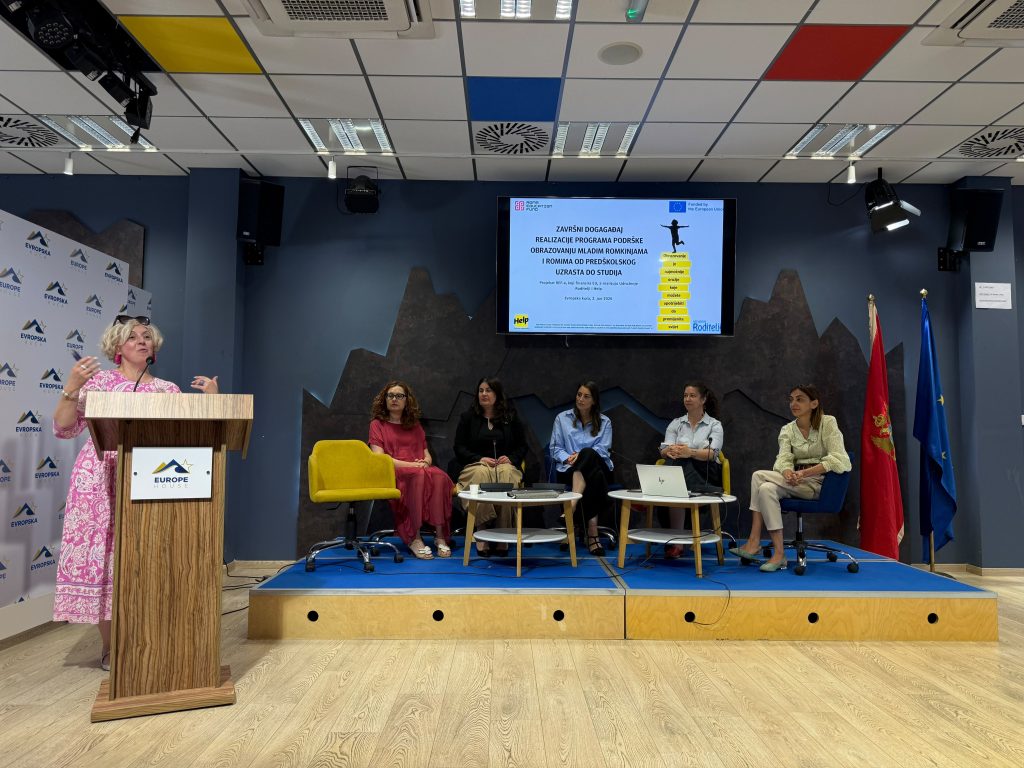
Podgorica, Montenegro – June 2, 2026 | The Roma Education Fund (REF) participated in the closing event of activities implemented in Montenegro by HELP Montenegro and the Parents Association under the project EU Regional Action for Roma Education: Increased Education Support and Opportunities for Roma Students in the Western Balkans and Türkiye (RARE) Phase II (RARE II). Funded by the European Union through Directorate-General for Enlargement and Eastern Neighbourhood (DG ENEST) and implemented by the Roma Education Fund Serbia and Romania, the project supports increased educational opportunities and inclusion for Roma students across the Western Balkans and Türkiye.
Over the past two academic years, the project has provided comprehensive educational support to more than 250 Roma children and young people across Montenegro. Through scholarships, learning materials, paid internship opportunities, and the support of local volunteers, facilitators, and educators, the initiative helped strengthen learning outcomes, improve literacy, and support the development of essential skills for educational and professional success.
The closing event, held at the European House in Podgorica, brought together representatives of public institutions, civil society organizations, educators, and development partners committed to advancing the educational inclusion of Roma children and youth in Montenegro. The gathering provided an opportunity to reflect on the project’s achievements, share lessons learned, and discuss ways to sustain and further strengthen support mechanisms for Roma students within the education system.
Addressing participants at the event, Ms. Mladenka Tešić, representative of the European Union Delegation to Montenegro, emphasized the importance of ensuring the sustainability of successful interventions through their integration into public systems and policies. She noted that lasting progress depends on creating institutional mechanisms capable of supporting Roma and Egyptian children and youth throughout their educational journey.
Speaking on behalf of the Roma Education Fund, Ana Duraki highlighted the commitment of local partners and frontline practitioners whose work made these results possible.
“Anyone who has had the opportunity to follow the development of this project in Montenegro over the past years can clearly see that the results we discussed today were achieved through the extraordinary dedication of the people working on the ground. Their continuous efforts supported the education of more than 250 Roma children and helped address their needs throughout the school year. Both the Roma Education Fund and the European Commission remain committed to supporting the education and employability of Roma communities in Montenegro, and we look forward to continuing this successful partnership and building on these achievements in the years ahead.”
Ahead of the closing event, members of the project’s Working Group met to review progress, discuss challenges, and identify opportunities for strengthening the educational inclusion of Roma children in Montenegro. Bringing together representatives of public institutions and other relevant stakeholders, the discussion focused on the institutionalization of services and support mechanisms that have proven effective in supporting Roma students, with the goal of ensuring their long-term sustainability within the public education system.
The experience in Montenegro demonstrates that meaningful educational inclusion requires coordinated action between institutions, civil society, local communities, and development partners. However, educational inclusion cannot be viewed as an end in itself. As highlighted in REF’s recent regional policy analysis, Bridging Education and Employment: A Comprehensive Policy Analysis of VET Pathways for Roma Youth in the Western Balkans and Türkiye, Roma youth continue to face significant barriers when transitioning from education to employment, despite progress in access to education. The study, which examined seven countries across the region, underscores the need for integrated approaches that connect educational support, skills development, and labour market opportunities, while strengthening the systems that enable Roma young people to successfully navigate this pathway. The Roma Education Fund remains committed to advancing both educational achievement and employability, supporting Roma children and youth build the knowledge, skills, and opportunities needed to thrive in the future
REF Romania Continues Support for Roma Refugee Children with UNHCR Assistance
Posted on May 28, 2026 by admin3
Roma Education Fund Romania announces the continuation of activities at the One-Stop-Shop (OSS) Center dedicated to Roma refugees from Ukraine. The new phase of implementation is made possible through the financial support of United Nations High Commissioner for Refugees – UNHCR, building on the foundation laid when the center was first established in Bucharest in 2023 with initial financing from the Council of Europe Development Bank (CEB).
Since the outbreak of the war in Ukraine, many Roma refugee families arriving in Romania have encountered language barriers, interrupted education, and significant challenges integrating into Romanian educational and social systems. The OSS Center was created as a direct response to these compounding difficulties, an integrated support space designed to deliver both immediate humanitarian assistance and long-term pathways to educational inclusion.
By the end of 2025, the OSS Center had already achieved significant results, supporting more than 300 children and assisting over 100 families through an integrated package of educational and social inclusion services. Throughout the implementation period, the center organized more than 1,500 counselling sessions and delivered approximately 7,000 educational activities, while also engaging over 250 children in summer camps and enrolling more than 100 children in IT and digital skills courses designed to strengthen digital literacy and access to future educational opportunities.
“What has been most meaningful for us is that both the children and the educators who were involved in the Center until the end of 2025 chose to remain connected to this space voluntarily. The children felt a strong need to see one another, to belong, and to continue learning and growing together. They consistently returned to the Center because it had become a place of safety, trust, and shared experiences. The continuation of the project in 2026 comes at a crucial and very timely moment, as the children increasingly see the Center as their second home, a place where they feel supported, valued, and encouraged to develop academically, emotionally, and socially” – Ioana Dorneanu, national coordinator of the Complementary Education Centers.
Through the continuation of the project in 2026, refugee children will continue to benefit from Romanian language classes, digital skills and IT education, academic support and homework assistance, as well as creative workshops and non-formal educational activities designed to encourage participation, learning, and self-expression. The program will also include socio-emotional development sessions and community integration activities aimed at strengthening wellbeing, confidence, social connection, and the children’s ability to navigate their new educational and social environment.
The program also includes the provision of educational materials and operational support necessary to maintain the OSS Center as a safe, inclusive, and supportive environment for refugee children and their families. Digital skills courses are continuing in partnership with Accenture Romania, contributing to reducing the digital divide affecting refugee children and expanding access to modern educational opportunities, digital literacy, and future-oriented skills.
By the end of the nine-month implementation period, the project aims to improve Romanian language proficiency, school participation and performance, digital competencies, socio-emotional wellbeing, and the broader social integration of Roma refugee children into the local community.
Roma Education Fund remains committed to ensuring equal access to education, protection, participation, and inclusion for vulnerable refugee children affected by the ongoing humanitarian crisis.
REF launches “GreenTech Teaching Champions” to connect Education, Employment and Leadership in Slovakia’s Green Transition
Posted on March 31, 2026 by admin3
PRESS RELEASE | Bratislava, Slovakia, March 31st, 2026
Roma Education Fund (REF) announces the launch of the “GreenTech Teaching Champions” project, a four-year initiative focused on aligning education with labour market opportunities and strengthening long-term community resilience in Slovakia. Supported by the Villum Foundation, the project has a total budget of approximately €1.13 million. The project is implemented with the advisory support of Roma Entrepreneurship Development Initiative (REDI Slovakia) team, leveraging their expertise in green economy business development and entrepreneurship.
Implemented gradually in the regions of Prešov, and later in Košice, and Banská Bystrica, the project responds to a structural challenge across Europe: education systems continue to produce learning outcomes that are insufficiently connected to real economic opportunities, particularly for young people from marginalized Roma communities. “GreenTech Teaching Champions” addresses this gap through a systemic approach that connects learning, employment, and long-term leadership.
“The green transition requires every talent available, including those often overlooked. Ultimately, we want to put Roma students at the forefront of technological innovation, far from the image of cheap labourers. This project also marks a strategic evolution for REF. We are moving beyond individual support or local interventions to work directly with the system, ensuring that inclusive pedagogy and green tech expertise become permanent features of vocational education,” says Stanislav Daniel, director of REF Slovakia.
The project places teachers at the centre of transformation. Through a newly established GreenTech Hub in Prešov, complemented by satellite labs in Košice and Banská Bystrica in later phase of the project, vocational teachers will co-develop and complete accredited training modules in green technologies (renewable energy and IoT), inclusive pedagogy, and business and entrepreneurial skills. This is not only about upgrading technical knowledge. It is about redefining how education functions, embedding inclusion, critical thinking, and real-world applicability into everyday teaching practice.
The initiative also establishes a direct link between education and the labour market. Employers are integrated into a continuous quality assurance loop, ensuring that the skills developed in classrooms reflect real economic demand. This creates a clear pathway from training to employment, positioning students, particularly those from Roma communities, as active participants in the green economy transition.
At the same time, the project is designed to generate long-term system impact. A core group of “Teaching Champions” will be trained to transfer knowledge across institutions, while the accreditation of the developed modules, particularly in inclusive pedagogy, anchors these approaches within Slovakia’s national teacher training system. This ensures that impact extends beyond the project itself and becomes embedded in public structures.
REF Slovakia leads the implementation of the project, coordinating partners and stakeholders across institutional levels, including self-governing regions, national authorities, universities, and private sector actors.
Through this initiative, REF advances its strategic vision of building resilient Roma communities through education by moving beyond access towards competence, economic participation, and leadership. “GreenTech Teaching Champions” is not only a project. It is a model for how education systems can evolve: from delivering knowledge to enabling agency, economic validation, and long-term societal impact.
A Generation on Hold
Posted on February 5, 2026 by admin2
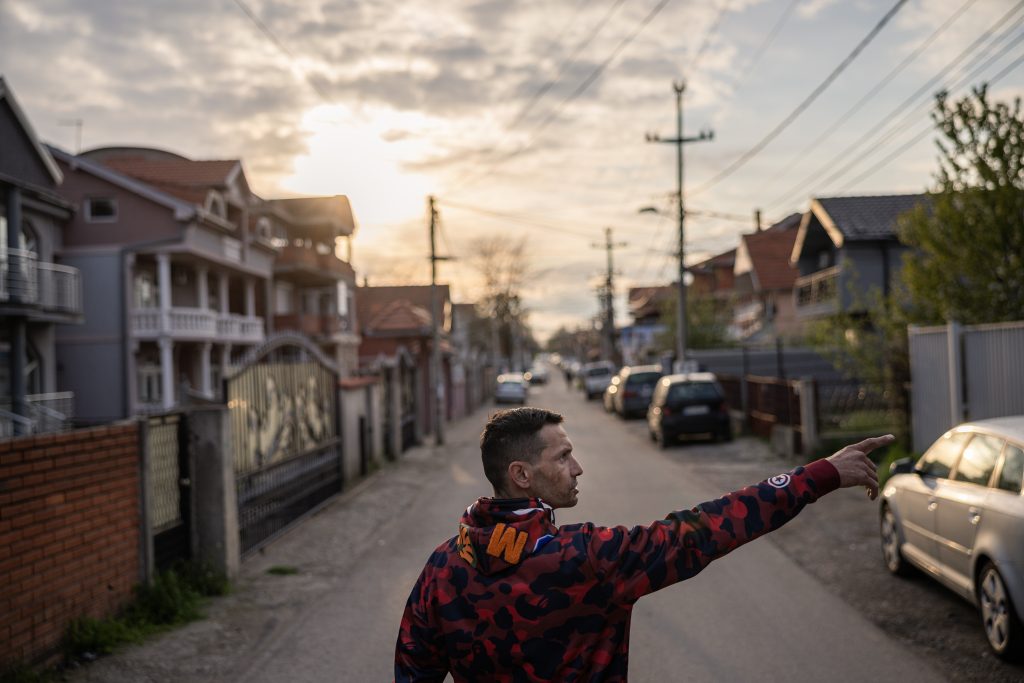
Romania has a peculiar talent for turning structural problems into moral debates with no practical solutions. This is also the case with the NEET youth, those who are not in education, employment, or training. For years, Romania has ranked first in the European Union in terms of the share of NEET young people: nearly one in five Romanian youth aged 15–29 are in this situation, far above the EU average, writes the well-known Roma activist Ciprian Necula in an opinion piece for the Romanian online magazine HotNews.
Dr. Ciprian Necula is the Executive President of the Board of the Roma Education Fund.
According to official data, the NEET rate among young people aged 20–24 consistently exceeds 20%, compared to a European average of around 11%. Yet, in a characteristically local manner, statistics often cease to affect us; they become cold, dehumanized numbers, even though they describe a generation caught between limited opportunities and structural barriers.
A chronic symptom for Roma youth
“NEET” is not an identity but a collective effect: underperforming schools in vulnerable areas, underfunded social services, an almost nonexistent transition between education and the labour market, and an economy that fails to include enough young people.
For Roma youth, this symptom becomes chronic. They often grow up in communities with poor infrastructure, weak schools, and experiences of discrimination that erode their trust in institutions. The result is a well-known vicious circle: school dropout, insufficient qualifications, informal work or unemployment, and the transmission of vulnerability to the next generation.
But what if we changed our lens? What if, instead of viewing Roma people only through the prism of deficit, we saw them as an opportunity? A Romania that is ageing and losing its workforce cannot afford to leave tens of thousands of young people on the margins. Inclusion is not charity; it should be an economic strategy.
“We are not talking about ‘saving’ Roma youth”
In this direction, the approach promoted by the Roma Education Fund and the Roma Foundation for Europe is essential: investing in the education and skills of Roma people as an investment in Europe’s future. Support for early education, mentoring, and school-to-work transitions shows that when barriers are reduced, potential can be transformed into performance.
Civil society has demonstrated that solutions exist: community centres, scholarships for students, “second chance” programmes, school mediation, mentoring, and employment support. The problem is that these initiatives too often remain islands of success, without systemic support.
This is why we need not confrontation, but genuine cooperation between government, local authorities, the business sector, civil society, and Roma communities. This should mean: quality early education in vulnerable areas, real school-to-work transitions through paid apprenticeships, social services present in communities, and professional, respected Roma mediators.
We are not talking about “saving” Roma youth, but about providing them with fair conditions to contribute. If they lose, we all lose.
Romania can continue to produce alarming statistics. Or it can transform this NEET generation, currently waiting for coherent policies and real cooperation, into the generation of the future.
This op-ed was originally published in Romanian by the online magazine HotNews.ro. Link here
Belgrade, Serbia on 2025.04.07. Photo: Akos Stiller
Strong Beginnings – Why Early Childhood Education Matters for Roma Inclusion
Posted on by admin3
Early Childhood Education (ECD) is one of the most decisive stages for breaking cycles of exclusion. Building on this understanding, the Roma Education Fund (REF) is launching Strong Beginnings: Nurturing the Potential of Roma Children through Early Education, a practical guidebook designed to support those working most closely with Roma children in their formative years.
Developed by REF in close collaboration with early childhood education experts from Serbia Mirjana Beara and Vinka Žunjić, the guidebook brings together core principles, applied knowledge, and hands-on methodologies aimed at educators, caregivers, parents, and mentors. Its focus is clear: strengthening early learning, resilience, and well-being at a stage when cognitive, emotional, and social foundations are being laid.
“Strong Beginnings capture a core insight from complementary education practice: early childhood development is built through everyday relationships, play, and cultural continuity, complementing the institutions. This guidebook offers a practical framework for supporting Roma children in contexts where access to formal early education remains limited. Grounded in play-based learning, family engagement, and respect for Roma identity, it provides realistic tools for educators and caregivers working close to communities. As such, it strengthens school readiness while reinforcing the role of families and local practice in shaping long-term educational outcomes. – Stanislav Daniel, the team leader the Complementary Education Centres Strategic Division within the Roma Education Fund Network.
The publication was created within the framework of the EU Regional Action for Roma Education (RARE II) initiative, Increased Education Support and Opportunities for Roma Students in the Western Balkans and Turkey, funded by the Directorate-General for Enlargement and the Eastern Neighbourhood (DG ENEST). Targeting children aged 3 to 6, the guidebook aligns with the project’s strategic priority of intervening early, when children begin to engage more actively with their families, communities, and educational institutions.
To ensure that the guidebook is not only understood in theory but effectively applied in practice, REF is organizing a series of 10 local training events across the Western Balkans and Turkey throughout February, with at least one workshop taking place in each project location.
The training program was launched in Prizren, Kosovo*, on February 3, led by the Roma Education Fund’s Country Facilitator, Edis Galushil. The workshop brought together parents, teachers, mentors, and other direct and indirect beneficiaries. Participants were introduced to the guidebook’s core methodology, with a strong focus on practical tools and approaches that can be readily applied in their day-to-day work with children.
At its core, Strong Beginnings promotes simple, adaptable practices that can be easily integrated into daily routines. Through play-based learning, the guidebook supports the development of future-relevant skills while reinforcing cultural identity and self-confidence, elements often overlooked, yet essential for long-term educational success.
The Roma Education Fund’s Early Childhood Development Officer, Ana Duraki, highlights the importance of investing in practical resources that can be directly applied in everyday work with children. “The project places a strong focus on children aged 3 to 6, and we are pleased to be able to offer a tool that is both simple to use and effective in daily practice. By supporting early learning through hands-on and accessible approaches, this guidebook contributes to building resilience, confidence, and a sense of pride among the youngest members of our Roma community.”
Framed within a broader effort to build resilience through education, Strong Beginnings reflects a comprehensive, service-based approach that supports Roma children across the full education cycle, from early childhood to tertiary level, with particular attention to key transition points.
Aligned with EU priorities, the initiative promotes gender equality in educational outcomes, strengthens pathways from education to employment, and contributes to long-term systemic change in the region’s education systems, including the commitments undertaken by Western Balkans partners under the Poznań Declaration. Within this framework, early childhood education (ECD) emerges as a strategic priority, responding to persistent barriers faced by Roma children, such as limited access to preschool facilities, low participation rates, insufficient parental support, financial constraints, and uneven quality of services. The Educators and Caregivers Guidebook is designed as a practical response to these challenges, offering adaptable tools, methodologies, and activities developed in cooperation with local stakeholders across seven countries.
*This designation is without prejudice to positions on status and is in line with UNSCR 1244/1999 and the ICJ Opinion on the Kosovo declaration of independence.
Angajăm expert informare și consiliere pe piața muncii | Intră în echipa REF Romania!
Posted on November 13, 2025 by admin3
Locație: București | Durata contractului: 18 luni începând cu ianuarie 2026 | Tip program: Part-time/Full time | Tip job: Rol cu activitate în locații multiple la nivelul regiunii București-Ilfov |
DESPRE NOI
Fundația Roma Education Fund (REF) este o organizație internațională fondată în 2005 de către Banca Mondială și Open Society Foundations. În cei 20 de ani de activitate, rețeaua REF a investit peste 120 de milioane de euro în proiecte educaționale de calitate, programe de care au beneficiat peste 100.000 de romi de toate vârstele, din 16 țări.
În concordanță cu noua sa misiune strategică, echipele Fundației din cele patru țări în care activează – România, Slovacia, Serbia și Macedonia de Nord – colaborează strâns cu comunitățile rome pentru a atinge trei obiective strategice principale: (1) Dezvoltarea de modele educaționale complementare, menite să crească și să consolideze reziliența comunităților rome; (2) Crearea de programe de angajare eficiente pentru romi, adaptate la evoluția piețelor muncii; (3) Investiții țintite în educație și leadership, cu scopul de a dezvolta capitalul uman în rândul populației rome.
Responsabil(ă) cu implementarea programului de informare și consiliere pentru beneficiarii/grupul țintă din cadrul unui proiect finanțat din fonduri europene (program PEO);
Sprijină persoanele aflate în căutarea unui loc de muncă sau care doresc să își dezvolte cariera prin implementarea măsurilor de informare și consiliere pe piața muncii;
Efectuează evaluări individuale pentru a înțelege competențele, experiența și aspirațiile profesionale ale beneficiarilor;
Oferă consiliere personalizată pentru dezvoltarea carierei, inclusiv ghidare în alegerea unui parcurs profesional, schimbarea locului de muncă sau îmbunătățirea abilităților și competențelor profesionale;
Ajută beneficiarii să elaboreze planuri de acțiune detaliate pentru atingerea obiectivelor profesionale, incluzând pași concreți și resurse necesare;
Oferă suport grupului țintă în redactarea și optimizarea CV-ului și a scrisorii de intenție, astfel încât acestea să corespundă cerințelor angajatorilor;
Recomandă cursuri, programe de formare profesională și alte oportunități educaționale care sprijină dezvoltarea competențelor grupului țintă;
Urmărește evoluția grupului țintă după intervențiile de consiliere, evaluând eficacitatea planurilor de acțiune și oferind suport suplimentar, dacă este necesar;
Oferă servicii în conformitate cu legislația națională și internațională privind ocuparea forței de muncă și consilierea profesională.
CERINȚE
Diplomă de licență (studii superioare finalizate);
Experiență specifică în realizarea de activități de informare și consiliere profesională, experiență de lucru cu comunități vulnerabile, în special cu comunități de romi.
Constituie avantaj experiența generală în proiecte cu finanțare nerambursabilă (POCU/PEO);
CE OFERIM
Salariu competitiv;
Oportunități de dezvoltare profesională;
Mediu de lucru plăcut și colaborativ;
Implicare în proiecte cu impact social real.
APLICĂ ACUM!
Trimite CV-ul și o scrisoare de intenție la adresa recrutare@roma.education, până la data de 23 noiembrie 2025, menționând în subiectul e-mailului: „Aplicație Expert informare și consiliere pe piața muncii – Numele dvs.”
În scrisoarea de intenție, vă rugăm să răspundeți la urmatoarele intrebari:
Cum se aliniază experiența dumneavoastră profesională cu cerințele acestui post?
Cum crezi că experiența și valorile tale pot contribui la misiunea Roma Education Fund?
Care consideri că este cea mai importantă contribuție pe care ai putea-o aduce în echipa REF?
NOTĂ: Fundația Roma Education Fund promovează principiile egalității de șanse și diversității în procesul de recrutare. Sunt încurajate să aplice toate persoanele care împărtășesc valorile noastre și care îndeplinesc cerințele postului, indiferent de etnie, gen sau statut social. În mod particular, sunt încurajate aplicațiile din partea persoanelor care se identifică drept romi, inclusiv ale femeilor rome și ale foștilor beneficiari ai programelor REF.
Important: Din cauza numărului mare de înscrieri, din păcate, REF nu are posibilitatea de a răspunde individual fiecărui candidat. Vă rugăm să rețineți că doar persoanele selectate pe lista scurtă vor fi contactate pentru un prim interviu și un test de evaluare. Apreciem interesul tuturor celor care aleg să aplice și vă asigurăm că fiecare candidatură va fi analizată cu atenție.
Stay connected
Subscribe to our newsletter
Get the latest Roma Education Fund news, stories and announcements in your inbox
An international financial institution that provides loans and grants to the governments of low- and middle-income countries for the purpose of pursuing capital projects.