Donate

From Alarm to Action: REF’s Blueprint for Roma Inclusion through Education, Skills, and Digital Transformation

Posted on October 31, 2025 by admin1

As the 2025 ECRI report on Roma in Romania warns of widening gaps in education, work, housing, REF calls for a shift from rhetoric to measurable action, investing in Roma potential as Europe’s untapped engine for growth and equality.

The latest report by the European Commission against Racism and Intolerance (ECRI) paints an alarming picture of the situation of Roma in Romania. Despite strategies and public commitments, systemic discrimination, extreme poverty, and institutionalized segregation continue to define the reality of the Roma.

Roma face precarious housing, educational exclusion, and severe barriers on the labour market simultaneously, while public policies remain, according to ECRI, underfunded, fragmented, and poorly enforced.

Published on 30 October, 2025, the document warns that in the absence of concrete performance indicators, transparent budgets, and genuine administrative coordination, inclusion strategies risk being reduced to mere rhetorical exercises. Substandard housing, school segregation, and labour-market discrimination continue to reproduce an intergenerational cycle of exclusion, in which Roma remain the social group most vulnerable to poverty, illness, and civic marginalization.

ECRI identifies anti-Gypsyism, deeply rooted in mindsets and institutions, as one of the main factors perpetuating discrimination and social mistrust. Although the 2021 census recorded 569,477 self-identified Roma (2.98%), independent estimates put the real figure at 1.5–2 million, proportionally magnifying the severity of exclusion and institutional under-representation.

A Broken Promise, How Segregation and Poor Education Trap Roma Children in Inequality

In education, the ECRI report highlights a profound rift between inclusion pledges and on-the-ground reality. Roma children continue to be denied equal access to quality education despite multiple strategies drafted over the past decade. Disparities in participation, performance, and learning conditions confirm the structural nature of these inequalities.

The 2021 figures are telling: only 27% of Roma children attend kindergarten, compared with 79% of the general population, and only 22% of Roma youth aged 20–24 have completed upper-secondary education, versus 83% among the majority. These numbers are not mere statistical differences. They are symptoms of a system that fails to function as a vehicle for social mobility and instead reproduces and deepens marginalization.

ECRI also flags the persistence of school segregation, a phenomenon that undermines the right to equitable education and entrenches the stigmatization of Roma communities. A study conducted in 11 counties shows that 66.4% of schools with at least 3% Roma students are segregated by classes, and 27.5% by buildings, figures that attest to de facto segregation tolerated by the system. Despite sanctions imposed by the National Council for Combating Discrimination (CNCD), the phenomenon remains chronic and insufficiently monitored. ECRI also acknowledges recent steps such as the adoption of the 2022–2027 Roma Inclusion Strategy and measures to prohibit school segregation, but warns that their implementation remains uneven and under-resourced.

The COVID-19 pandemic exacerbated these inequalities. Lack of internet access and devices pushed thousands of Roma children out of the learning process, causing irreversible learning losses and heightening the risk of early school leaving. ECRI’s conclusion is clear: education in Romania often isolates rather than integrates.

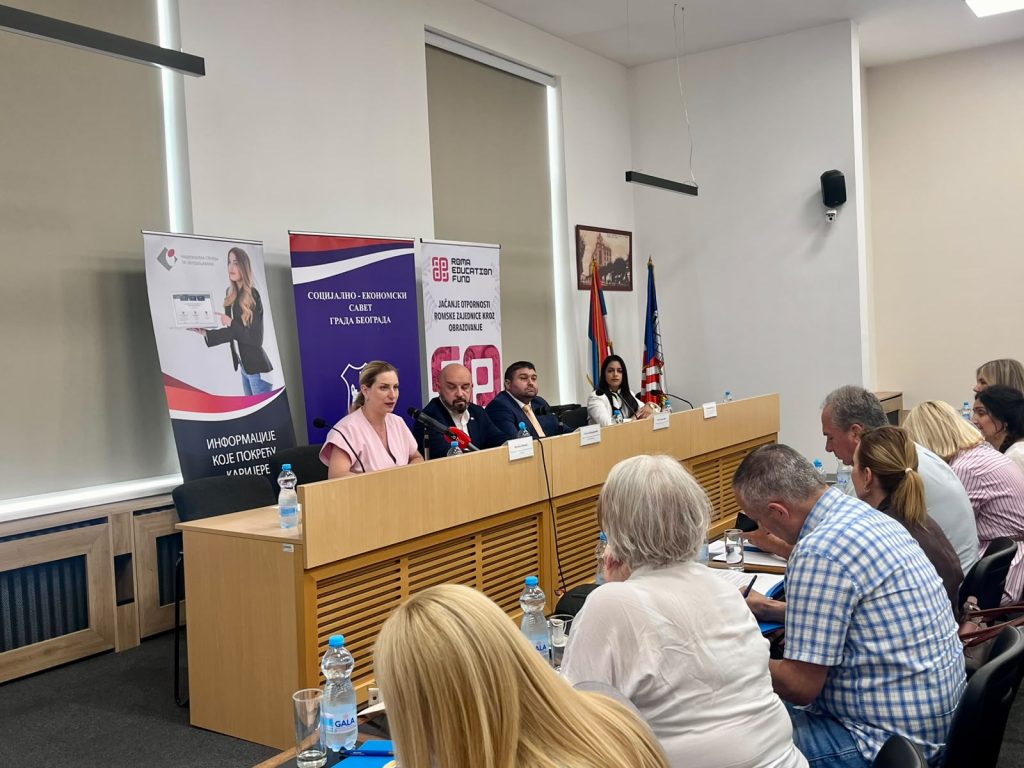
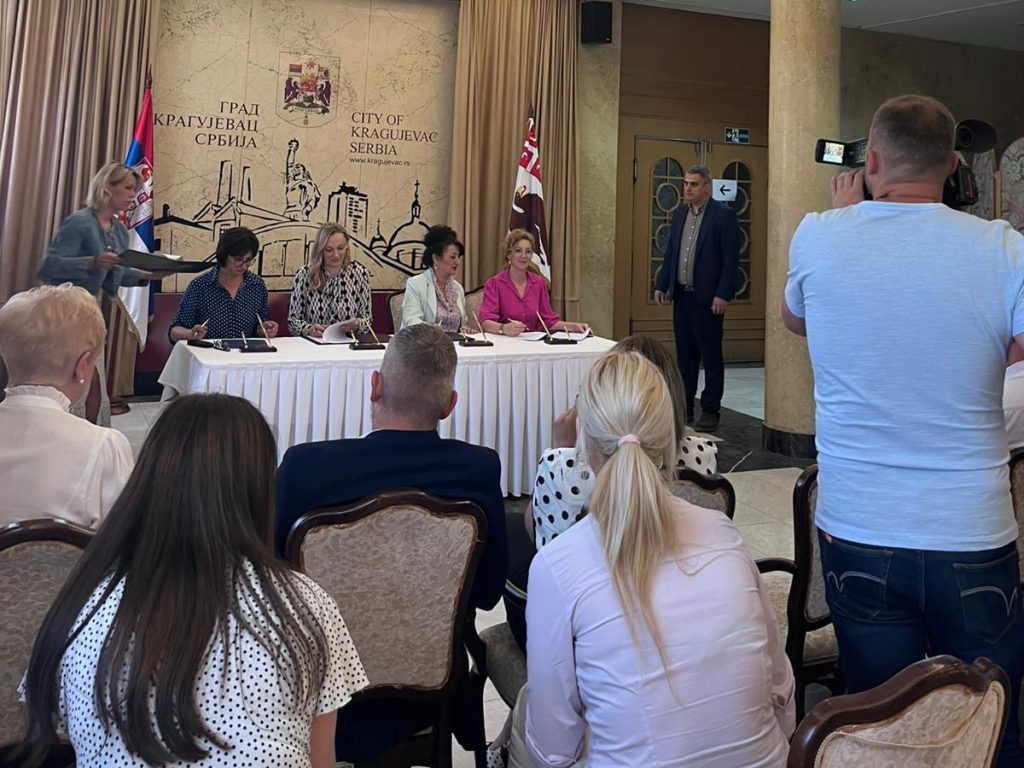
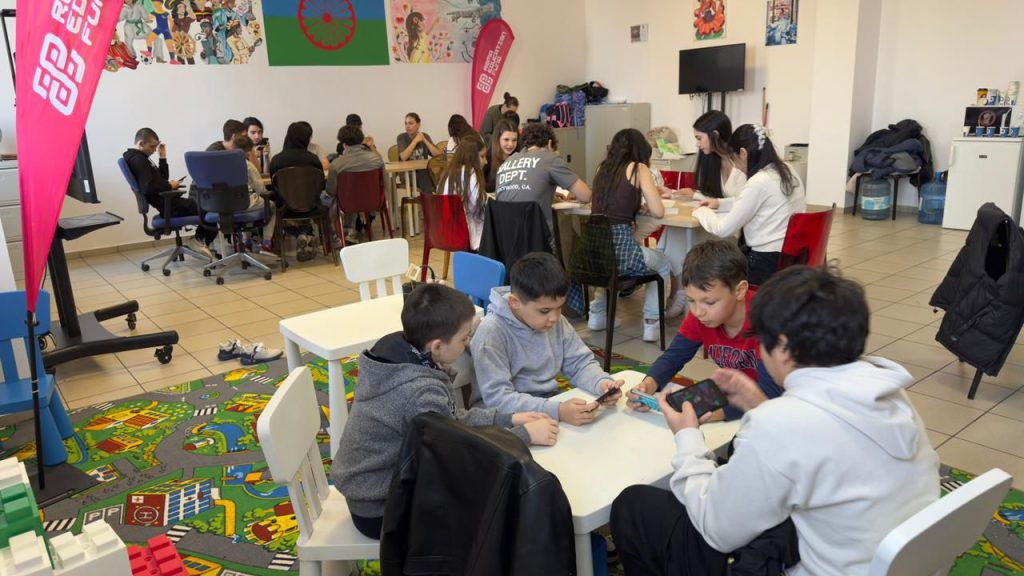
Belgrade, Serbia on 2025.04.07. Photo: Akos Stiller

Locked Out of Work, Structural Unemployment and the Gender Divide in Roma Communities

In employment, the report reveals an equally alarming reality: only 41% of working-age Roma (20–64) have a job, compared with 71% of the general population. The situation for youth is even more critical, 59% of Roma aged 16–24 are neither in employment nor in education or training, compared with 15% among the majority. ECRI describes this as “an indicator of alarming inactivity and a lack of socio-professional prospects.”

Alongside economic exclusion, the report highlights a severe gender gap: only 23% of Roma women are employed, compared with 59% of Roma men. This double marginalization, ethnic and gender-base, reveals the intersectionality of discrimination, where cultural stereotypes and economic barriers overlap to limit women’s access to decent, stable employment, financial autonomy, and civic participation.

Although some public programmes seek to improve employability, ECRI finds their impact minimal in the absence of a coherent, integrated, and adequately funded approach. Discrimination in recruitment, exclusion from the formal labour market, and a lack of tailored vocational training continue to keep Roma communities in an informal subsistence economy, without protection or stability.

Turning Warnings into Action, REF’s Pathways to Education, Skills, and Equal Opportunity

The ECRI report does more than describe inequality, it issues a warning. Without firm and sustained interventions, the gap between Roma and the rest of the population will continue to widen. What is needed now is genuine institutional accountability, transparent budget allocations, and the meaningful involvement of Roma communities in designing and monitoring public policies. Roma cannot be integrated into a system that continues to isolate them. Beyond statistics and strategies, ECRI calls for a true paradigm shift, from passive assistance to active equity, from rhetoric to measurable, concrete action.

At the Roma Education Fund, we see these challenges every day. For two decades, our work has focused on education as the foundation of inclusion, and we know that progress is possible but only with genuine political will and coordinated investment. As a non-profit, we can innovate, pilot solutions, and support communities, but we cannot replace the State. It is time for public authorities to use our expertise and partner with us in building strong and resilient Roma communities.

Empowering Roma is not only a question of justice. It is a strategic necessity for Europe’s future. Across the continent, labour markets are tightening and populations are aging, while the Roma, Europe’s youngest and fastest-growing minority, remain largely excluded from opportunity. The ECRI report exposes the social cost of this exclusion. REF’s approach highlights the economic one. Inclusion is not a moral gesture but smart economics, and investing in Roma potential is investing in Europe’s workforce, innovation, and competitiveness.

Digital Transformation and Education for the Future

In an era where technology is rapidly reshaping our world, REF is placing digital transformation at the heart of its education strategy. Recognizing the need to build resilience and future-ready skills, we are launching advanced education programs that empower both children and adults to thrive in a technology-driven society. A key component of this effort is the integration of digital learning tools, enabling Roma learners to access, adapt, and lead within the digital landscape. By investing in quality education and digital access for marginalized communities, REF turns technology into a bridge, not a barrier, to inclusion.


Every euro invested in quality education and digital access is an investment in justice and shared prosperity. Empowering Roma through learning and technology means giving them the tools not just to survive, but to shape the future of work, driving a more inclusive and competitive Romania and Europe.

From Education to Employment: Building Roma Human Capital

Through its Skills and Employment strategic pillar, REF connects education to opportunity. Education is the foundation, but employment is the bridge to lasting inclusion. Our programs focus on vocational education and training aligned with labour market demand, upskilling and reskilling in emerging sectors such as digital and green industries, and partnerships with employers and public institutions that open pathways to sustainable, dignified jobs. With the goal of supporting the employment of 10,000 Roma individuals by 2033, REF is demonstrating how inclusive policies can translate into measurable impact.

Strengthening Roma human capital must be at the heart of any sustainable inclusion strategy. For the Roma Education Fund, building Roma human capital means linking education to employability and ensuring that every learner has a pathway to self-reliance, dignity, and social participation. This is not only a question of justice. It is a catalyst for economic growth, innovation, and shared prosperity. The ECRI report’s findings highlight the need for long-term, coordinated policies that tackle structural inequalities in both education and employment, while fostering genuine equality of opportunity. Investing in Roma human capital is not a corrective gesture but a forward-looking strategy, one that strengthens resilience, competitiveness, and social cohesion across Europe. When Roma talent is recognized and nurtured, entire communities and economies thrive.

We envision a future where Roma communities are celebrated as rich sources of knowledge, creativity, and potential. Our learning models embraces real-world, technology-enhanced experiences that nurture innovation and leadership in unexpected places. For REF, learning is a dynamic and collaborative process, one that equips individuals and communities to navigate complexity, uncertainty, and change. By transforming Roma-led educational innovations into beacons of excellence, we can inspire systemic change across societies and shape a more inclusive Europe for generations to come.

Key figures from the report Read full report here

Education

Employment

Housing — informal settlements, pollution, and evictions

Health — restricted access and shocking cases

Public policy — strategies without foundation or funding

Key data points

Reframing the Future of Work

Posted on October 29, 2025 by admin1

By Marina Savković, team leader Skills and Employment Roma Education Fund

On 21 October 2025 in Sofia, the Future of Work Summit, organized by Capital / Economedia, brought together business leaders, HR experts, entrepreneurs and civil society representatives to discuss how artificial intelligence, automation and digital transformation are reshaping industries and jobs. Although technological change is accelerating, one message resonated throughout the event: the future of work must remain human-centred. Even under conditions of rapid technological disruption, it is people, their skills, resilience and capacity to learn, who determine whether economies grow or stagnate.

In this sense, the conversation on labour market participation was not separate from the discussions on AI. It was foundational. Bulgaria is already operating with a shrinking workforce, and technology alone cannot fill the emerging labour gaps. The key question is not only how to prepare the workforce for the jobs of tomorrow, but also who will be included in that workforce at all.

A Reality We Must Acknowledge

Bulgaria is among the countries most affected by demographic decline, with a persistent shortage of workers across sectors, reaching up to 30% less workers than needed. The only remaining labour reserves within the country are located among groups that have historically been excluded, Roma in particular, who are estimated to represent more than 10% of the Bulgarian population (Council of Europe, 2023).

According to the FRA Roma Survey 2024, paid employment among Roma in Bulgaria reaches approximately 62%, while employment in the general population is significantly higher. However, this employment is still not formal and stable in most of the cases. A national study from 2024 further shows that the NEET rate among Roma youth aged 15–29 is 53.6%, compared to around 19.3% among the general youth population. These figures reflect real people, real potential and structural barriers that continue to constrain Bulgaria’s economic growth.

During his keynote, Željko Jovanović, President of the Roma Foundation for Europe, underlined that the cost of labour exclusion of Roma in Bulgaria reaches nearly €2 billion annually. The question, he stressed, is not whether Roma can contribute to the economy — they already do — but how much more Bulgaria stands to gain once systemic barriers are removed. This is not a discussion about social spending. It is a discussion about strategic economic development.

Ciprian Necula, Executive President of the Roma Education Fund, reinforced this message by sharing concrete examples of Roma entering stable employment through training and mentoring models developed in cooperation with employers, state authorities and vocational institutions. He spoke about young people who, once offered structured guidance and targeted learning opportunities, successfully entered long-term employment; about households whose economic prospects changed when one member secured a contract; and about companies that benefitted from a steady and motivated workforce through ongoing collaboration with REF teams. These stories are proof that when training aligns with real job requirements and support continues beyond hiring, employment stabilises and careers begin to grow. They also demonstrate that REF is a credible partner for Bulgarian employers, capable of helping them build and retain their workforce.

A Direction We Can Choose

What stayed with me most from the Summit did not happen on stage, but in the conversations between sessions. Several employers expressed genuine interest in co-designing employment pathways together with the Roma Education Fund and the Roma Foundation for Europe. Their questions were practical and forward-looking: how to structure training, how mentoring can support retention, what timeframes match production cycles. The openness was sincere. Follow-up discussions are already underway.
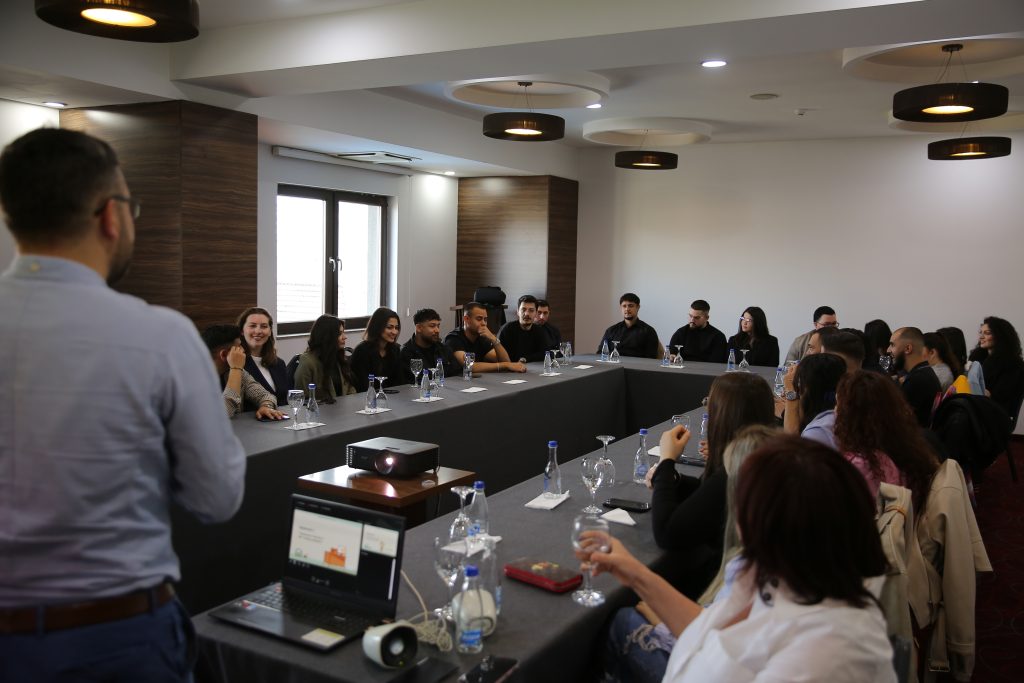
This readiness matters. It marks a shift from seeing Roma employment as a social obligation to recognising it as a shared economic opportunity rooted in real labour market demand.

The Path Forward

The Future of Work Summit reminded us that the future of work is not something that simply happens to us. It is something we shape—through the decisions we make about who has access to technology, to work, to learning, to economic security and to dignity.

Roma are not peripheral to this story. They are one of the few remaining sources of labour force expansion in Bulgaria, and a vital one — if we choose to invest wisely and collaboratively.

The opportunity is real, measurable and within reach. And what I witnessed in Sofia this October — in discussions, in hallways, and in conversations full of intention — gives me genuine reason to believe that we are closer to real progress than ever before.

The Password for the Future | Complementary Education Center (CEC) in Romania

Posted on October 28, 2025 by admin1

An editorial signed by Stanislav Daniel, team leader for CECs

This October, I crisscrossed five countries and set foot in five capitals, including the one I reside in, each with its own agenda, its own urgency. Policies debated. Priorities negotiated. Commitments renewed.

If I followed only my itinerary, I should remember the month by the sequence of events: first Brussels, then Bucharest, then Sofia, then further journeys where the calendar demanded my presence. But memory, I’m finding, has its own hierarchy. Because what stays with me is not the marble of conference venues or the polished language of official statements. It’s not even the applause lines meant to convince us that progress is underway.

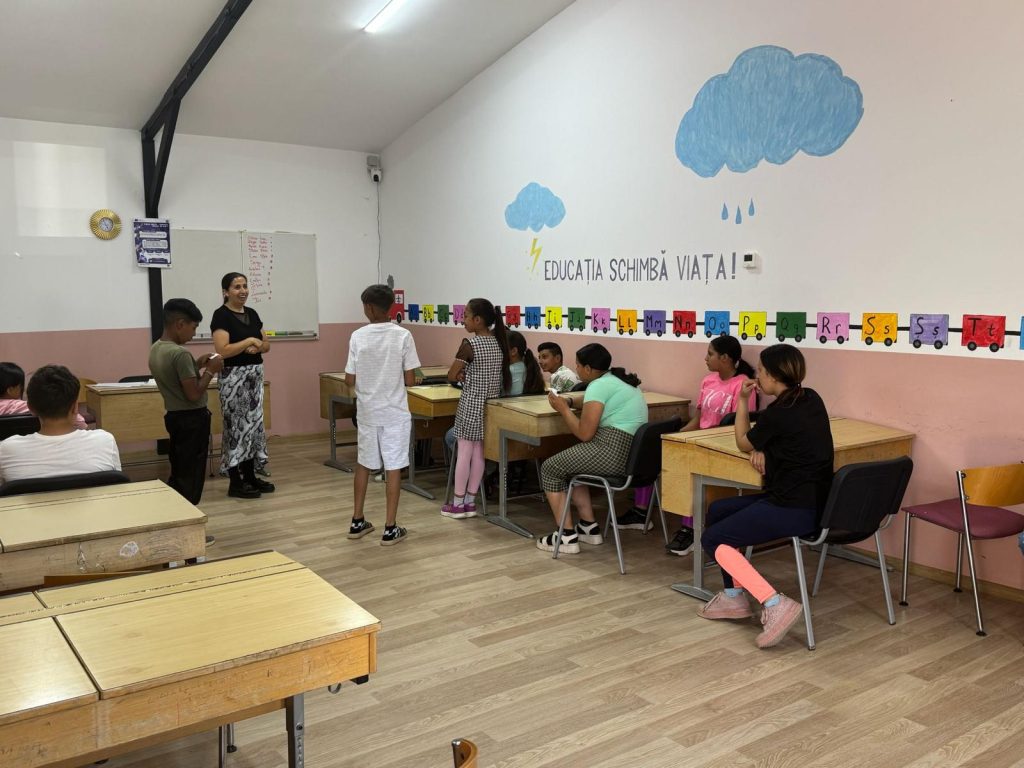
What echoes particularly is a single room in Bucharest, full of life. A room where the air vibrated with children’s laughter and the stubborn determination of climbing up. A room where fall arrived early through paintbrushes dipped in orange and brown. A room where inclusion was not something far in the future, a bullet point in a plan, or a political promise, but something alive, immediate, present.

A Promise in Brussels

The month began in Brussels, at the European Platform for Roma Inclusion – a checkpoint of sorts, five years into the EU Roma Strategic Framework, which includes plans to improve education for Roma children. We listened to speeches that recognized both progress and the uncomfortable truth: change remains slow, especially in the places where needed it most.

I sat there with the familiar tension in my chest – pride in how far we’ve come, frustration at how far we still must go. Sitting at a podium next to the deputy minister, alumna of our scholarship program, I listened to leaders recognizing the pitfalls. They spoke of accountability, participation, the need for better data and stronger political will. They acknowledged that Roma must shape the policies that concern us.

And then it materialized

Mid-October can feel like a dull pause between seasons, but not inside REF’s first Complementary Education Center. The moment I stepped in, I felt the energy, a large room buzzing with determination and color.

One side of the space was devoted to mathematics. Children – that day all of them originally from Ukraine, all of them carrying more than children should – leaned over notebooks, trying to catch up to a school system they never planned to join. Their instructor, Ukrainian herself, moved among them with quiet mastery, jumping over age gaps through patience and instinct. When Roman numerals appeared on the board –MCMLXXXIV – a chorus erupted:

“1984!”

The small victory felt like a proof that these kids will not give up!

Screen capture from the Romanian National Broadcaster’s program “Convețuiri,” featuring a story about the CEC.

A few meters away, autumn spilled across watercolor paper. Orange. Amber. Forest green. Here, another group, they weren’t refugees or statistics – just kids, making leaves fall from the trees and capturing movements, mastering stopping of time.

The Complementary Education Center model works because it starts where every child’s story begins — in their community, in their language, with respect for who they are.

Lived Experience

Watching those children learn, I felt something deeply familiar from literature, from our own plans, methodologies. Inclusion, for Roma, has never been a theoretical concept. We learned inclusion and resilience not from policy documents, but from the everyday struggle to belong. We became experts through what researchers might call rigorous participatory action – though most of the time, it simply meant surviving systems not built for us.

At the Platform in Brussels, leaders emphasized that Roma participation is not a favor – it is a democratic necessity, and progress depends on Roma shaping solutions.  I saw that truth right there among the children in Bucharest. This wasn’t charity. It wasn’t a project perfectly aligned to a funding call. It was a community responding to real needs with real knowledge – empathy translated into structure.

We’ll still have to fundraise to keep the activities alive. We’ll need to continue building relationships with authorities. But we know our motivation grows from the grassroots.

Future of Work

At the end of the month, in Sofia at the Future of Work Summit, I found fresh confidence. The agenda read like a mirror held up to our work: skills gaps, AI, digital transitions, inclusive talent pipelines. Because when you travel from policy rooms to classrooms, you ask: Are we aligned with the future? Here, the answer arrived with clarity.

I heard HR leaders say that talent will define cross-border competitiveness. I heard speakers insist that exclusion isn’t just a moral failure – it is a strategic risk. And I grew in confidence: the Complementary Education Center – the children learning, arts, numbers – they aren’t in the margins, they are part of the solution. We are on the right path.

 A Stronger Europe

Looking back, the month lined up like a map of Europe’s choices. Brussels showed what must be done.  Bucharest showed how it can be done. And Sofia showed why it can’t wait.

Together, they formed a simple equation: inclusion + education + skills = a stronger Europe. The Complementary Education Center isn’t just a support program. It is the infrastructure for the next economy — built at child-height, painted in watercolors, and measured in possibilities.
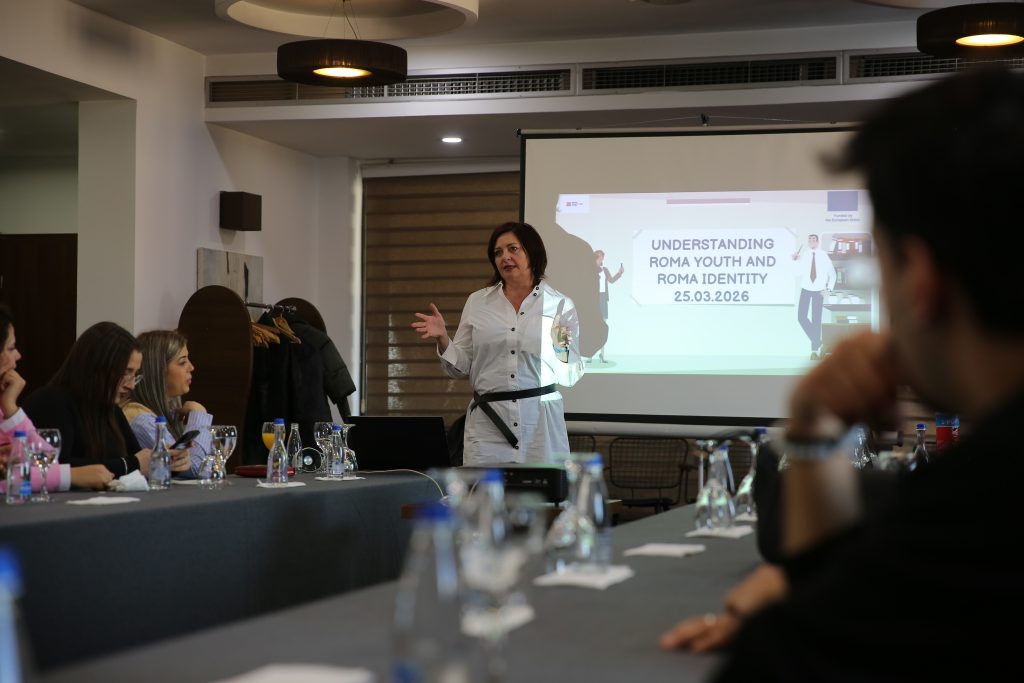
When I think of October now, I don’t see conference agendas or PowerPoint slides. I see a room where children shouted “1984!” like it wasn’t a year in the past but a password to the future. I see leaves painted in colors the world hasn’t named yet. I see the quiet determination of a teacher building bridges faster than policy cycles.
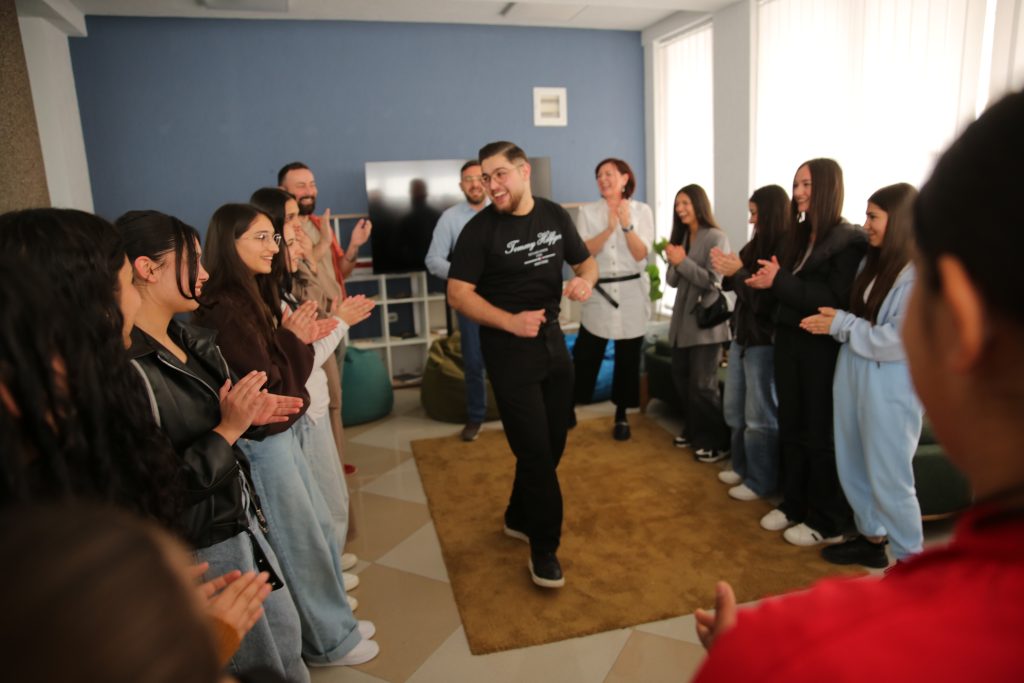
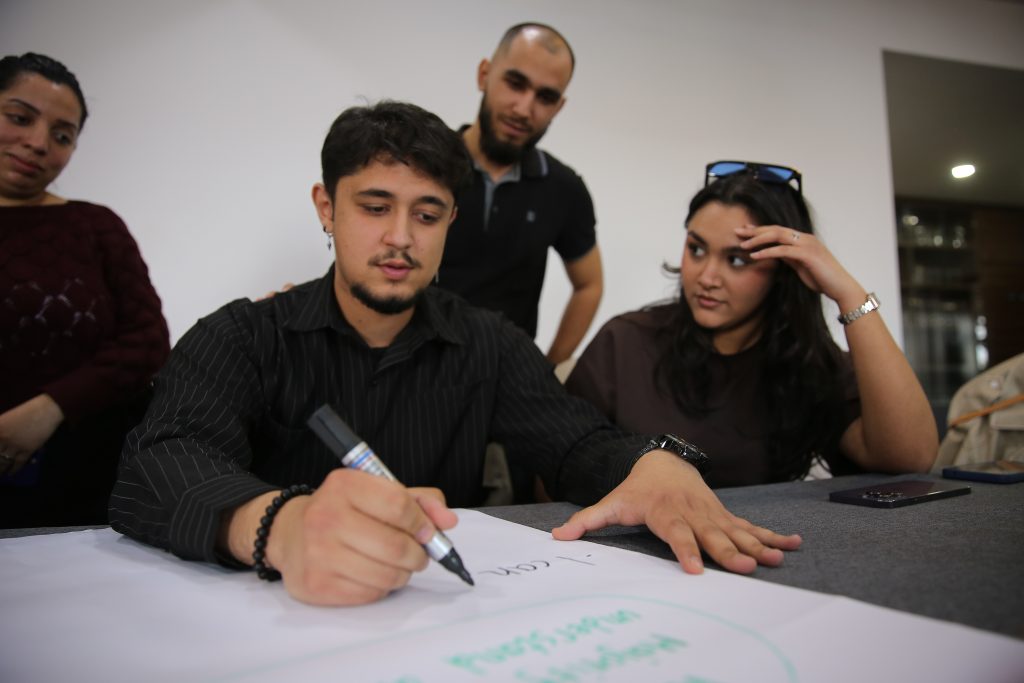
Europe keeps asking how to accelerate change, how to turn strategies into results, how to prepare for the future of work, how to defend growth in a shrinking demographic horizon. The answer is not abstract. It is sitting in that room, pencil tapping, eyes focused, waiting for the world to notice.

If we choose to believe in those children, to invest in their education, trust their talent, honor their identity, then inclusion stops being a promise. It becomes Europe’s smartest bet on its own future.

Stay connected

Initial Founders

The World Bank

An international financial institution that provides loans and grants to the governments of low- and middle-income countries for the purpose of pursuing capital projects.
The World Bank

Open Society Foundations

Financially supports civil society groups around the world, with the stated aim of advancing justice, education, public health and independent media.
Open Society Foundations