Strengthening Roma Youth Engagement Through Interactive Learning: Training in Pristina on REF’s Practical Guide
Posted on March 27, 2026 by admin2
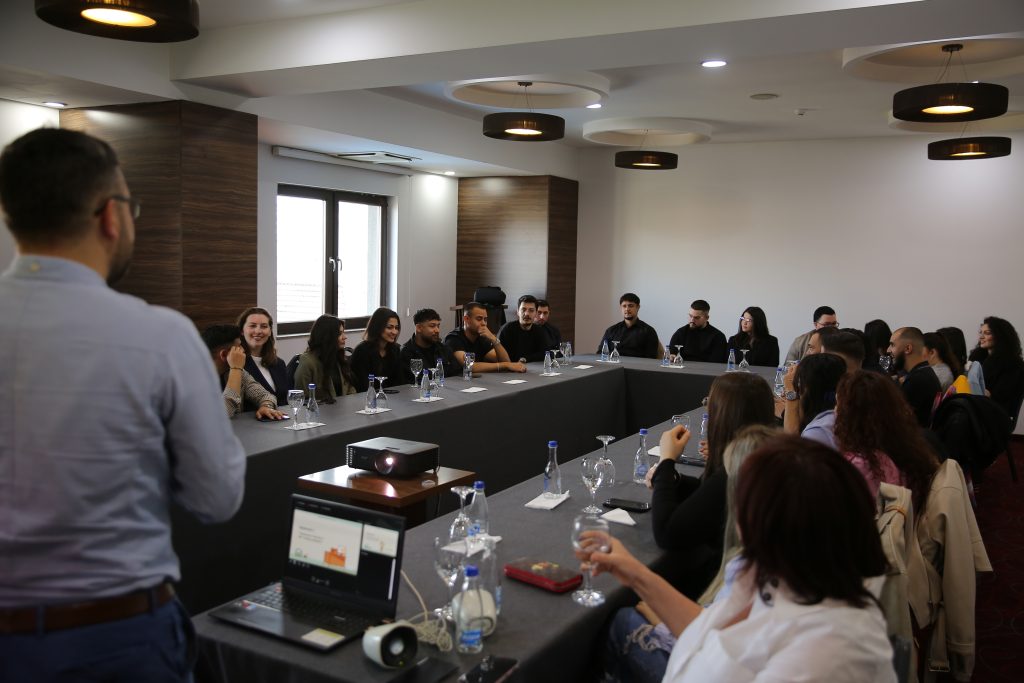
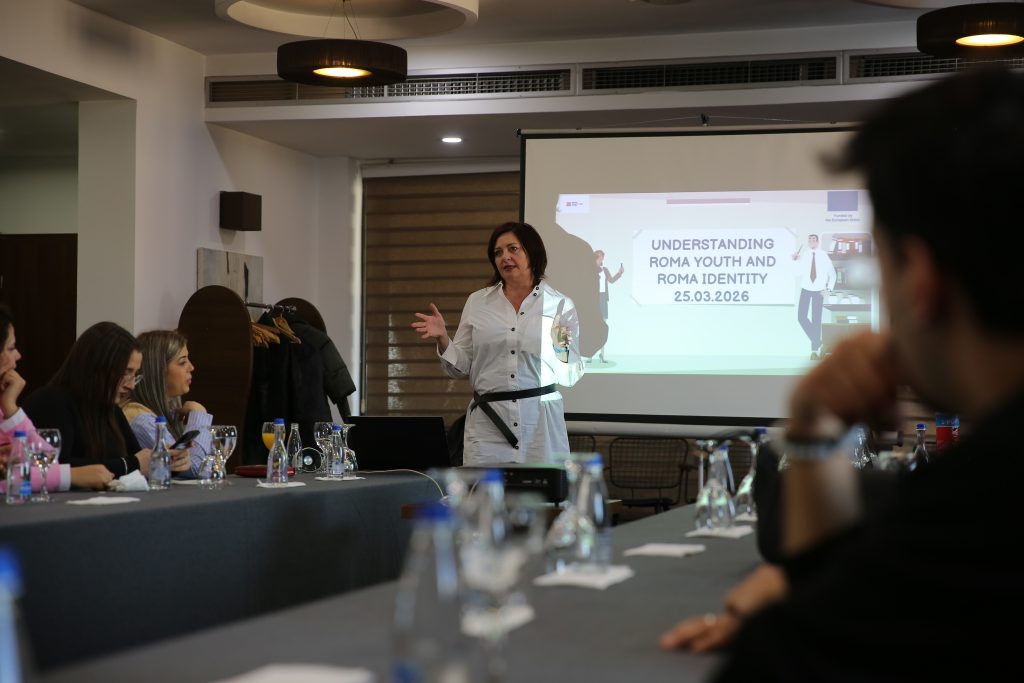
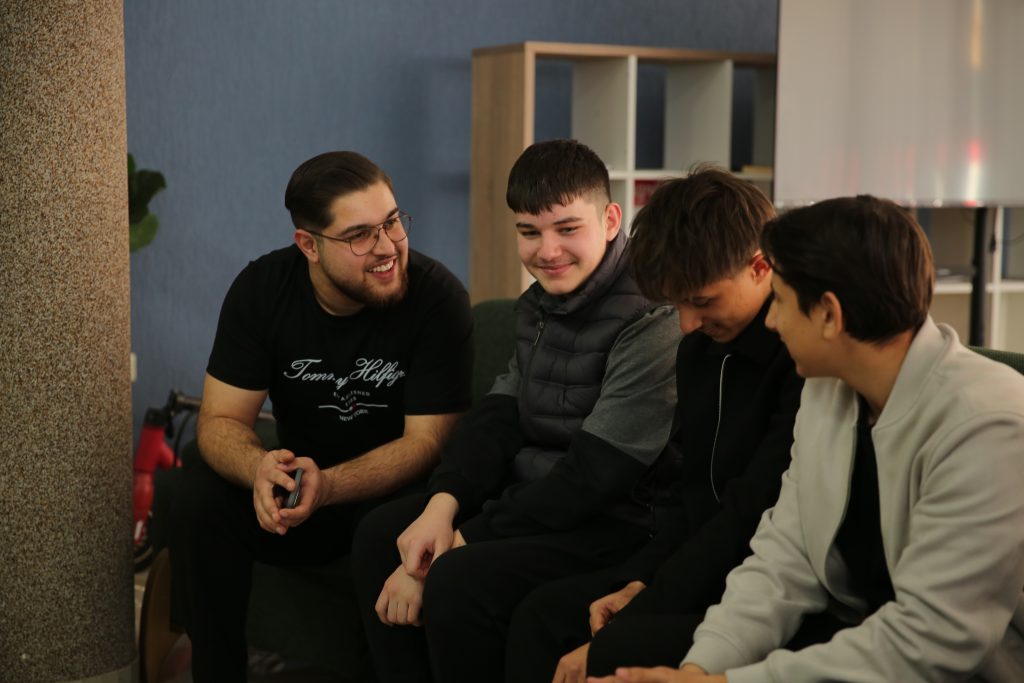
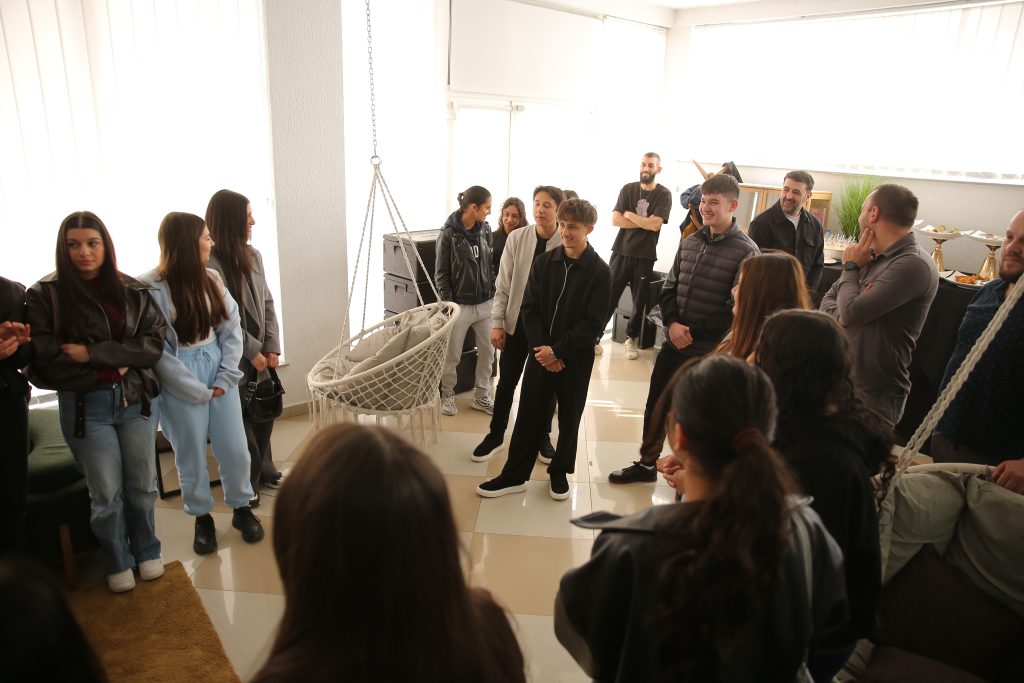
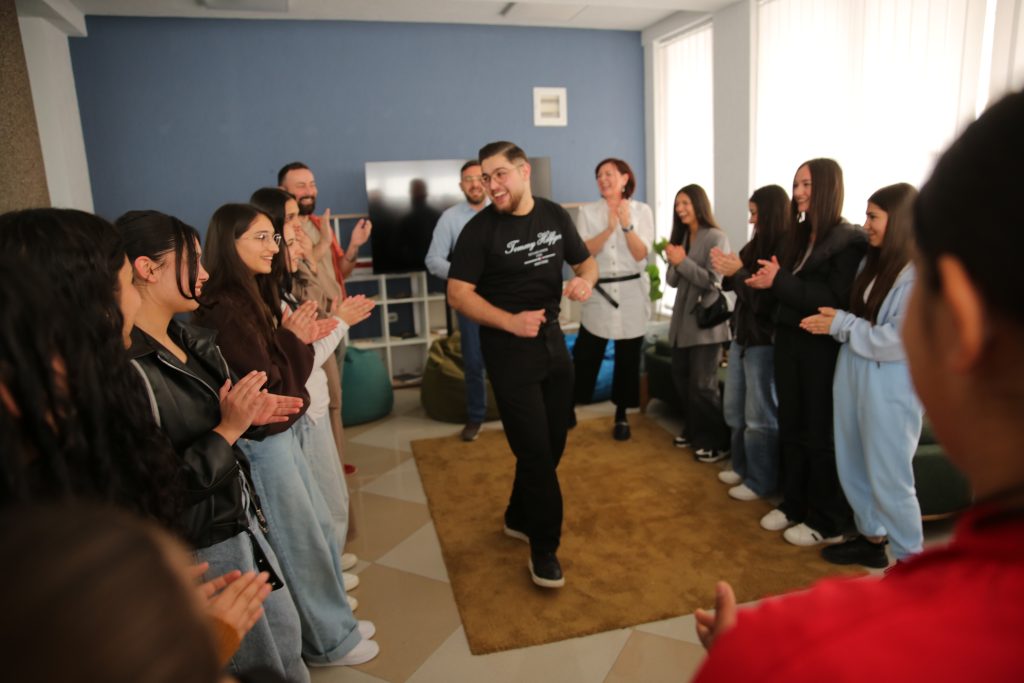
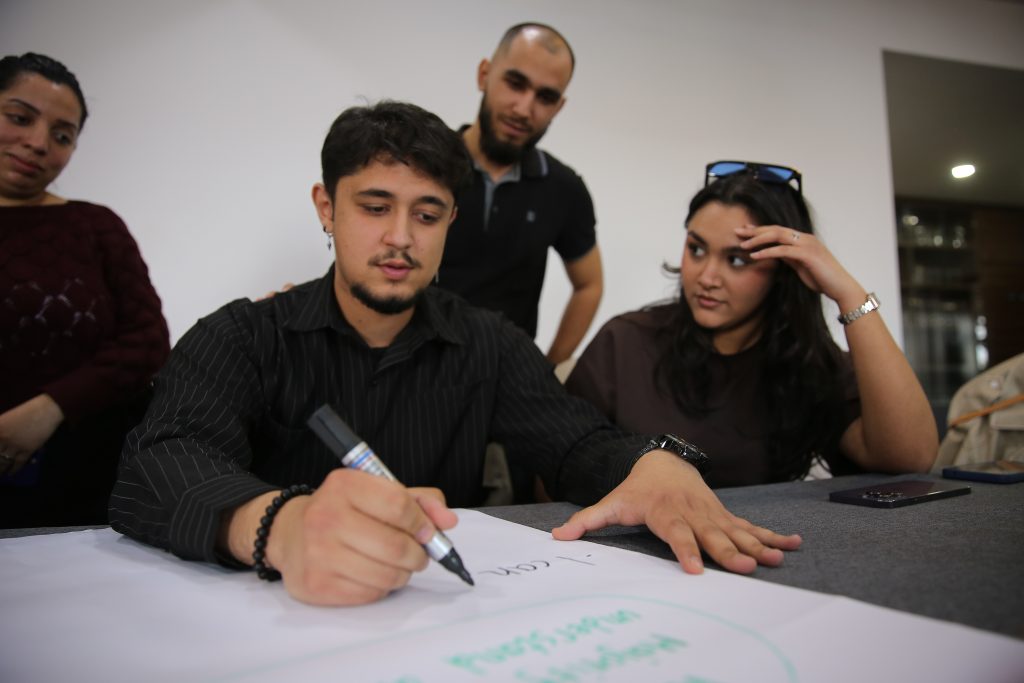
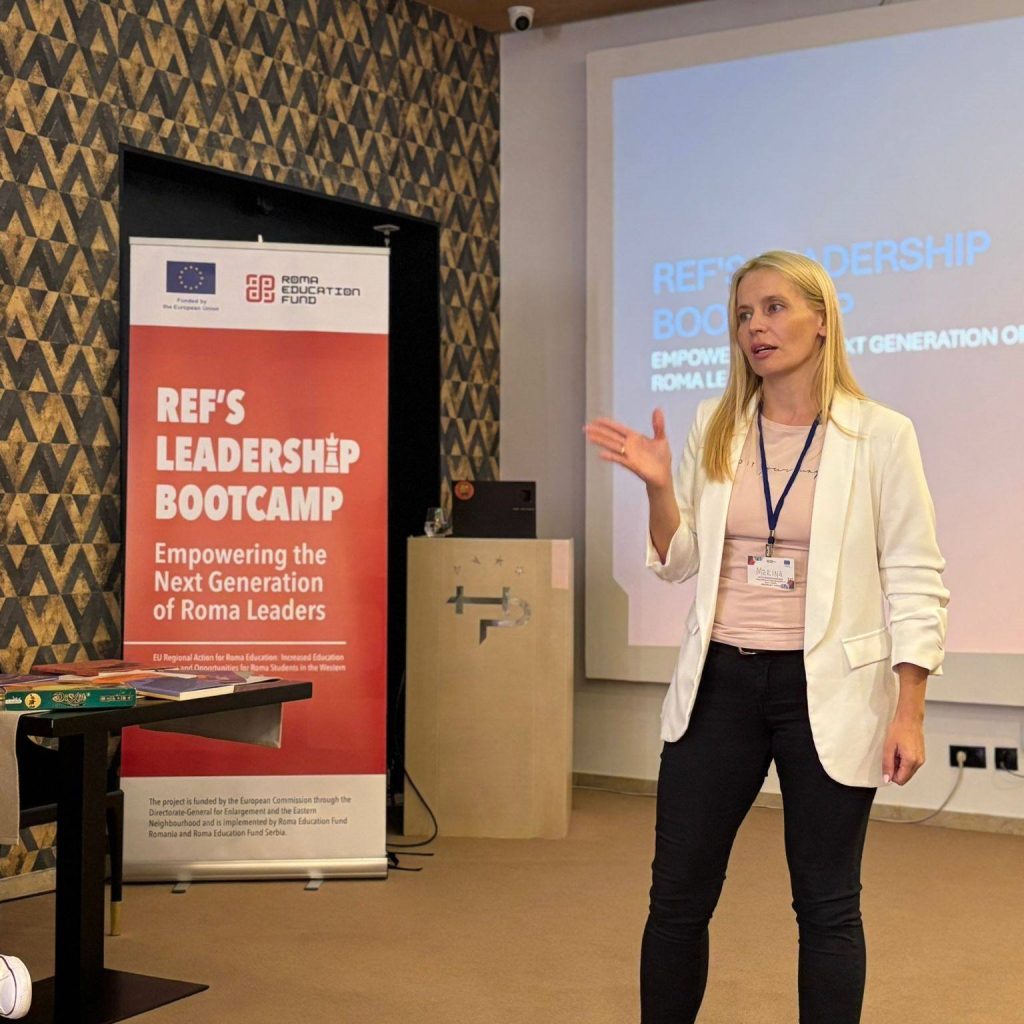
Prishtina, March 25, 2026 – The Roma Education Fund (REF) organized two trainings in Kosovo*, focused on the presentation and practical use of the Interactive Practical Guide on Roma Youth Empowerment and Leadership, developed within the framework of the project EU Regional Action for Roma Education: Increased Education Support and Opportunities for Roma Students in the Western Balkans and Turkey (RARE II), funded by the European Commission (DG ENEST).
The Guide, titled “Practical Guide for Roma Youth Empowerment and Leadership – How to Work with Roma Youth to Bring Their Potential?”, was developed by Tanja Đorđević, Jovana Trbojević Jocić, and Mirjana Beara Benjak. It represents a comprehensive and interactive digital resource designed to support those working with Roma youth through mentoring, tutoring, and community-based approaches.
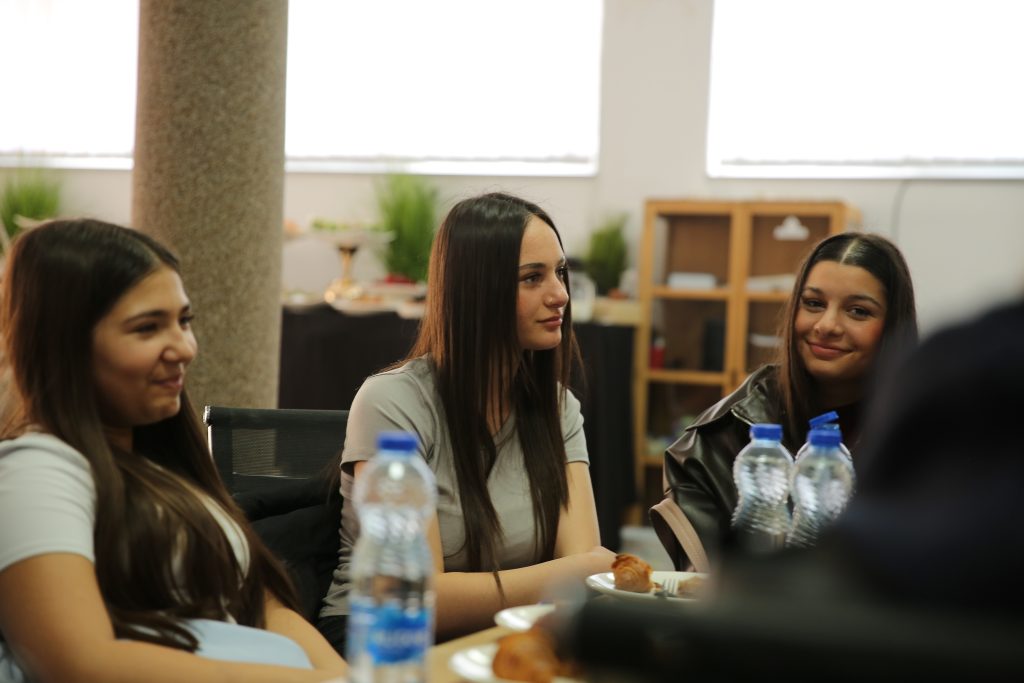
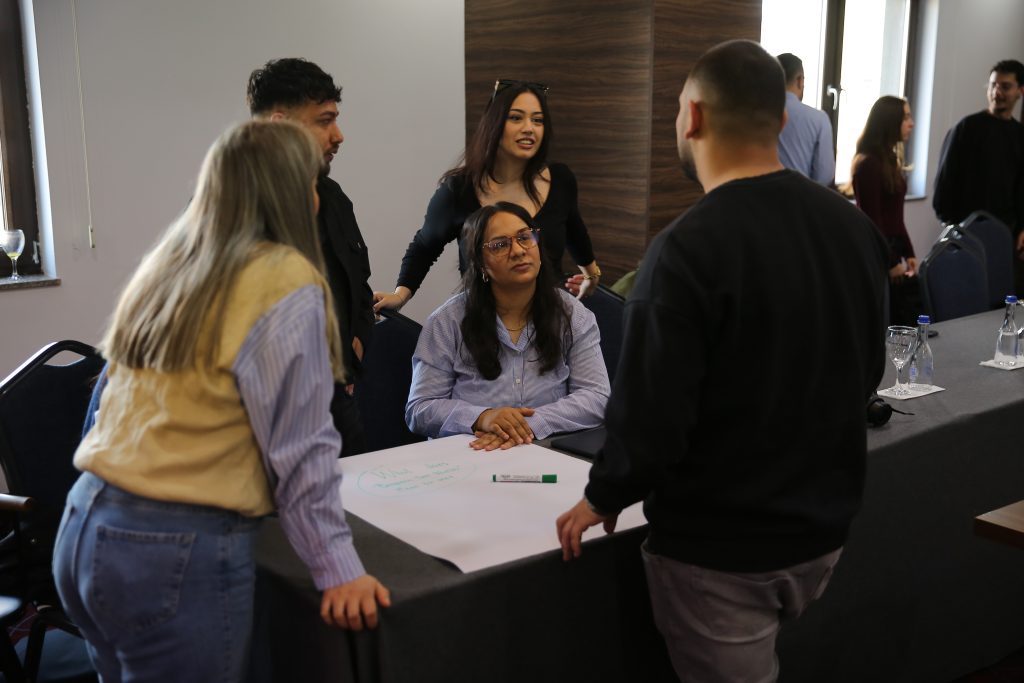
The first training session gathered Roma youth in tertiary education and was officially opened by Nataša Markovska, REF’s coordinator for secondary and tertiary education and access to employment within the project, who emphasized the importance of investing in Roma youth not only as beneficiaries, but as future leaders, changemakers, and active contributors to their communities. She highlighted that REF’s Guide is more than a learning resource, it is a tool to support young Roma in building confidence, strengthening their identity, and developing leadership skills needed to navigate education, employment, and civic life, encouraging participants to see themselves as agents of change shaping both their own futures and those of their communities.
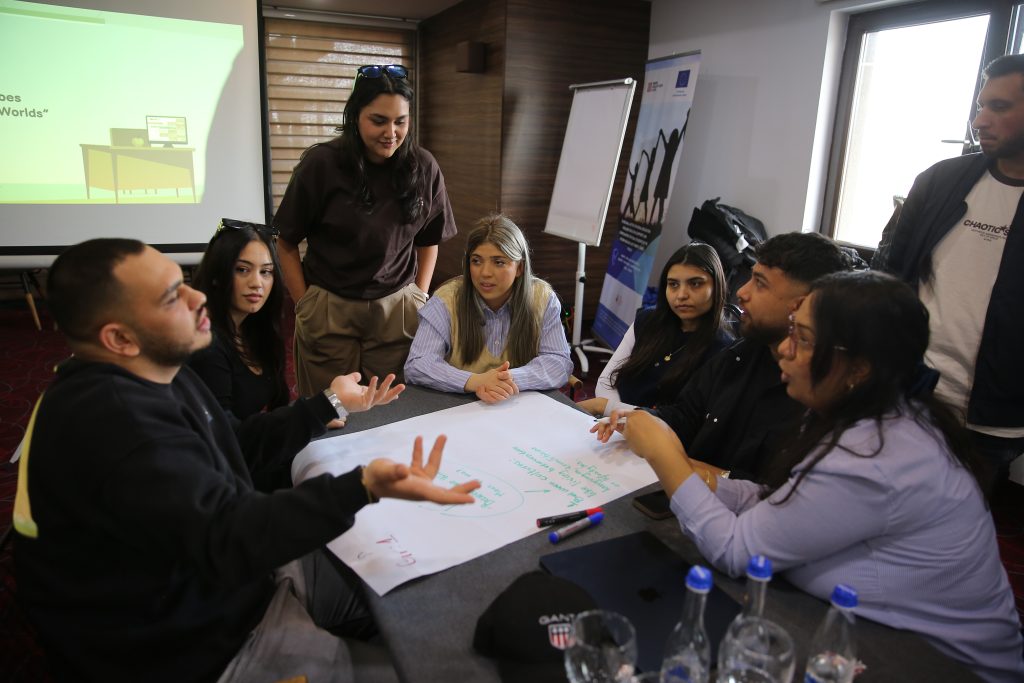
Both training sessions were facilitated by our colleague Edis Galushi, country facilitator in Kosovo*. The first session, engaging Roma youth in tertiary education, focused on the module on Roma identity, encouraging participants to reflect on self-awareness, cultural pride, and resilience, and to explore how identity shapes their educational and professional pathways.
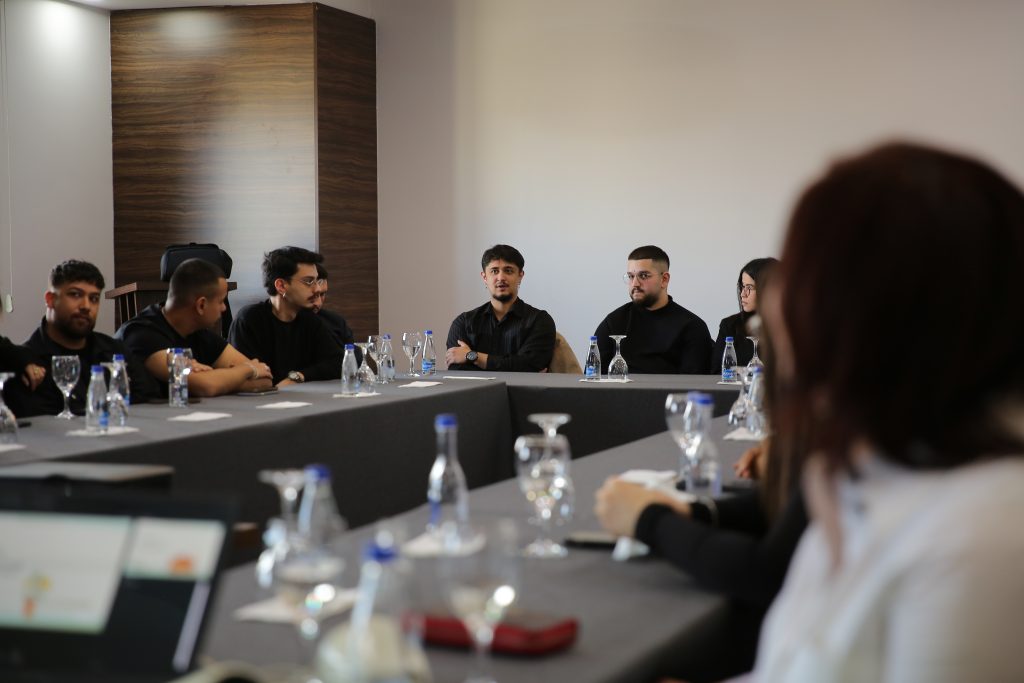
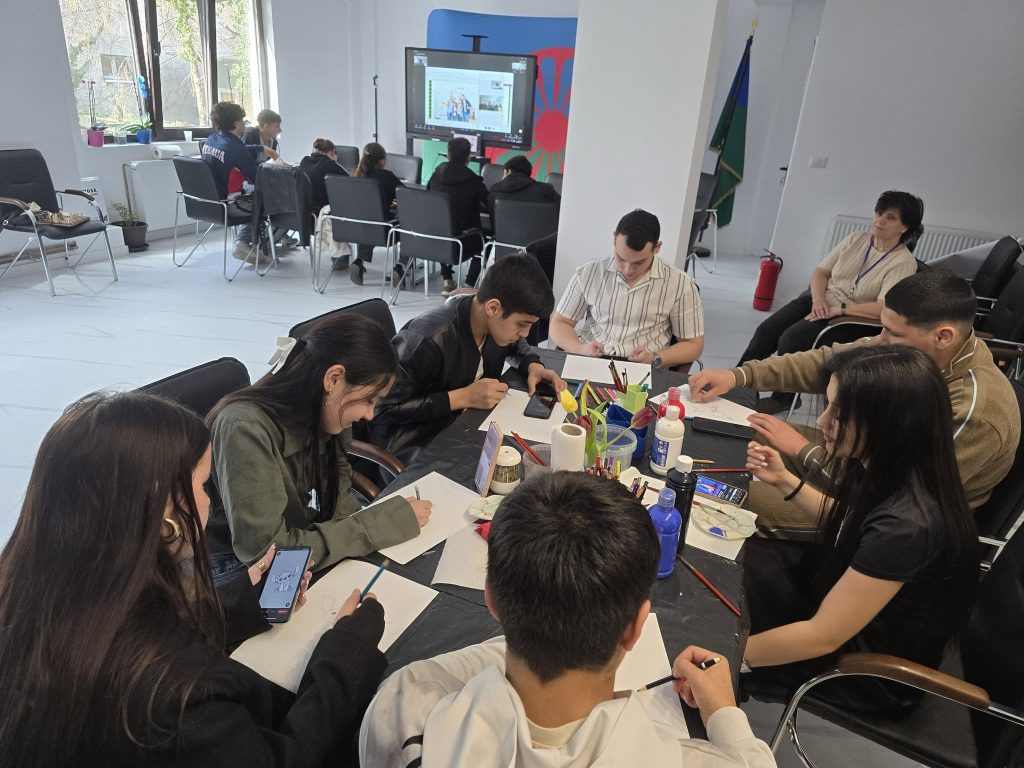
The second session brought together Roma youth in secondary education, alongside mentors working with Roma youth. Building on the identity component, it introduced mentoring, tutoring, and coaching approaches, with a focus on practical tools to support young people during key educational transitions.
Taken together, the sessions underscored that sustainable impact comes from pairing identity development with structured support systems, creating the conditions for Roma youth to grow into confident, engaged, and future-oriented actors.
Reflecting on the purpose of the Guide, one of its authors, Tanja Đorđević, emphasized that empowering Roma youth requires more than access to education. It requires creating spaces where young people can build confidence, explore their identity, and develop the skills needed to actively shape their futures. This perspective closely echoes the message shared during the opening of the training, underlining a common focus on identity, agency, and leadership as key elements of youth empowerment.
„Investing in Roma youth is one of the most sustainable pathways to building inclusive and resilient communities. Supported by the European Commission through DG ENEST, this initiative advances the empowerment of Roma youth by complementing access to education with concrete opportunities for young people to build confidence, strengthen their identity, and develop essential leadership skills. By creating such opportunities, the project contributes to a supportive climate in which Roma youth can thrive, actively shape their own futures, and become drivers of positive change within their communities and wider society.” – Monica Călin, Project Manager and Programs Director in REF Romania.
These training is part of a coordinated series of eight regional events, most of them delivered within the same week, designed to accelerate impact at scale. Positioned within the future of work agenda, these initiatives move beyond standalone interventions and contribute to building functional pathways that connect skills, identity, and opportunity. Through this approach, REF is advancing innovative, inclusive, and community-anchored models that equip Roma youth not only to realize their potential, but to actively participate in and shape the evolving labour market, driving more resilient, competitive, and equitable societies.
*This designation is without prejudice to positions on status and is in line with UNSCR 1244/1999 and the ICJ Opinion on the Kosovo declaration of independence
From Alarm to Action: REF’s Blueprint for Roma Inclusion through Education, Skills, and Digital Transformation
Posted on October 31, 2025 by admin1
As the 2025 ECRI report on Roma in Romania warns of widening gaps in education, work, housing, REF calls for a shift from rhetoric to measurable action, investing in Roma potential as Europe’s untapped engine for growth and equality.
The latest report by the European Commission against Racism and Intolerance (ECRI) paints an alarming picture of the situation of Roma in Romania. Despite strategies and public commitments, systemic discrimination, extreme poverty, and institutionalized segregation continue to define the reality of the Roma.
Roma face precarious housing, educational exclusion, and severe barriers on the labour market simultaneously, while public policies remain, according to ECRI, underfunded, fragmented, and poorly enforced.
Published on 30 October, 2025, the document warns that in the absence of concrete performance indicators, transparent budgets, and genuine administrative coordination, inclusion strategies risk being reduced to mere rhetorical exercises. Substandard housing, school segregation, and labour-market discrimination continue to reproduce an intergenerational cycle of exclusion, in which Roma remain the social group most vulnerable to poverty, illness, and civic marginalization.
ECRI identifies anti-Gypsyism, deeply rooted in mindsets and institutions, as one of the main factors perpetuating discrimination and social mistrust. Although the 2021 census recorded 569,477 self-identified Roma (2.98%), independent estimates put the real figure at 1.5–2 million, proportionally magnifying the severity of exclusion and institutional under-representation.
A Broken Promise, How Segregation and Poor Education Trap Roma Children in Inequality
In education, the ECRI report highlights a profound rift between inclusion pledges and on-the-ground reality. Roma children continue to be denied equal access to quality education despite multiple strategies drafted over the past decade. Disparities in participation, performance, and learning conditions confirm the structural nature of these inequalities.
The 2021 figures are telling: only 27% of Roma children attend kindergarten, compared with 79% of the general population, and only 22% of Roma youth aged 20–24 have completed upper-secondary education, versus 83% among the majority. These numbers are not mere statistical differences. They are symptoms of a system that fails to function as a vehicle for social mobility and instead reproduces and deepens marginalization.
ECRI also flags the persistence of school segregation, a phenomenon that undermines the right to equitable education and entrenches the stigmatization of Roma communities. A study conducted in 11 counties shows that 66.4% of schools with at least 3% Roma students are segregated by classes, and 27.5% by buildings, figures that attest to de facto segregation tolerated by the system. Despite sanctions imposed by the National Council for Combating Discrimination (CNCD), the phenomenon remains chronic and insufficiently monitored. ECRI also acknowledges recent steps such as the adoption of the 2022–2027 Roma Inclusion Strategy and measures to prohibit school segregation, but warns that their implementation remains uneven and under-resourced.
The COVID-19 pandemic exacerbated these inequalities. Lack of internet access and devices pushed thousands of Roma children out of the learning process, causing irreversible learning losses and heightening the risk of early school leaving. ECRI’s conclusion is clear: education in Romania often isolates rather than integrates.
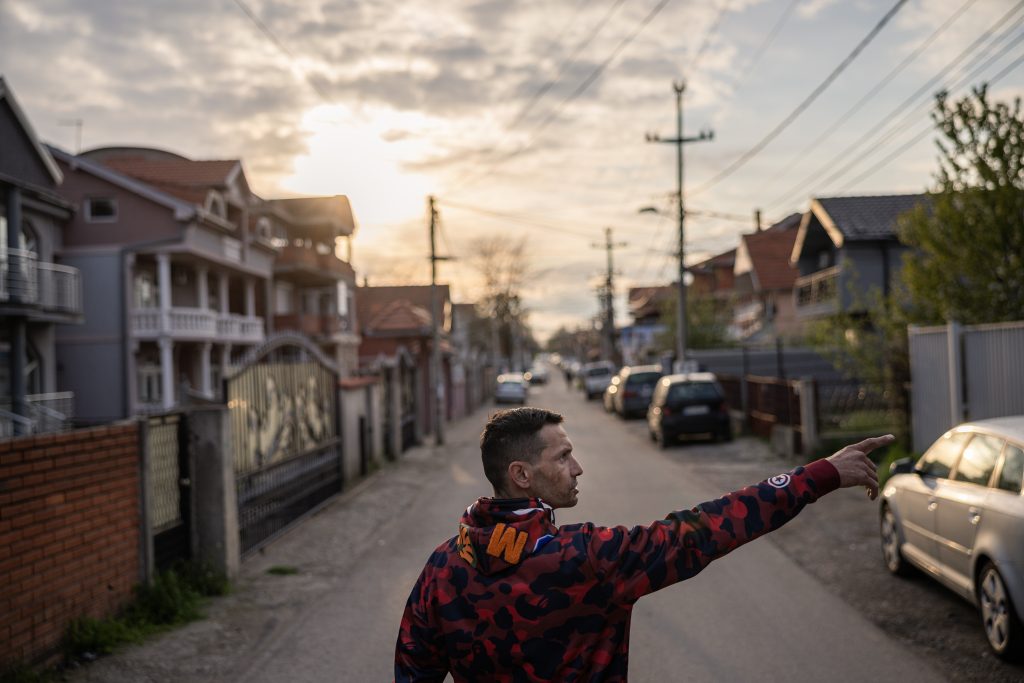
Belgrade, Serbia on 2025.04.07. Photo: Akos Stiller
Locked Out of Work, Structural Unemployment and the Gender Divide in Roma Communities
In employment, the report reveals an equally alarming reality: only 41% of working-age Roma (20–64) have a job, compared with 71% of the general population. The situation for youth is even more critical, 59% of Roma aged 16–24 are neither in employment nor in education or training, compared with 15% among the majority. ECRI describes this as “an indicator of alarming inactivity and a lack of socio-professional prospects.”
Alongside economic exclusion, the report highlights a severe gender gap: only 23% of Roma women are employed, compared with 59% of Roma men. This double marginalization, ethnic and gender-base, reveals the intersectionality of discrimination, where cultural stereotypes and economic barriers overlap to limit women’s access to decent, stable employment, financial autonomy, and civic participation.
Although some public programmes seek to improve employability, ECRI finds their impact minimal in the absence of a coherent, integrated, and adequately funded approach. Discrimination in recruitment, exclusion from the formal labour market, and a lack of tailored vocational training continue to keep Roma communities in an informal subsistence economy, without protection or stability.
Turning Warnings into Action, REF’s Pathways to Education, Skills, and Equal Opportunity
The ECRI report does more than describe inequality, it issues a warning. Without firm and sustained interventions, the gap between Roma and the rest of the population will continue to widen. What is needed now is genuine institutional accountability, transparent budget allocations, and the meaningful involvement of Roma communities in designing and monitoring public policies. Roma cannot be integrated into a system that continues to isolate them. Beyond statistics and strategies, ECRI calls for a true paradigm shift, from passive assistance to active equity, from rhetoric to measurable, concrete action.
At the Roma Education Fund, we see these challenges every day. For two decades, our work has focused on education as the foundation of inclusion, and we know that progress is possible but only with genuine political will and coordinated investment. As a non-profit, we can innovate, pilot solutions, and support communities, but we cannot replace the State. It is time for public authorities to use our expertise and partner with us in building strong and resilient Roma communities.
Empowering Roma is not only a question of justice. It is a strategic necessity for Europe’s future. Across the continent, labour markets are tightening and populations are aging, while the Roma, Europe’s youngest and fastest-growing minority, remain largely excluded from opportunity. The ECRI report exposes the social cost of this exclusion. REF’s approach highlights the economic one. Inclusion is not a moral gesture but smart economics, and investing in Roma potential is investing in Europe’s workforce, innovation, and competitiveness.
Digital Transformation and Education for the Future
In an era where technology is rapidly reshaping our world, REF is placing digital transformation at the heart of its education strategy. Recognizing the need to build resilience and future-ready skills, we are launching advanced education programs that empower both children and adults to thrive in a technology-driven society. A key component of this effort is the integration of digital learning tools, enabling Roma learners to access, adapt, and lead within the digital landscape. By investing in quality education and digital access for marginalized communities, REF turns technology into a bridge, not a barrier, to inclusion.
Every euro invested in quality education and digital access is an investment in justice and shared prosperity. Empowering Roma through learning and technology means giving them the tools not just to survive, but to shape the future of work, driving a more inclusive and competitive Romania and Europe.
From Education to Employment: Building Roma Human Capital
Through its Skills and Employment strategic pillar, REF connects education to opportunity. Education is the foundation, but employment is the bridge to lasting inclusion. Our programs focus on vocational education and training aligned with labour market demand, upskilling and reskilling in emerging sectors such as digital and green industries, and partnerships with employers and public institutions that open pathways to sustainable, dignified jobs. With the goal of supporting the employment of 10,000 Roma individuals by 2033, REF is demonstrating how inclusive policies can translate into measurable impact.
Strengthening Roma human capital must be at the heart of any sustainable inclusion strategy. For the Roma Education Fund, building Roma human capital means linking education to employability and ensuring that every learner has a pathway to self-reliance, dignity, and social participation. This is not only a question of justice. It is a catalyst for economic growth, innovation, and shared prosperity. The ECRI report’s findings highlight the need for long-term, coordinated policies that tackle structural inequalities in both education and employment, while fostering genuine equality of opportunity. Investing in Roma human capital is not a corrective gesture but a forward-looking strategy, one that strengthens resilience, competitiveness, and social cohesion across Europe. When Roma talent is recognized and nurtured, entire communities and economies thrive.
We envision a future where Roma communities are celebrated as rich sources of knowledge, creativity, and potential. Our learning models embraces real-world, technology-enhanced experiences that nurture innovation and leadership in unexpected places. For REF, learning is a dynamic and collaborative process, one that equips individuals and communities to navigate complexity, uncertainty, and change. By transforming Roma-led educational innovations into beacons of excellence, we can inspire systemic change across societies and shape a more inclusive Europe for generations to come.
Minimal early-childhood participation: only 27% of Roma children attend kindergarten (vs. 79% overall).
Upper-secondary completion: only 22% of Roma youth (20–24) have completed high school (vs. 83%).
Persistent segregation: in a study across 11 counties, 66.4% of schools with ≥3% Roma students are segregated by classes and 27.5% by buildings; CNCD continues to sanction cases.
Pandemic effects: online schooling hit Roma children disproportionately due to lack of internet or devices.
Employment
Employment rate: only 41% of working-age Roma (20–64) are employed (vs. 71% overall).
NEET rate: 59% of Roma youth (16–24) are neither in employment, education, nor training (vs. 15%).
Gender gap: 23% of Roma women employed vs. 59% of Roma men.
Persistent discrimination in hiring, working conditions, and career progression.
Housing — informal settlements, pollution, and evictions
Critical conditions: 70% of Roma live in inadequate housing; 87% in overcrowded households; 40% without running water at home.
Proximity to pollution: many communities are located near landfills, wastewater plants, or chemical factories, with severe health and inclusion impacts.
Pata Rât as a public-policy failure: ECRI directly observed deplorable conditions adjacent to the landfill.
Evictions deepen precarity: unpaid utility bills trigger evictions from social housing, pushing families back into informal settlements.
Mapping without follow-up: in 2022, 393 informal settlements were identified (71,965 people, 76% Roma), including in risk areas—with no concrete outcomes thereafter.
Health — restricted access and shocking cases
Reports of segregation in hospitals, especially in maternity wards.
Serious incident: a Roma woman gave birth on the pavement after being denied care; authorities condemned the incident and opened an investigation.
Roma health mediators proved essential during the pandemic, but access in informal and high-risk areas remains limited.
Public policy — strategies without foundation or funding
2015–2020 Strategy: only partially implemented; poor data, weak coordination; ~10% of municipalities had local plans.
2022–2027 Strategy: lacks clear performance indicators and budget estimates for most measures; local needs are not properly mapped.
Civic capacity overlooked: missing measures to strengthen Roma civil-society organizations.
Key data points
70% Roma in inadequate housing • 87% overcrowding • 40% without running water
27% Roma in preschool vs 79% overall • 22% high-school graduates vs 83%
41% Roma employment rate vs 71% • 59% Roma youth NEET vs 15%
393 informal settlements, 71,965 people (76% Roma) • multiple risk areas
Roma are the Growth Engine the Western Balkans Can’t Afford to Ignore
Posted on October 13, 2025 by admin1
By Marina Savković, Team Leader for Skills & Employment, Roma Education Fund
The World Bank has sounded the alarm and the Western Balkans should be paying attention. Growth is running on borrowed time. With half the region’s talent sitting on the sidelines, prosperity is hitting a demographic wall. The numbers are blunt: a looming shortfall of 190,000 workers, and entire groups (women, young people, older adults) still missing from the labour market. The takeaway couldn’t be clearer: getting Roma into work isn’t just social policy, it’s smart economics.
At the Roma Education Fund, we’re ready to scale up that activation, not as an add-on, but as a core driver of regional growth. Education is the foundation, employment the bridge. Bring them together, and Roma inclusion can shift from the margins to the mainstream. The only question now is whether policymakers will seize the moment or keep hitting snooze on the region’s wake-up call.
Roma Inclusion as a Growth Accelerator – Why labour markets must no longer ignore us
The World Bank’s new report Jobs Critical to Sustaining Growth in the Western Balkans delivers a serious message: the region is heading into a labour crunch. Over the next five years, the Western Balkans could face a shortfall of more than 190,000 workers if current demographic and labour market trends persist. Meanwhile, unemployment across the region stays above 10 percent, and labour force participation hovers below 55 percent — with women, youth, and older adults as the most under-represented groups.
These figures are not abstract. They validate what REF and many practitioners have observed on the ground for years: excluding any large group from education and employment is a growth risk. If the Western Balkans wants to compete, it must start seeing Roma as an essential strategy for workforce expansion and resilience.
Sanida Samardžić is 37 years old, a mother of two boys, and lives in Novi Sad, where she successfully runs a hair and beauty studio, as well as an educational center. As an experienced educator in the fields of hairdressing and cosmetology, she has shared her knowledge with dozens of Roma women, helping them gain skills, build confidence, and achieve economic stability. Novi Sad, Serbia on 2025.04.07. Photo: Akos Stiller
How the World Bank’s Findings Echo REF’s New Mission?
The Bank’s Jobs Critical to Sustaining Growth in the Western Balkans report identifies the same structural challenges that REF has been addressing for years and points to solutions that lie at the heart of our programs.
First, the World Bank underlines a paradox: even with high unemployment, employers can’t find the workers they need. The problem isn’t a lack of people, it’s barriers in skills, access, and inclusion. These are exactly the barriers REF’s education and employability work seeks to dismantle.
Second, it emphasizes the need to activate underrepresented groups, particularly women, youth, and older adults. These groups often face multiple barriers to entering the labor market. Roma youth, positioned at the intersection of these vulnerabilities — young, marginalized, and often excluded on ethnic grounds — are among those most affected, and most in need of targeted activation.
Third, the report warns of a sharp demographic decline, projecting that the working-age population in the Western Balkans could shrink by nearly 20 percent by 2050. This trend makes the activation of all available human capital — including Roma communities — not only desirable, but indispensable.
Finally, the Bank calls for structural reforms to boost participation and productivity: greater investment in foundational education and health, stronger labour-market inclusion, digital and green skills development, and business environments that attract private capital.
In essence, the World Bank is underscoring exactly what REF has long advocated: that bridging the gap between marginalized communities and the core economy is not charity, but smart economic policy and a precondition for sustainable growth.
How REF’s Approach Responds and What We Propose for Scaling?
Over the past two decades, REF has built robust educational and support systems for Roma children and youth: scholarships, inclusive pedagogy, mentoring, public advocacy, and capacity strengthening in partner schools. That foundation is essential but not sufficient. Education must lead to sustainable livelihoods.
That is why REF now pivots toward employability and activation. Our Skills & Employment strategic program is designed to offer relevant, market‐oriented training in sectors where growth and demand are emerging: digital, green economy, technical trades, service industries. We are building stronger linkages between trainees and employers, embedding mentorship, internships, and job placement support.
In doing so, we anchor our strategy in local realities: capturing sectoral data, consulting with employers, adjusting training curricula to evolving needs, and monitoring which interventions result in sustainable employment. We aim for measurable outcomes not only “number of workshops held,” but number of Roma youth placed in real, dignified jobs.
By aligning public policies, employer initiatives, and community action, Roma employability can move from the margins into the mainstream. Together — governments, businesses, and organizations like REF — we can turn inclusion into one of the Western Balkans’ strongest competitive advantages.
Stay connected
Subscribe to our newsletter
Get the latest Roma Education Fund news, stories and announcements in your inbox
An international financial institution that provides loans and grants to the governments of low- and middle-income countries for the purpose of pursuing capital projects.