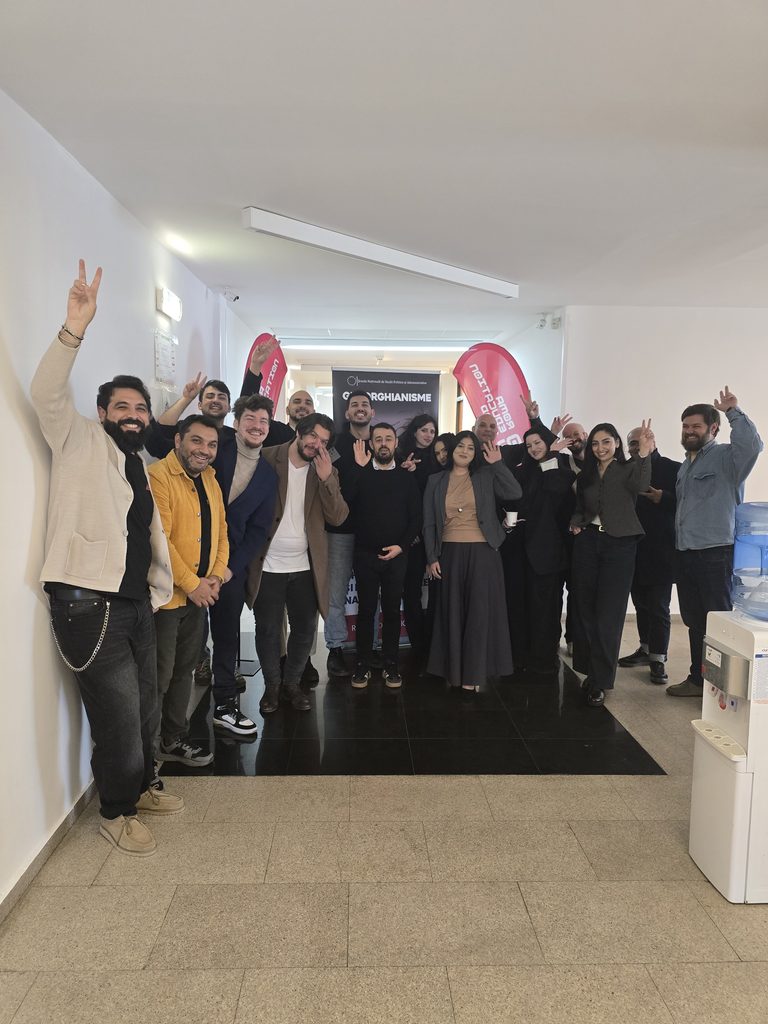
The 5th International Scientific Conference on Gheorghianism (Nicolae Gheorghe’s Doctrine) and the Foundations of the Roma Nation Brings Together Researchers from Romania and Abroad
Bucharest, November 9, 2026
The 5th edition of the International Scientific Conference Gheorghianism and the Foundations of the Roma Nation took place on November 6-7, 2026, bringing together researchers, historians, academics and experts from Romania and abroad to explore Roma history, identity, culture and contemporary social challenges.
The conference was organised by Roma Education Fund Romania, together with the National University of Political Studies and Public Administration (SNSPA) in Bucharest in partnership with Centre for Roma Studies, within the Faculty of History at the University of Bucharest.
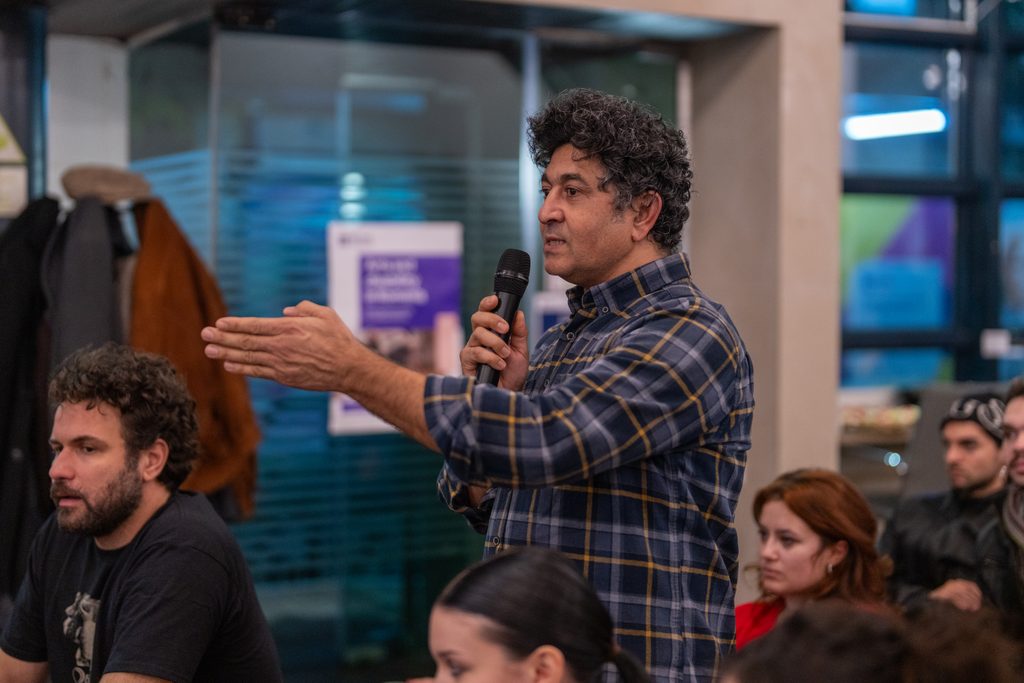
The opening event took place at the British Council Hub in Bucharest and featured a public debate entitled “Roma: Music and Identity”, bringing together Valentin Negoi, Bogdan Simion, Mariana Sandu and Cristinel Roman for a discussion on music, identity and stereotypes.
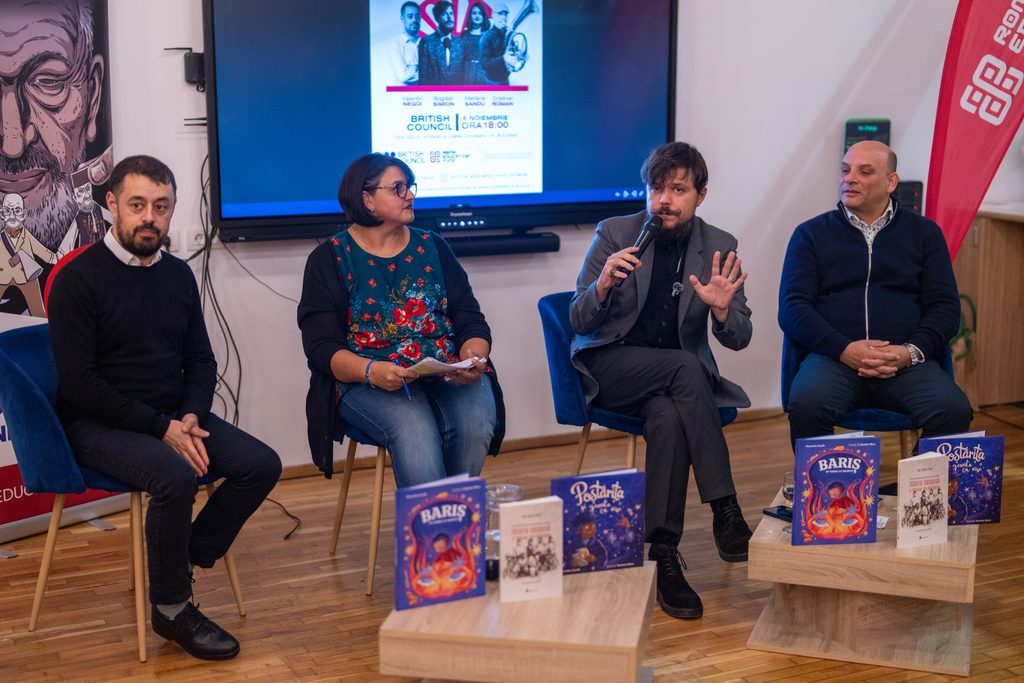
The event began with a brief address by Ciprian Necula, chair of REF, who reflected on the work and legacy of Vasile Ionescu, the Roma activist and intellectual who recently passed away. The participants observed a moment of silence in his memory.
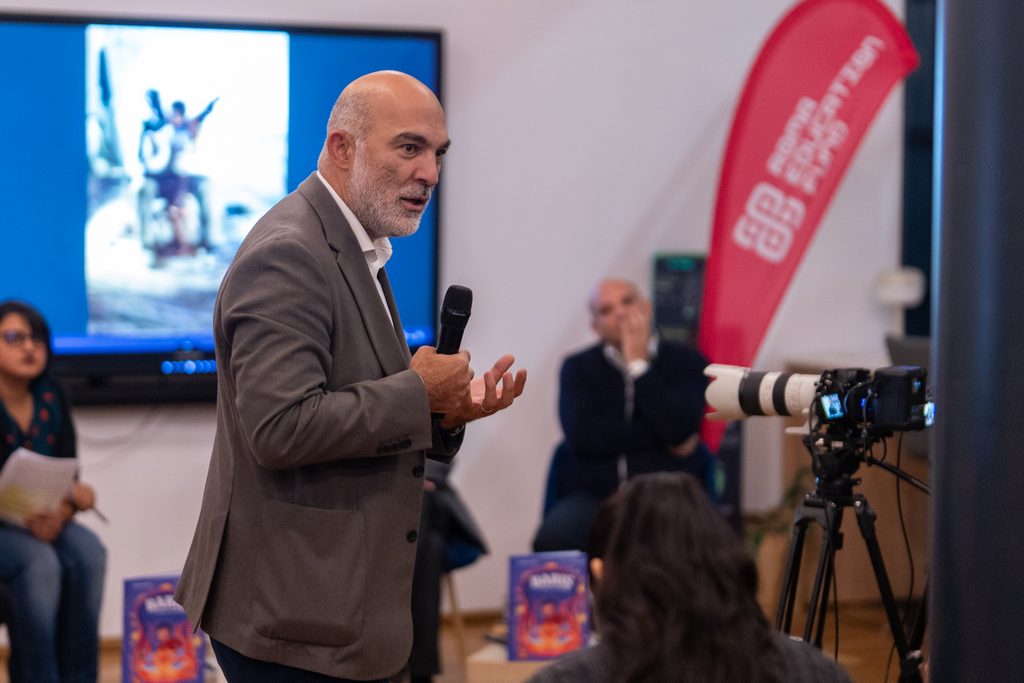
One of the central questions explored during the debate was whether “Roma have music in their blood”. The panellists examined the origins and implications of this widespread perception, discussing the relationship between Roma identity, musical traditions, cultural heritage and the stereotypes that continue to shape how Roma communities are perceived.
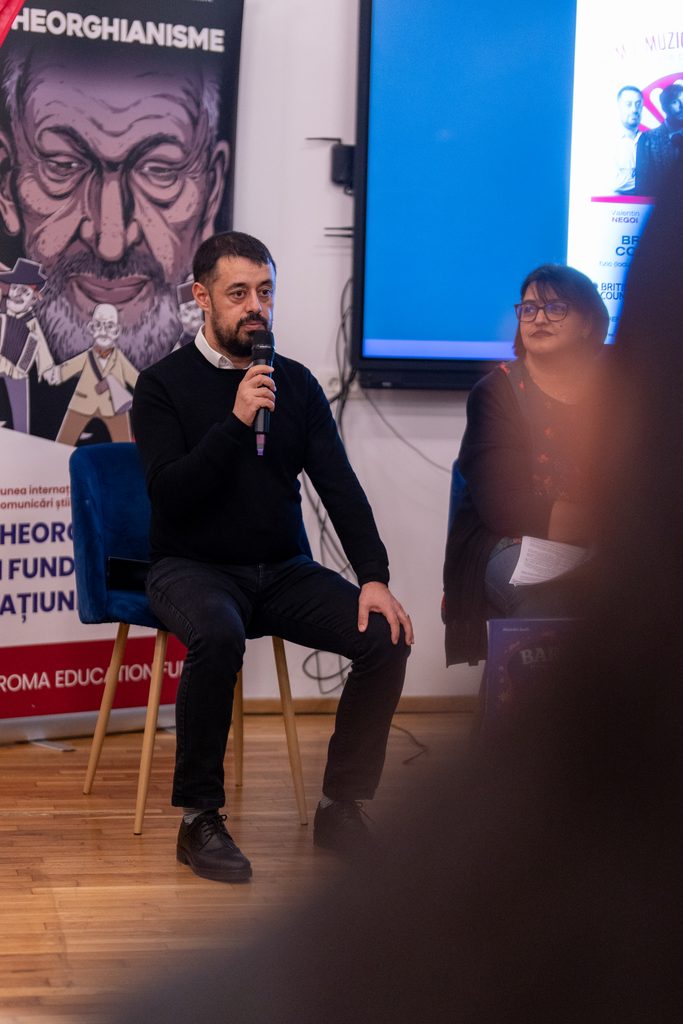


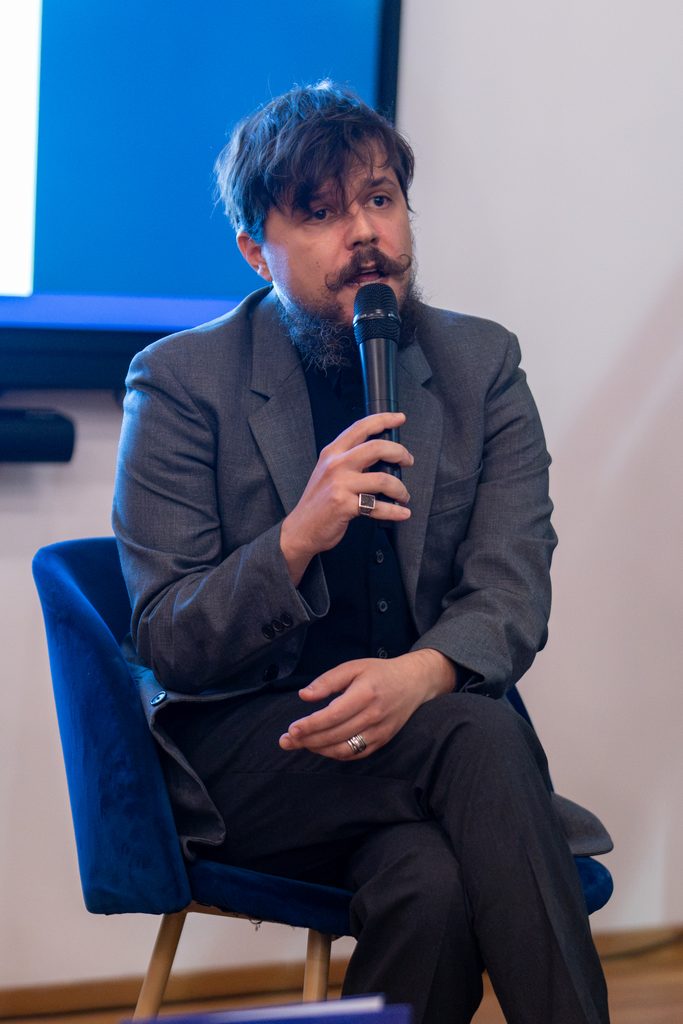
The discussion also addressed Nicolae Gheorghe’s perspective on this subject, encouraging a critical reflection on the way Roma culture is represented and understood. The conversation continued with an interactive Q&A session, involving members of the audience and providing an opportunity for further exchange of ideas.
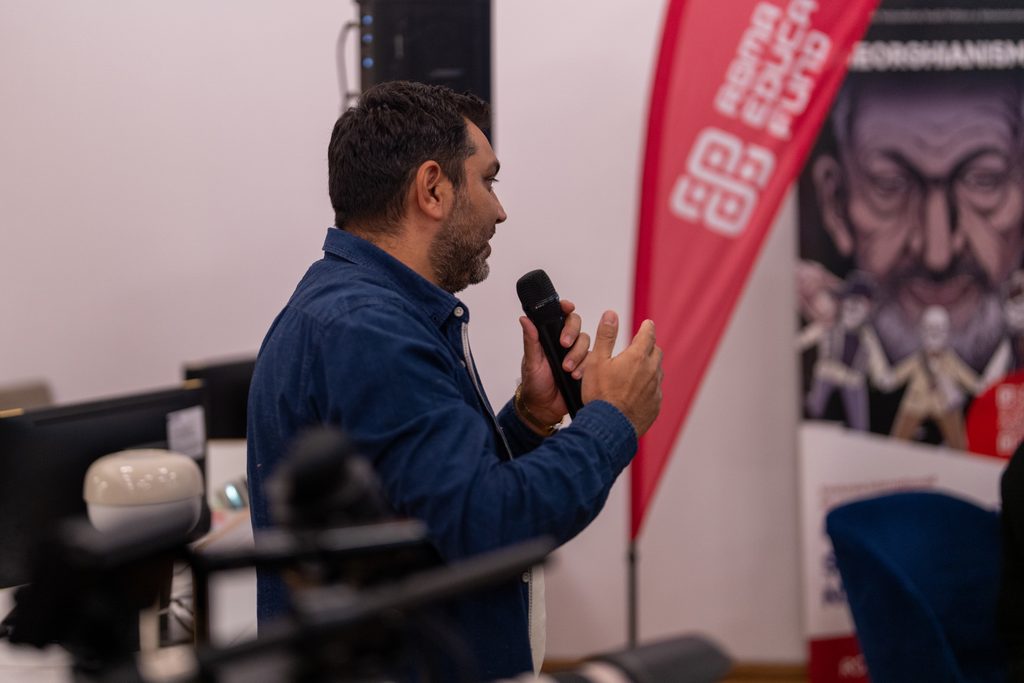

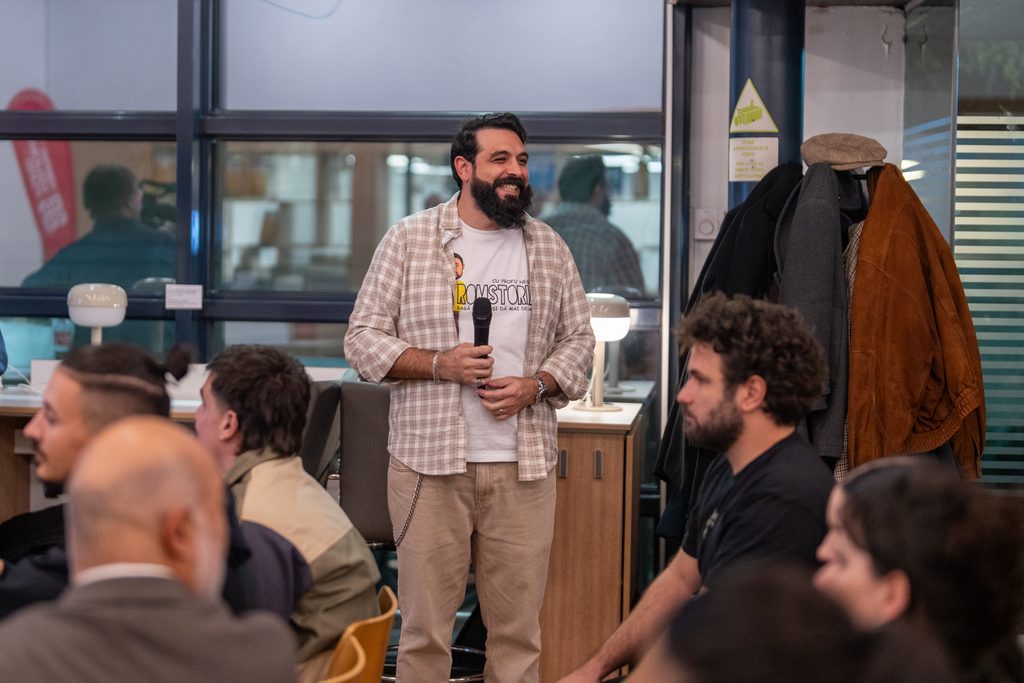
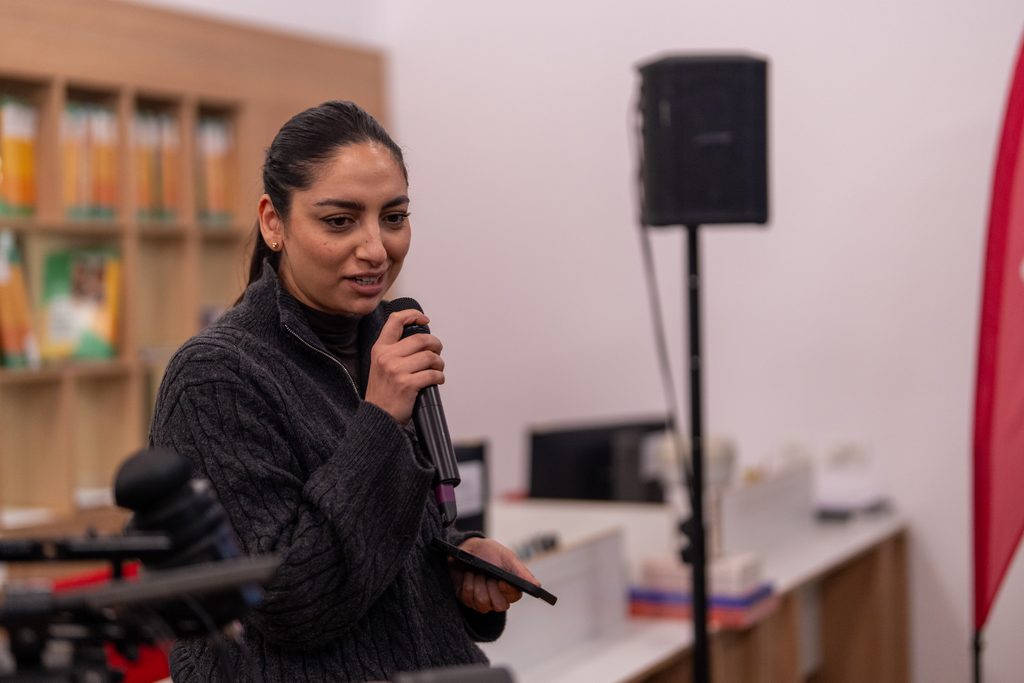
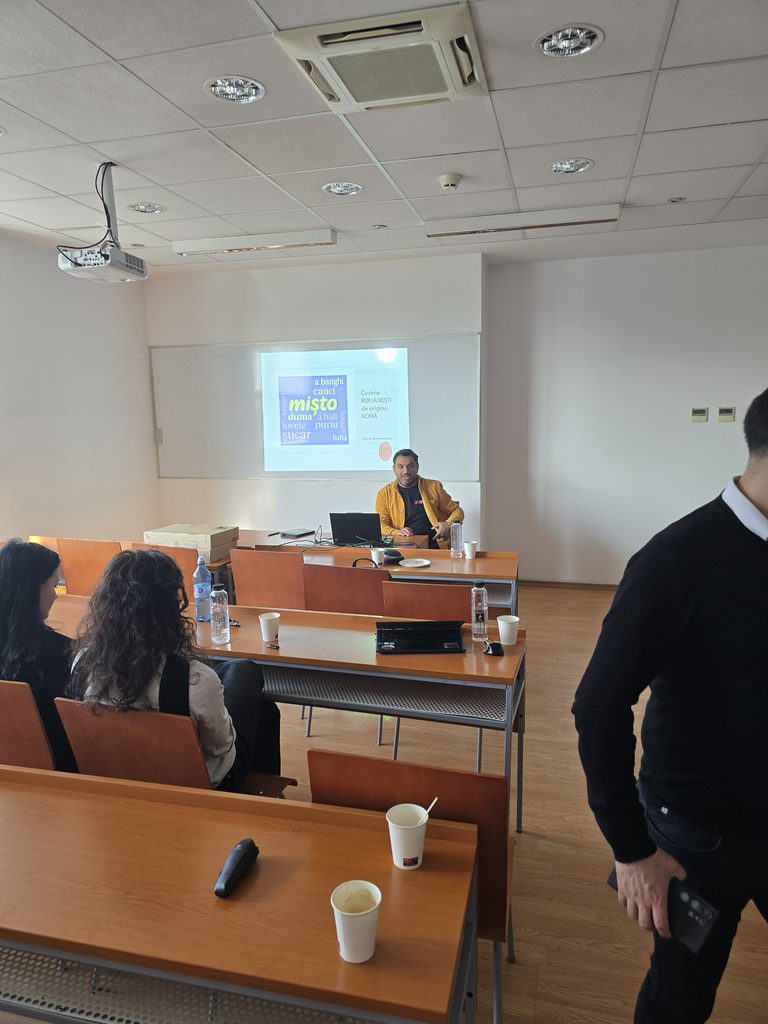
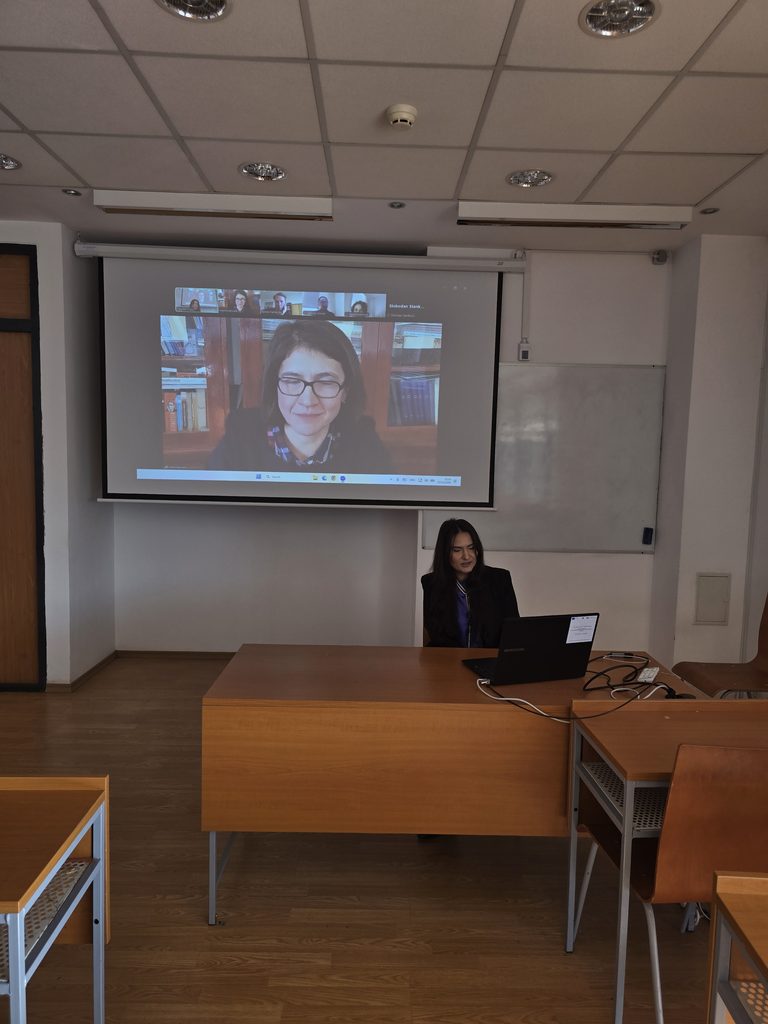
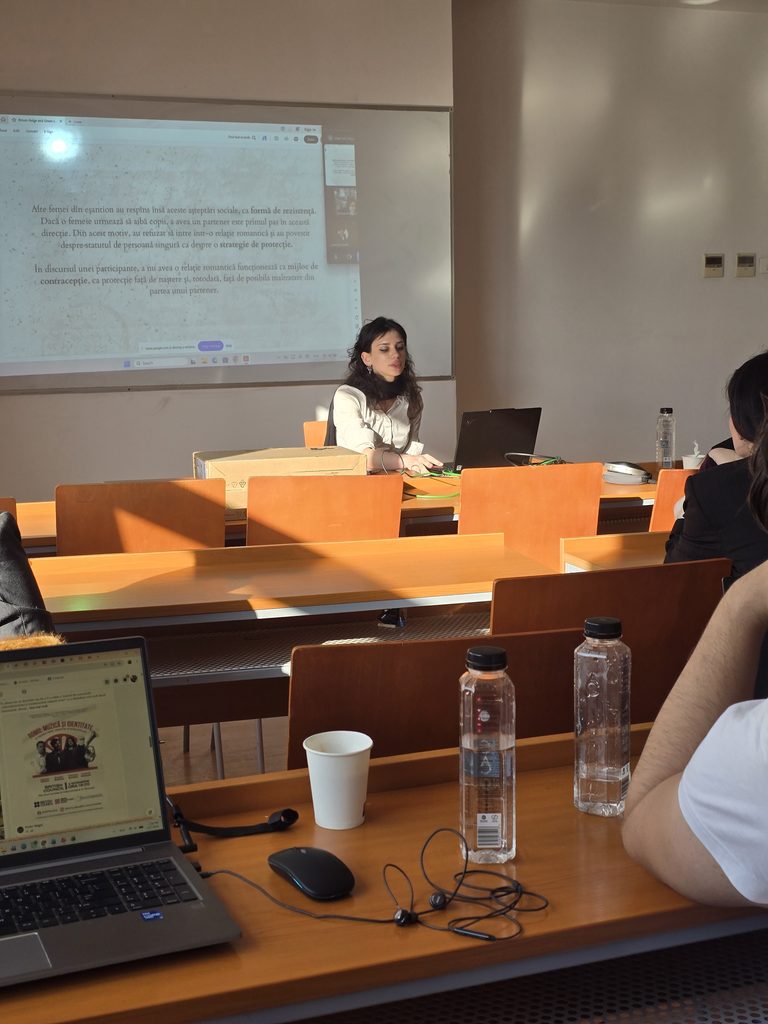
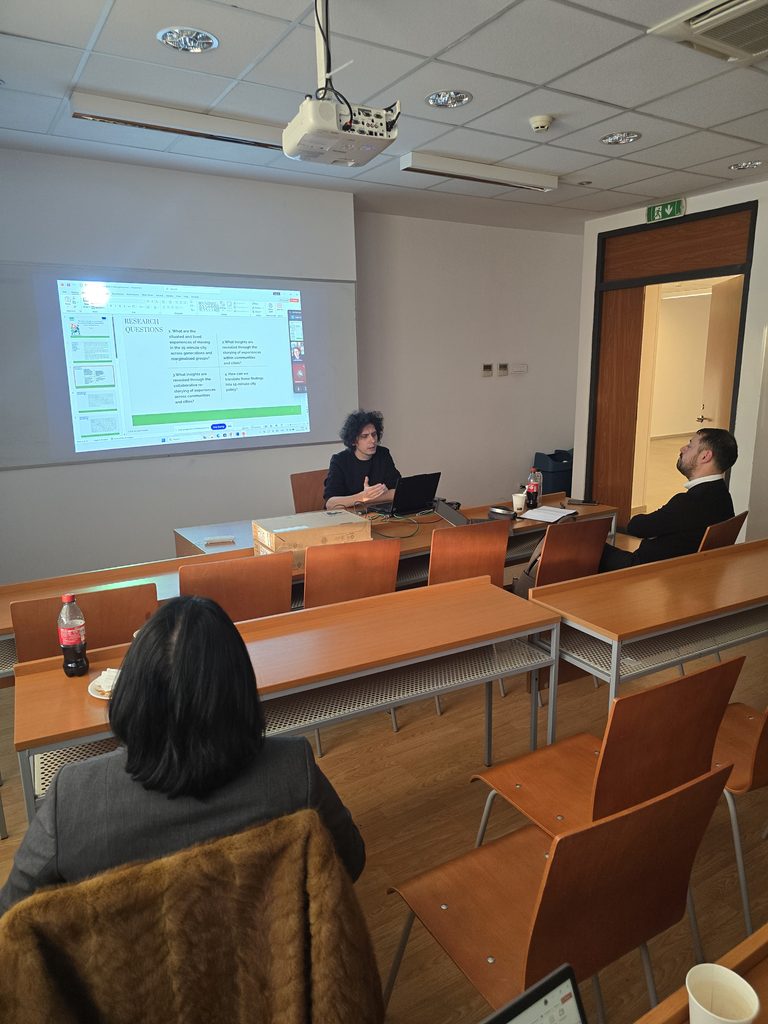
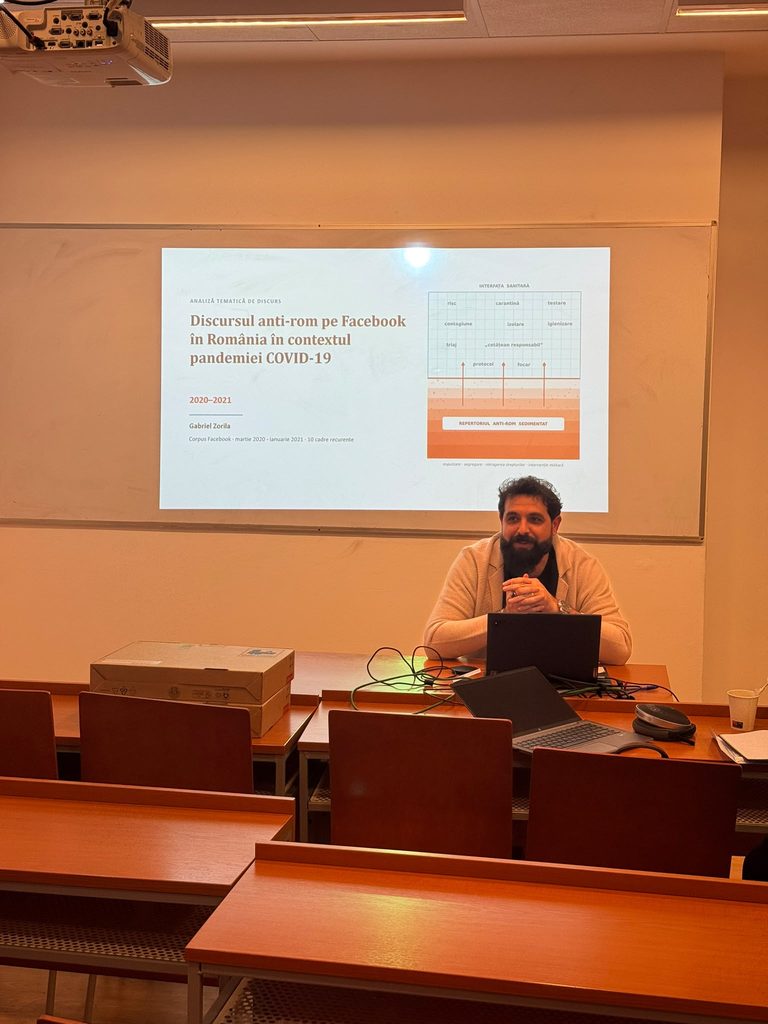
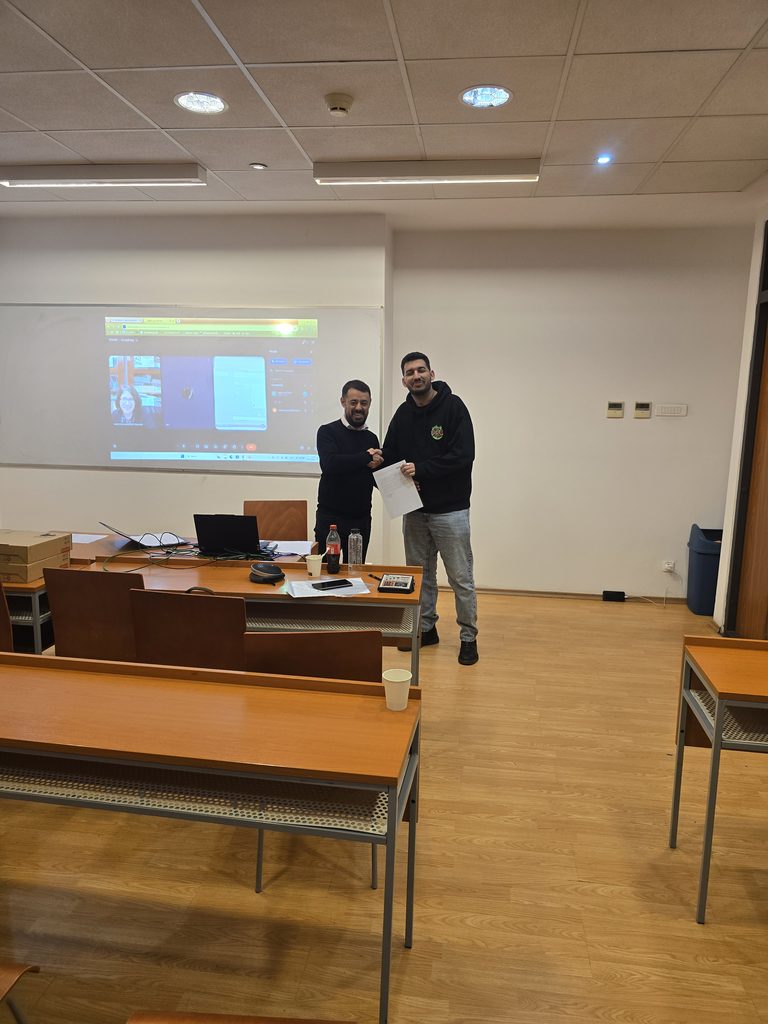
The second day of the conference took place at the National University of Political Studies and Public Administration (SNSPA), where researchers, historians and specialists from Romania and abroad presented their work in two academic panels, held both in person and online.
The presentations explored a wide range of topics, contributing to a deeper understanding of Roma history, identity, culture, education, social inclusion, representation and contemporary challenges.
The academic programme included the following contributions:
Adrian Nicolae Furtuna and Luiza Medeleanu – Department of Hungarian, Jewish and Romani Studies, University of Bucharest
“I Once Had a Large Family”: Romani Literature and the Holocaust
Fernando Varga – Babeș-Bolyai University, Cluj-Napoca
Roma Access to Higher Education in Romania: Educational Trajectories of Roma Students
Andrei Ștefan Ghimisi – Research Institute for Quality of Life
From Classical Social Exclusion to Emerging Vulnerabilities
Florin Varga and Anca-Maria Ciolpan – Faculty of Sociology and Social Work, Babeș-Bolyai University
Social Inequalities and Access to Cancer Care: The Experiences of Roma Patients from the Pata-Rât Community, Cluj Metropolitan Area (online)
Alexandru Zamfir – Department of Hungarian, Jewish and Romani Studies, University of Bucharest
Romani Words of Romani Origin
Larisa-Mihaela Voica – Faculty of Sociology and Social Work, University of Bucharest
Who Speaks on Behalf of the Roma Woman? Exoticisation and Representation in Romanian Culture
Olga Maria Niculae and Beatrice-Andreea Tănase – Faculty of Psychology and Educational Sciences, University of Bucharest
Between Impurity and Salvation: The Female Experience in Traditional Romani Culture
Alexandru Stan – Roma Education Fund
Informal Credit in the Flower Trade at George Coșbuc Market: Between a Community Survival Strategy and Maussian Gift Exchange
Andreea-Florina Memet – Doctoral School of Social Work, University of Bucharest
From the Principles of Gheorghianism to Foster Care Practice: The Role of the Community in Child Protection
Cristinel Constantin Roman – Independent Researcher
Artistic Recognition without Ethnic Recognition: Roma Brass Bands in Eastern Moldova between Cultural Policies and Identity (1949–1980)
Sebastian Țoc – Faculty of Political Science, SNSPA
“We Don’t Really Go Out”: Everyday Mobility in Marginalised Areas of Bucharest
Gabriel Zorilă – Roma Education Fund Romania
Anti-Roma Discourse on Facebook in Romania in the Context of the COVID-19 Pandemic
Ioan Valentin Negoi – Roma Education Fund Romania
The Situation of Nomadic Roma in Ilfov County
Rimjhim Sinha – Sampurnanand Sanskrit University
Roma Women, Cultural Identity and the Politics of Representation: Dance as a Living Tradition
Zameer Anwar – Indian Council for International Cooperation
Roma’s Exodus from India: Causes, Chronology and Cradle
Ioana Sorana Lungu – Université Sorbonne Paris Nord
Hypotheses for a Psychoanalytic Reading of Historical Transgenerational Trauma in the Roma Population of Romania
Tamás Attila Hajnáczky – Archiepiscopal College of Veszprém, Hungary
The Life and Work of the Most Prominent Roma Activist in Interwar Hungary
Manuela Marin – George Barițiu Institute of History, Romanian Academy, Cluj-Napoca Branch
Gypsy Churches and the Communist Regime in Romania
Rada Krstanovic and Slobodan Stankovic – University of Belgrade
Who Makes the Field? Positionality, Access and Knowledge Production in Anthropological Research with Roma
Alice Didu – University of Craiova, Romania
Slavery Remains in Roma Social Practices and Letting Them Define Us – Taking Back and Redefining Our Culture
Sandro Estevão Rista – Federal University of Rio Grande, Brazil
Orality, Memory, and Romani Identity in Brazil: Public Policies, Invisibility, and the Production of Knowledge
Nikoleta Zampaki – University of Information Technology and Management, Poland
Trauma, Identity, and Resistance in Romani Poetry: Georgia Kalpazidou’s Me Sem
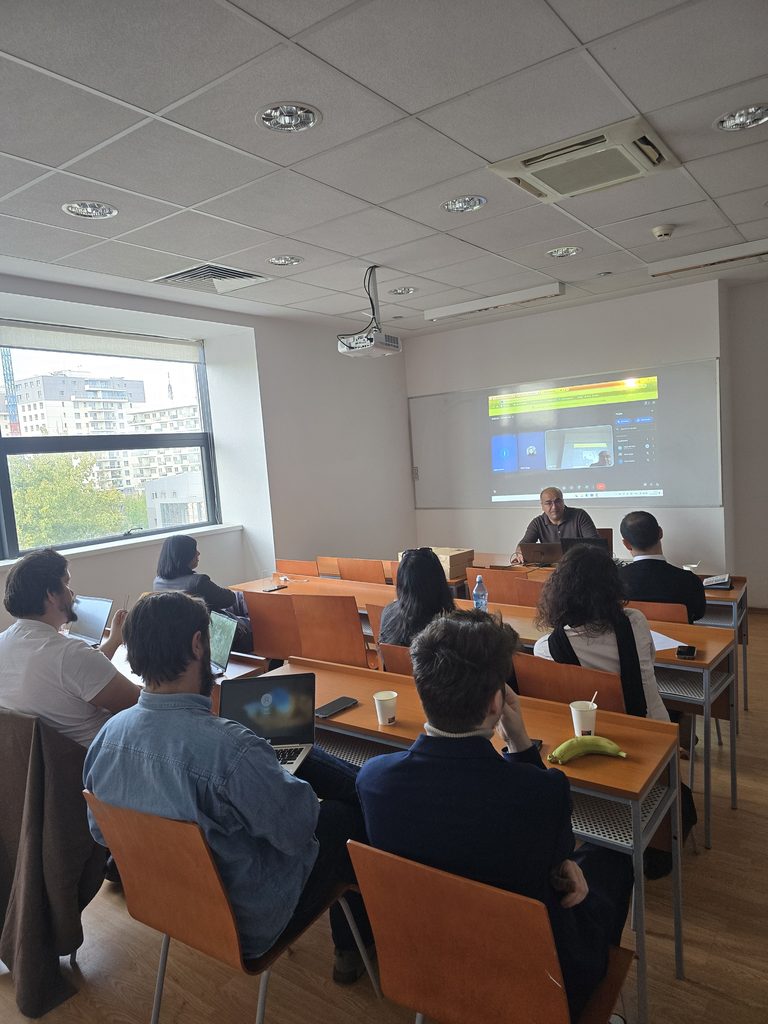
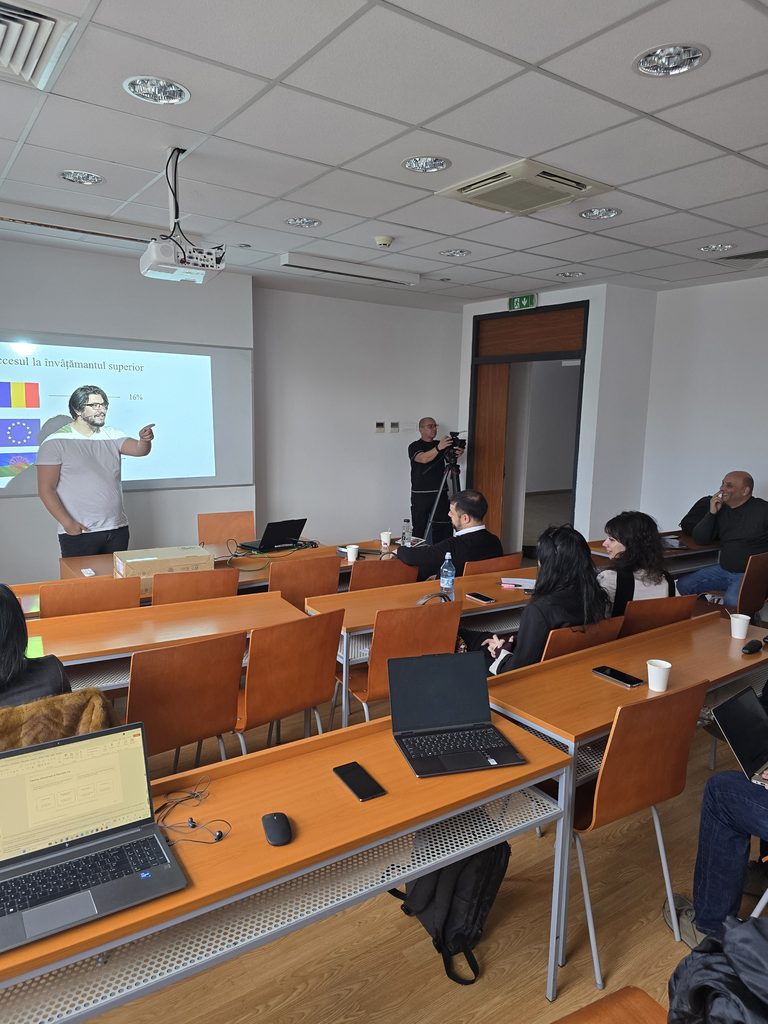
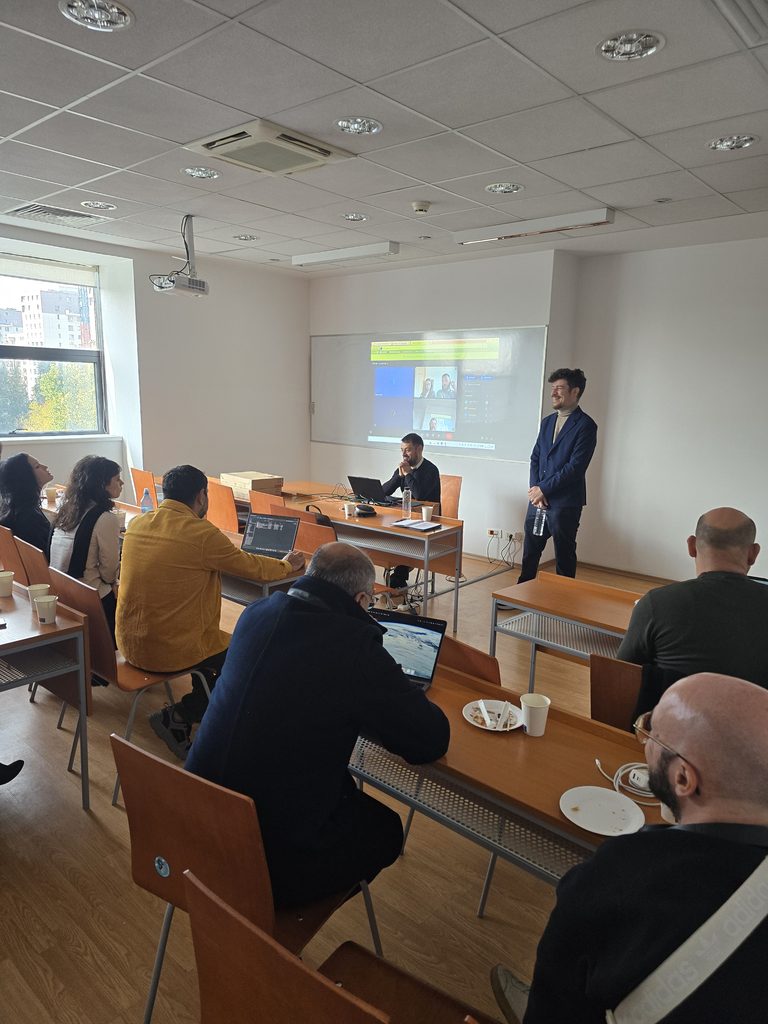
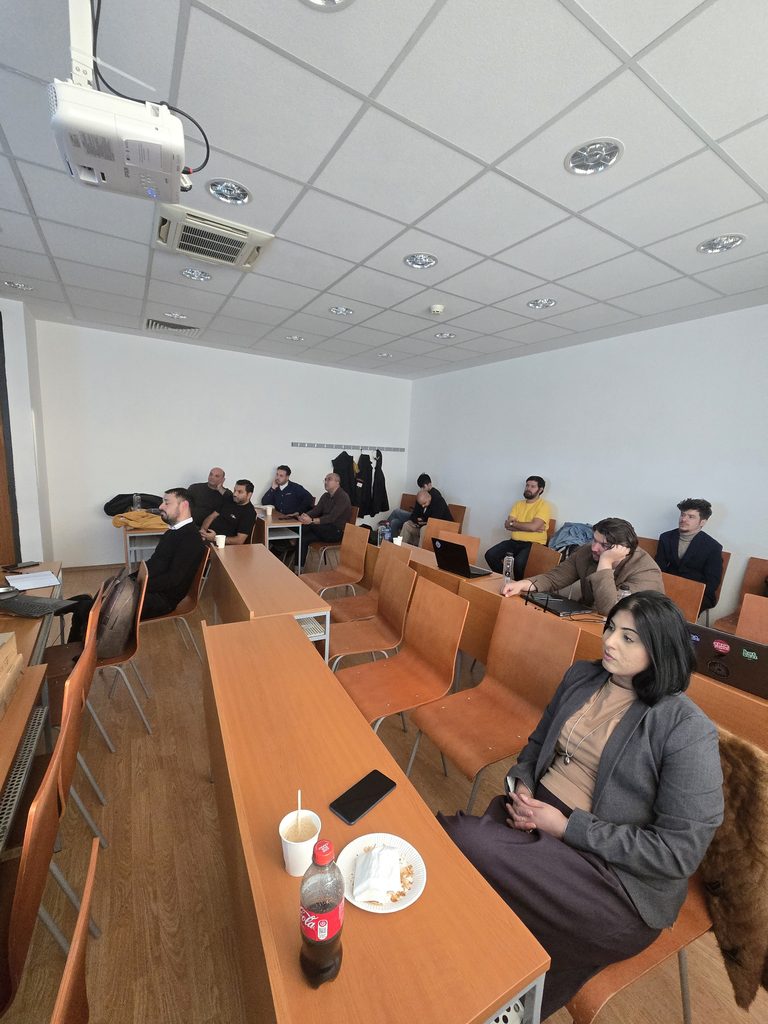
The fifth edition of the conference reaffirmed the importance of academic research, critical dialogue and interdisciplinary collaboration in advancing Roma studies and strengthening the understanding of Roma history, identity and culture.
By bringing together researchers from different academic backgrounds and countries, the conference provided a space for exchanging knowledge, challenging established narratives and exploring new perspectives on the past and present of Roma communities.
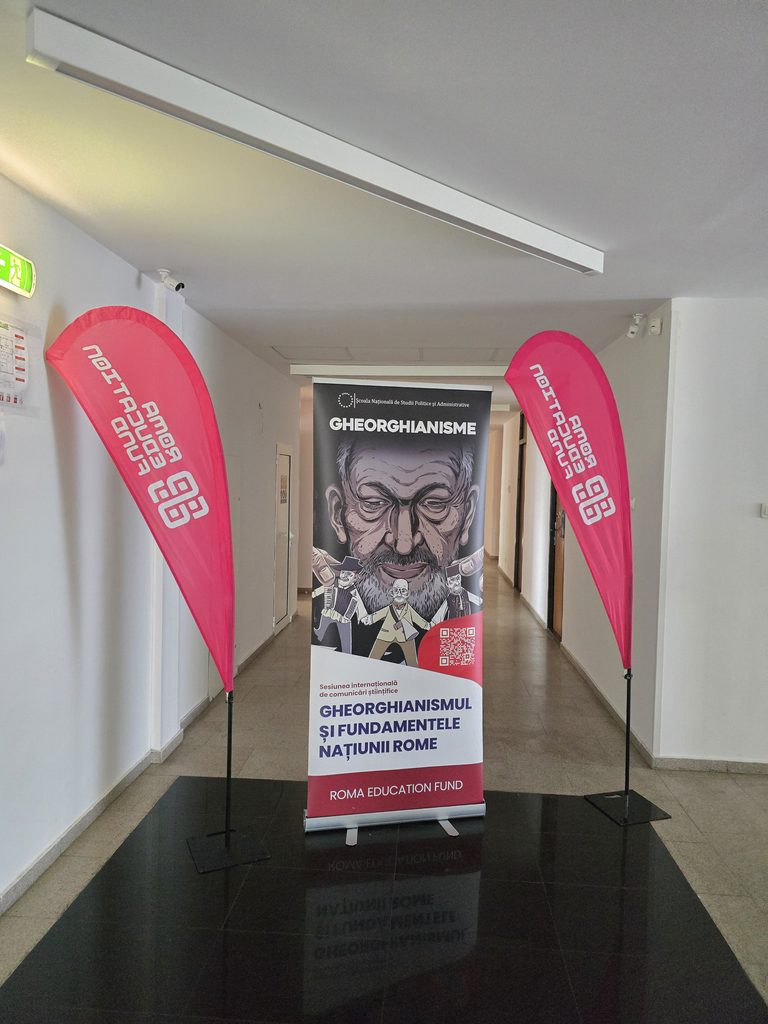
Through this annual initiative, Roma Education Fund Romania and its academic partners remain committed to supporting research, promoting Roma voices and contributing to a more comprehensive understanding of Roma history and contemporary realities, also highlighting the continuing relevance of Nicolae Gheorghe’s intellectual legacy and his contribution to the development of Roma studies, civic participation and the understanding of Roma identity and collective belonging.