Unlocking Roma Economic Potential | REF Intensifies Employment Partnerships across Serbia
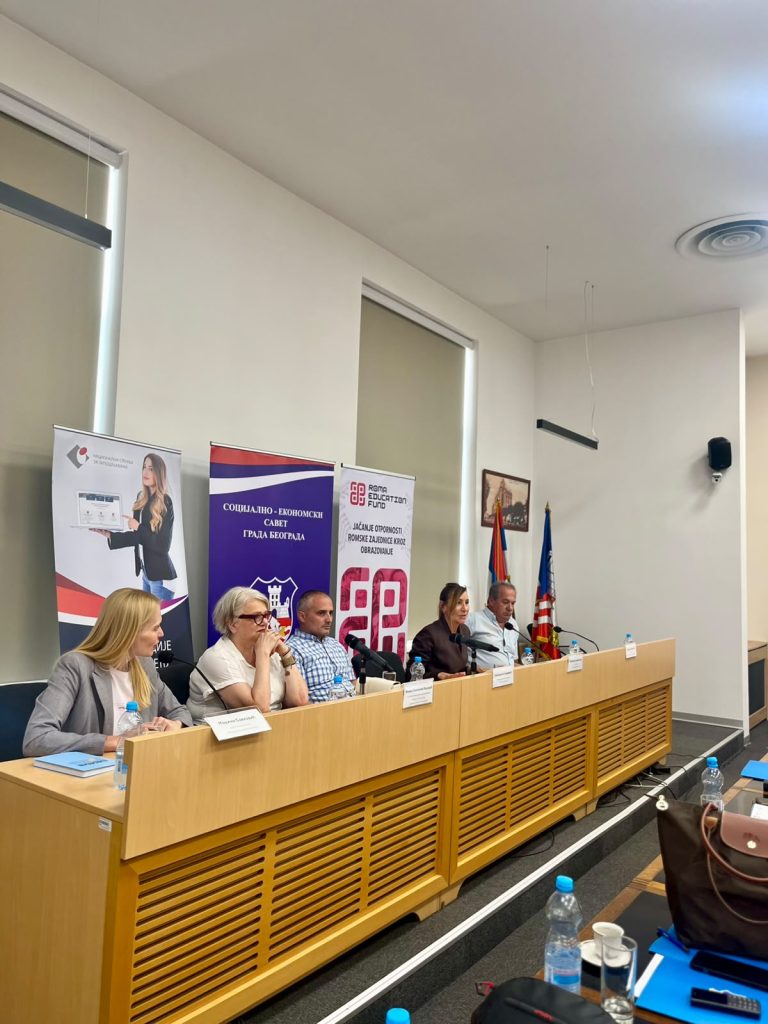
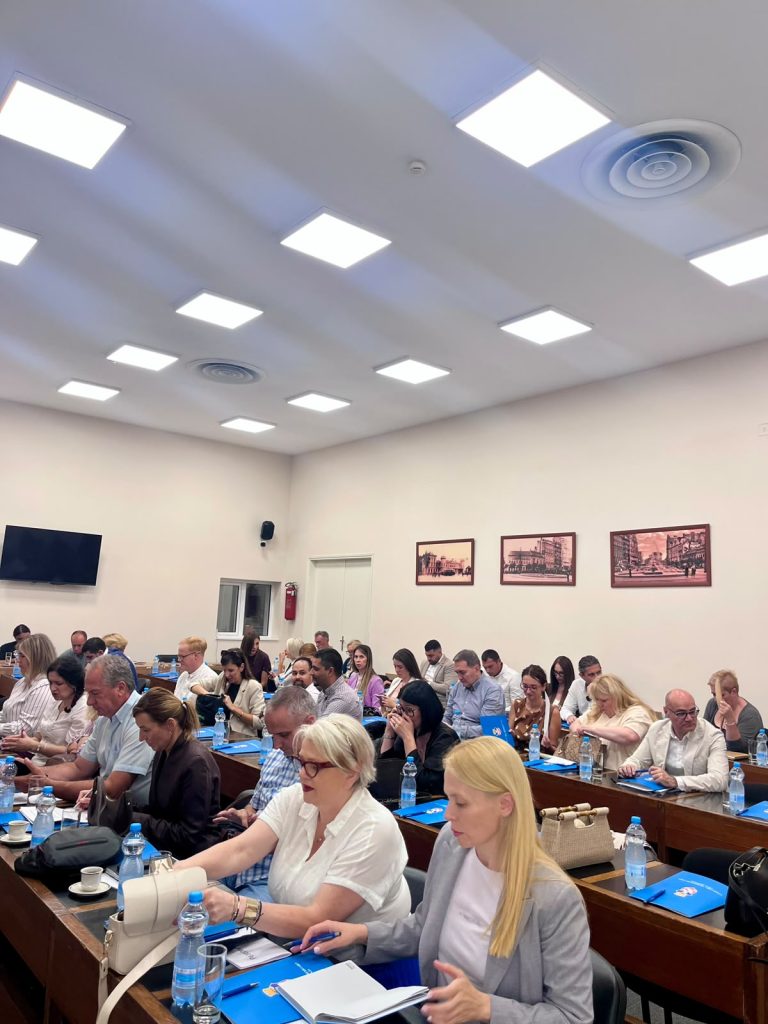
Representatives of public institutions, employers, trade unions, and civil society gathered on June 3rd at the Belgrade City Assembly for a roundtable dedicated to one of the most important challenges facing the labour market: improving employment opportunities for jobseekers facing multiple barriers to labour market participation, including Roma women and men.
The event was organized by Roma Education Fund Serbia in cooperation with the Socio-Economic Council of the City of Belgrade, the National Employment Service, Belgrade Branch, and the Centre for Social Work, bringing together key stakeholders committed to creating a more inclusive and responsive labour market.
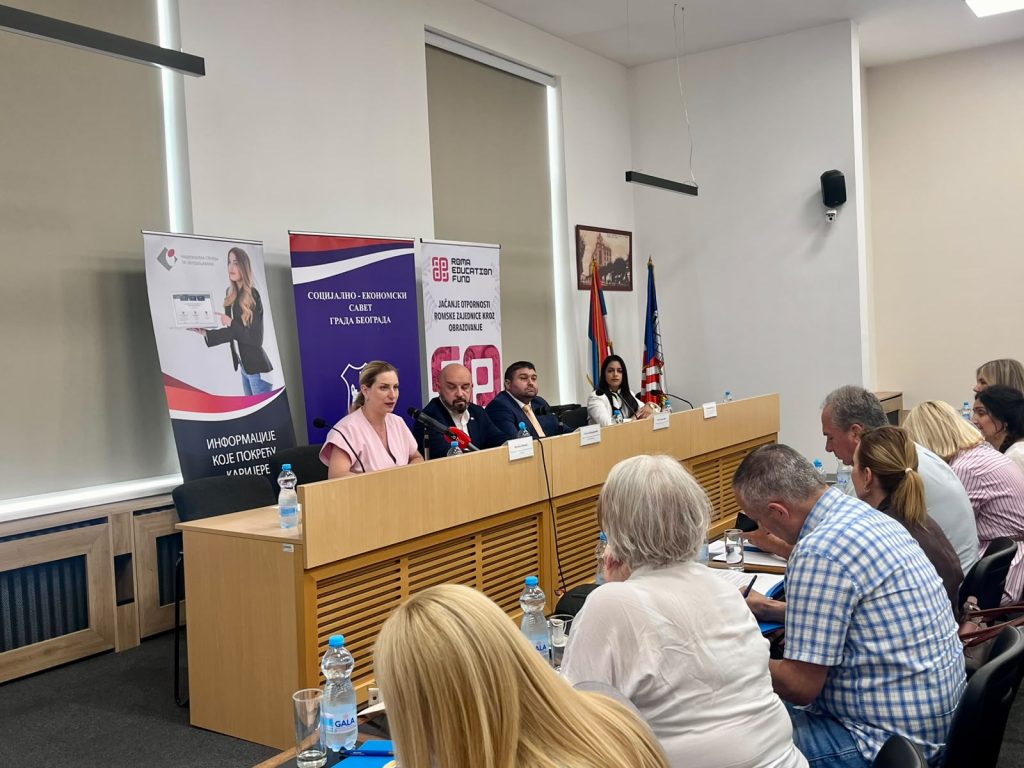
The roundtable was opened by Srđan Srbljanović, Assistant Minister for Human and Minority Rights and Social Dialogue, Igor Jovanović, Deputy President of the Belgrade City Assembly, Violeta Filip, Member of the Belgrade City Council, and Marijana Rakić, Public Relations Officer at Roma Education Fund.
Addressing participants, Srđan Srbljanović emphasized the importance of coordinated action among institutions, employers, and civil society in tackling barriers to employment.
“Access to the labour market remains challenging for certain vulnerable groups. The barriers they face may be economic, social, or educational in nature, but they can also stem from prejudice and discrimination. This is why it is essential for institutions, local governments, employment services, employers, trade unions, and civil society organizations to work together.”
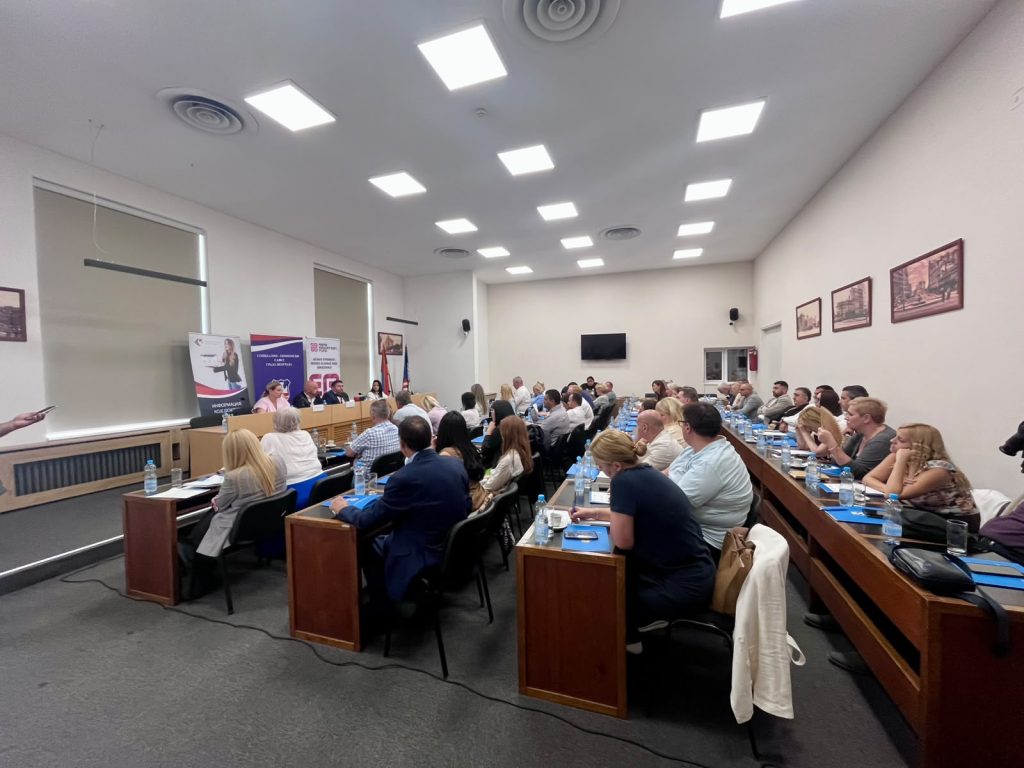
Speaking about the role of the city in creating opportunities for all citizens, Igor Jovanović highlighted that sustainable development must go hand in hand with inclusion.
“Belgrade is a city that continues to grow and attract investment, but our success will not be measured solely by the number of investments or new developments. It will also be measured by how well we provide opportunities to those who need them the most.”
For REF, this discussion forms part of a broader effort to strengthen pathways between education, skills development, and employment. Through its strategic pillar Skills & Employment, the organization works to connect Roma communities, institutions, employers, and education providers around a shared objective: creating sustainable opportunities for economic participation and long-term prosperity for Roma communties.
“For years, the Roma Education Fund has been actively building bridges between Roma communities, the education system, the labour market, and institutions. Today’s meeting is an opportunity to better understand the needs of employers and the labour market, while jointly contributing to the development of qualified professionals who are prepared to meet those needs,” said Marijana Rakić.
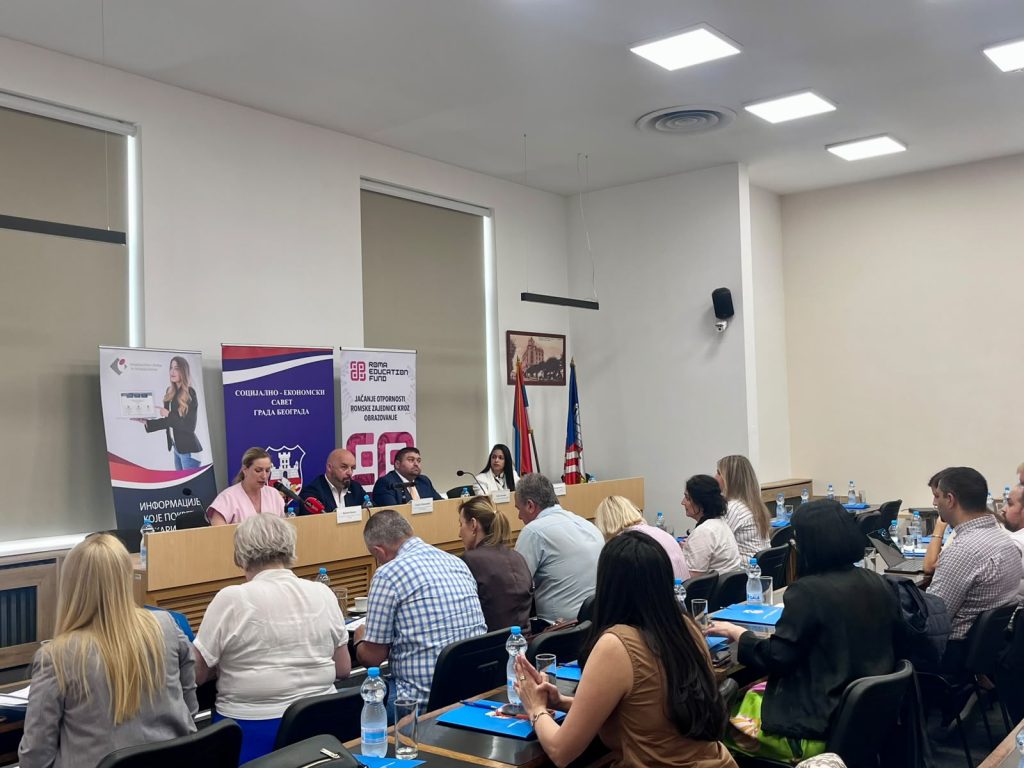
The discussion continued with a panel moderated by Marina Savković, Director of REF’s Skills and Employment Programs, featuring representatives of institutions and organizations that play a key role in shaping labour market opportunities and employment policies.
Panelists included Željka Zelenović Vuković, Head of the Employer Relations Department at the National Employment Service – Belgrade Branch, Svetlana Budimčević, Acting Director of the Serbian Employers’ Union, Dragan Todorović, President of the Confederation of Autonomous Trade Unions of Belgrade, and Nemanja Antonijević, Head of the Surčin Department of the Centre for Social Work.
The Belgrade roundtable also builds on a series of recent initiatives through which REF has intensified its activities across Serbia under the Skills & Employment pillar.
In May, REF and the Serbian Employers Association launched a strategic partnership aimed at strengthening Roma workforce participation through vocational training, workforce preparation, employment mediation, mentorship, and long-term job retention support. The partnership reflects a shared commitment to creating practical employer-driven pathways into the labour market while responding to growing workforce needs across the country. REF has also expanded cooperation with municipalities, employers, and employment services. In Kragujevac, recent employment initiatives demonstrated the value of coordinated action, connecting jobseekers, institutions, and employers while creating new opportunities for skills development and workforce integration.
Together, these efforts contribute to a larger vision. Across Serbia and the Western Balkans, employers face labour shortages, demographic decline, and increasing demand for skilled workers. At the same time, Roma communities represent one of the youngest and most underutilized sources of talent in the region.
REF believes that Roma inclusion is a strategic investment in economic growth, competitiveness, and resilience. Unlocking Roma economic potential requires more than individual projects. It requires systems that connect education, skills, employers, institutions, and communities in ways that create lasting opportunities.
The discussion in Belgrade represents another important step in REF’s efforts to strengthen Roma participation in the labour market. By bringing together decision-makers, employers, employment services, trade unions, and civil society organizations, the event reinforced a shared commitment to creating practical pathways that connect Roma talent with employment opportunities.
We extend our sincere thanks to all participants for their openness, expertise, and commitment to working together.