
More than 250 Roma Students Supported Through RARE II Project in Montenegro
Podgorica, Montenegro – June 2, 2026 | The Roma Education Fund (REF) participated in the closing event of activities implemented in Montenegro by HELP Montenegro and the Parents Association under the project EU Regional Action for Roma Education: Increased Education Support and Opportunities for Roma Students in the Western Balkans and Türkiye (RARE) Phase II (RARE II). Funded by the European Union through Directorate-General for Enlargement and Eastern Neighbourhood (DG ENEST) and implemented by the Roma Education Fund Serbia and Romania, the project supports increased educational opportunities and inclusion for Roma students across the Western Balkans and Türkiye.
Over the past two academic years, the project has provided comprehensive educational support to more than 250 Roma children and young people across Montenegro. Through scholarships, learning materials, paid internship opportunities, and the support of local volunteers, facilitators, and educators, the initiative helped strengthen learning outcomes, improve literacy, and support the development of essential skills for educational and professional success.
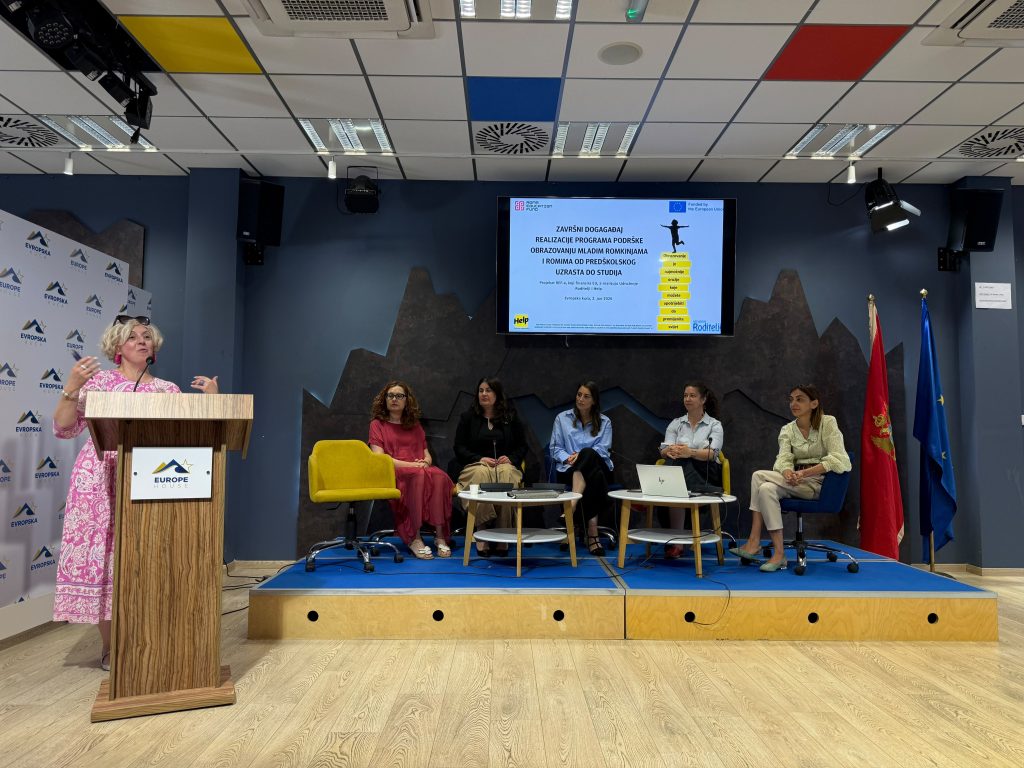
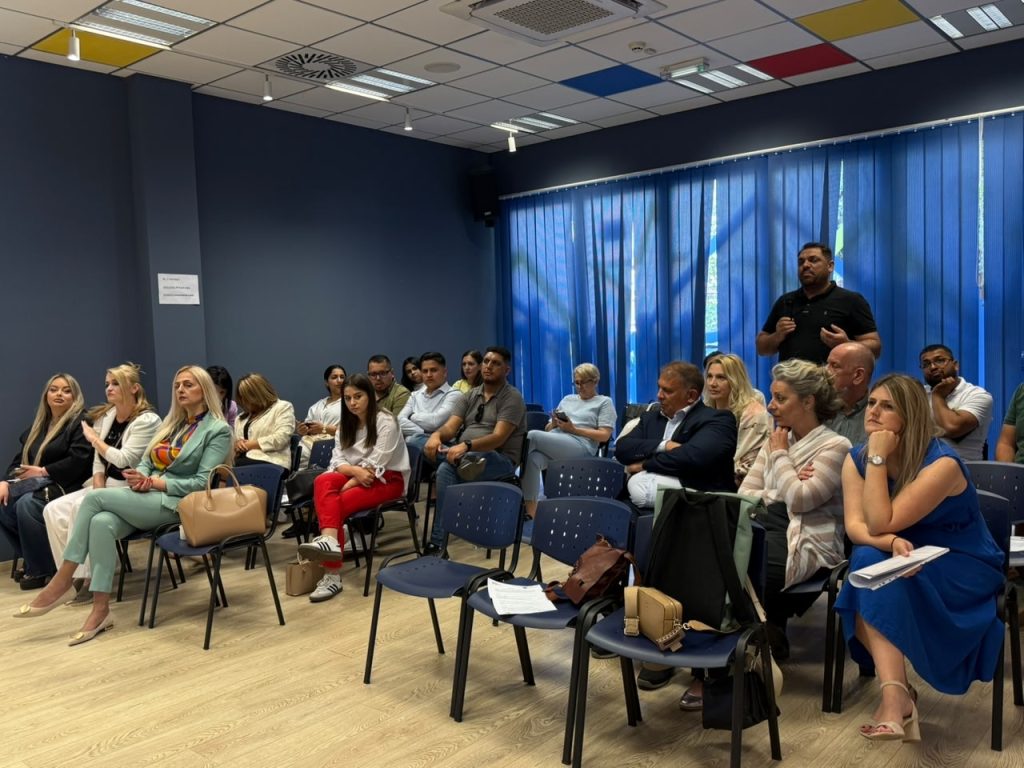
The closing event, held at the European House in Podgorica, brought together representatives of public institutions, civil society organizations, educators, and development partners committed to advancing the educational inclusion of Roma children and youth in Montenegro. The gathering provided an opportunity to reflect on the project’s achievements, share lessons learned, and discuss ways to sustain and further strengthen support mechanisms for Roma students within the education system.
Addressing participants at the event, Ms. Mladenka Tešić, representative of the European Union Delegation to Montenegro, emphasized the importance of ensuring the sustainability of successful interventions through their integration into public systems and policies. She noted that lasting progress depends on creating institutional mechanisms capable of supporting Roma and Egyptian children and youth throughout their educational journey.
Speaking on behalf of the Roma Education Fund, Ana Duraki highlighted the commitment of local partners and frontline practitioners whose work made these results possible.
“Anyone who has had the opportunity to follow the development of this project in Montenegro over the past years can clearly see that the results we discussed today were achieved through the extraordinary dedication of the people working on the ground. Their continuous efforts supported the education of more than 250 Roma children and helped address their needs throughout the school year. Both the Roma Education Fund and the European Commission remain committed to supporting the education and employability of Roma communities in Montenegro, and we look forward to continuing this successful partnership and building on these achievements in the years ahead.”
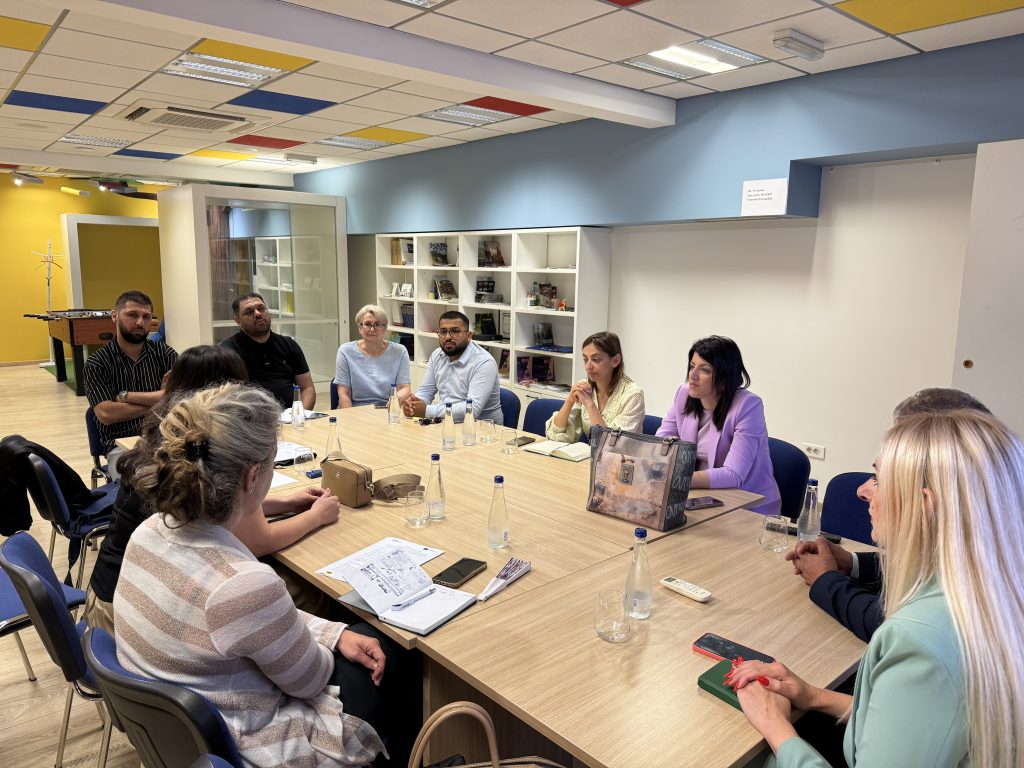
Ahead of the closing event, members of the project’s Working Group met to review progress, discuss challenges, and identify opportunities for strengthening the educational inclusion of Roma children in Montenegro. Bringing together representatives of public institutions and other relevant stakeholders, the discussion focused on the institutionalization of services and support mechanisms that have proven effective in supporting Roma students, with the goal of ensuring their long-term sustainability within the public education system.
The experience in Montenegro demonstrates that meaningful educational inclusion requires coordinated action between institutions, civil society, local communities, and development partners. However, educational inclusion cannot be viewed as an end in itself. As highlighted in REF’s recent regional policy analysis, Bridging Education and Employment: A Comprehensive Policy Analysis of VET Pathways for Roma Youth in the Western Balkans and Türkiye, Roma youth continue to face significant barriers when transitioning from education to employment, despite progress in access to education. The study, which examined seven countries across the region, underscores the need for integrated approaches that connect educational support, skills development, and labour market opportunities, while strengthening the systems that enable Roma young people to successfully navigate this pathway. The Roma Education Fund remains committed to advancing both educational achievement and employability, supporting Roma children and youth build the knowledge, skills, and opportunities needed to thrive in the future

