
RARE II Project Closing Event in Skopje Highlights Four Years of Impact on Roma Education
Skopje, North Macedonia, November 19, 2026
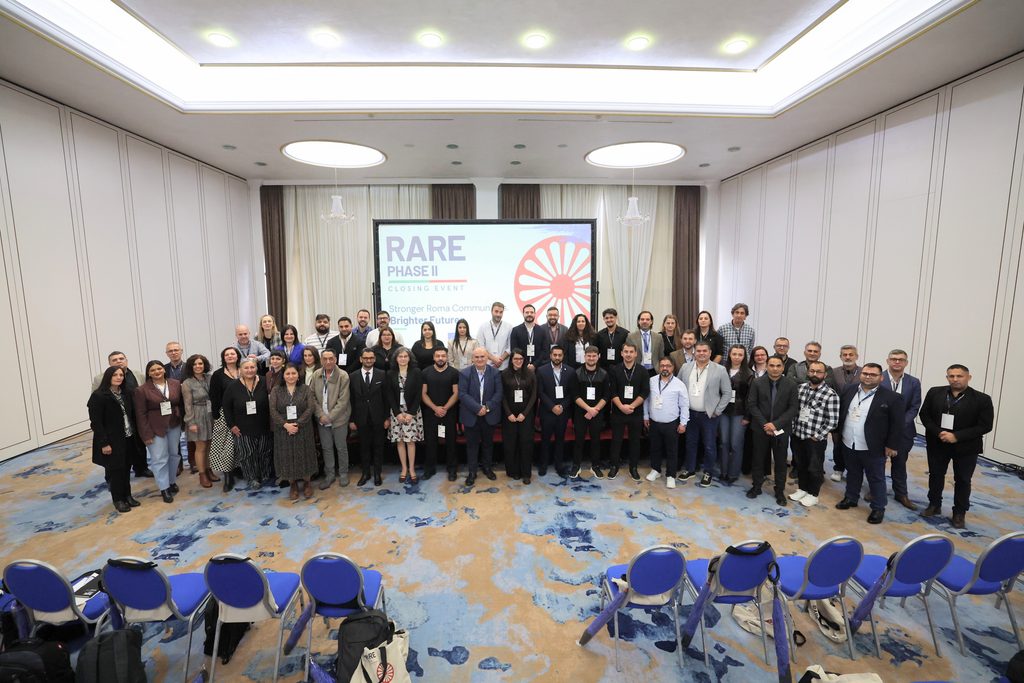
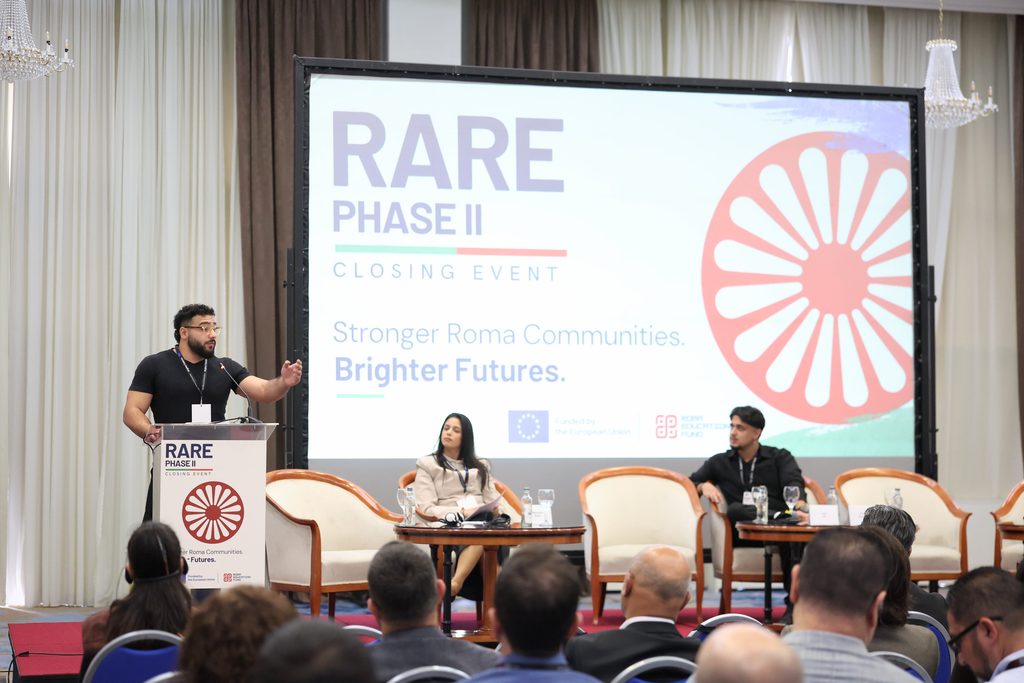
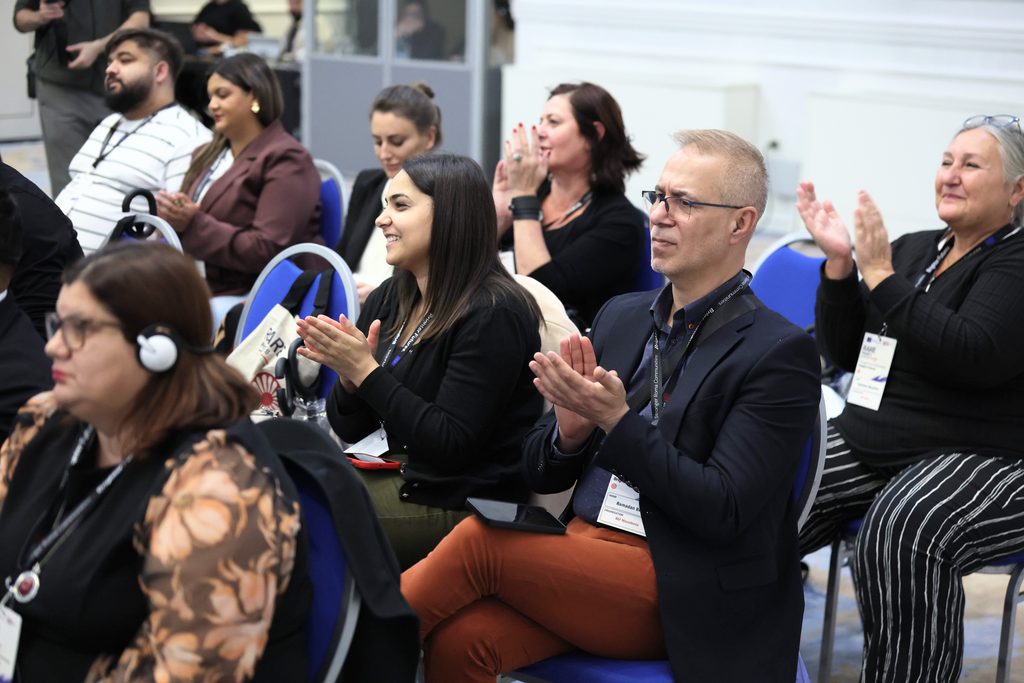
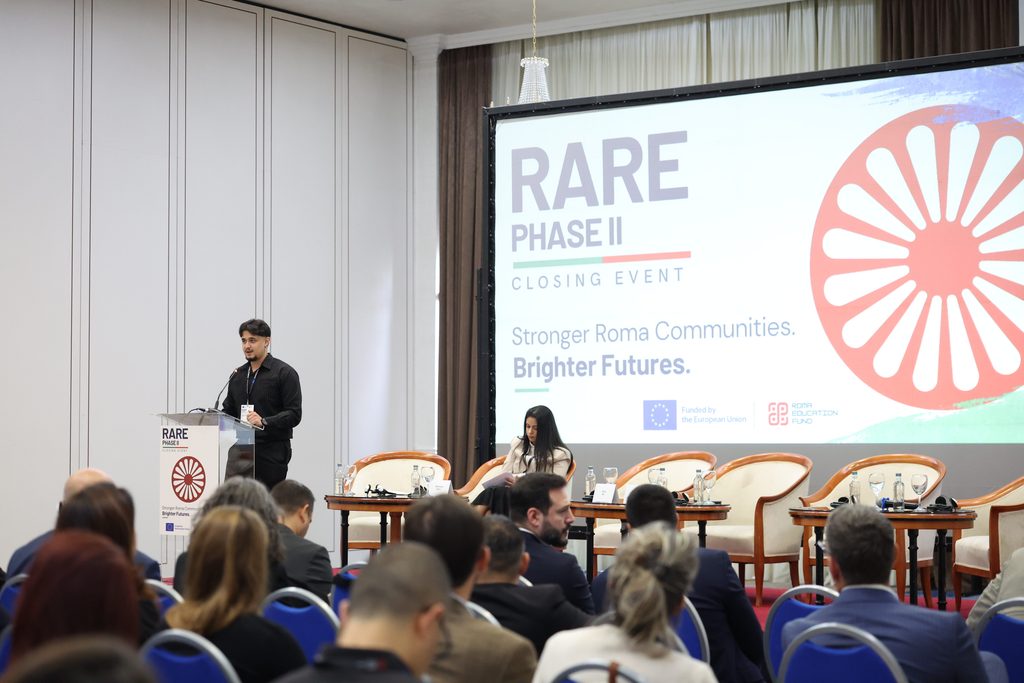
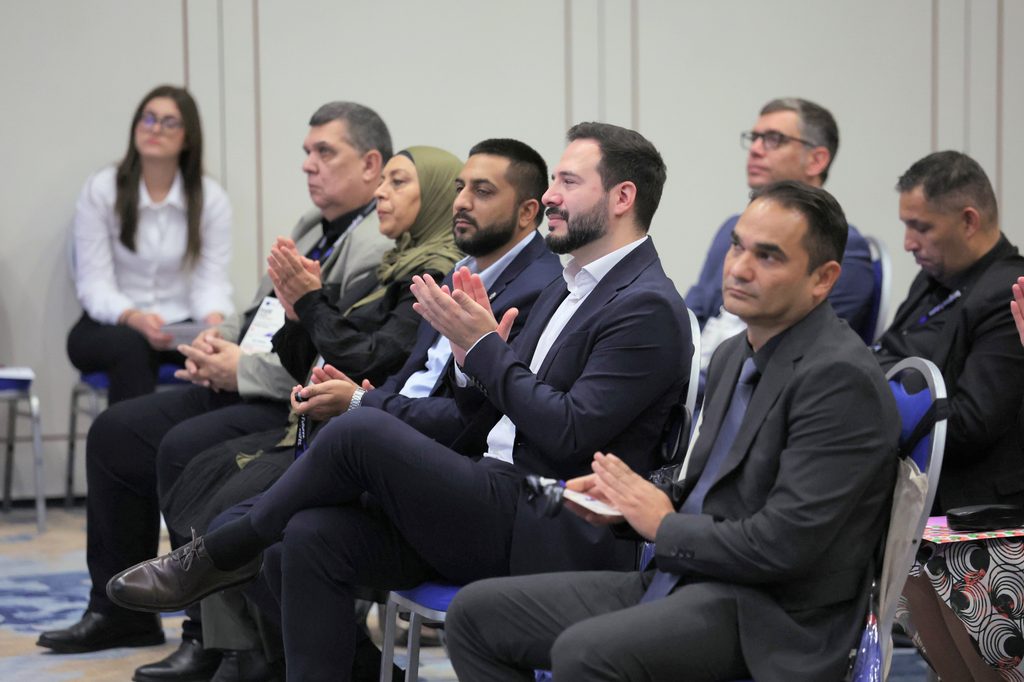
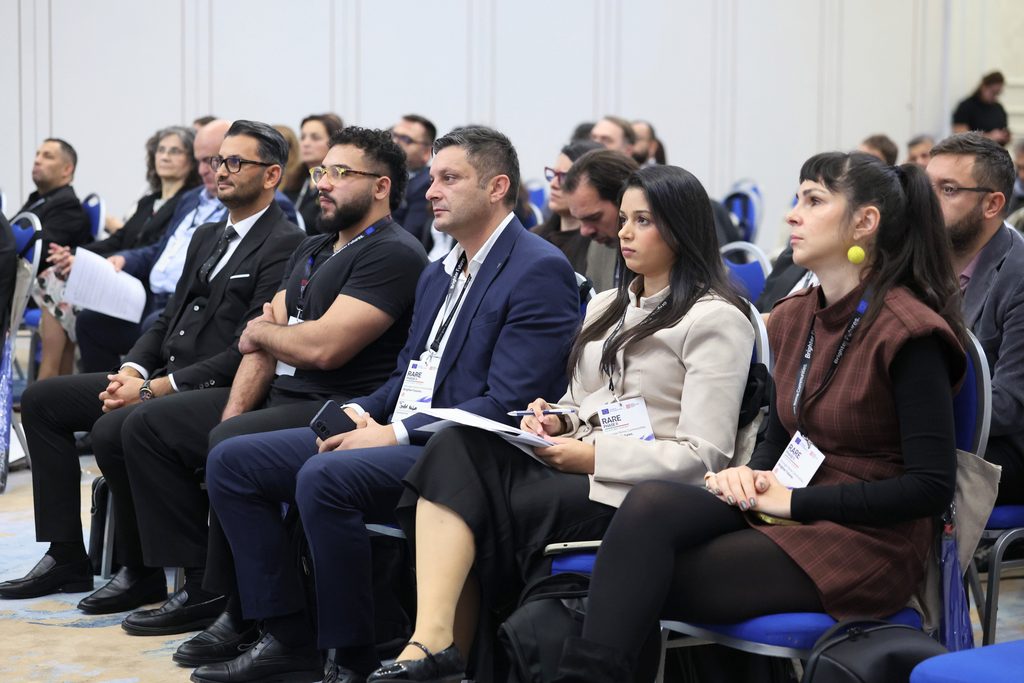
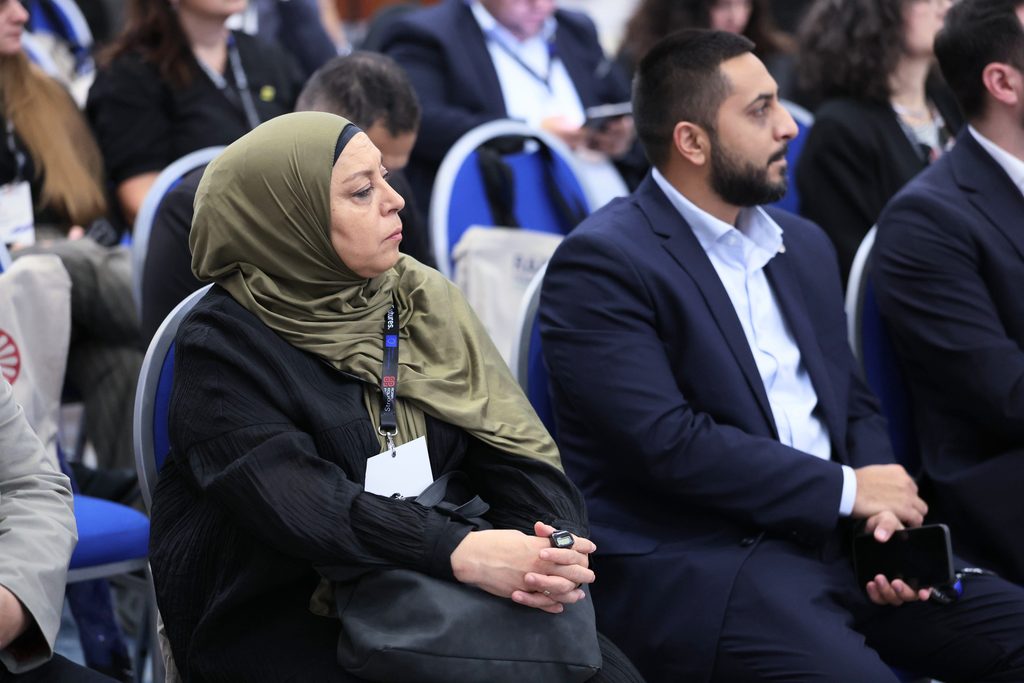
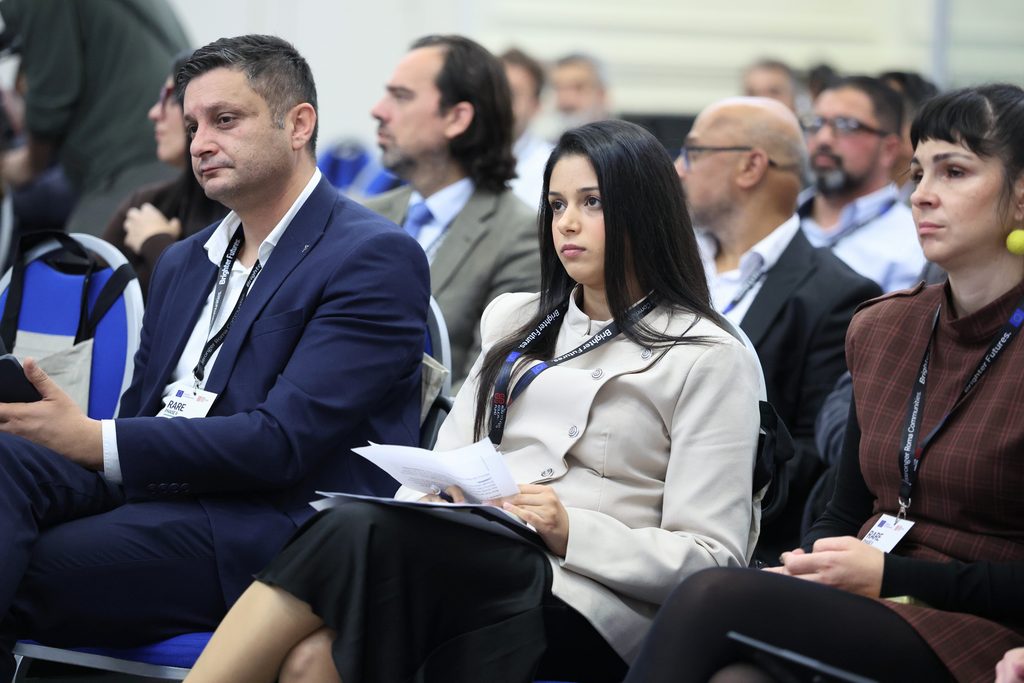
The closing event of the EU-funded “Regional Action for Roma Education: Increased Education Support and Opportunities for Roma Students in the Western Balkans and Türkiye (RARE) – Phase II” brought together partner organisations from eight countries – Albania, Bosnia and Herzegovina, Kosovo*, Montenegro, North Macedonia, Serbia, Türkiye, and Romania – alongside project beneficiaries, representatives of public institutions and ministries, NGOs, the delegation of the European Union, and other stakeholders to reflect on the achievements and impact of four years of project implementation. Funded by the European Commission through the Directorate-General for Enlargement and Eastern Neighbourhood (DG ENEST), RARE II was implemented by Roma Education Fund Romania and Roma Education Fund Serbia.
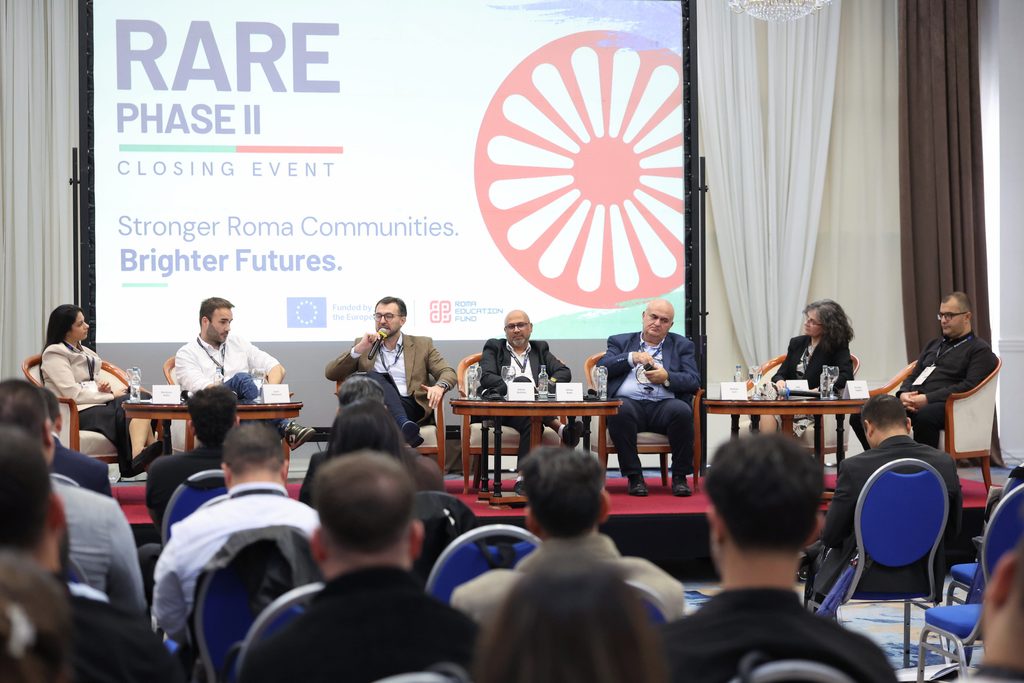
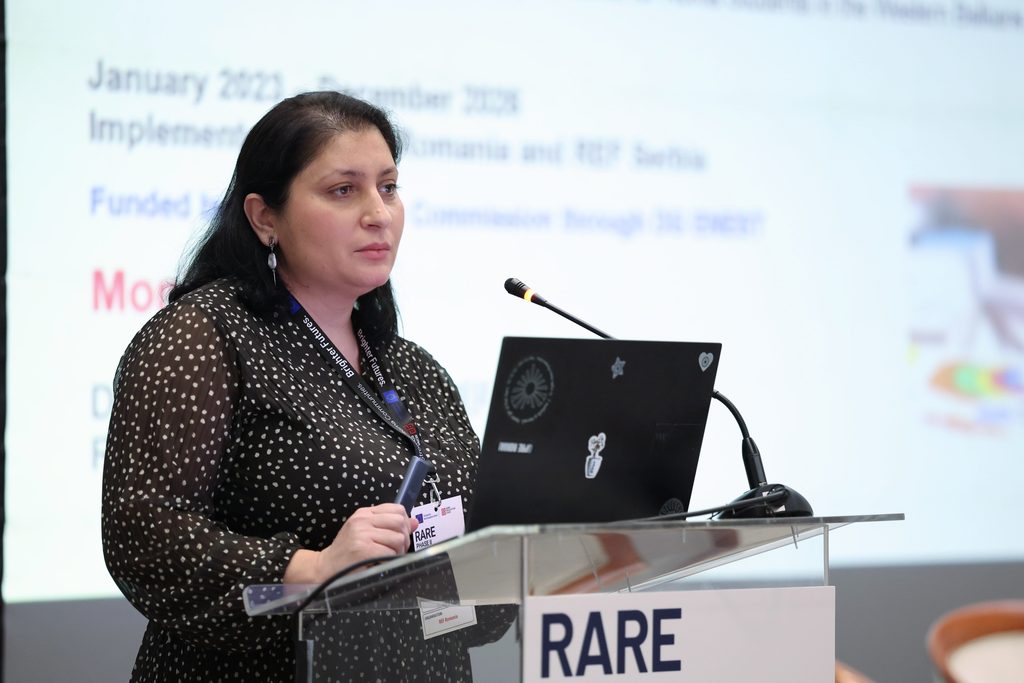
Throughout its implementation, RARE II demonstrated how integrated educational interventions can improve the educational pathways of Roma children and young people, from early childhood development (ECD) to primary, secondary and tertiary education, as well as preparation for the labour market. Reflecting on the closing event, Monica Călin, REF Romania Program Director and RARE II Project Manager, said:
“I was very pleased to see how, during the event, the figures reflecting the project’s results came to life through the experiences shared by our local partner organisations and, most importantly, through the stories of the beneficiaries. The fact that local partners expressed the need to continue these educational programmes demonstrates the value of the project and the impact it has had on beneficiary children, young people and families.”
The project reached 6,291 unique students in secondary and tertiary education and provided more than €3 million in grants, through 21 grant contracts awarded each year across three academic years. Its results reflect the scale and diversity of the support provided at different educational levels**:
Early Childhood Development and Primary Education
- 1,578 children supported through Early Childhood Development (ECD) activities.
- 1,343 primary school children supported.
- At least 331 children transitioned from ECD to the next stage of education.
- 11 operational toy library corners established.
- 746 educational workshops organised for children.
- 118 sessions delivered for parents.
These interventions helped create supportive learning environments for younger children while encouraging parental involvement in their educational development.
Secondary Education
- 916 scholarship awards.
- 667 unique beneficiaries
- 1,490 individual and 991 group tutoring sessions.
- 5,394 individual and 2,605 group mentoring sessions.
Tertiary Education
- 504 scholarship recipients.
- 384 unique beneficiaries
- 1,199 individual and 17 group tutoring sessions.
- 3,367 individual and 216 group mentoring sessions.
Across the project, 780 mentoring and tutoring classes were also reported, alongside seven advocacy meetings or roundtables aimed at strengthening cooperation and promoting better educational opportunities for Roma students.
Preparing Roma young people for professional opportunities was another important component of RARE II. A total of 1,011 students participated in employability training, focusing on the development of personal and interpersonal skills and improving their readiness to enter the labour market. The project also supported access to internships and practical work experience, with 43 graduates securing employment.
Together, these results demonstrate the importance of connecting educational support with practical opportunities and long-term pathways towards employment.
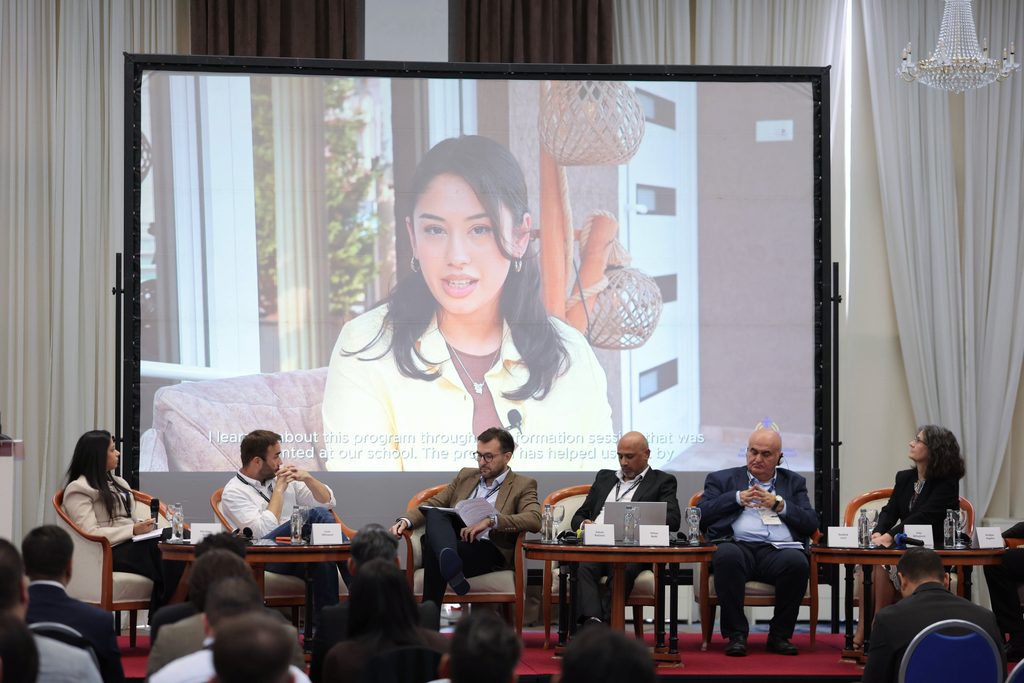
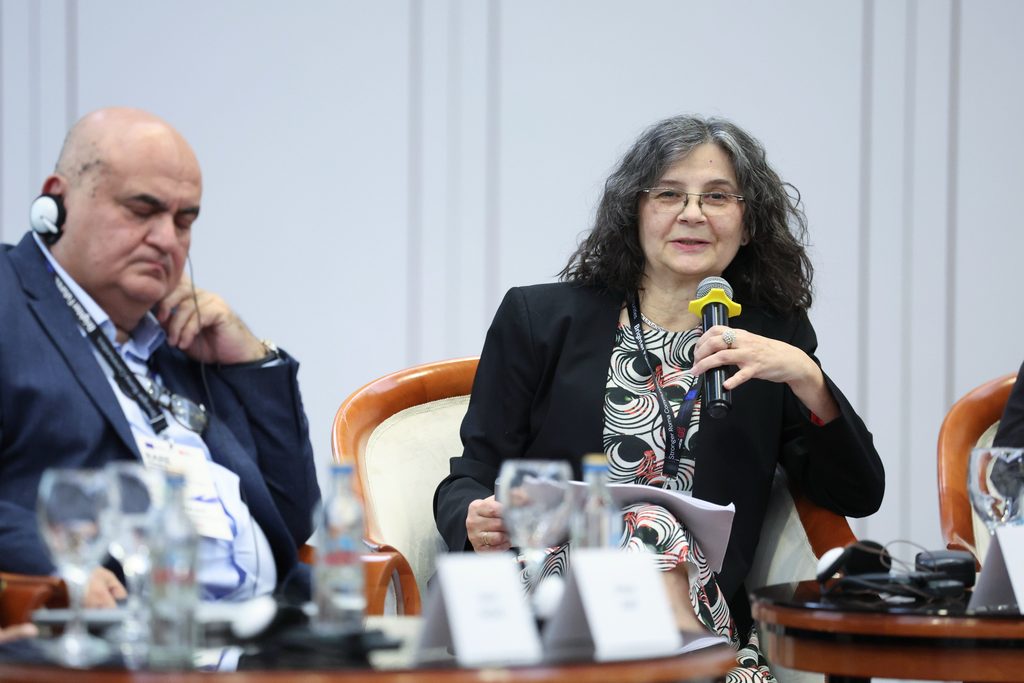
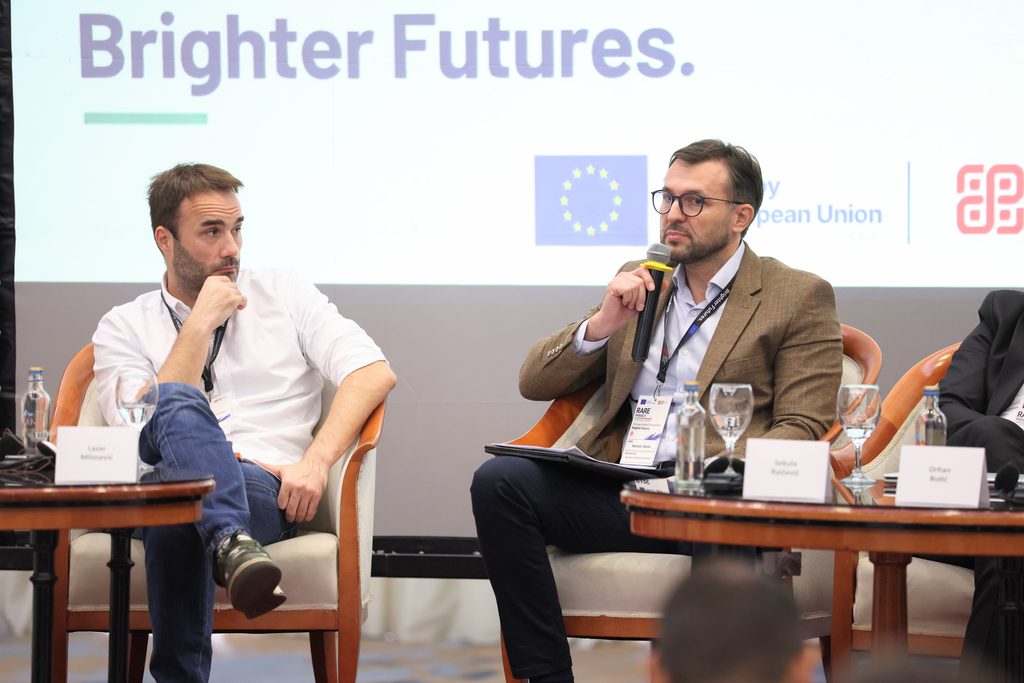
Beyond the quantitative achievements, the closing event offered an opportunity to hear directly from the organisations implementing the project and from beneficiaries whose educational journeys were supported through RARE II.
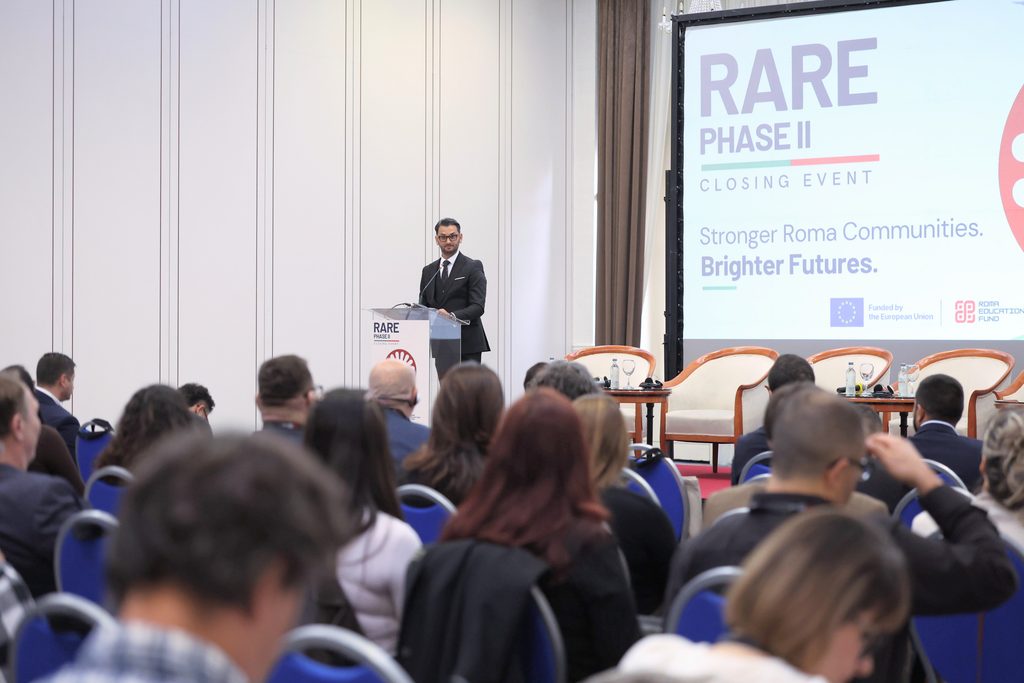
The event featured contributions from:
- Redjepali Chupi, Director, Roma Education Fund North Macedonia.
- Lazar Milosević, Center for Youth Integration, Serbia – IPO representative for Early Childhood Development (ECD).
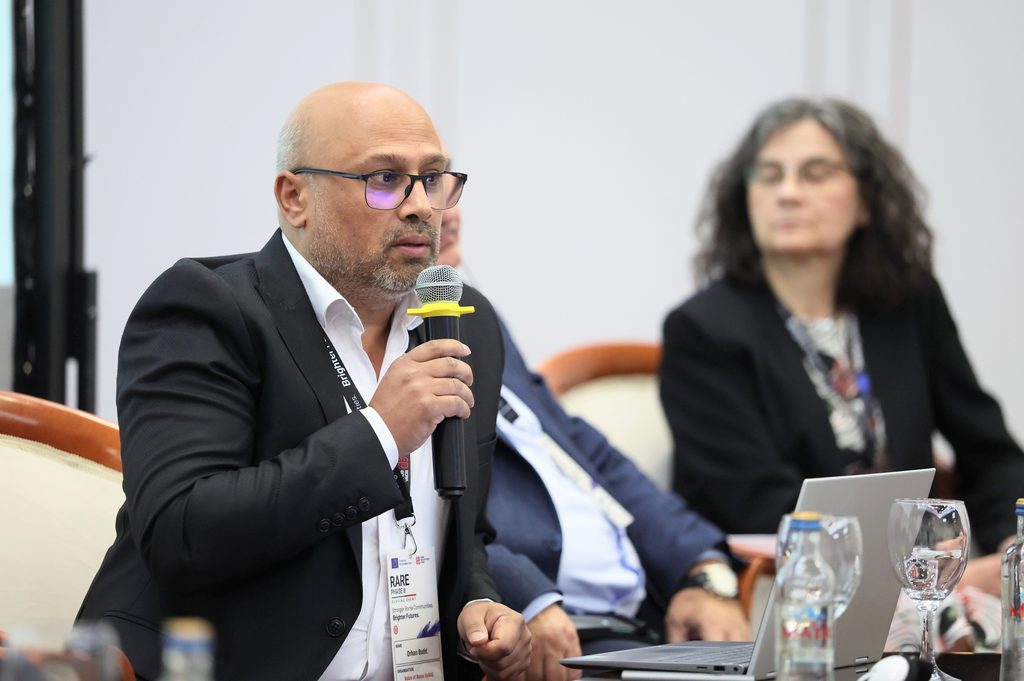
- Orhan Butić, VoRAE, Kosovo* – IPO representative for Secondary Education (SEC).
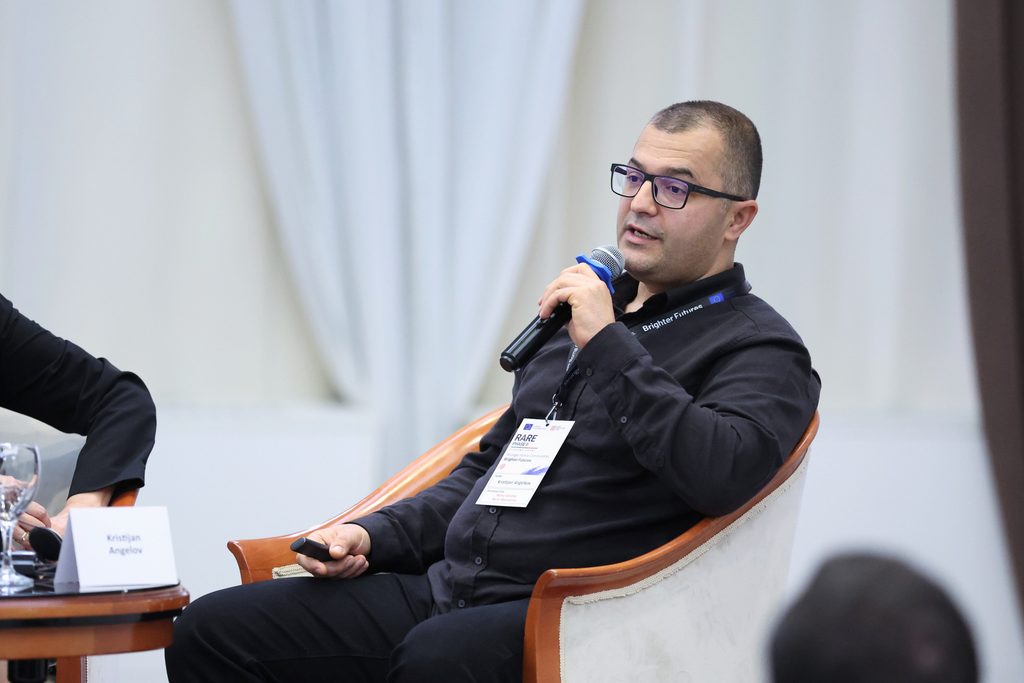
- Kristijan Angelov, RomaVersitas Skopje, North Macedonia – IPO representative for Secondary and Tertiary Education (SEC/TER).
- Sekula Raičević, Montenegro – Mentor/Tutor.
- Nedžad Jusić, EuroRom, Bosnia and Herzegovina – IPO representative across all educational levels.
- Aida Mihajlović, Country Facilitator, Bosnia and Herzegovina.
- Alisan Skenderi, Kosovo* –-Tertiary Education beneficiary and IPO representative.
- Leon Ali, North Macedonia, Tertiary program beneficiary
Beyond direct support to children and young people, RARE II also contributed to developing research, practical methodologies and resources designed to strengthen educational inclusion and improve the transition from education to employment.
One of these contributions is the policy analysis report Bridging Education and Employment: A Comprehensive Policy Analysis of Vocational Education and Training Pathways for Roma Youth in the Western Balkans and Türkiye, authored by Georgeta Pânișoară, Ph.D., and prepared for Roma Education Fund within the RARE II framework. The research examines vocational education and training pathways across the seven project countries, analysing the barriers and opportunities influencing Roma young people’s access to vocational education, skills development and employment. It provides evidence-based policy recommendations addressing access to vocational education, the relevance of training to labour market needs, anti-discrimination measures, career guidance, employer engagement, gender equality and institutional coordination.
The report underlines the importance of moving beyond isolated educational interventions towards integrated approaches that connect schools, employers, families and public institutions. It also highlights the specific challenges faced by Roma girls and young women in accessing vocational training and employment opportunities. The report was presented at the regional event Advancing Education-to-Employment Pathways for Roma Youth in the Western Balkans and Türkiye, held in Podgorica on 28 April 2026, providing a foundation for further regional dialogue and evidence-based advocacy. This event was followed by other six national policy roundtables.
RARE II also supported the development of practical educational resources addressing different stages of children’s and young people’s development. For early childhood development, REF developed Strong Beginnings: Nurturing the Potential of Roma Children through Early Education, a practical guidebook created in collaboration with Serbian early childhood education experts Mirjana Beara and Vinka Žunjić. Designed for educators, caregivers, parents and mentors working with children aged 3 to 6, the guidebook brings together practical methodologies and activities focused on play-based learning, family engagement, resilience, well-being and respect for Roma identity. It aims to strengthen early learning and school readiness while recognising the essential role of families and community-based practices.
For work with Roma adolescents and young people, the project also developed the interactive Practical Guide for Roma Youth Empowerment and Leadership – How to Work with Roma Youth to Bring Their Potential?. Created by Tanja Đorđević, Jovana Trbojević Jocić and Mirjana Beara Benjak, the guide provides practical approaches for professionals and organisations working with Roma youth through mentoring, tutoring and community-based activities. It supports young people in developing their potential, strengthening their identity and confidence, and building leadership skills that can contribute to their educational, professional and personal development.
As RARE II concludes, its legacy extends beyond the results achieved. It lies in the opportunities created, the aspirations strengthened and the foundations laid for the next generation of Roma children and young people.
The project EU Regional Action for Roma Education: Increased Education Support and Opportunities for Roma Students in the Western Balkans and Türkiye (RARE), Phase II is funded by the European Commission through the Directorate-General for Enlargement and Eastern Neighbourhood (DG ENEST) and implemented by Roma Education Fund Romania and Roma Education Fund Serbia.
*This designation is without prejudice to positions on status, and is in line with UNSCR 1244/1999 and the ICJ Opinion on the Kosovo declaration of independence.
** The results presented are preliminary and may be revised following the final review and approval of the project reports.

