From REF scholarship to service: REF Alumnus Dr. Arif Pini Brings Medical Expertise Back to Roma Communities
Posted on September 16, 2026 by admin2
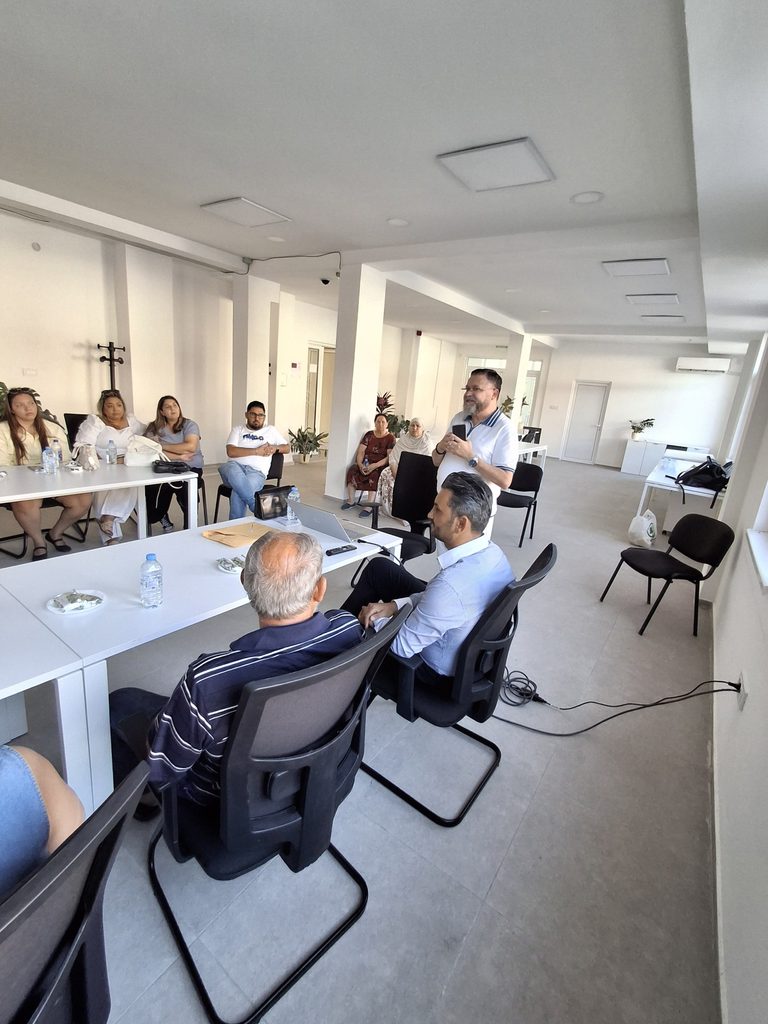
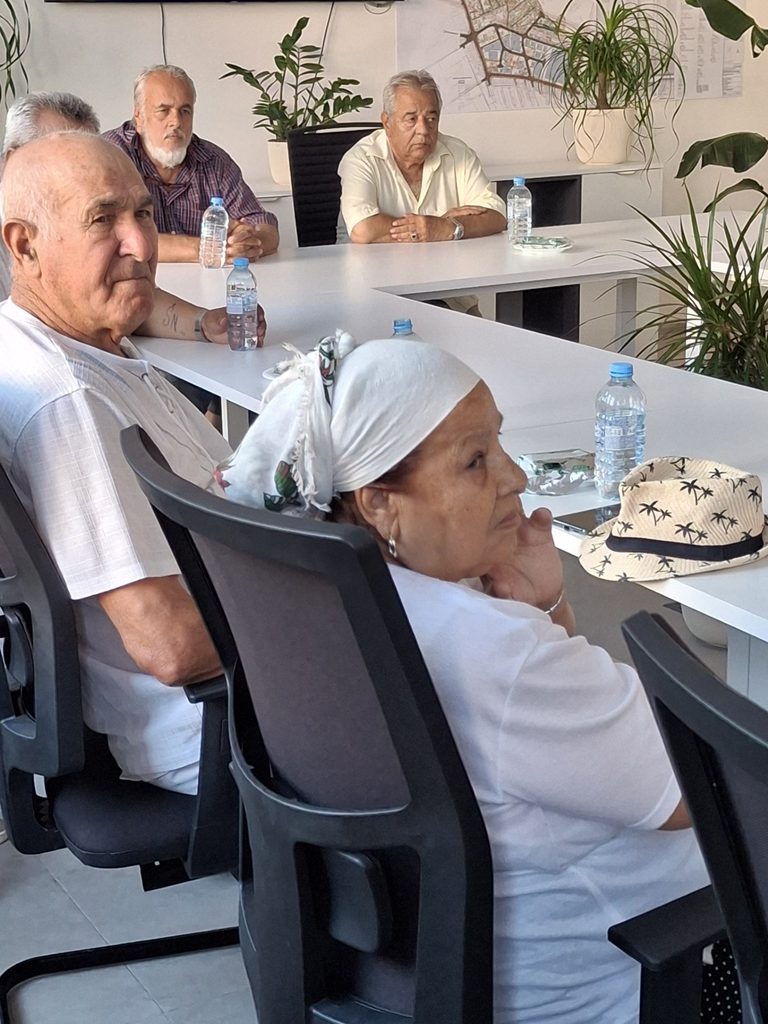
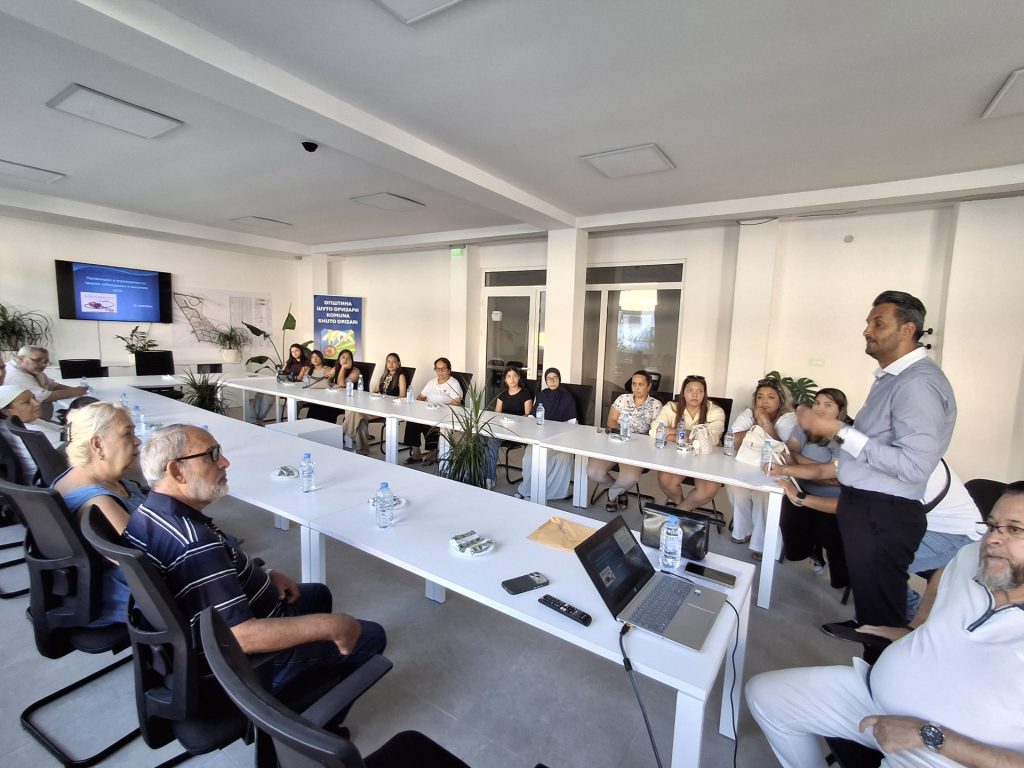
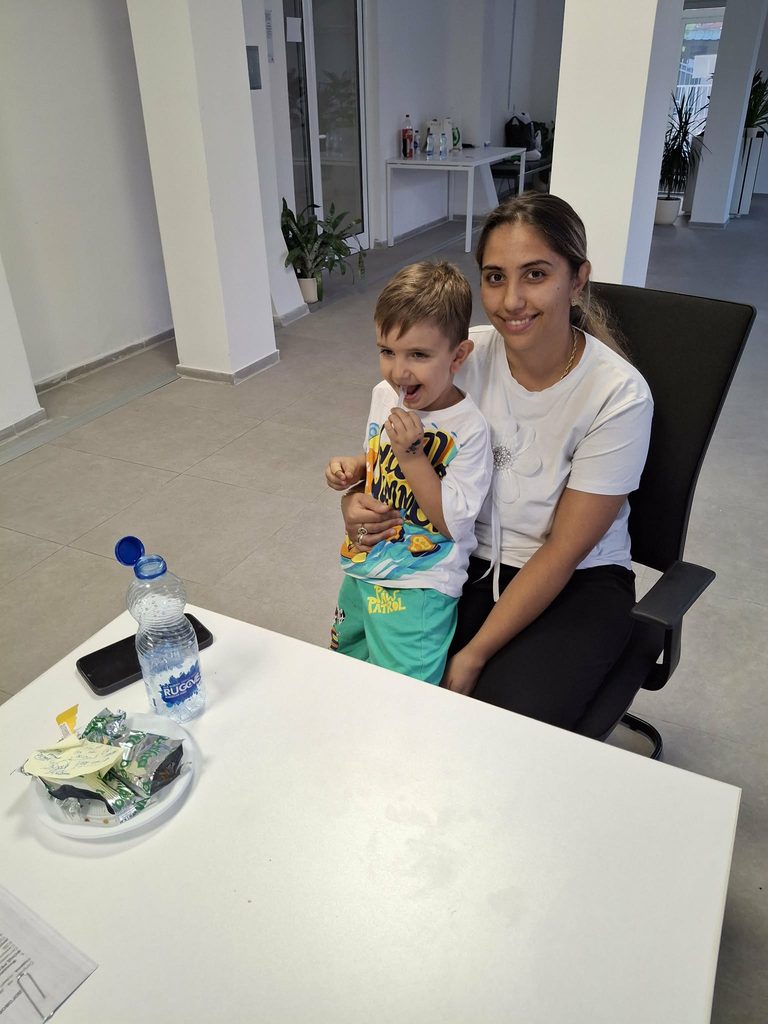
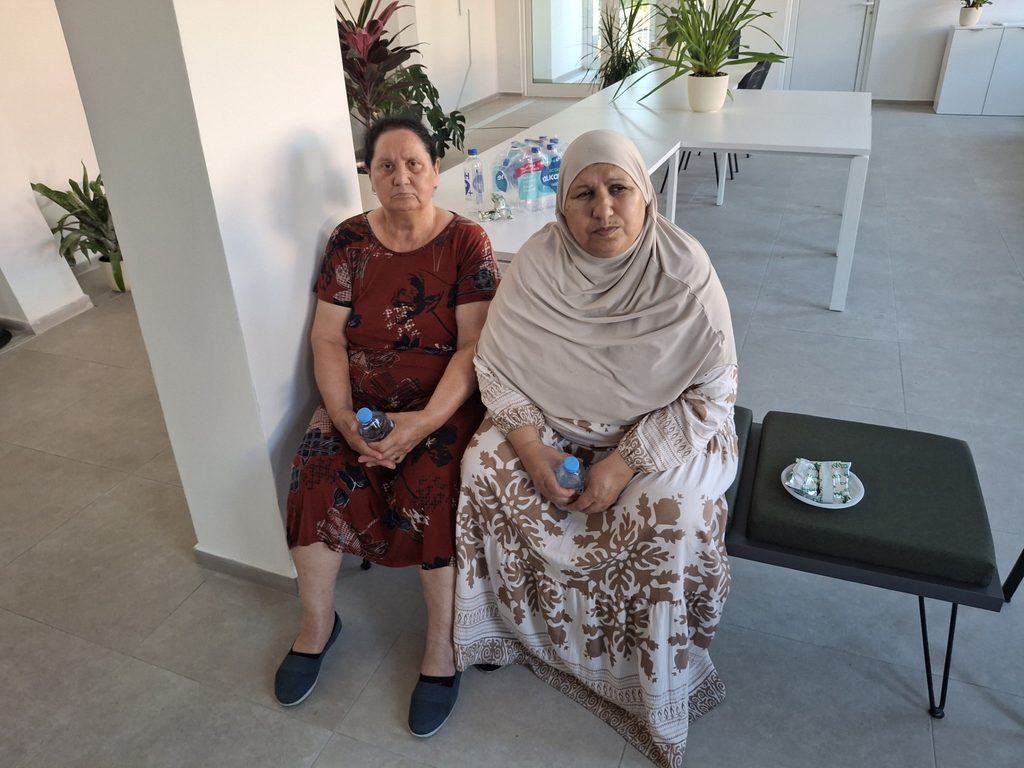
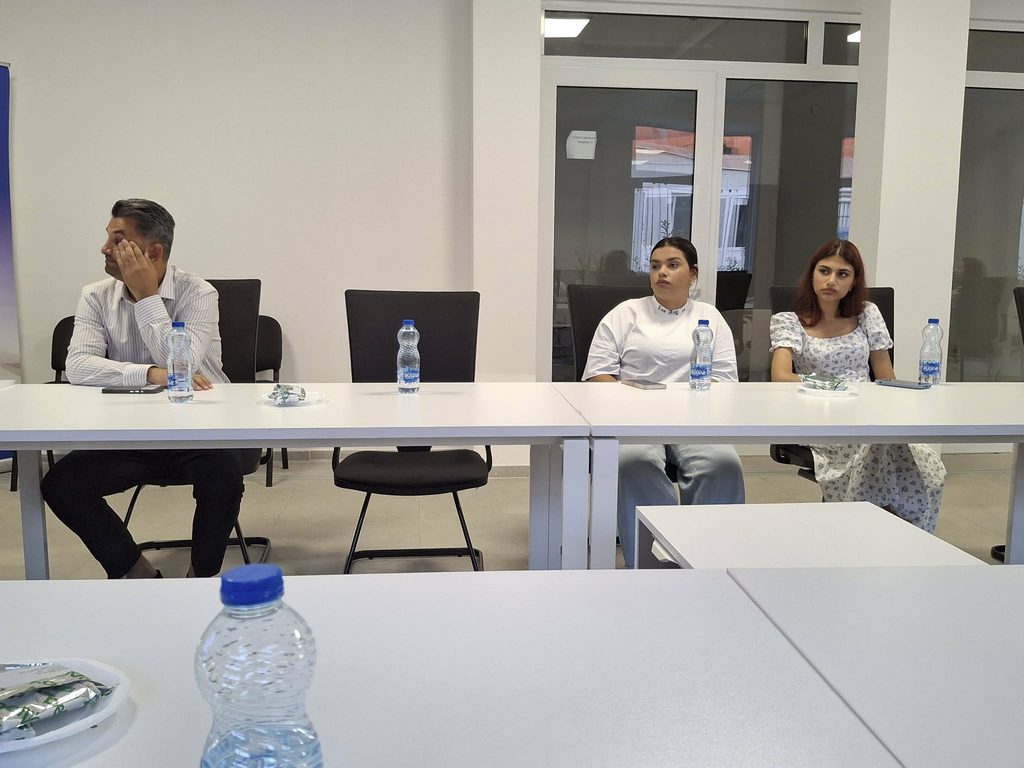
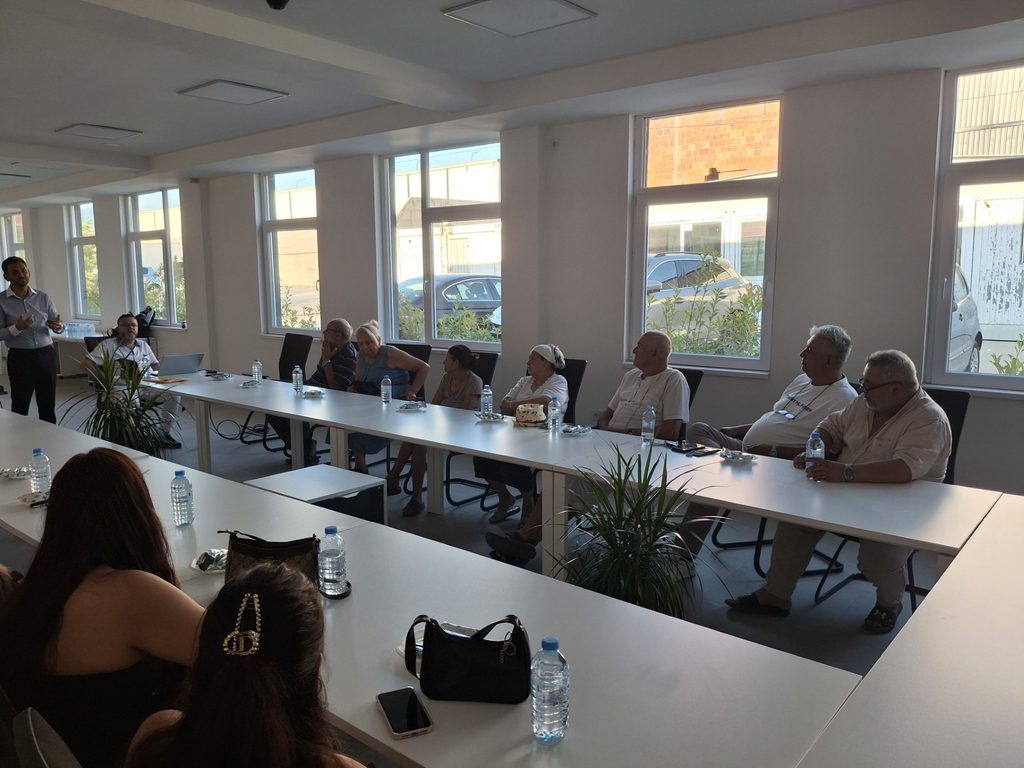
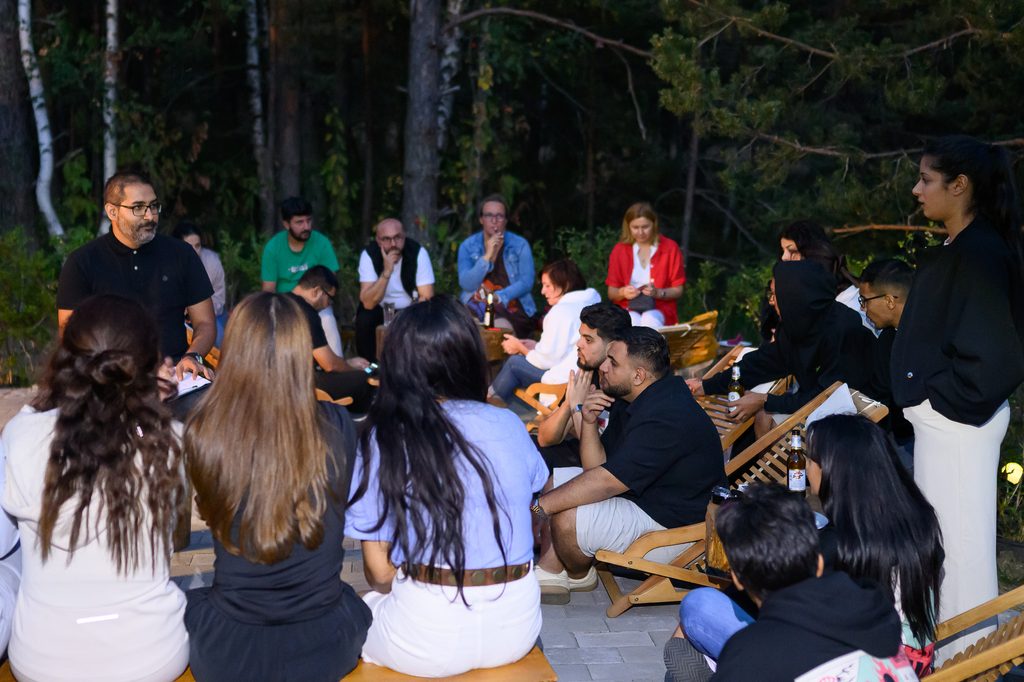
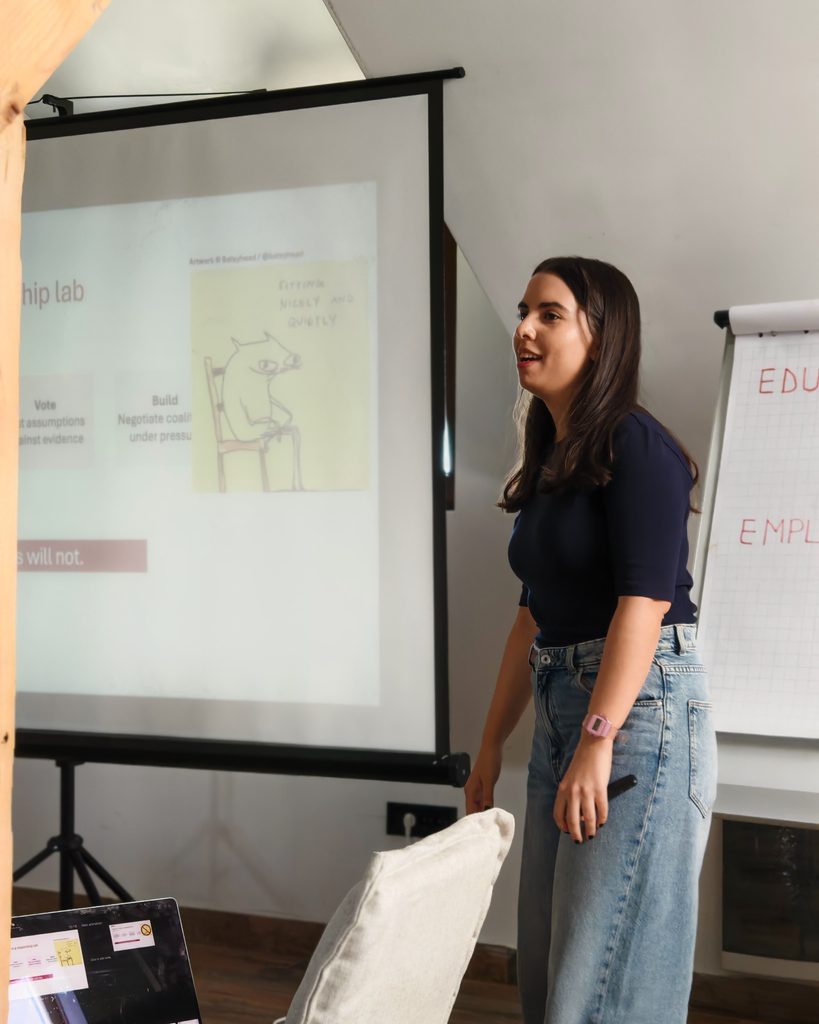
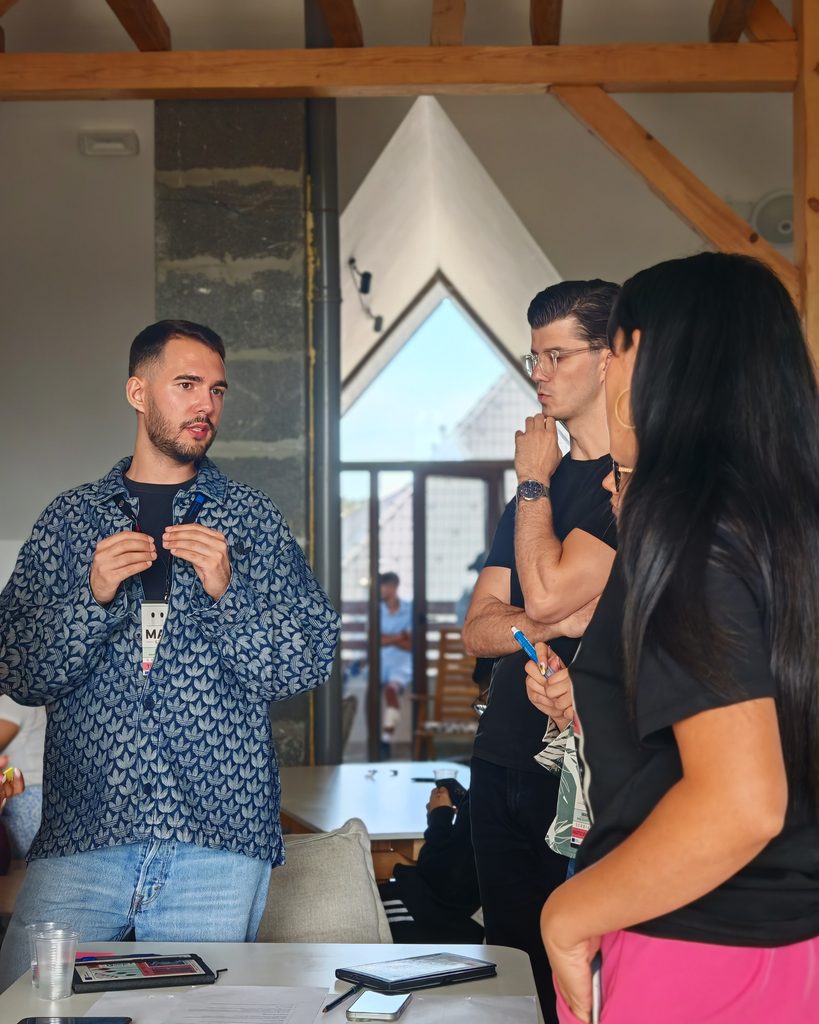
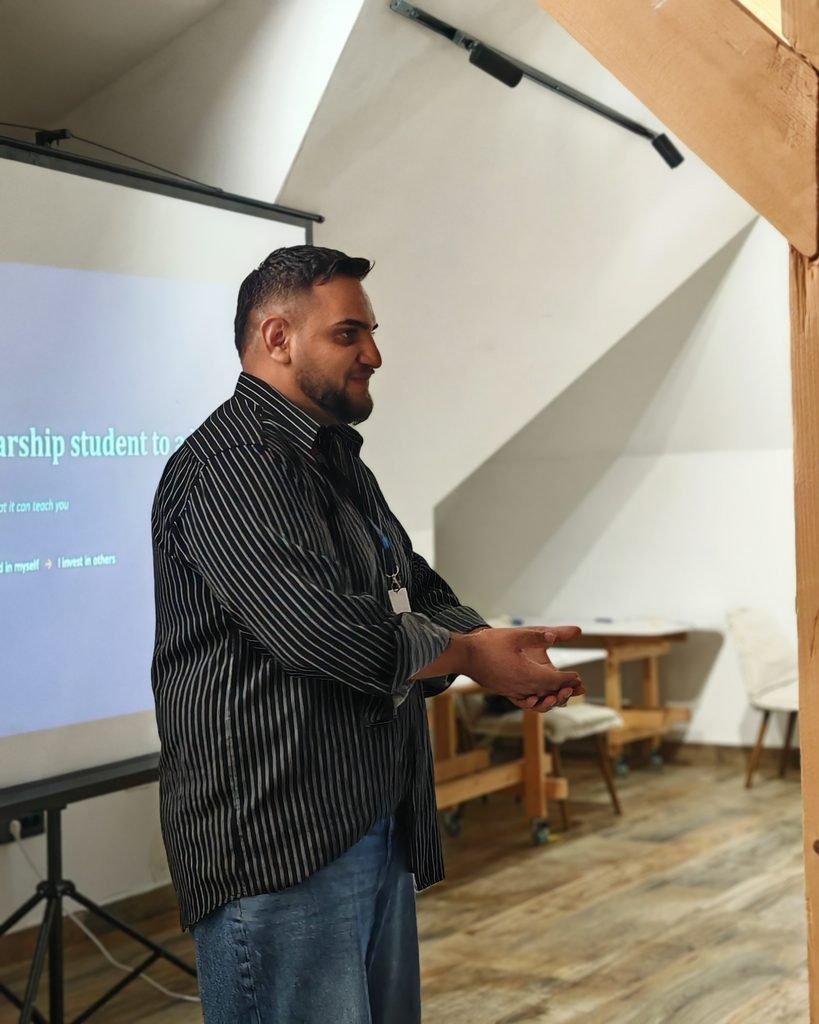
Roma Education Fund North Macedonia organised two community workshops on cardiovascular health on 3 and 10 September in Shuto Orizari. The sessions focused on practical knowledge: recognising symptoms and risk factors, asking more targeted questions during medical consultations, attending regular health screenings, and adopting daily habits that can contribute to better long-term health.
The workshops were delivered with Dr. Arif Pini, a REF alumnus and specialist in internal medicine whose connection with Roma Education Fund began through the Roma Health Scholarship Program (RHSP). Originally from Gostivar, Dr. Pini graduated from the Faculty of Medicine in Skopje and went on to build a career in medicine while remaining engaged with Roma communities and issues of access to healthcare.
His involvement in Shuto Orizari brings REF’s investment in education full circle: from supporting a young Roma student on his path into medicine to seeing that professional knowledge return to the community through prevention, trusted medical guidance and greater health awareness.
During the workshops, Dr. Pini drew attention to premature mortality and the prevalence of chronic conditions, including cardiovascular disease, diabetes and hypertension. In this context, prevention goes beyond providing information. It means enabling people to recognise risks earlier, understand when medical attention is needed and engage more effectively with healthcare services.
“As I looked around the room, one thought became clear to me: my community is facing health challenges that cannot be solved by organising a few short-term events or pooling together temporary resources. We need to cultivate a new generation of medical doctors from within the Roma community and implement disease prevention work at community level. Only by advancing both areas consistently can we truly improve people’s quality of life,” explained Dr. Arif Pini.
For Roma Education Fund, Dr. Pini’s trajectory demonstrates the multiplier effect that education can create. A scholarship supports an individual at a critical point in their education, but the value of that investment can extend much further when graduates become professionals, role models and sources of expertise within their communities.
“Dr. Pini’s journey shows why investing in Roma human capital is important. The impact of education does not end with one person’s professional achievement; it creates a multiplier effect within the community. When Roma students become medical doctors, teachers, entrepreneurs and leaders, they act as role models and bring knowledge, confidence and new opportunities back to their communities,” said Redjepali Chupi, Team Leader of the strategic pillar Roma Human Capital.
The workshops in Shuto Orizari show how an investment made years ago in the education of a Roma student can return today as knowledge, professional expertise and stronger capacity within the community.
Roma Youth Leadership Bootcamp | Five Days of Learning, Friendship and Confidence in a New Generation
Posted on September 10, 2026 by admin2
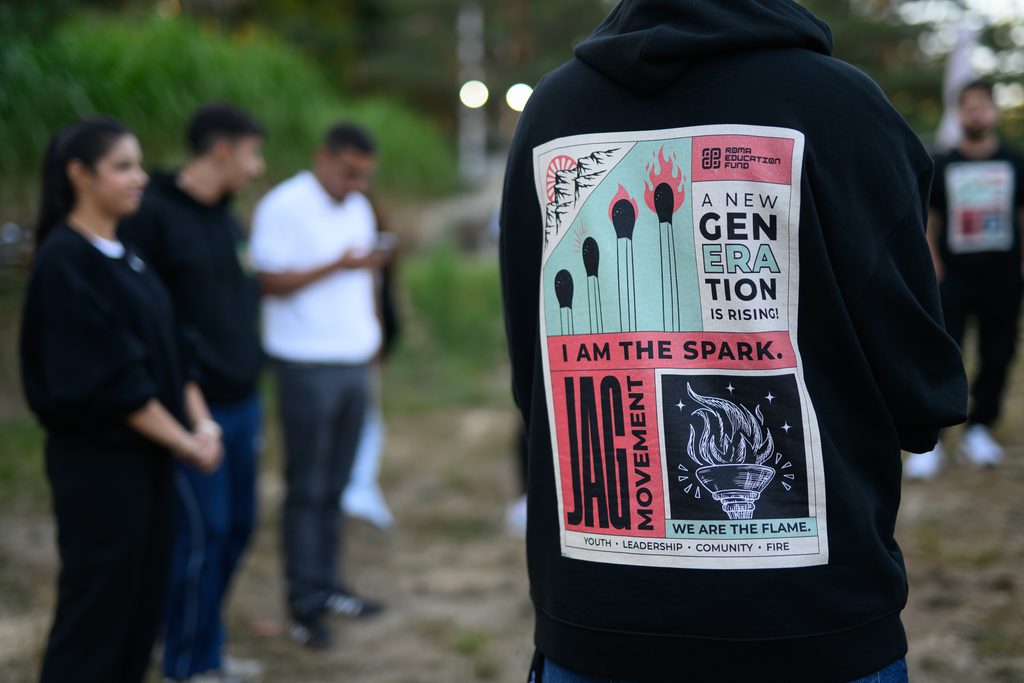
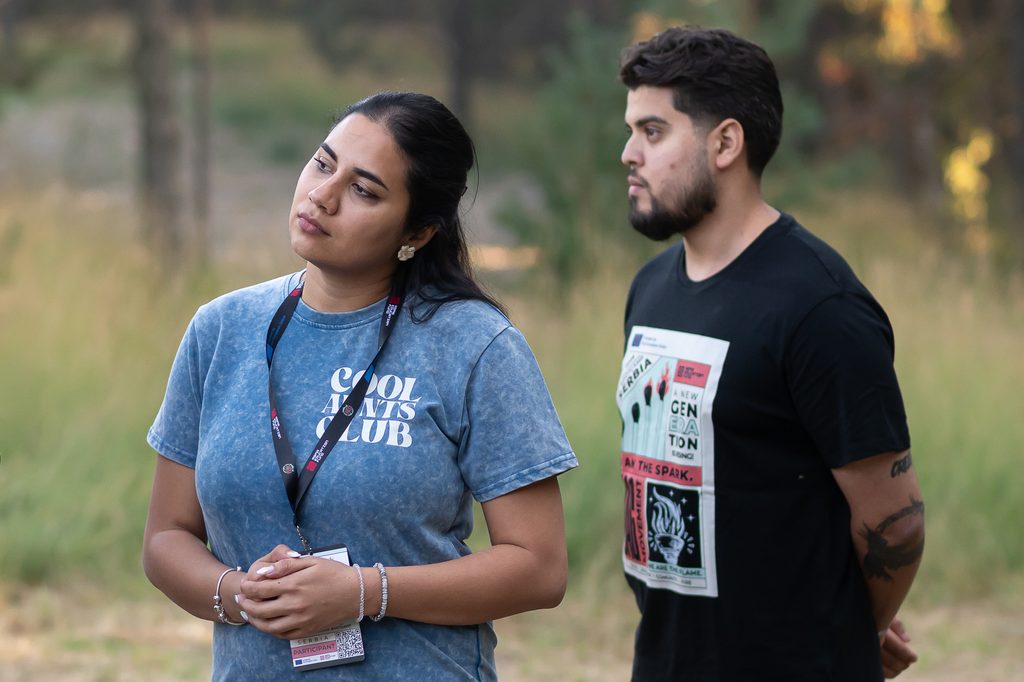
“I am the spark. We are the flame.”
30 August – 3 September 2026 | Divčibare, Serbia
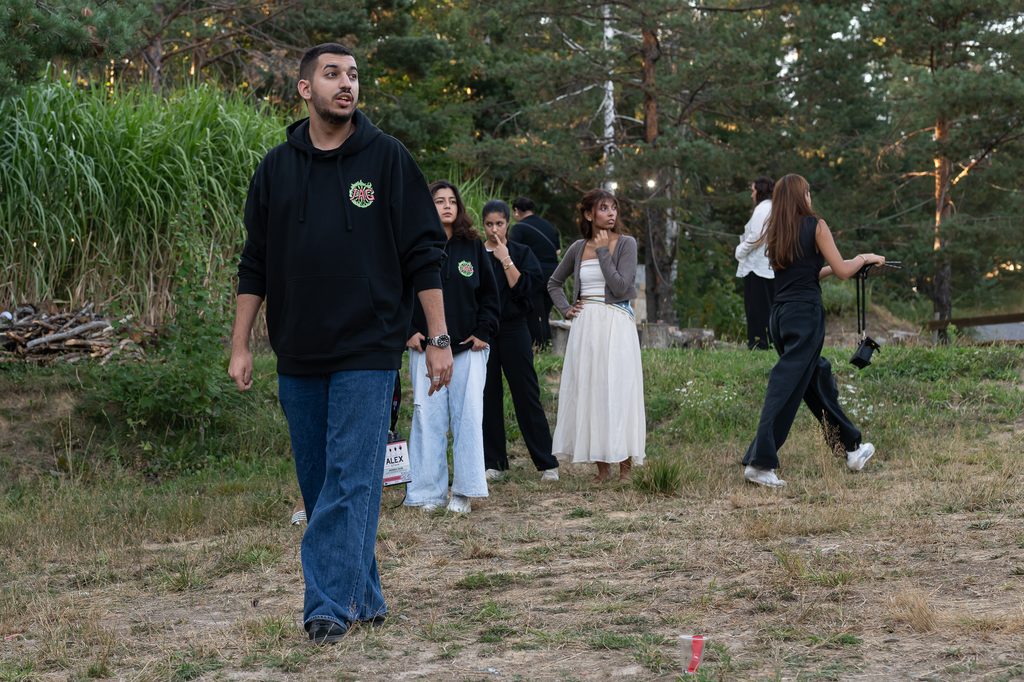
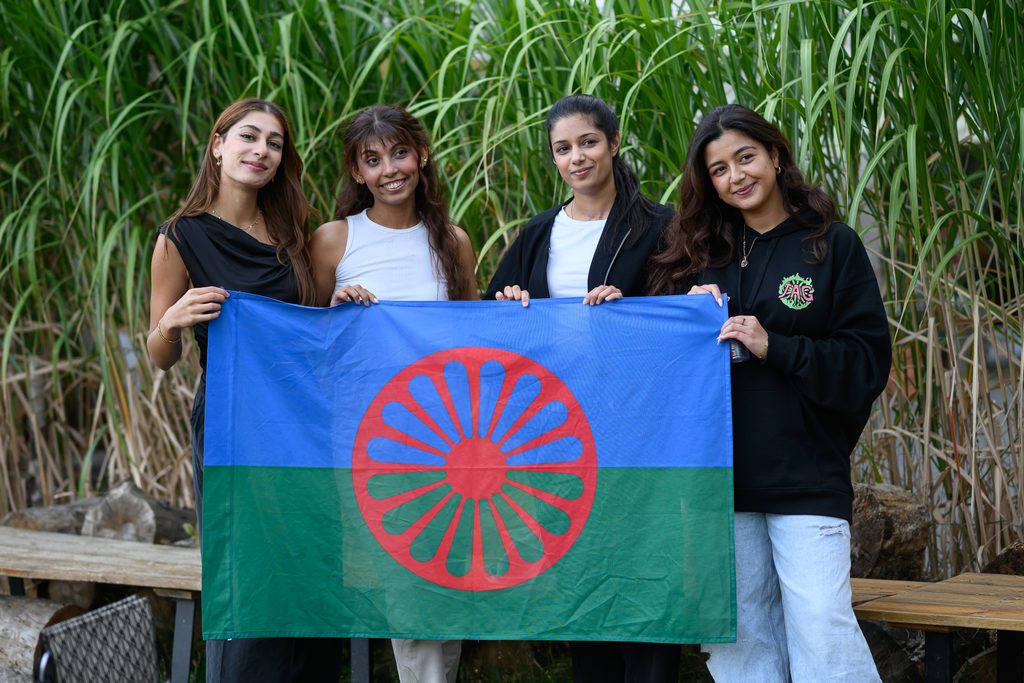
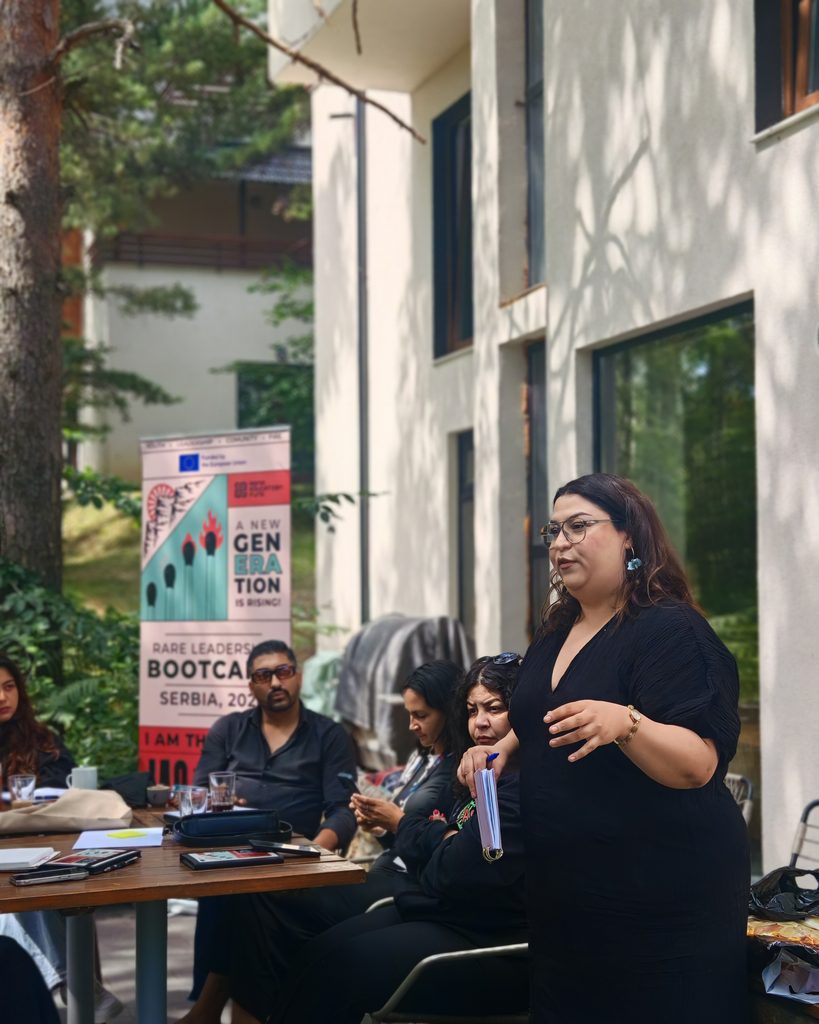
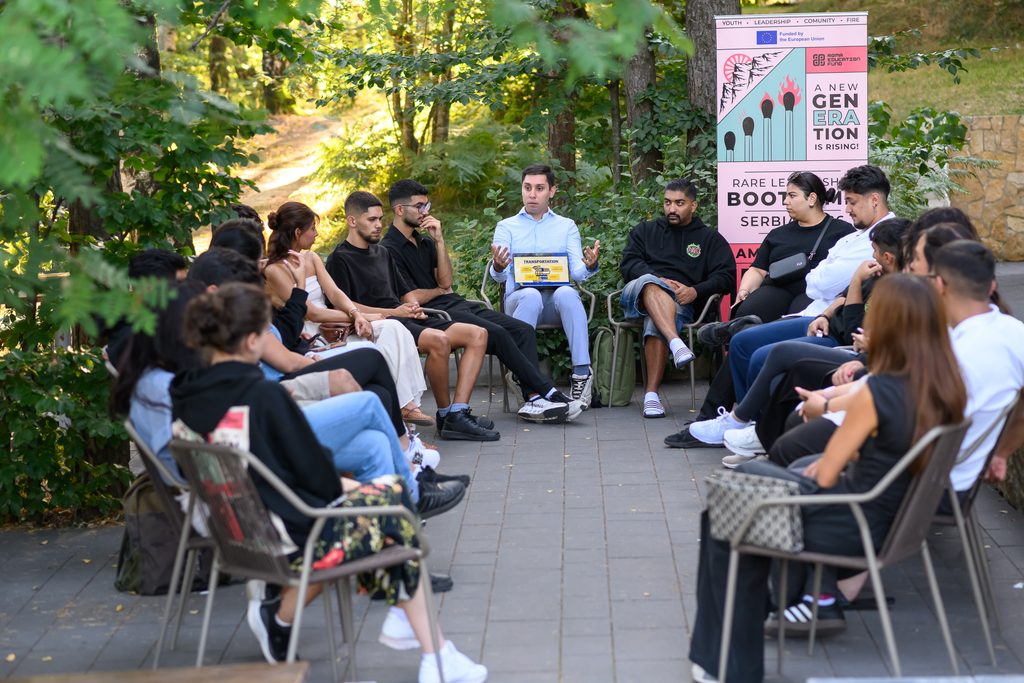
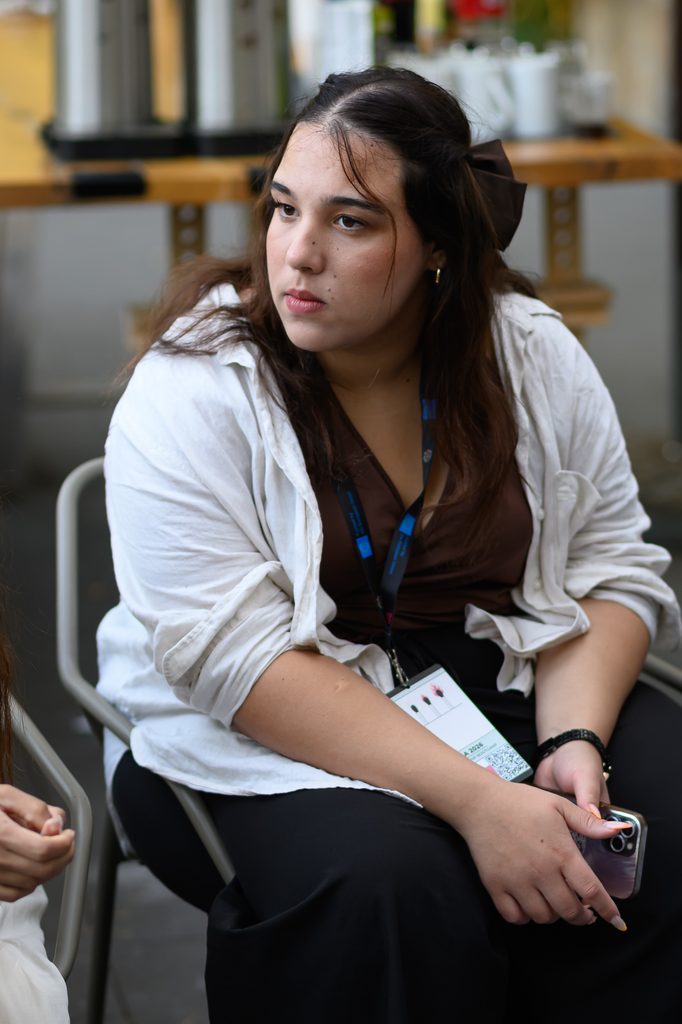
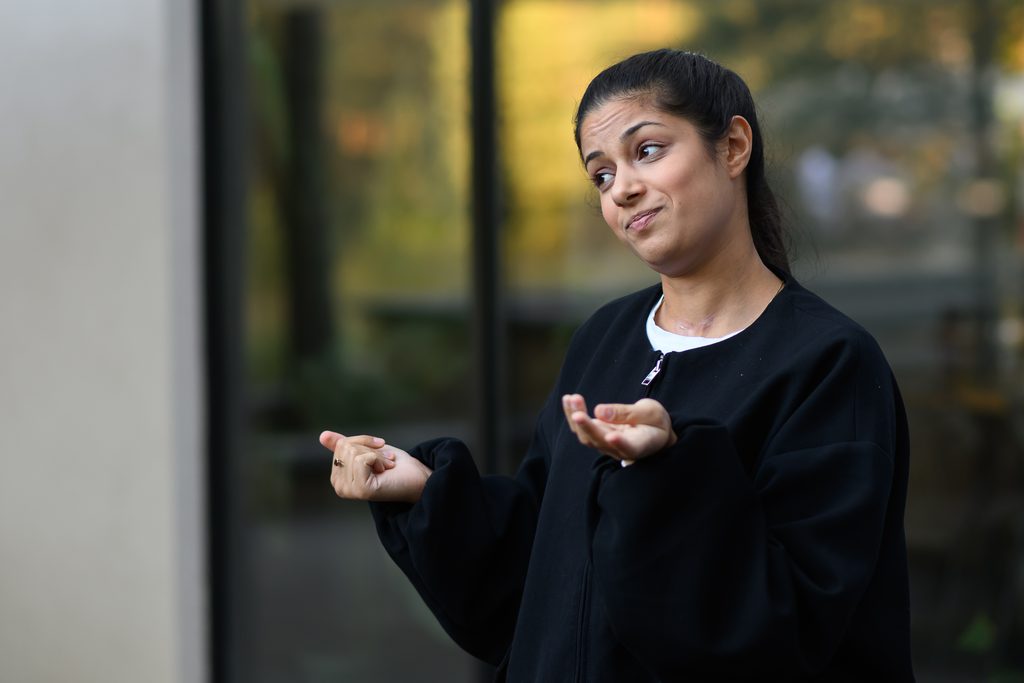
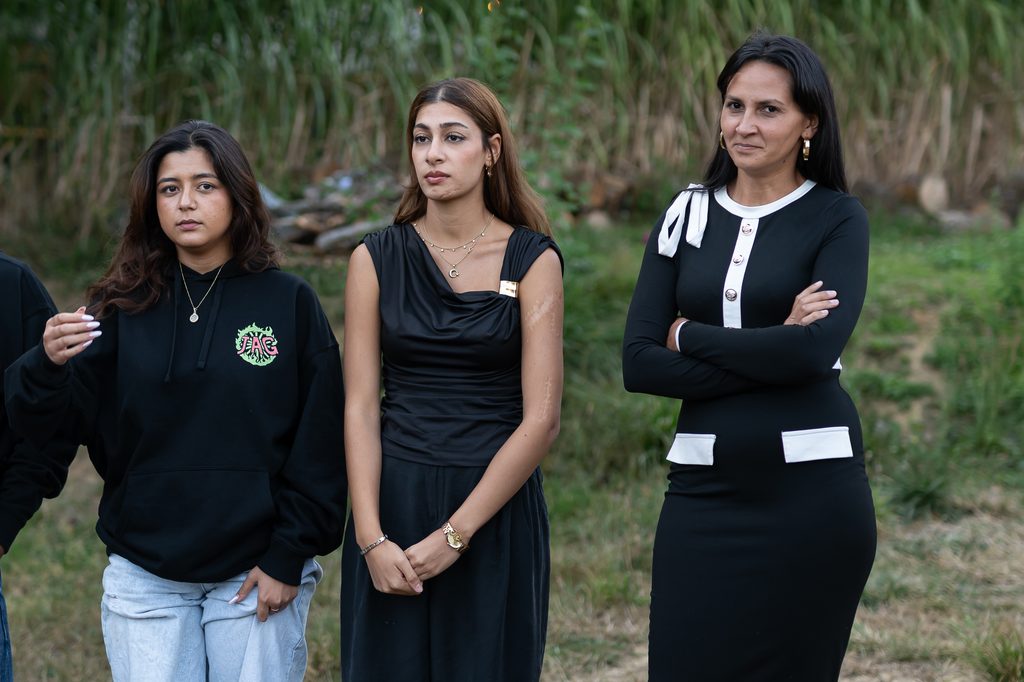
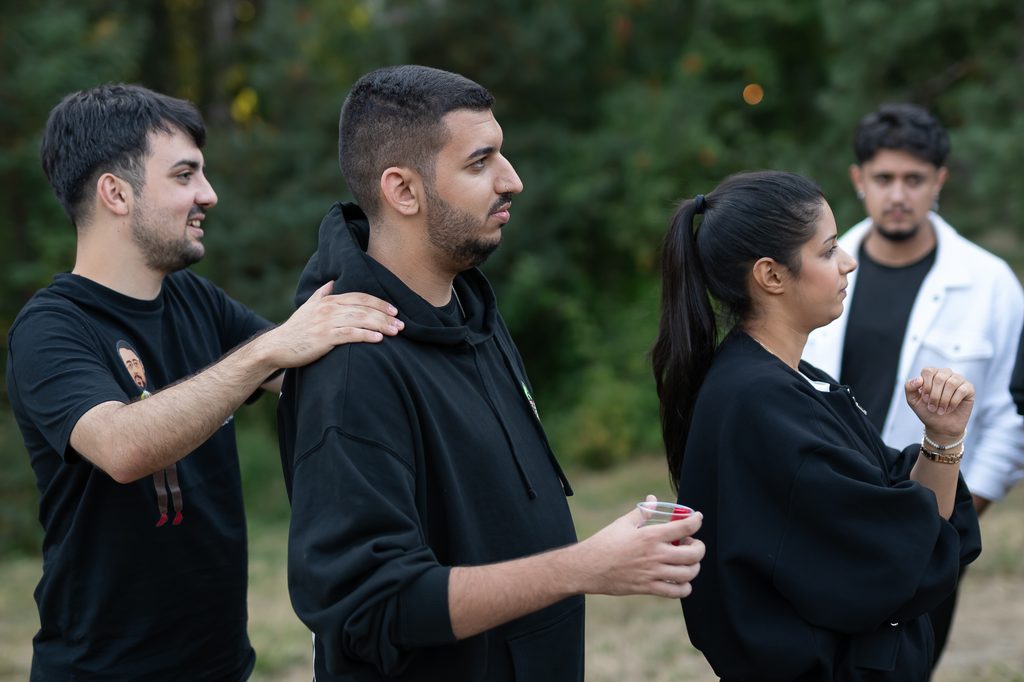
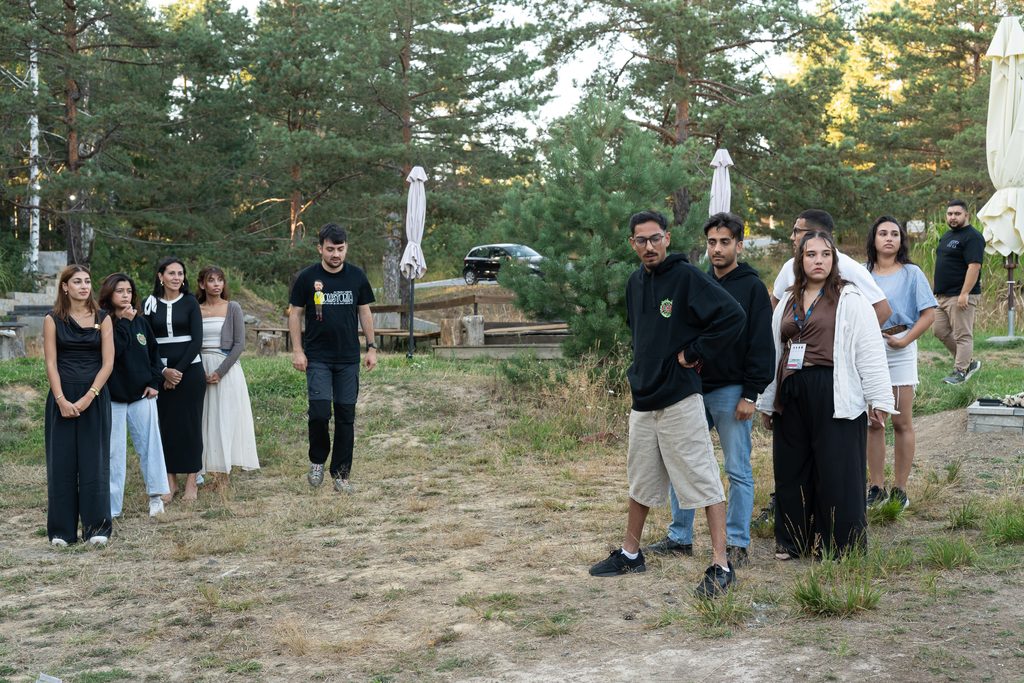
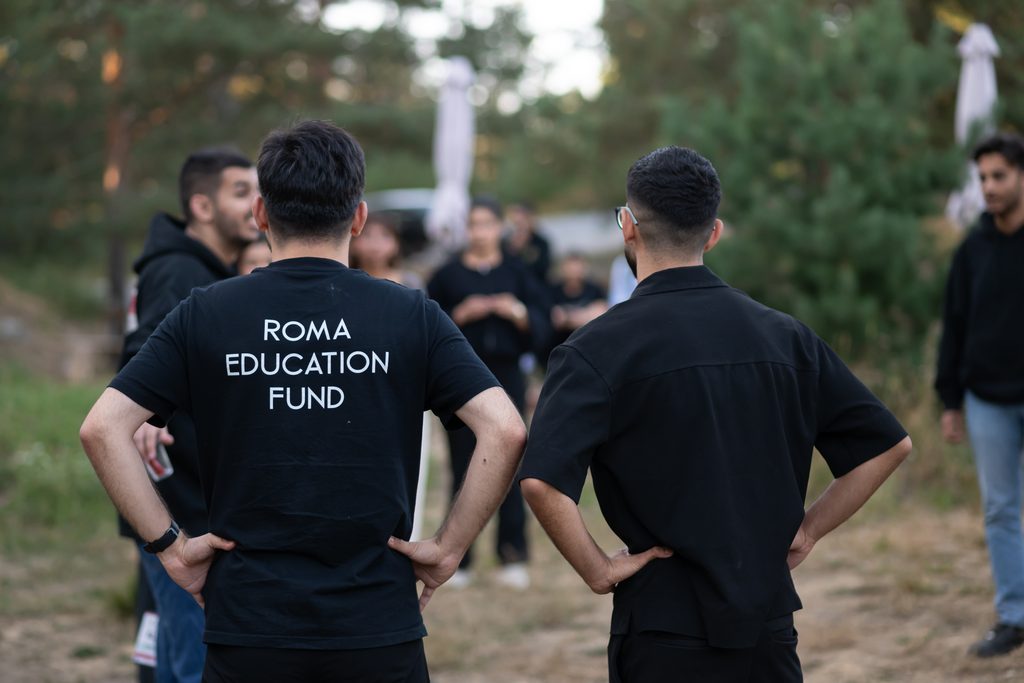
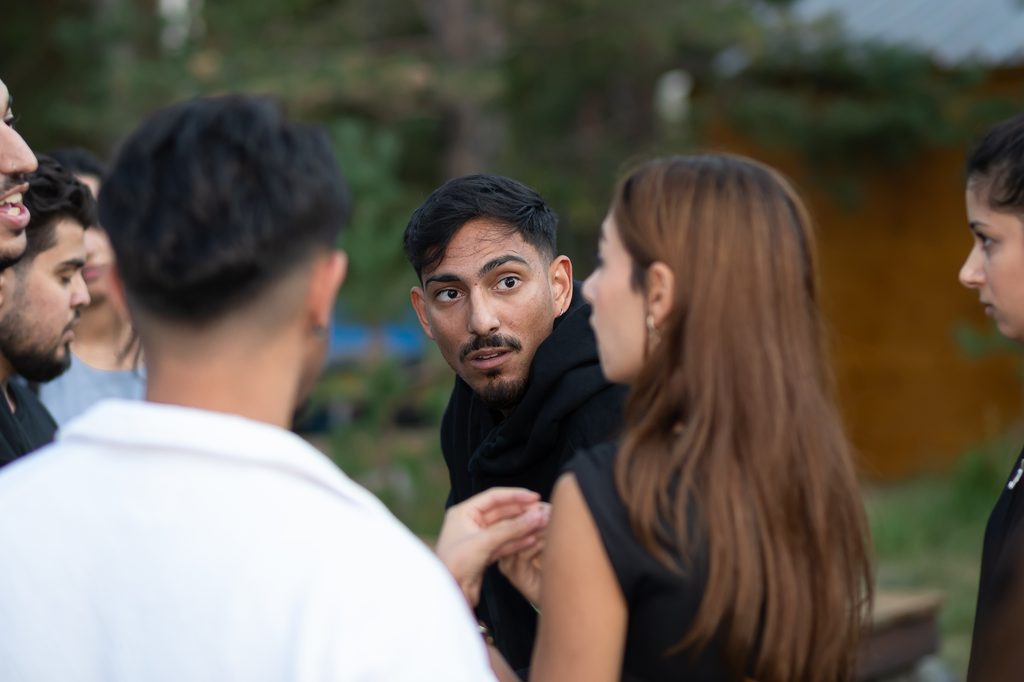
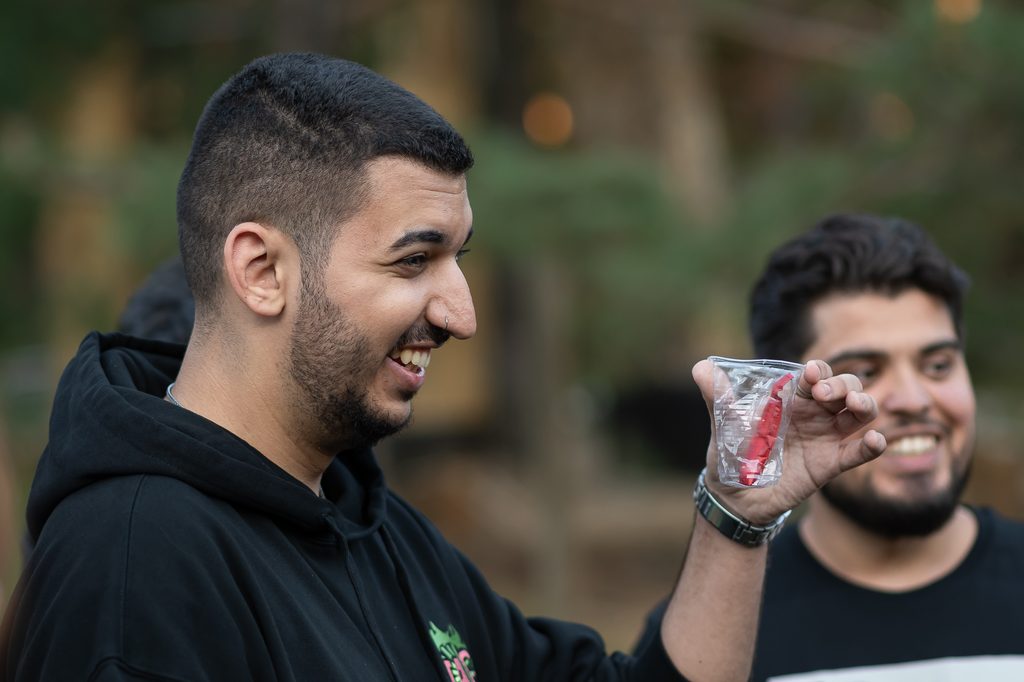
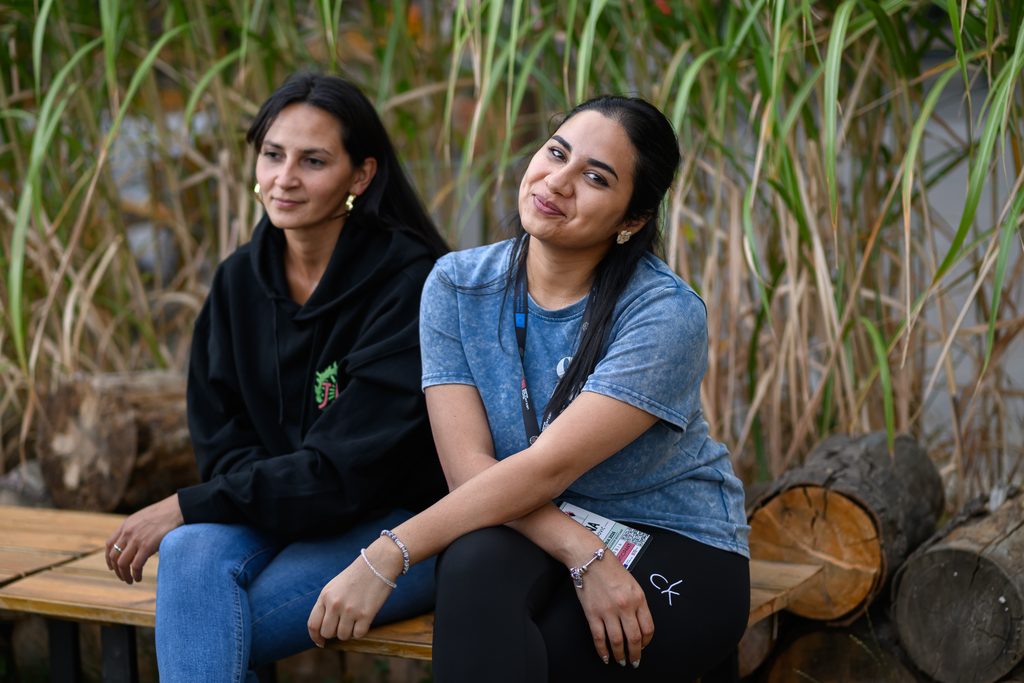
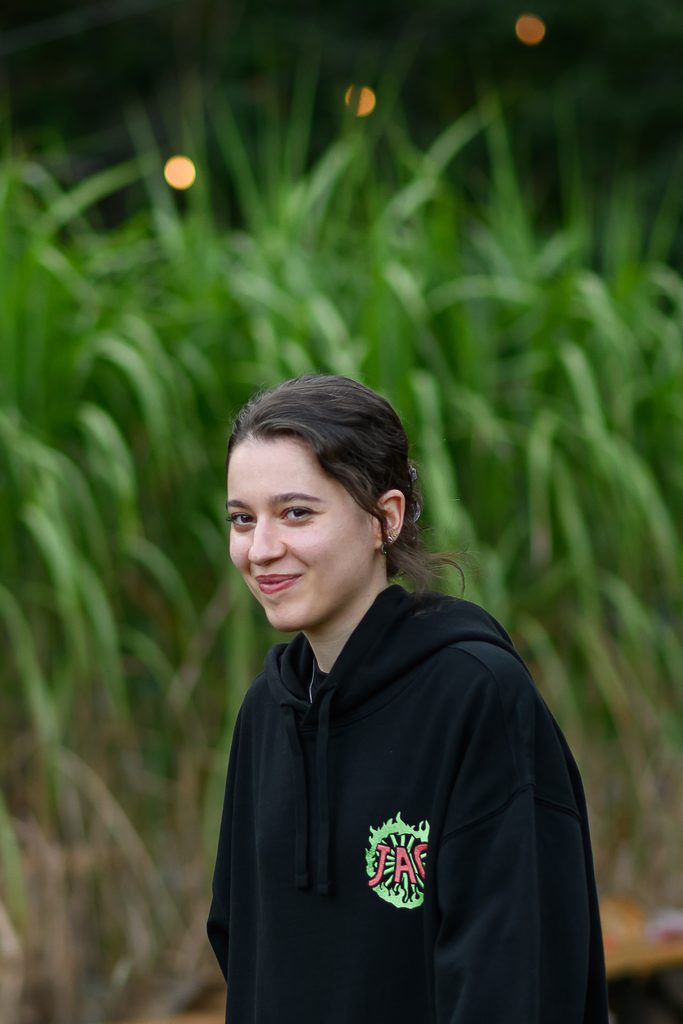
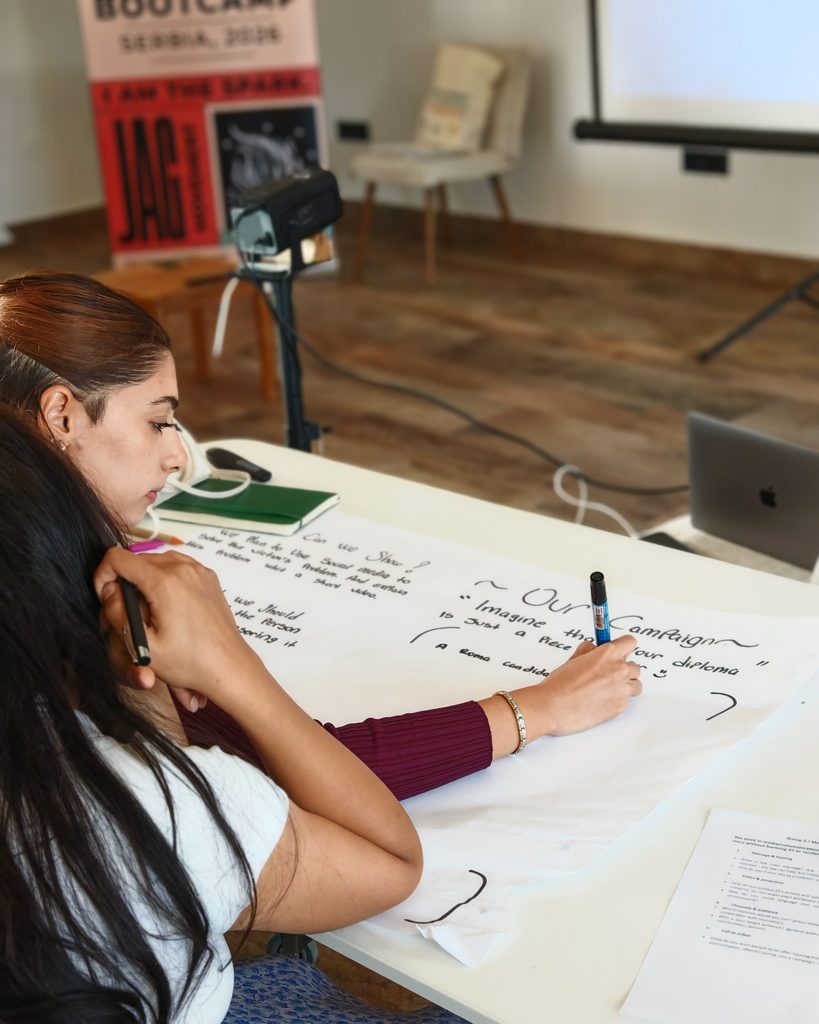
From 30 August to 3 September 2026, the Roma Education Fund (REF) brought together young Roma from across the Western Balkans and Türkiye in Serbia for the RARE Roma Youth Leadership Bootcamp, five days dedicated to learning, dialogue, reflection, personal development and building connections across countries. The Bootcamp was organized within the project “EU Regional Action for Roma Education: Increased Education Support and Opportunities for Roma Students in Western Balkans and Turkey (RARE) Phase II”, funded by the European Commission’s Directorate-General for Enlargement and Eastern Neighbourhood (DG ENEST) and implemented by REF Romania and REF Serbia.
Through RARE Phase II, REF works to expand educational opportunities for Roma pupils and students while investing in the confidence, skills and leadership potential of a new generation of young Roma. The Bootcamp translated this ambition into practice, creating a space where participants could strengthen their individual capacities, learn from one another and explore how they can contribute to their communities and to wider society.
Held in Divčibare, Serbia, the Bootcamp was designed as a space where young people could meet, exchange experiences and explore their potential as future leaders within their communities. At its heart was a fundamental question: How can we transform our individual experiences and energy into a collective force capable of contributing to the lives and futures of our communities?
Designed for young Roma from the Western Balkans and Türkiye, the program placed leadership, participation and Roma identity at its center. The agenda combined discussions on democracy, negotiation, gender equality and youth movement-building with practical exercises, team challenges, interactive activities and moments of reflection.
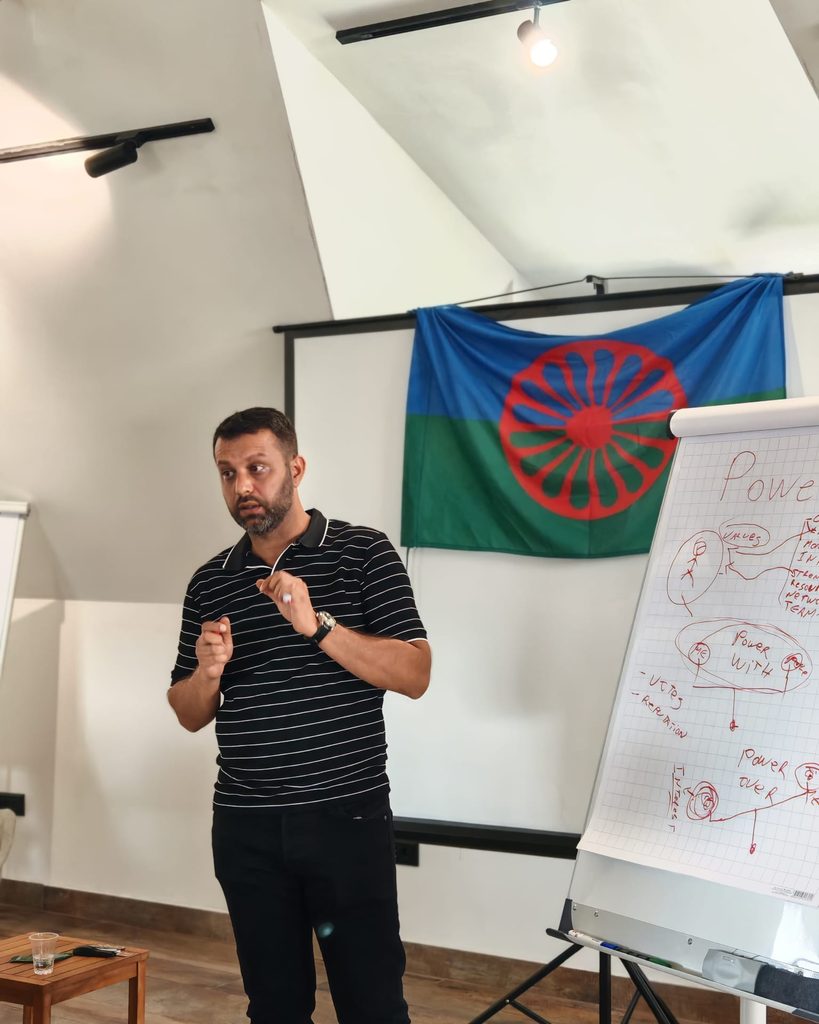
Rather than treating leadership as a position or title, REF approached it as something developed through experience, relationships and action. Participants explored how decisions are made collectively, how different perspectives can be heard and respected, how disagreements can be navigated, and how responsibility can be shared within a group.
“Leadership was approached as a practice that is learned in relation to others. Taking initiative means understanding the context, developing an idea and helping others contribute to it. In this sense, the simulations and group challenges included in the program created opportunities for cooperation, negotiation and reflection on our own reactions. The emphasis was placed on the connection between personal development and responsibility towards the community.” – Alex Stan, Youth Network Coordinator, REF
The bootcamp began by creating space for participants to get to know one another and share their personal stories and experiences. From the outset, these conversations fostered an atmosphere of openness and trust, allowing participants to recognize both the differences and the common ground in their journeys.
One of the first sessions featured Zejna, a Roma singer from Serbia, who shared her personal journey, the challenges she had encountered along the way and the lessons she had drawn from them. Through her story, she encouraged participants to believe in themselves, approach challenges as opportunities for growth and remain persistent even when the path ahead is difficult. Her message was simple and powerful: be brave, stay true to yourself and do not give up when confronted with obstacles.
Her contribution reinforced one of the central ideas of the Bootcamp: finding your voice is not only about speaking up. It is also about understanding who you are, recognizing your strengths and having the confidence to make your perspective heard.
Another key part of the program focused on democracy, civic activism and the future of the Roma movement. During sessions with Akif Kariman from the Roma for Democracy Foundation, participants explored the political participation of young Roma, the challenges facing Roma communities and the opportunities available to young people who want to contribute to social change. The discussions encouraged them to reflect on their own role in democratic processes and on how young Roma can move from observing social and political developments to actively shaping them.
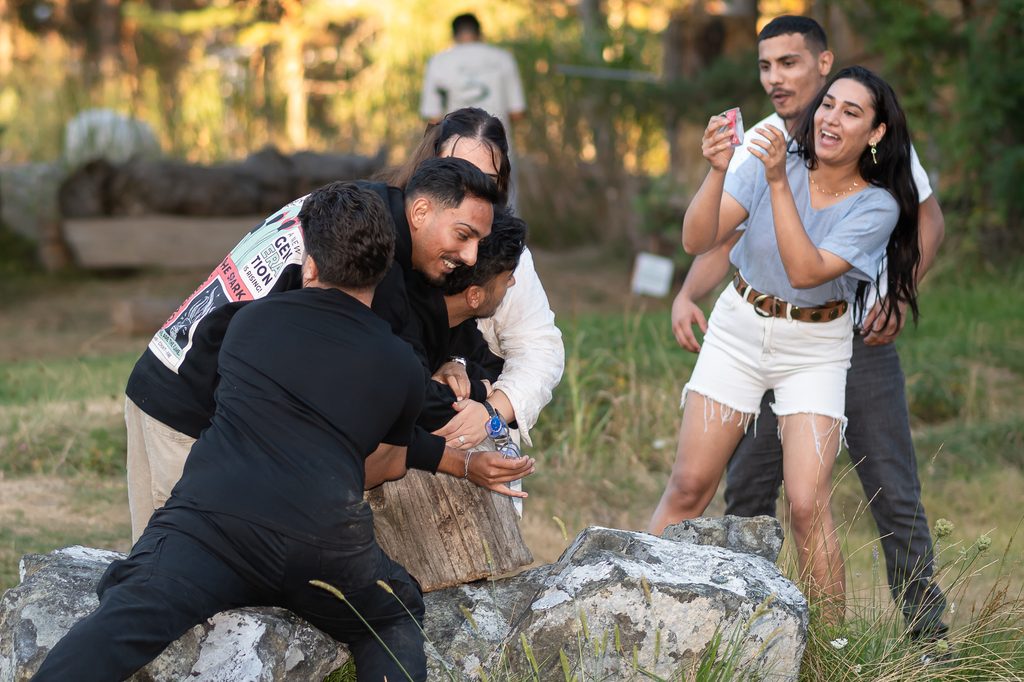
The “Hunt the Flag” activity, facilitated by Marijana Rakić, Senior Public Affairs Officer at REF Serbia, translated many of these ideas into an interactive challenge combining teamwork, strategy, competition and creativity. Participants experienced first-hand that leadership involves much more than making decisions: it requires communication, trust, cooperation, adaptability and the ability to recognize and mobilize the strengths of others.
The program also created space to explore resilience and the importance of Roma identity. Through workshops led by Nađa Greku from the European Roma Institute for Arts and Culture (ERIAC) Serbia, participants discussed the value of maintaining a strong connection to their identity and discovered the stories and work of prominent Roma artists.
The sessions invited them to consider how culture and identity can become sources of confidence and resilience, while strengthening a sense of belonging to a wider community. These discussions highlighted an important connection between identity and leadership: knowing where you come from can strengthen the confidence to decide where you want to go and what kind of change you want to contribute to.
“This generation feels different. They are increasingly self-assured, emotionally aware, ambitious, curious and courageous. They bring tremendous vigour and an eagerness to learn, question, connect and build something better together. What struck me most was not only their individual potential, but the strength that emerges when they see themselves as part of a wider community of young Roma leaders.” – Nađa Greku, ERIAC Serbia.
Another important element of the Bootcamp was the opportunity to meet people whose educational and professional journeys could serve as tangible examples of what is possible. During a role-model session, participants met Branislav Nikolić, a professor at the Technical School in Bečej, an alumnus of the Roma Education Fund and a former mentor within a REF program. Branislav shared his personal and professional journey, including the challenges he encountered and the lessons he learned along the way. His experience offered participants practical perspectives on education, professional development and the importance of recognizing and making the most of opportunities. For young people at the beginning of their own professional journeys, such encounters can turn abstract ideas about ambition, perseverance and success into experiences they can relate to.
Leadership took centre stage again in a simulation facilitated by Adriana Mandache, an alumna of the Roma Education Fund’s Roma Leadership Program. The activity challenged participants to take initiative, navigate different perspectives and work collectively towards common objectives.
“The bootcamp was a powerful reminder that leadership does not begin with a title, a formal mandate, or someone else’s permission. For me, the idea of ‘leadership without permission’ captured much of what the experience was about: encouraging young people to recognize the influence they already have and to see themselves as active contributors to change, rather than waiting until they are given authority or invited into decision-making spaces.” – Adriana Mandache, REF Romania expert in digital.
Throughout the Bootcamp, Adriana observed participants challenging assumptions, bringing their own experiences into conversations, negotiating different perspectives and thinking seriously about the future they want to help create for Roma communities.
“Preparing and facilitating the Future of Roma Leadership 2040 session reinforced this even further for me. Leadership emerged not as having all the answers, but as the willingness to take initiative, build alliances, question existing systems, and act with others toward a shared goal.”
One of the key lessons emerging from the session was that meaningful change can begin when young people stop asking whether they are “allowed” to lead and start recognizing that their voices, choices and actions already matter.
The program within the bootcamp also addressed gender equality and the social perceptions and stereotypes that continue to shape opportunities and relationships. Workshops facilitated by Marko Stanković and Branko Kašerić, representatives of the Commissioner for the Protection of Equality in Serbia, encouraged participants to question assumptions, examine inequalities from different perspectives and consider how they can respond to them both individually and collectively.
Participants also had the opportunity to meet Franko Veliu, an alumnus from Albania who participated in the first phase of the project EU Regional Action for Roma Education: Increased Education Support and Opportunities for Roma Students in Western Balkans and Turkey (RARE) Phase II”. Franko shared his educational and professional journey with the new generation of participants, speaking openly about his experiences, challenges and achievements.
His return to the program in a new role illustrated another important dimension of long-term investment in young people: those who benefit from educational and development opportunities can, in turn, become role models, mentors and sources of inspiration for those who follow.
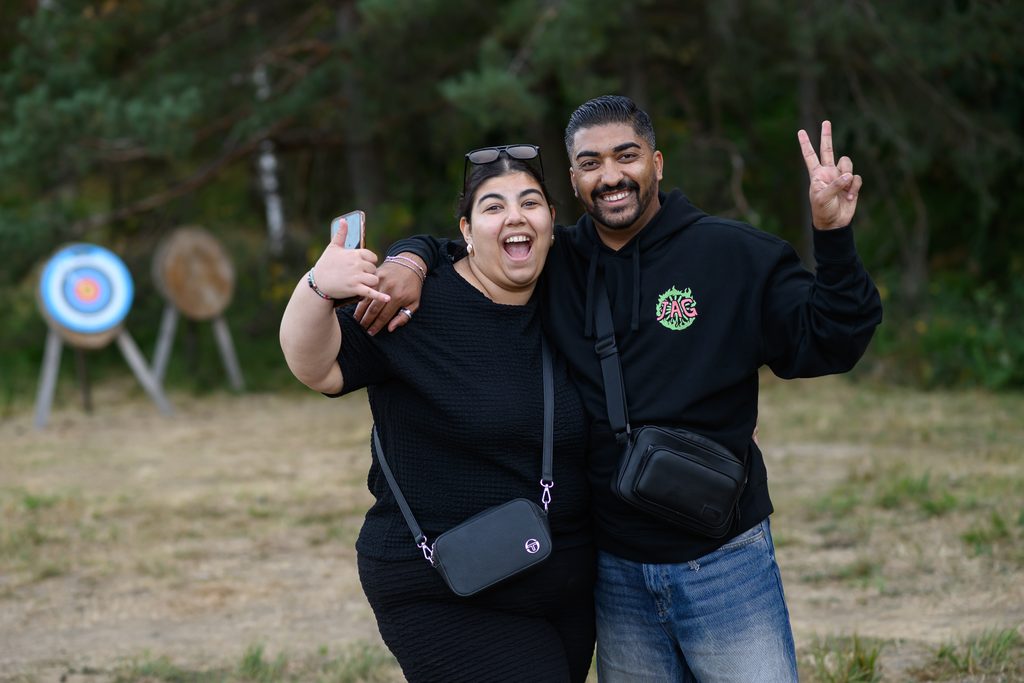
While the sessions formed the core of the program, the Bootcamp experience extended well beyond formal learning. Outdoor games, recreational activities and evenings meetings gave participants time to relax, connect and get to know one another outside the workshop environment.
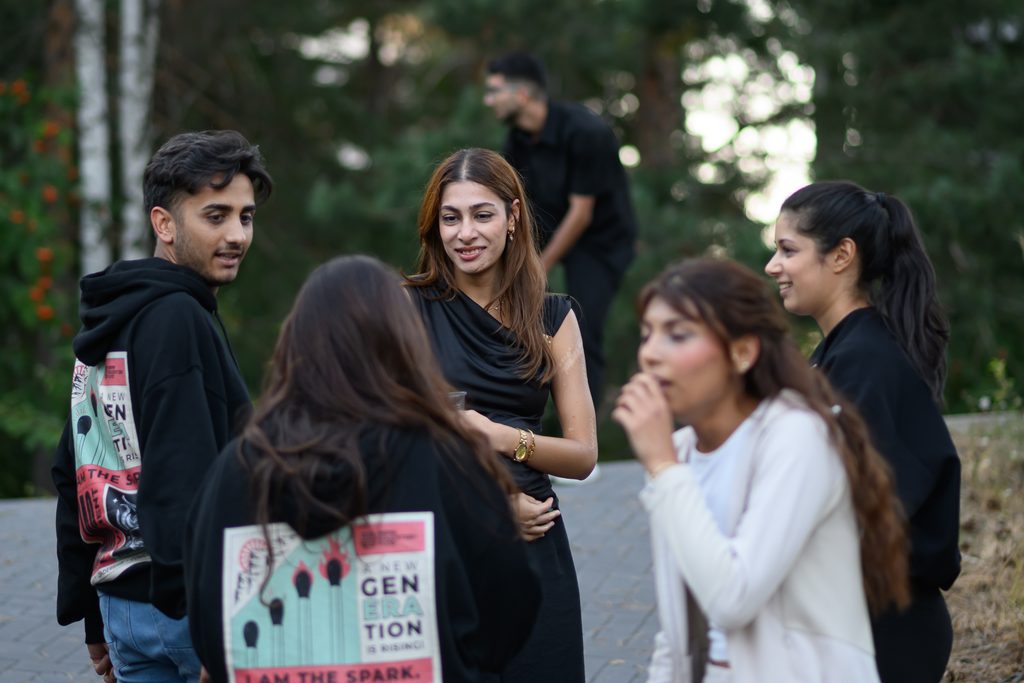
These informal moments became an important part of the experience. Friendships were formed, stories were shared and connections developed between young people from different countries and backgrounds who nevertheless discovered many common experiences, challenges and aspirations.
“I’m very happy to be here at this camp and to have met so many interesting people with whom I’ve exchanged a lot of information and gained valuable knowledge. Many thanks to everyone for making this experience possible.”- Dženan Bobarić, Roma mediator, EUROROM organisation, Tuzla, Bosnia and Herzegovina
For Dragana Krstić, a student at the Faculty of Medicine in Novi Sad, Serbia, the Bootcamp was an opportunity to meet other young Roma, exchange experiences and draw inspiration from the achievements of her peers.
“REF supported me with a scholarship that meant a great deal to me, as it helped me purchase textbooks and other things I needed at the time. I applied to this camp because I wanted to meet as many young Roma people from our community as possible, as well as young people from around the world. I can honestly say that I had a wonderful and enjoyable time here. I met many young people from our community, and I was truly impressed and inspired by their achievements. The camp was a wonderful experience, and we learned a great deal through the different sessions. Whenever I have the opportunity, I will be very happy to take part again” – Dragana Krstić.
On the final day, participants reflected on what they had learned, shared their impressions and brought an intense five-day experience to a close. But the purpose of the Bootcamp was never intended to end in Divčibare. The relationships built during those five days, and the ideas developed through the sessions, will become starting points for future collaborations, local initiatives and new forms of youth participation. For that potential to translate into meaningful action, young people need continued opportunities to participate, experiment, take responsibility and learn, including from challenges and setbacks. Leadership development is a continuous process.
I am the spark. We are the flame.
A new generation of Roma leaders is growing.
Fundația Roma Education Fund Romania recrutează formatori pentru cursuri de calificare București – Ilfov
Posted on September 1, 2026 by admin2
Ne extindem portofoliul de colaboratori și căutăm formatori interesați de colaborări în cadrul unor proiecte de ocupare și formare profesională, pentru livrarea componentei teoretice și/sau practice a unor cursuri de calificare autorizate.
În această etapă dorim să identificăm și să construim o bază extinsă de colaboratori care pot fi implicați, în funcție de formarea grupelor și calendarul de implementare, în perioada septembrie 2026 – aprilie 2027.
Domenii și cursuri pentru care căutăm formatori
Lucrător comercial
Cofetar
Brutar
Căutăm atât:
Formatori pentru partea teoretică, care pot susține modulele specifice programelor de formare;
cât și
Formatori/instructori pentru partea practică, cu experiență relevantă în domeniul ocupațional și capacitatea de a lucra direct cu participanții în cadrul activităților practice.
Cum se poate desfășura activitatea
Cursurile vor fi organizate gradual, în funcție de:
constituirea grupelor de participanți;
durata fiecărui program de formare;
calendarul proiectelor și disponibilitatea formatorilor.
Perioada estimată de desfășurare este septembrie 2026 – aprilie 2027.
Pentru componenta teoretică există și posibilitatea desfășurării activităților online, acolo unde structura și metodologia programului permit acest lucru. Prin urmare, pentru formatorii care susțin exclusiv partea teoretică, domiciliul în Brașov nu reprezintă o condiție obligatorie.
Activitățile practice se vor desfășura fizic, în locațiile stabilite pentru implementarea cursurilor.
Ce oferim
colaborare pe bază de Contract Individual de Muncă (CIM);
posibilitatea încheierii și a altor forme de colaborare, după caz, pe lângă CIM
remunerație de 50 lei net/oră de formare;
posibilitatea unei colaborări pe parcursul mai multor luni, în funcție de numărul grupelor formate și disponibilitatea candidatului;
programarea activităților în funcție de calendarul cursurilor și, pe cât posibil, de disponibilitatea formatorilor;
posibilitatea de a fi inclus într-un portofoliu de colaboratori pentru proiecte și cursuri viitoare;
pentru situațiile în care deplasarea presupune distanțe semnificative până la locația de formare, pot fi discutate, de la caz la caz, costuri suplimentare de deplasare.
Cerințe obligatorii
Ne dorim colaboratori care îndeplinesc cerințele necesare pentru desfășurarea activității de formare în cadrul programelor autorizate.
În funcție de rolul și ocupația pentru care se aplică, sunt necesare:
studii, calificări sau experiență profesională relevante pentru domeniul în care se va realiza formarea;
documente care să ateste pregătirea și/sau experiența profesională relevantă;
pentru activitatea de formare teoretică, certificat/atestat de formator sau altă calificare/competență relevantă, conform cerințelor aplicabile programului de formare;
capacitatea de a susține activități de instruire și de a lucra cu grupuri de adulți;
disponibilitate pentru a transmite documentele necesare verificării eligibilității și încadrării în echipa de formare;
responsabilitatea privind întocmirea suportului de curs pentru fiecare program de formare
disponibilitate pentru desfășurarea activităților conform calendarului stabilit pentru fiecare grupă.
Constituie avantaje:
experiența anterioară ca formator, instructor sau specialist implicat în programe de formare profesională;
experiența în proiecte cu finanțare europeană sau proiecte de ocupare;
experiența în lucrul cu persoane aflate în căutarea unui loc de muncă sau cu grupuri de adulți;
disponibilitatea de a susține atât activități teoretice, cât și practice;
disponibilitatea pentru mai multe locații sau perioade de desfășurare.
Cui ne adresăm
Ne interesează atât colaboratori care pot prelua activitate imediat ce se formează grupele, cât și persoane interesate să fie incluse în portofoliul nostru pentru activări ulterioare.
Dacă ai experiență relevantă într-unul dintre domeniile menționate și ești interesat(ă) de o colaborare punctuală sau pe parcursul mai multor sesiuni de formare, ne-ar face plăcere să te cunoaștem.
Pentru exprimarea interesului, te rugăm să ne transmiți:
CV-ul actualizat;
domeniul/ocupația pentru care dorești să colaborezi;
dacă poți susține partea teoretică, partea practică sau ambele componente;
localitatea/județul de reședință;
disponibilitatea estimată în perioada septembrie 2026 – aprilie 2027;
orice documente sau informații relevante privind calificarea și experiența în domeniu.
Nu este necesar să fii disponibil(ă) pe întreaga perioadă de implementare. Ne dorim să construim o rețea flexibilă de colaboratori, care să poată fi activată în funcție de formarea grupelor, locație și disponibilitatea fiecăruia.
Așteptăm candidatura ta!
DESPRE ROMA EDUCATION FUND
Roma Education Fund (REF) este o organizație internațională înființată în 2005 de Banca Mondială și Open Society Foundations. În peste 20 de ani de activitate, rețeaua REF a investit peste 120 de milioane de euro în programe de educație, competențe și dezvoltare, ajungând la peste 100.000 de romi de toate vârstele din 16 țări.Astăzi, în România, Slovacia, Serbia și Macedonia de Nord, REF dezvoltă modele de educație complementară, programe de competențe și ocupare și investiții în educație și leadership, în strânsă colaborare cu comunitățile rome.
Fundația Roma Education Fund Romania recrutează formatori pentru cursuri de calificare în Brașov
Posted on by admin2
Ne extindem portofoliul de colaboratori și căutăm formatori interesați de colaborări în cadrul unor proiecte de ocupare și formare profesională, pentru livrarea componentei teoretice și/sau practice a unor cursuri de calificare autorizate.
În această etapă dorim să identificăm și să construim o bază extinsă de colaboratori care pot fi implicați, în funcție de formarea grupelor și calendarul de implementare, în perioada septembrie 2026 – aprilie 2027.
Domenii și cursuri pentru care căutăm formatori
Lucrător comercial
Gestionar depozit
Căutăm atât:
Formatori pentru partea teoretică, care pot susține modulele specifice programelor de formare;
cât și
Formatori/instructori pentru partea practică, cu experiență relevantă în domeniul ocupațional și capacitatea de a lucra direct cu participanții în cadrul activităților practice.
Cum se poate desfășura activitatea
Cursurile vor fi organizate gradual, în funcție de:
constituirea grupelor de participanți;
durata fiecărui program de formare;
calendarul proiectelor și disponibilitatea formatorilor.
Perioada estimată de desfășurare este septembrie 2026 – aprilie 2027.
Pentru componenta teoretică există și posibilitatea desfășurării activităților online, acolo unde structura și metodologia programului permit acest lucru. Prin urmare, pentru formatorii care susțin exclusiv partea teoretică, domiciliul în Brașov nu reprezintă o condiție obligatorie.
Activitățile practice se vor desfășura fizic, în locațiile stabilite pentru implementarea cursurilor.
Ce oferim
colaborare pe bază de Contract Individual de Muncă (CIM);
posibilitatea încheierii și a altor forme de colaborare, după caz, pe lângă CIM
remunerație de 50 lei net/oră de formare;
posibilitatea unei colaborări pe parcursul mai multor luni, în funcție de numărul grupelor formate și disponibilitatea candidatului;
programarea activităților în funcție de calendarul cursurilor și, pe cât posibil, de disponibilitatea formatorilor;
posibilitatea de a fi inclus într-un portofoliu de colaboratori pentru proiecte și cursuri viitoare;
pentru situațiile în care deplasarea presupune distanțe semnificative până la locația de formare, pot fi discutate, de la caz la caz, costuri suplimentare de deplasare.
Cerințe obligatorii
Ne dorim colaboratori care îndeplinesc cerințele necesare pentru desfășurarea activității de formare în cadrul programelor autorizate.
În funcție de rolul și ocupația pentru care se aplică, sunt necesare:
studii, calificări sau experiență profesională relevante pentru domeniul în care se va realiza formarea;
documente care să ateste pregătirea și/sau experiența profesională relevantă;
pentru activitatea de formare teoretică, certificat/atestat de formator sau altă calificare/competență relevantă, conform cerințelor aplicabile programului de formare;
capacitatea de a susține activități de instruire și de a lucra cu grupuri de adulți;
disponibilitate pentru a transmite documentele necesare verificării eligibilității și încadrării în echipa de formare;
responsabilitatea privind întocmirea suportului de curs pentru fiecare program de formare
disponibilitate pentru desfășurarea activităților conform calendarului stabilit pentru fiecare grupă.
Constituie avantaje:
experiența anterioară ca formator, instructor sau specialist implicat în programe de formare profesională;
experiența în proiecte cu finanțare europeană sau proiecte de ocupare;
experiența în lucrul cu persoane aflate în căutarea unui loc de muncă sau cu grupuri de adulți;
disponibilitatea de a susține atât activități teoretice, cât și practice;
disponibilitatea pentru mai multe locații sau perioade de desfășurare.
Cui ne adresăm
Ne interesează atât colaboratori care pot prelua activitate imediat ce se formează grupele, cât și persoane interesate să fie incluse în portofoliul nostru pentru activări ulterioare.
Dacă ai experiență relevantă într-unul dintre domeniile menționate și ești interesat(ă) de o colaborare punctuală sau pe parcursul mai multor sesiuni de formare, ne-ar face plăcere să te cunoaștem.
Pentru exprimarea interesului, te rugăm să ne transmiți:
CV-ul actualizat;
domeniul/ocupația pentru care dorești să colaborezi;
dacă poți susține partea teoretică, partea practică sau ambele componente;
localitatea/județul de reședință;
disponibilitatea estimată în perioada septembrie 2026 – aprilie 2027;
orice documente sau informații relevante privind calificarea și experiența în domeniu.
Nu este necesar să fii disponibil(ă) pe întreaga perioadă de implementare. Ne dorim să construim o rețea flexibilă de colaboratori, care să poată fi activată în funcție de formarea grupelor, locație și disponibilitatea fiecăruia.
Așteptăm candidatura ta!
DESPRE ROMA EDUCATION FUND
Roma Education Fund (REF) este o organizație internațională înființată în 2005 de Banca Mondială și Open Society Foundations. În peste 20 de ani de activitate, rețeaua REF a investit peste 120 de milioane de euro în programe de educație, competențe și dezvoltare, ajungând la peste 100.000 de romi de toate vârstele din 16 țări.
Astăzi, în România, Slovacia, Serbia și Macedonia de Nord, REF dezvoltă modele de educație complementară, programe de competențe și ocupare și investiții în educație și leadership, în strânsă colaborare cu comunitățile rome.
Building Stronger Learning Communities: Supporting Roma Children and Families in Albania
Posted on by admin2
For nearly two academic years, the Roma Education Fund (REF), together with Save the Children Albania, has been delivering the project “Roma Children Learn – Reducing Barriers for Education and Development” across Tirana, Shkoza, and Gjirokastër, supporting Roma children and families from early childhood through primary education. The initiative is carried out within the framework of the EU Regional Action for Roma Education, funded by the European Commission’s Directorate-General for Enlargement and Eastern Neighbourhood (DG ENEST), with the shared goal of creating stronger and more inclusive learning opportunities for Roma children and their families.
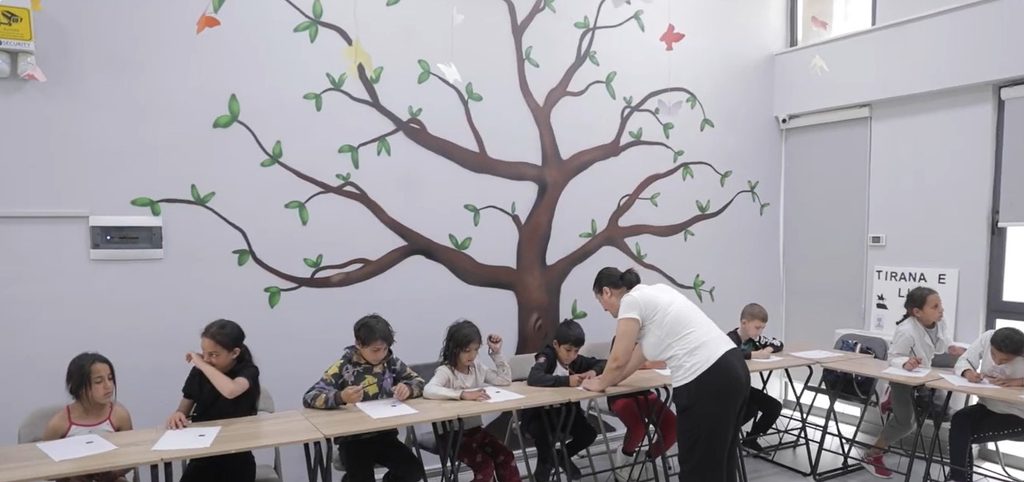
During this period, the project has reached more than 120 children aged 3–6, helping them build the foundation and confidence needed for a successful start to their education. At the same time, around 80 parents have been engaged and encouraged to take a more active role in their children’s early learning and development.
The project also works with children in the first years of primary school. So far, 162 school-age children and around 80 of their parents have participated in activities designed to encourage regular participation in education, improve learning outcomes, and help children develop the knowledge and skills they need to progress through school.
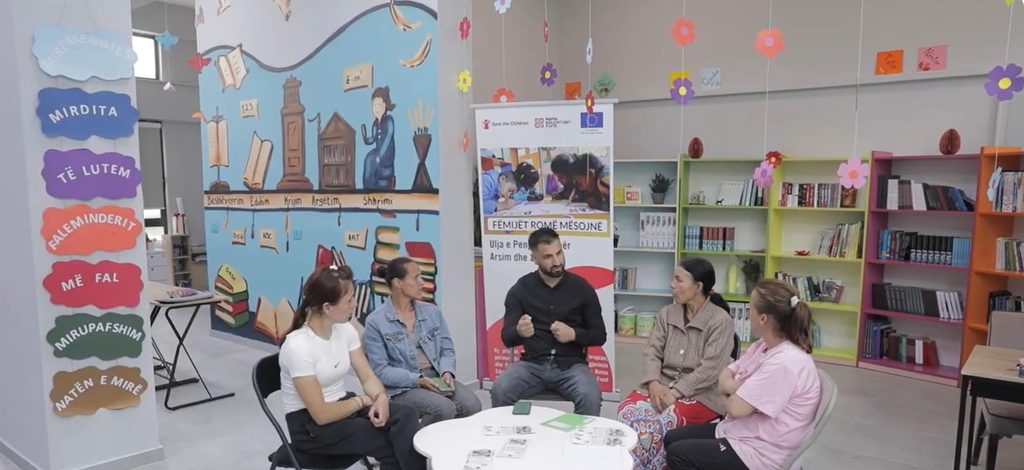
But supporting children’s education takes more than working with children alone. One of the project’s key strengths is the network of local actors surrounding them. Cultural mediators, teachers, community centers, kindergartens, and schools all contribute to creating an environment where children can learn, participate, and thrive.
Bringing these actors together creates the kind of local synergy that meaningful educational inclusion requires. Children receive assistance both inside and outside the classroom, parents become more closely involved in their education, and schools and community actors are better connected in responding to their needs. The result is a stronger network around each child, one that encourages active participation, contributes to better educational outcomes, and helps children continue building their knowledge, skills, and confidence.
The intervention combines a range of activities designed to accompany children and families through different stages of their educational journey. Families receive practical assistance with enrolling children in kindergarten and primary school, while Toy Libraries established within kindergartens provide welcoming spaces where young children can learn and develop through play. Parents receive learning materials and participate in sessions covering topics such as parenting, digital skills, and other areas relevant to their children’s learning and development. For primary school students, an after-school program provides a structured environment where they can complete homework, reinforce what they learn in class, and receive additional guidance when needed. Alongside these activities, the project brings local stakeholders together through workshops and joint initiatives, while outdoor events and community activities create further opportunities for children and families to learn, connect, and participate beyond the classroom.
As the project approached its completion, partners and local stakeholders came together on July 1, 2026, in Gjirokastër to reflect on the progress achieved and how it could be sustained beyond the project. The roundtable gathered 25 representatives of schools, kindergartens, local institutions, social and education services, and the Roma community to exchange lessons learned and discuss the way forward. A key focus was the Transition Plan, developed as a practical framework to strengthen coordination among local actors and ensure more consistent support for children moving from kindergarten to primary school. Rather than simply marking the end of project activities, the event provided an opportunity to build on the partnerships and practices developed over the past two academic years and help embed them in more sustainable local responses.
Reflecting on the journey and impact of the intervention, Enekelejda Bakia, Project Coordinator at Save the Children Albania, highlighted the importance of the partnerships built around children and their families:
“This project has made a meaningful difference in the lives of Roma children in Albania, particularly in the municipalities of Tirana and Gjirokastër. Its results show that lasting change is possible when families, schools, kindergartens, communities, and public institutions work together. Through this collaborative approach, we have strengthened children’s access to education, supported their well-being and social inclusion, and created greater opportunities for their future development.”
Hear more experiences and stories from the people who took part in the project in the video
The Project is part of the “EU Regional Action for Roma Education: Increased Education Support and Opportunities for Roma Students in Western Balkans and Turkey (RARE) phase I1”, funded by DG ENEST and implemented by Roma Education Fund (REF) and Save the Children in Albania.
REF Romania recrutează coordonator grup țintă și campanie pe piața muncii
Posted on August 27, 2026 by admin2
Fundația Roma Education Fund Romania recrutează un/o coordonator/oare grup țintă și campanie pe piața muncii pentru departamentul de competențe și ocupare.
Rolul integrează coordonarea proceselor de identificare, recrutare, selecție și monitorizare a grupului țintă cu coordonarea campaniilor de informare și conectare cu oportunități de ocupare. Poziția presupune atât coordonarea riguroasă a proceselor, documentației și indicatorilor aferenți grupului țintă, cât și activitate directă în comunități, dezvoltarea relațiilor comunitare și instituționale, implementarea campaniilor pe piața muncii și o bună înțelegere a cerințelor angajatorilor.
Responsabilități principale
coordonează procesele de identificare, recrutare, selecție și monitorizare a grupului țintă în cadrul programelor de competențe și ocupare;
elaborează/aplică metodologiile și procedurile de selectare, recrutare și monitorizare a grupului țintă, precum și metodologiile privind măsurile de sprijin acordate pentru participarea la activitățile de formare și ocupare;
verifică eligibilitatea și apartenența participanților la grupul țintă și coordonează întocmirea documentației și formularelor aferente;
coordonează, monitorizează și răspunde de evidența grupului țintă, astfel încât să poată genera în orice moment o situație actualizată, corectă și completă a acestuia;
monitorizează permanent fluctuația grupului țintă și urmărește realizarea indicatorilor de performanță și calitate; identifică împreună cu echipa soluții pentru atingerea acestora;
se asigură de realizarea tuturor anexelor solicitate de finanțator privind raportarea grupului țintă și a sprijinului primit de participanți;
se asigură de păstrarea și arhivarea fizică și electronică a documentelor privind grupul țintă, în acord cu regulile și normele finanțatorului;
coordonează, împreună cu echipa, activitatea experților de recrutare și monitorizare GT și organizarea și implementarea evenimentelor prevăzute în cadrul activităților de care este responsabil/ă;
studiază piața muncii pentru identificarea tendințelor, a cerințelor angajatorilor, a ocupațiilor și competențelor solicitate și a decalajelor dintre cerere și ofertă;
elaborează și dezvoltă strategia campaniilor pe piața muncii, inclusiv obiectivele, grupurile țintă, mesajele-cheie și canalele de comunicare, precum și planurile de acțiune și etapele de implementare;
prezintă echipei de implementare conceptul, materialele și planul campaniilor și elaborează proceduri de lucru și instruiește experții implicați în activitățile de informare;
realizează materiale de campanie și se asigură de diseminarea acestora; planifică, organizează și monitorizează activitățile și evenimentele locale de informare, recrutare și ocupare;
urmărește derularea activităților aflate în responsabilitatea sa și se asigură de încadrarea acestora în cerințele de cost, durată și calitate; urmărește progresul campaniilor și atingerea obiectivelor;
contribuie la conectarea persoanelor din grupul țintă cu oportunități relevante de formare și ocupare și dezvoltă relații de lucru cu angajatori și alți actori relevanți de pe piața muncii;
realizează vizite de diseminare și activități directe în comunități, împreună cu experții de recrutare și monitorizare GT, și contribuie la dezvoltarea și menținerea relațiilor comunitare și instituționale;
menține o comunicare eficientă cu echipa, partenerii, beneficiarii, instituțiile și actorii comunitari și are capacitatea de a iniția, deschide și gestiona relații comunitare și instituționale relevante pentru atingerea obiectivelor proiectului;
realizează deplasări frecvente în județul Brașov, în funcție de necesitățile activităților și ale comunităților vizate;
îndeplinește și alte sarcini care îi sunt atribuite de managerul de proiect, în acord cu specificul postului ocupat.
Cerințe
studii superioare finalizate cu diplomă de licență;
minimum 3 ani de experiență profesională relevantă, preferabil în domeniul ocupării, formării profesionale, recrutării și monitorizării participanților, incluziunii pe piața muncii sau implementării proiectelor cu finanțare nerambursabilă;
experiență în coordonarea activităților și/sau a unor echipe;
capacitate foarte bună de organizare, planificare și monitorizare;
capacitatea de a lucra riguros cu documente, evidențe, indicatori și date;
bune abilități de comunicare și de lucru direct cu persoane din contexte diverse;
capacitatea de a identifica probleme și de a construi soluții practice;
capacitate de inițiere, deschidere și gestionare a relațiilor comunitare și instituționale, precum și de colaborare cu instituții, organizații, angajatori și actori locali relevanți;
orientare către rezultate și respectarea termenelor;
disponibilitate pentru deplasări frecvente în județul Brașov și pentru activitate directă în comunități;
permis de conducere categoria B și disponibilitate pentru deplasări în interes de serviciu.
Experiență anterioară de lucru în proiecte PEO/POSDRU
Profilul pe care îl căutăm
Căutăm o persoană care poate combina rigoarea necesară coordonării grupului țintă, a proceselor și documentației cu capacitatea de a dezvolta și implementa campanii relevante pentru piața muncii, munca directă în comunități și orientarea către rezultate de ocupare.
Persoana potrivită pentru acest rol are inițiativă, abilități solide de comunicare și relaționare și capacitatea de a construi și gestiona relații comunitare și instituționale. Este importantă disponibilitatea de a se deplasa în județul Brașov și de a lucra direct cu participanții, echipele locale, instituțiile, angajatorii și alți actori relevanți.
Pentru noi, serviciile de ocupare nu se opresc la recrutarea unei persoane într-un proiect. Rolul presupune urmărirea parcursului participantului și contribuția la conectarea acestuia cu oportunități reale de formare și ocupare.
Persoanele interesate sunt invitate să transmită:
CV actualizat;
scrisoare de intenție, de maximum o pagină, în care să descrie pe scurt experiența relevantă pentru această poziție și motivația pentru a se alătura echipei REF România.
Salariu: 9.500–12.000 lei brut/lună, în funcție de experiența și competențele relevante pentru poziție.
DESPRE ROMA EDUCATION FUND
Roma Education Fund (REF) este o organizație internațională înființată în 2005 de Banca Mondială și Open Society Foundations. În peste 20 de ani de activitate, rețeaua REF a investit peste 120 de milioane de euro în programe de educație, competențe și dezvoltare, ajungând la peste 100.000 de romi de toate vârstele din 16 țări.
Astăzi, în România, Slovacia, Serbia și Macedonia de Nord, REF dezvoltă modele de educație complementară, programe de competențe și ocupare și investiții în educație și leadership, în strânsă colaborare cu comunitățile rome.
REF Romania recutează MENTORI
Posted on August 25, 2026 by admin2
ZIZIN ȘI/SAU TĂRLUNGENI, JUD. BRAȘOV
Fii modelul care inspiră încredere și curaj copiilor romi!
Roma Education Fund (REF) este o organizație internațională înființată în 2005 de Banca Mondială și Open Society Foundations. În peste 20 de ani de activitate, rețeaua REF a investit peste 120 de milioane de euro în programe educaționale de care au beneficiat peste 100.000 de romi de toate vârstele, din 16 țări. În România, Slovacia, Serbia și Macedonia de Nord, REF dezvoltă modele de educație complementară, programe de ocupare și investiții în educație și leadership, în strânsă colaborare cu comunitățile rome. Mai multe informații despre noi: Roma Education Fund
DESPRE PROGRAMUL CERC
Centrele pentru Educație Remedială și Complementară (CERC) din Zizin și Tărlungeni le oferă elevilor romi din ciclul primar și gimnazial sprijin remedial, consiliere, educație non-formală și mentorat. Mentorii vor fi modele pozitive pentru elevi, îi vor sprijini în dezvoltarea încrederii în sine, a motivației și a abilităților personale și îi vor încuraja să participe activ la educație și să creadă în propriul potențial.
CE VEI FACE?
Vei identifica și înscrie elevii și părinții în grupul-țintă, vei colecta documentele necesare și vei asigura actualizarea sau înlocuirea beneficiarilor, conform cerințelor proiectului.
Vei desfășura sesiuni individuale și de grup pentru elevi, conform Metodologiei de mentorat, sprijinind dezvoltarea personală, abilitățile de studiu, participarea școlară și orientarea educațională.
Vei organiza sesiuni lunare de mentorat, informare, consiliere și educație parentală, pentru a sprijini părinții în depășirea barierelor care pot afecta educația copiilor.
Vei colabora cu experții locali, alți mentori și modele educaționale rome și vei facilita activități privind încrederea în sine, leadershipul, identitatea, istoria și cultura romilor, incluziunea și valorizarea diversității.
PE CINE CĂUTĂM?
Condiții de eligibilitate:
Ai împlinit vârsta de 18 ani și ai absolvit cel puțin studiile liceale;
Ești de etnie romă și îți asumi deschis apartenența etnică, aceasta fiind o condiție de angajare prevăzută în proiect;
Ești din județul Brașov și poți desfășura activitățile în Tărlungeni, jud. Brașov;
Ai avut rezultate bune în parcursul educațional sau profesional, astfel încât să reprezinți un model pozitiv pentru elevi și să promovezi o atitudine favorabilă față de educație;
Ai experiență de lucru cu persoane din comunități rome sau din alte grupuri vulnerabile, în special cu elevi romi.
Pentru candidații romi care au absolvit recent studiile liceale sau universitare ori sunt înscriși într-o formă de învățământ la momentul selecției, experiența anterioară de lucru nu este obligatorie.
Constituie un avantaj: experiența în desfășurarea activităților de mentorat, dezvoltare personală sau educație non-formală; cunoașterea comunității locale și a provocărilor cu care se confruntă elevii și familiile rome; capacitatea de a facilita activități individuale și de grup; interesul pentru promovarea identității, istoriei și culturii rome; implicarea anterioară în inițiative educaționale, comunitare sau de voluntariat.
CE OFERIM?
Contract individual de muncă pentru aprox. 16 luni de activitate, în perioada octombrie 2026 – februarie 2028.
Program part-time și flexibil, stabilit la începutul anului școlar în funcție de orarul elevilor; sesiunile pot avea loc înainte sau după programul școlar.
Posibilitatea de a lucra cu una sau mai multe grupe, în funcție de disponibilitate.
Suport continuu, mentorat și resurse pentru pregătirea și desfășurarea programului de mentorat.
REMUNERAȚIE Între 660 lei și 3300 lei, in funcție de numărul de grupe preluate (o grupă are aprox. 20 elevi și părinții acestora)
CUM APLICI?
Completează formularul de înscriere până la 20 septembrie 2026 și încarcă CV-ul înainte de transmiterea formularului.
1 EVALUAREA CANDIDATURII Analizăm formularul de înscriere și CV-ul încărcat.
2 CENTRUL DE EVALUARE Candidații selectați vor participa, timp de aproximativ o jumătate de zi, la un centru de evaluare organizat în Zizin sau Tărlungeni, în luna septembrie. Vei afla mai multe despre programele REF, vei lucra în echipă și vei susține o secvență de activitate de mentorat de 30 de minute, pregătită de tine în prealabil.
ALĂTURĂ-TE ECHIPEI CERC ȘI CONTRIBUIE LA O SCHIMBARE REALĂ ÎN EDUCAȚIA COPIILOR ROMI!
REF Romania recrutează PROFESORI PENTRU PROGRAMUL REMEDIAL
Posted on by admin2
LITERAȚIE ȘI NUMERAȚIE • CICLUL PRIMAR ȘI GIMNAZIAL •ZIZIN ȘI/SAU TĂRLUNGENI, JUD. BRAȘOV
Fii profesorul care îi ajută pe copii să descopere că pot progresa și reuși!
Roma Education Fund (REF) este o organizație internațională înființată în 2005 de Banca Mondială și Open Society Foundations. În peste 20 de ani de activitate, rețeaua REF a investit peste 120 de milioane de euro în programe educaționale de care au beneficiat peste 100.000 de romi de toate vârstele, din 16 țări. În România, Slovacia, Serbia și Macedonia de Nord, REF dezvoltă modele de educație complementară, programe de ocupare și investiții în educație și leadership, în strânsă colaborare cu comunitățile rome. Mai multe informații despre noi: Roma Education Fund
DESPRE PROGRAMUL CERC
Centrele pentru Educație Remedială și Complementară (CERC) din Zizin și Tărlungeni le oferă elevilor romi din ciclul primar și gimnazial sprijin remedial, consiliere, educație non-formală și mentorat. Profesorii și învățătorii din program vor sprijini recuperarea decalajelor de învățare prin activități de literație și numerație, contribuind totodată la creșterea participării școlare, a încrederii în sine și a motivației pentru învățare.
CE VEI FACE?
Vei planifica și susține sesiuni educaționale remediale, conform metodologiei programului, pentru îmbunătățirea participării și a rezultatelor școlare.
Vei evalua periodic progresul elevilor și vei adapta intervenția la nevoile și nivelul lor de învățare.
Vei pregăti sesiunile, instrumentele, fișele de lucru și materialele educaționale necesare.
Vei utiliza metode inovatoare, creative și interactive, care facilitează înțelegerea și fixarea cunoștințelor.
Vei crea un mediu educațional incluziv și prietenos, care susține dezvoltarea academică și personală și îi motivează pe copii să participe și să promoveze clasa.
PE CINE CĂUTĂM?
Condiții de eligibilitate: studii superioare finalizate cu diplomă de licență și experiență pedagogică de predare la clasă.
Constituie un avantaj: experiența în lucrul cu elevi care se confruntă cu blocaje și decalaje de învățare, în special cu elevi romi sau copii din comunități vulnerabile; deschiderea către învățarea non-formală și experiențială; utilizarea metodelor creative și interculturale; empatia, răbdarea, organizarea și capacitatea de a construi relații bazate pe încredere cu elevii și părinții.
CE OFERIM?
Contract individual de muncă pentru 14 luni de activitate, în perioada octombrie 2026 – februarie 2028, pe durata anilor școlari.
Program part-time și flexibil, stabilit la începutul anului școlar în funcție de orarul elevilor; sesiunile pot avea loc înainte sau după programul școlar.
Posibilitatea de a lucra cu una sau mai multe grupe, în funcție de disponibilitate.
Suport continuu, mentorat și resurse pentru pregătirea și desfășurarea sesiunilor remediale.
REMUNERAȚIE Pentru o grupă de ciclu primar (aprox. 10 elevi) – 1.320 lei net/lună (literație ȘI numerație). Pentru o grupă de gimnaziu (aprox. 10 elevi), 660 lei net/lună (pentru literație SAU numerație ). Suma se multiplică în funcție de numărul grupelor preluate. Sunt 40 grupe la nivelul celor 2 școli .
CUM APLICI?
Completează formularul de înscriere până la 20 septembrie 2026 și încarcă CV-ul înainte de transmiterea formularului.
1 EVALUAREA CANDIDATURII Analizăm formularul de înscriere și CV-ul încărcat.
2 CENTRUL DE EVALUARE Candidații selectați vor participa, timp de aproximativ o jumătate de zi, la un centru de evaluare organizat în Zizin sau Tărlungeni, în luna septembrie. Vei afla mai multe despre programele REF, vei lucra în echipă și vei susține o secvență de activitate remedială de 30 de minute, pregătită de tine în prealabil.
ALĂTURĂ-TE ECHIPEI CERC ȘI CONTRIBUIE LA O SCHIMBARE REALĂ ÎN EDUCAȚIA COPIILOR ROMI!
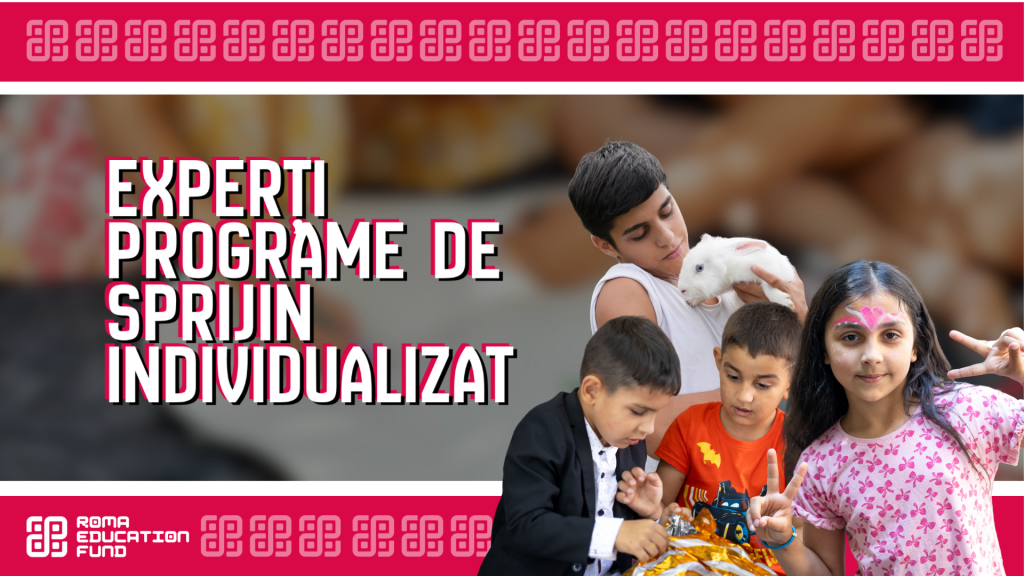
REF Romania recrutează – EXPERȚI PROGRAME DE SPRIJIN INDIVIDUALIZAT
Posted on by admin2
ZIZIN ȘI/SAU TĂRLUNGENI, JUD. BRAȘOV
Transformă riscul de a renunța în curajul de a merge mai departe!
Roma Education Fund (REF) este o organizație internațională înființată în 2005 de Banca Mondială și Open Society Foundations. În peste 20 de ani de activitate, rețeaua REF a investit peste 120 de milioane de euro în programe educaționale de care au beneficiat peste 100.000 de romi de toate vârstele, din 16 țări. În România, Slovacia, Serbia și Macedonia de Nord, REF dezvoltă modele de educație complementară, programe de ocupare și investiții în educație și leadership, în strânsă colaborare cu comunitățile rome. Mai multe informații despre noi: Roma Education Fund
DESPRE PROGRAMUL CERC
Centrele pentru Educație Remedială și Complementară (CERC) din Zizin și Tărlungeni le oferă elevilor romi din ciclul primar și gimnazial sprijin remedial, consiliere, educație non-formală și mentorat Experții în programe de sprijin individualizat vor lucra cu elevii expuși riscului de abandon școlar și cu familiile acestora, identificând nevoile și măsurile de intervenție potrivite fiecărui copil, pentru a reduce factorii de risc și a susține dezvoltarea personală și educațională.
CE VEI FACE?
Vei sprijini evaluarea și selecția elevilor expuși riscului de abandon școlar, în vederea includerii acestora în program.
Vei realiza evaluarea inițială a riscului și vei elabora Planul de sprijin individualizat pentru fiecare elev selectat.
Vei implementa și monitoriza măsurile prevăzute în planurile individualizate, conform Metodologiei programului de sprijin individualizat.
Vei consilia elevii și familiile privind importanța participării școlare și a finalizării studiilor și vei desfășura sesiuni motivaționale individuale și de grup, inclusiv ateliere pentru dezvoltarea încrederii în sine și ateliere de emancipare a fetelor rome pentru dezvoltarea încrederii în sine și leadership;
PE CINE CĂUTĂM?
Condiții de eligibilitate: studii superioare finalizate cu diplomă de licență și experiență în realizarea de activități de consiliere, orientare și dezvoltare personală pentru elevi si parinți, în special cei proveniți din comunități vulnerabile și comunități de romi.
Constituie un avantaj: experiența în lucrul cu elevi și familii din comunități vulnerabile și în gestionarea situațiilor de risc educațional; capacitatea de a facilita sesiuni de consiliere individuală și de grup, centrate pe nevoile elevului și ale familiei; abordarea interculturală și experiența de lucru cu comunități diverse, inclusiv cu fete rome și familiile acestora; empatia, răbdarea, organizarea și capacitatea de a motiva, de a comunica eficient și de a construi relații bazate pe încredere.
CE OFERIM?
Contract individual de muncă pentru 14 luni de activitate, în perioada octombrie 2026 – februarie 2028, pe durata anilor școlari.
Program part-time și flexibil, stabilit la începutul anului școlar în funcție de orarul elevilor; sesiunile pot avea loc înainte sau după programul școlar.
Suport continuu, mentorat și resurse pentru pregătirea și desfășurarea sesiunilor.
REMUNERAȚIE 1800 lei net/lună pentru fiecare din cele 2 școli, (pentru aprox. 20 elevi)
CUM APLICI?
Completează formularul de înscriere până la 20 septembrie 2026 și încarcă CV-ul înainte de transmiterea formularului.
1 EVALUAREA CANDIDATURII Analizăm formularul de înscriere și CV-ul încărcat.
2 CENTRUL DE EVALUARE Candidații selectați vor participa, timp de aproximativ o jumătate de zi, la un centru de evaluare organizat în Zizin sau Tărlungeni, în luna septembrie. Vei afla mai multe despre programele REF, vei lucra în echipă și vei susține o secvență de activitate de consiliere sau sesiune motivațională de 30 de minute, pregătită de tine în prealabil.
Dacă ai nevoie de mai multe informații:
Mihnea Anțilă ( Manager de proiect) – Email: mihnea.antila@roma.education , Telefon: 0728 040 385ALĂTURĂ-TE ECHIPEI CERC ȘI CONTRIBUIE LA O SCHIMBARE REALĂ ÎN EDUCAȚIA COPIILOR ROMI!
REF Romania recrutează – EXPERT MĂSURI COMPLEMENTARE
Posted on by admin2
(Consiliere și dezvoltare abilități socio-emoționale)
Transformă vulnerabilitatea în încredere, curaj și puterea de a reuși!
Roma Education Fund (REF) este o organizație internațională înființată în 2005 de Banca Mondială și Open Society Foundations. În peste 20 de ani de activitate, rețeaua REF a investit peste 120 de milioane de euro în programe educaționale de care au beneficiat peste 100.000 de romi de toate vârstele, din 16 țări. În România, Slovacia, Serbia și Macedonia de Nord, REF dezvoltă modele de educație complementară, programe de ocupare și investiții în educație și leadership, în strânsă colaborare cu comunitățile rome. Mai multe informații despre noi: Roma Education Fund
DESPRE PROGRAMUL CERC
Centrele pentru Educație Remedială și Complementară (CERC) din Zizin și Tărlungeni le oferă elevilor romi din ciclul primar și gimnazial sprijin remedial, consiliere, educație non-formală și mentorat. Expertul de măsuri complementare desfășoară activități cu elevii din ciclul primar și/sau gimnazial pentru a facilitata dezvoltarea de abiltăți emoționale și sociale, dezvoltare personală și soft skills contribuind la creșterea participării școlare, a încrederii în sine și a motivației pentru învățare.
CE VEI FACE?
Vei desfășura activități pentru dezvoltarea competențelor socio-emoționale și a abilităților de viață ale elevilor, contribuind la participarea școlară și la dezvoltarea lor personală;
Vei desfășura activități pentru dezvoltarea autocunoașterii, gestionarea emoțiilor și a stresului și consolidarea stimei de sine, activități de prevenire a bullyingului și cyberbullyingului și de gestionare constructivă a conflictelor;
Vei sprijini elevii să-și dezvolte abilitățile de comunicare asertivă, relaționare, cooperare și luare responsabilă a deciziilor;
Vei oferi consiliere și orientare elevilor de clasa a VIII-a pentru continuarea educației și tranziția către învățământul liceal sau professional;
PE CINE CĂUTĂM?
Condiții de eligibilitate: studii superioare finalizate cu diplomă de licență și experiență în realizarea de activități de consiliere, orientare și dezvoltare personală pentru elevi si parinți, în special cei proveniți din comunități vulnerabile și comunități de romi.
Constituie un avantaj: deschiderea către învățarea non-formală și utilizarea unor metode inovatoare și creative, adaptate nevoilor copiilor și adulților; abordarea interculturală și valorizarea culturii rome; empatia, răbdarea, organizarea și capacitatea de motivare, comunicare eficientă și construire a unor relații bazate pe încredere.
CE OFERIM?
Contract individual de muncă pentru 14 luni de activitate, în perioada octombrie 2026 – februarie 2028, pe durata anilor școlari.
Program part-time și flexibil, stabilit la începutul anului școlar în funcție de orarul elevilor; sesiunile pot avea loc înainte sau după programul școlar.
Posibilitatea de a lucra cu una sau mai multe grupe, în funcție de disponibilitate.
Suport continuu, mentorat și resurse pentru pregătirea și desfășurarea sesiunilor.
REMUNERAȚIE Intre 240 lei și 2400 lei/luna pentru fiecare din cele 2 școli, in funcție de numărul de grupe preluate (o grupă are aprox. 20 elevi)
CUM APLICI?
Completează formularul de înscriere până la 20 septembrie 2026 și încarcă CV-ul înainte de transmiterea formularului.
1 EVALUAREA CANDIDATURII Analizăm formularul de înscriere și CV-ul încărcat.
2 CENTRUL DE EVALUARE Candidații selectați vor participa, timp de aproximativ o jumătate de zi, la un centru de evaluare organizat în Zizin sau Tărlungeni, în luna septembrie. Vei afla mai multe despre programele REF, vei lucra în echipă și vei susține o secvență de activitate de dezvoltare de abilități emoționale de 30 de minute, pregătită de tine în prealabil.
An international financial institution that provides loans and grants to the governments of low- and middle-income countries for the purpose of pursuing capital projects.