
Building pathways from secondary education to employment for Roma youth in North Macedonia
Skopje, North Macedonia | 27 October 2026
The Roma Education Fund (REF) North Macedonia brought together representatives of public institutions and policymakers in Skopje on 27 October 2026 for a policy roundtable focused on strengthening pathways from secondary education to vocational training, higher education and employment for Roma youth in North Macedonia.
Hosted at the Ministry of Social Policy, Demographics and Youth, building on the regional policy dialogue held in April, in Podgorica, the meeting brought together 13 participants to discuss evidence-based policy solutions, improve coordination between education, employment and social inclusion policies, and identify concrete actions to expand opportunities for Roma young people.
The roundtable was part of REF’s regional advocacy process under the EU Regional Action for Roma Education (RARE), Phase II, funded by the European Commission’s Directorate-General for Enlargement and the Eastern Neighbourhood. The discussion built on the findings of the regional Bridging Education and Employment Policy Report, which examines vocational education and labour market integration policies across the Western Balkans and Türkiye, identifying barriers, enabling factors and recommendations for improving Roma youth transitions from education to employment.
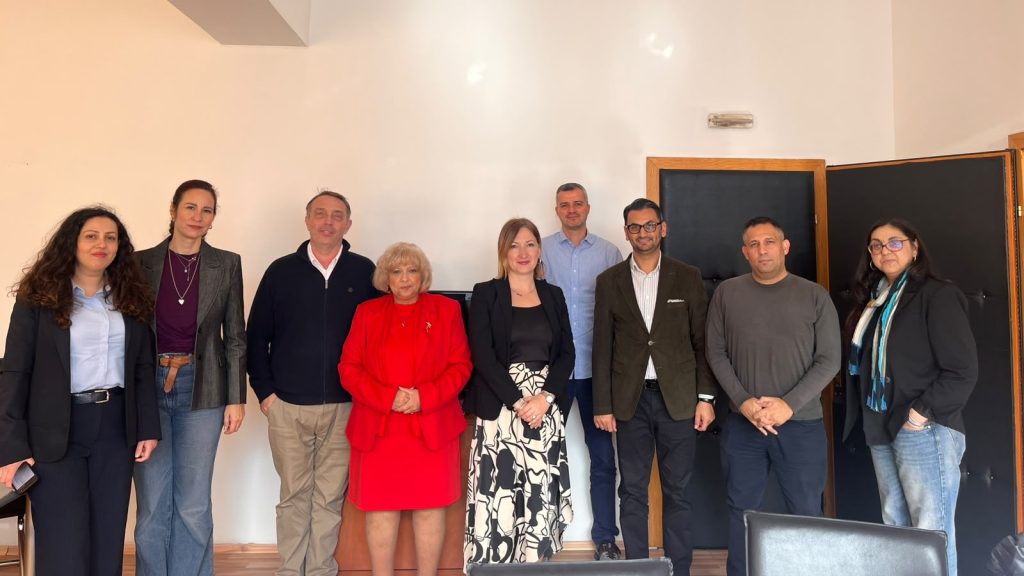
Mabera Kamberi, Coordinator of the Department for technical support in the Ministry for Social Policy, Demographics and Youth, opened the meeting and introduced the Roma Education Fund (REF) to the attendees and the mutual cooperation since 2006, and its project supporting Roma children’s access to kindergarten. She also outlined the results achieved during that period.
Redjepali Chupi, Roma Human Capital team leader presented REF’s strategic priorities for the coming period, structured around three pillars. These priorities build on REF’s experience supporting Roma students and professionals while introducing new approaches to education, employability and youth leadership.
During the meeting, Marijana Rakić, REF Senior Public Affairs Officer, presented the report’s findings on the situation of Roma in North Macedonia. The discussion highlighted the links between high rates of young people not in employment, education or training (NEET), poverty, material deprivation and inadequate housing. These challenges can prevent young people from continuing their education, completing vocational training, participating in internships and entering the labour market.
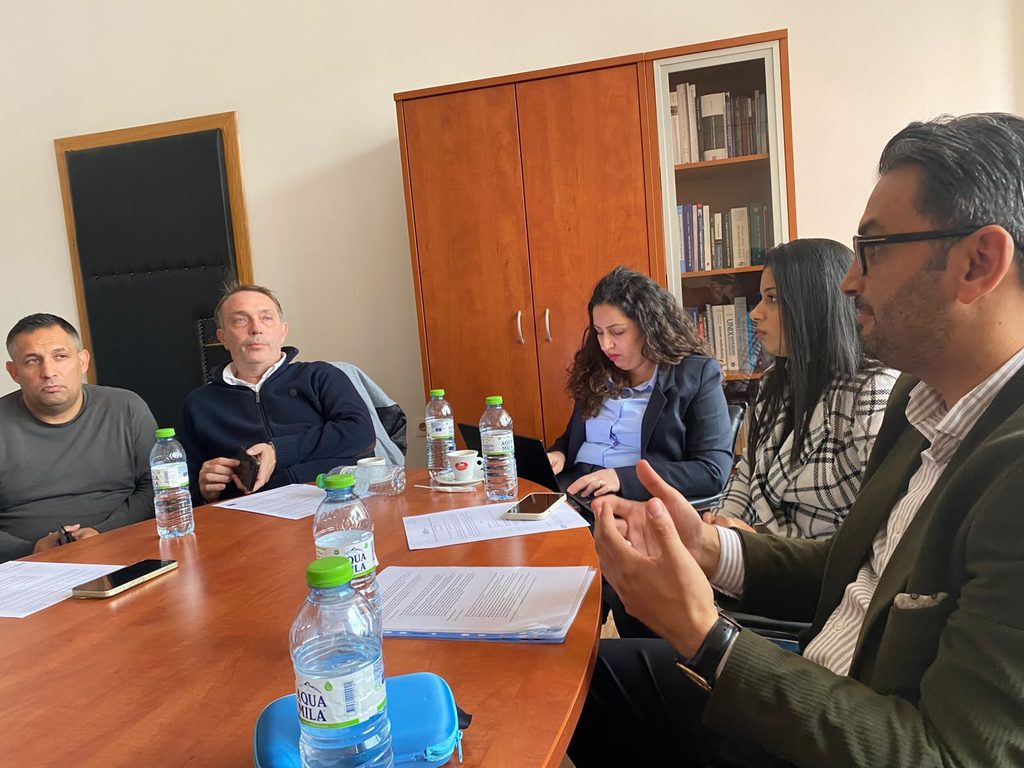
Was also reviewed existing national measures including the National Strategy for Roma Inclusion 2022–2030. The report highlights preferential admission measures for Roma students applying to state secondary schools, including vocational schools, which reduce the minimum admission score by 10%. The role of Roma education assistants and mediators was also discussed, with schools reporting low dropout rates identified as examples of good practice.
Participants emphasized that improving education-to-employment transitions requires more than individual support. It also depends on reliable labour market data, effective institutional coordination, high-quality practical training and stronger cooperation between educational institutions and employers.
Mile Stojanovski, Advisor at the Ministry of Economy, highlighted the need for a more systematic approach to employment indicators and reliable information on labour market demand. Participants proposed closer cooperation with chambers of commerce to identify the occupations most in demand and better align vocational training with employers’ needs.
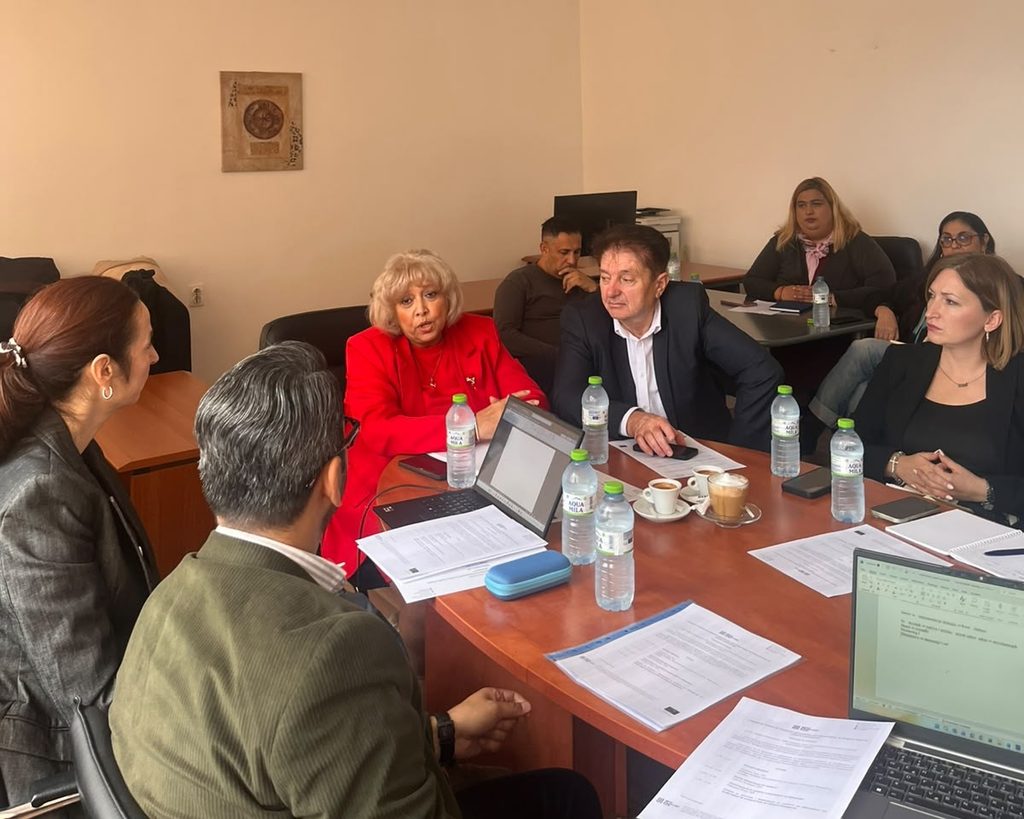
The roundtable explored opportunities for cooperation between government institutions, municipalities, employers, international organisations and Roma civil society. Participants stressed the importance of translating policy recommendations into practical measures that deliver tangible results for Roma communities.
Particular attention was given to the planned establishment of a REF-supported hub or centre in Šuto Orizari. The proposed centre is expected to provide access to employment and training support, including mentoring, career guidance, counselling and other services, with external experts engaged where needed. Discussions also covered the development of an employer network and the review of existing policies and legislation to identify opportunities for systemic interventions.
Participants welcomed the opportunity to discuss the regional report and underlined the importance of ensuring that future initiatives reflect the specific circumstances of each country and community, emphasized that education must remain central to Roma inclusion in the labour market. Was also discussed the potential of dual education to support the transition into employment, while acknowledging persistent challenges related to internships and the limited awareness and use of existing internship legislation.
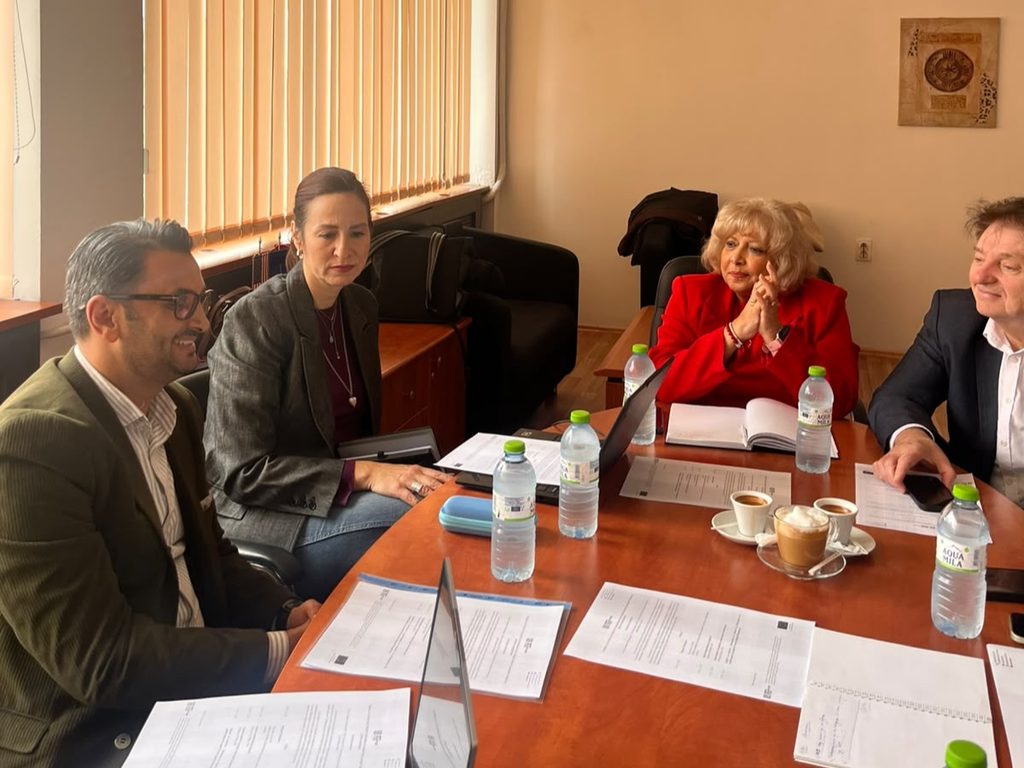
The regional project discussed during the meeting is expected to include employment and training activities, entrepreneurship and business development, and educational content. Planned support includes employment hubs and vocational training opportunities. Across the Western Balkans, the project aims to train approximately 700 Roma people and support 500 into employment.
The meeting concluded with a shared emphasis on concrete results, stronger institutional partnerships and more frequent policy dialogue. By bringing together policymakers and institutional stakeholders, REF aims to support evidence-based reforms and strengthen the conditions that enable Roma youth to continue their education, develop relevant skills and access meaningful employment.
This activity is part of the “EU Regional Action for Roma Education: Increased Education Support and Opportunities for Roma Students in the Western Balkans and Turkey (RARE), phase II” funded by the European Commission through the Directorate-General for Enlargement and the Eastern Neighbourhood.

